Gabriela Annisa
The unexpected collapse of Spirit Airlines in early 2026 sent shockwaves through the North American aviation industry, none more acutely felt than at Fort Lauderdale-Hollywood International Airport (FLL). For years, FLL had been inextricably linked with the ultra-low-cost carrier (ULCC), serving as one of its most prominent hubs and a cornerstone of its extensive network. The void left by Spirit’s sudden departure was immense, prompting immediate concerns that the bustling South Florida gateway was destined for a period of decline and diminished connectivity. However, contrary to initial pessimistic forecasts, FLL has not only demonstrated remarkable resilience but has rapidly become the epicenter of an aggressive new battle for market share, with a diverse array of airlines rushing to fill the vacuum and redefine the region’s air travel landscape. JetBlue is leading an assertive expansion, Frontier Airlines is undertaking a rapid and strategic rebuilding of its presence, and innovative carriers like Breeze Airways and Allegiant Air are simultaneously flooding the market with an unprecedented number of new routes, signaling a vibrant, albeit fiercely competitive, next chapter for the airport.
The Spirit Era: A Foundation and Its Fading
For over two decades, Spirit Airlines was a ubiquitous presence at FLL, growing from a regional charter operator into a major domestic and international ULCC. By the mid-2020s, Spirit accounted for a significant portion of FLL’s passenger traffic, often exceeding 20% of the airport’s total monthly movements. Its distinctive yellow-and-black livery was a constant sight on the tarmac, connecting Fort Lauderdale to a vast network of destinations across the United States, the Caribbean, and Latin America. Spirit’s business model, characterized by unbundled fares and high-density seating, democratized air travel for millions, making FLL a primary gateway for budget-conscious travelers and a vital economic engine for Broward County. The airline’s success was deeply intertwined with FLL’s growth, fostering a symbiotic relationship that saw the airport invest in infrastructure tailored to accommodate Spirit’s operational demands and rapid expansion. This reliance, however, also created a single point of failure, a vulnerability that became tragically apparent with the airline’s financial implosion. Analysts point to a confluence of factors, including aggressive expansion into oversaturated markets, persistent operational challenges exacerbated by staffing shortages, fluctuating fuel prices, and an inability to adapt quickly to evolving passenger expectations for ancillary services, as contributing to Spirit’s eventual downfall.
The Collapse and Immediate Aftermath: A Chronology of Disruption
The first public signs of Spirit’s distress emerged in late 2025 with a series of missed financial targets and a significant downgrade by credit rating agencies. Despite assurances from its leadership, the airline’s liquidity position deteriorated rapidly. In early January 2026, Spirit Airlines formally declared bankruptcy, citing insurmountable debt and an inability to secure additional financing. The announcement triggered an immediate suspension of all flight operations, leaving hundreds of thousands of passengers stranded globally, and thousands of employees jobless. At Fort Lauderdale, the impact was catastrophic. Flights were grounded, check-in counters emptied, and the bustling concourses that once hummed with Spirit passengers fell eerily silent. Airport authorities, led by the Broward County Aviation Department, immediately activated emergency contingency plans. While FLL’s operational teams worked tirelessly to manage the logistical nightmare of grounded aircraft and stranded baggage, the economic reverberations were profound. Local businesses reliant on airline staff and passenger traffic reported immediate downturns, and the broader tourism sector braced for a significant slump. In the days following the collapse, FLL leadership issued statements emphasizing the airport’s fundamental strength and its commitment to restoring connectivity, initiating urgent dialogues with other carriers to backfill the lost capacity.
The New Competitive Landscape: Airlines Scramble for Dominance
The initial period of shock quickly gave way to a dynamic resurgence, as rival airlines recognized the unprecedented opportunity to capture Spirit’s lucrative market share at FLL. The subsequent scramble has reshaped the airport’s competitive environment, transforming it from a ULCC stronghold into a more diversified and fiercely contested battleground.
JetBlue’s Aggressive Expansion
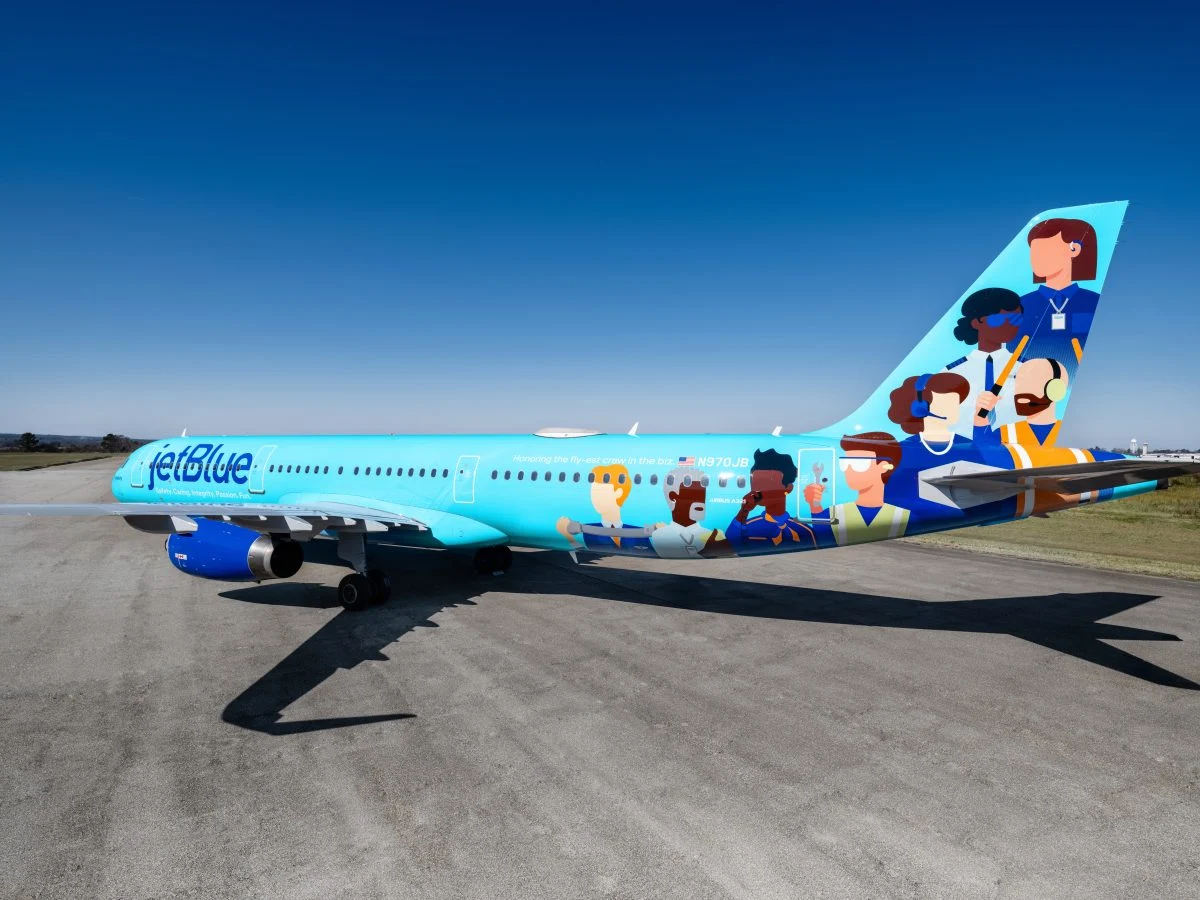
Among the first to capitalize on the vacuum was JetBlue Airways, which had already established a significant presence at FLL, albeit with a slightly more premium focus than Spirit. JetBlue wasted no time in announcing an ambitious expansion plan, declaring its intent to rapidly increase daily flights and introduce new routes, particularly targeting key leisure and business destinations previously served by Spirit. By March 2026, JetBlue had unveiled plans to add over 30 new daily departures from FLL, focusing on high-demand corridors to the Northeast (New York, Boston), critical Caribbean markets (San Juan, Santo Domingo), and strategic Latin American cities. The airline deployed larger aircraft, including its Airbus A321 fleet, and enhanced its ground operations to accommodate the increased volume. "Fort Lauderdale has always been a cornerstone of our network," stated Joanna Geraghty, JetBlue’s CEO, in a press conference shortly after Spirit’s collapse. "We are committed to serving the South Florida community with our award-winning service and extensive network, and we see an unparalleled opportunity to deepen our roots here and provide seamless connectivity for both leisure and business travelers." JetBlue’s strategy aims to capture not only former Spirit customers willing to pay slightly more for enhanced service but also to attract new passengers seeking a more refined travel experience.
Frontier’s Rapid Rebuilding
While JetBlue targeted the mid-tier and premium leisure segments, Frontier Airlines moved swiftly to reclaim its position as a dominant ultra-low-cost option at FLL. Having scaled back some operations in previous years, Spirit’s departure presented Frontier with a clear path to aggressive expansion without direct ULCC competition from its former rival. Within weeks, Frontier announced a substantial increase in its FLL schedule, adding dozens of new routes, particularly to Midwestern and domestic leisure destinations that were staples of Spirit’s network. The airline’s "Low Fares Done Right" mantra resonated with value-conscious travelers eager to find an alternative. Frontier quickly initiated a hiring spree for FLL-based crew and ground staff, signaling a long-term commitment. "The demand for affordable air travel from Fort Lauderdale remains incredibly strong," a Frontier spokesperson affirmed in April 2026. "We are rapidly rebuilding our network here to ensure that budget-friendly options are readily available for everyone looking to fly to and from South Florida. We are confident in our ability to serve this market effectively and efficiently." Frontier’s strategy is a direct play for the market segment that Spirit once commanded, offering highly competitive base fares and a similar unbundled service model.
Breeze Airways and Allegiant Air: Flooding the Market with New Routes
Beyond the immediate actions of JetBlue and Frontier, the landscape was further enlivened by the strategic moves of Breeze Airways and Allegiant Air. Breeze, known for its innovative point-to-point model connecting underserved routes, saw FLL as a prime opportunity to expand its presence in Florida. The airline announced a slew of new routes from FLL to smaller, non-hub cities across the Southeast and Midwest, destinations often overlooked by larger carriers. Breeze’s "Nice" business model, offering bundled options and modern Embraer E190/195 and Airbus A220 aircraft, appeals to travelers seeking convenience and a fresh alternative. "Fort Lauderdale represents a critical growth market for Breeze," stated David Neeleman, CEO of Breeze Airways, "allowing us to bring ‘Seriously Nice’ service to more underserved communities and provide seamless connections to this vibrant region without the hassle of traditional hub-and-spoke models."
Similarly, Allegiant Air, a carrier renowned for its focus on leisure travel from smaller cities to popular vacation destinations, significantly ramped up its offerings from FLL. Allegiant’s model of infrequent, direct flights from smaller origin cities to popular tourist spots like Fort Lauderdale proved highly effective in capturing a specific demographic of vacationers. The airline introduced several new routes and increased frequencies on existing ones, particularly from Midwestern cities, providing a robust influx of tourist traffic. Allegiant’s strategy also extends to vacation packages, bundling flights with hotel stays and car rentals, appealing directly to the leisure traveler segment that FLL heavily relies upon.
Supporting Data and Market Dynamics: A Statistical Resurgence
The combined efforts of these carriers have quickly mitigated the initial downturn predicted for FLL. Early data from the Broward County Aviation Department indicates a robust recovery in passenger traffic. While Q1 2026 saw an understandable dip following Spirit’s collapse, preliminary Q2 2026 figures show passenger volumes recovering to approximately 90% of pre-collapse levels, with projections for Q3 and Q4 indicating a potential surpassing of previous records. The airport reported an increase in the total number of unique destinations served, largely due to Breeze’s niche route strategy and the diversified offerings from JetBlue and Frontier.
- Route Network Expansion: Over 75 new routes or significantly increased frequencies were announced by the end of Q2 2026, collectively offered by the new and expanding carriers.
- Airline Market Share Shift (Post-Spirit, Q2 2026 Est.):
- JetBlue: Estimated 25-30% (up from 15%)
- Frontier: Estimated 18-22% (up from 8%)
- Southwest: Estimated 12-15% (stable/slight increase)
- American/Delta/United: Stable, slight increases in capacity
- Breeze/Allegiant/Other: Collectively 15-20% (significant growth)
- Economic Impact: The swift recovery has translated into a resurgence of employment opportunities, with FLL and its airline partners actively recruiting for various positions. Local businesses in the hospitality and transportation sectors have reported a quicker-than-expected rebound in revenue.
- Infrastructure Adaptation: FLL has accelerated plans for gate reassignments and terminal optimizations to efficiently manage the increased and diversified traffic. Investments in baggage handling systems and improved passenger flow technologies are also underway, ensuring the airport can handle the new operational demands.
Official Responses and Stakeholder Perspectives
The rapid transformation at FLL has been met with a mixture of relief and optimism from airport management and local government officials.
Mark Gale, CEO and Director of Aviation for FLL, acknowledged the initial challenge but praised the resilience of the airport and its new partners. "Spirit’s departure was undoubtedly a significant blow, but it also catalyzed an incredible period of growth and diversification for FLL," Gale stated in a recent industry forum. "We are immensely proud of our team’s swift response and the proactive engagement of our airline partners. Our strategy now focuses on ensuring sustainable growth, reducing over-reliance on any single carrier, and enhancing the overall passenger experience. FLL is not just recovering; it is evolving into a more robust and multifaceted international gateway."
Broward County Mayor Lamar Fisher emphasized the broader economic benefits. "The resurgence at FLL is critical for Broward County’s economy," Fisher commented. "It supports our tourism industry, creates jobs, and strengthens our position as a premier destination. We are committed to working closely with airport leadership and our airline partners to ensure FLL continues its trajectory as a world-class airport that serves our residents and visitors alike."
Industry analysts have largely lauded FLL’s ability to pivot so effectively. "Fort Lauderdale has become a textbook case study in airport resilience," noted aviation consultant Dr. Evelyn Stone. "The aggressive entry of JetBlue and Frontier, coupled with the strategic niche plays by Breeze and Allegiant, demonstrates the inherent attractiveness of the South Florida market. While pricing competition will be fierce, ultimately, consumers will benefit from more choices and potentially lower fares, at least in the short to medium term." Dr. Stone also highlighted the importance of FLL’s pre-existing infrastructure and its strategic geographic location, which made it an irresistible target for carriers looking to expand their networks.
Broader Impact and Future Implications
The "Life After Spirit" narrative at FLL holds significant implications for various stakeholders and the broader aviation industry.
For travelers, the immediate future promises an array of choices. The competitive environment means that while the ultra-low-cost model remains robust through Frontier, passengers now have more options for mid-tier service with JetBlue and niche connectivity with Breeze and Allegiant. This diversification can lead to more tailored travel experiences, though it may also necessitate more careful comparison shopping for fares and amenities. The increase in direct flights, particularly from smaller cities, enhances accessibility to South Florida, boosting tourism.
For FLL’s identity, the airport is shedding its image as primarily a ULCC hub. It is transforming into a more balanced gateway, serving a wider spectrum of travelers from budget-conscious vacationers to business travelers and those seeking a more premium experience. This diversification strengthens FLL’s position in the highly competitive South Florida aviation market, providing a buffer against future airline volatility.
Regionally, the changes at FLL will inevitably influence its neighboring airports, Miami International (MIA) and Palm Beach International (PBI). While MIA primarily serves as a major international hub with a strong focus on full-service carriers and long-haul flights, and PBI caters to a more affluent, localized market, the increased activity at FLL could lead to some competitive adjustments. Carriers at MIA might observe FLL’s success and consider expanding their own leisure-oriented offerings, while PBI might feel pressure to enhance its connectivity to avoid being overshadowed.
The lessons learned from Spirit’s collapse and FLL’s subsequent recovery are profound for the entire airport industry. It underscores the critical importance of fostering a diverse airline portfolio rather than over-relying on a single dominant carrier, even one that brings substantial traffic. It also highlights the agility and strategic planning required from airport authorities to navigate sudden market disruptions.
Looking ahead, the future of Fort Lauderdale-Hollywood International Airport appears robust, dynamic, and significantly more diversified than its past. While the memory of Spirit Airlines’ dominance will linger, its absence has paradoxically paved the way for an era of unprecedented competition and growth, cementing FLL’s role as a vital, resilient, and ever-evolving hub in the global aviation network. The "new battle for South Florida" is well underway, and FLL is demonstrably winning its next chapter.


 Chandra Hamzah
 Tatiana Tantri Indah Sari
 Budi Mulyono
 Anjar Salim