
 Walid Sujud Trenggono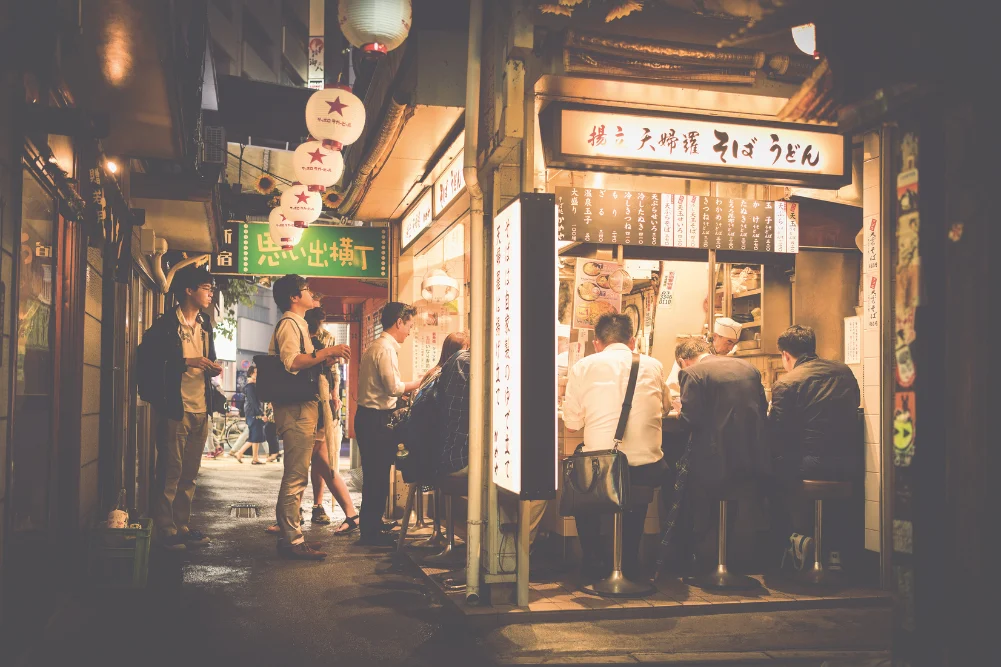
The narrative of international relocation and solo exploration often serves as a catalyst for profound personal development, a phenomenon exemplified by the experiences of expatriates returning to childhood environments. For many who grew up in the trans-Pacific corridor during the late 20th century, Japan represented a unique intersection of ancient tradition and rapid modernization. The journey of one such expatriate, transitioning from a dependent child in 1982 to a solo law intern in the late 1990s, highlights the complexities of cultural integration, the evolution of female solo travel, and the physical dangers inherent in Japan’s rugged topography. Central to this journey is a documented ascent of Mount Fuji, which nearly resulted in tragedy within the dense wilderness of the Aokigahara, colloquially known as the "Forbidden Forest."
Historical Context: The Expat Experience and the Evolution of Travel
The era of the early 1980s marked a significant period for Western expatriates in East Asia. As Japan’s "bubble economy" began its ascent, multinational corporations increased their presence in Tokyo, leading to a surge in foreign families relocating to the capital. For the children of these professionals, often referred to as "Third Culture Kids," the experience was defined by long-haul aviation and a sensory immersion in a culture vastly different from their countries of origin.
By the 1990s, the landscape of travel had shifted. Historical data indicates that in the mid-19th century, approximately 95 percent of passports were issued to men, with women typically traveling under the protection of a husband or father. The late 20th century, however, saw a dramatic rise in solo female travel. This shift was not merely logistical but sociological, representing a departure from traditional principles that often viewed women traveling alone as an anomaly. The return of former expatriates to Japan as solo adults in the 1990s underscores a broader trend of "heritage travel," where individuals seek to reconcile childhood memories with adult realities.
Chronology of Integration: From 1982 to the Late 1990s
The timeline of this specific engagement with Japanese culture spans nearly two decades, illustrating a progression from superficial observation to deep professional immersion.
1982: The Initial Relocation
The initial move to Japan in the early 1980s was characterized by the typical stressors of international relocation. For a ten-year-old, the transition involved a sensory shift: the smell of yakitori smoke, the complex efficiency of Tokyo’s transit systems, and the linguistic barrier of a non-Indo-European language. This period laid the foundational "seedling" for a life defined by adventure and a high tolerance for cultural discomfort.
Early 1990s: The First Solo Return
A pivotal moment occurred in the early 1990s when the subject returned to Tokyo for a four-week senior project. This trip marked the transition to independent navigation. It was during this period that the psychological weight of the passport as a "Declaration of Independence" became evident. The logistical challenges of navigating narrow Tokyo streets and managing heavy luggage without assistance served as early tests of physical and mental stamina.
Late 1990s: Professional and Cultural Immersion
By the late 1990s, the subject had entered law school and secured an internship at a multinational company in Tokyo. This phase required a sophisticated understanding of Gaijin (foreigner) status. In a homogenous society, the term Gaijin—composed of the kanji for "outside" and "person"—reflects a structural reality rather than a necessarily derogatory sentiment.
The internship provided a laboratory for observing Japanese business etiquette, specifically the "rituals of the office." Key observations included:
- Meishi-koukan: The formal exchange of business cards, where the orientation and handling of the card signify respect and hierarchy.
- Keigo: The use of honorific language to soften tones and demonstrate social awareness.
- Saving Face: A core cultural tenet where negotiations and interactions are structured to avoid public embarrassment for any party.
The Mount Fuji Incident: A Case Study in Preparation and Risk
The most significant challenge of this period was an impromptu attempt to summit Mount Fuji (Fuji-san), Japan’s highest peak at 3,776 meters. While Mount Fuji is a popular destination for hikers, its terrain is notoriously unforgiving, particularly for those lacking technical gear and mountain-specific training.
The Ascent
In mid-summer, the subject and a companion attempted a one-day climb starting from the "base camp" (likely the 5th Station). Despite warnings from Japanese colleagues regarding the "Forbidden Forest," the pair proceeded with minimal preparation, utilizing standard running shoes and plastic rain ponchos purchased on-site.
The ascent of Mount Fuji is divided into ten stations. The path from the 5th Station to the summit involves steep volcanic rock and rapidly changing weather patterns. As the climbers reached the crater, they encountered high winds and significant drops in temperature, common at high altitudes even in summer.
The Descent and Disorientation
The danger manifested during the descent. Mount Fuji is surrounded by Aokigahara, a 35-square-kilometer forest formed on hardened lava. The density of the trees and the magnetic properties of the volcanic rock can interfere with compasses and cellular signals, earning it the "Forbidden Forest" moniker.
As darkness fell and physical exhaustion set in—specifically "trashed" knees from the repetitive impact of the descent—the hikers lost their orientation. This stage of the journey highlights a critical psychological threshold in solo and small-group travel: the transition from "bravado" to "unraveling."
Rescue and the Principle of Omotenashi
The resolution of the crisis came through the intervention of a local resident. The hikers were discovered by a man equipped with a flashlight, who provided them with refuge in his home. This encounter serves as a primary example of Omotenashi, the Japanese philosophy of wholehearted hospitality. Despite the language barrier, the host provided hot ramen and hydration, eventually ensuring the travelers were placed on a bus back to the city.
This incident underscores a vital safety reality for hikers in Japan: the reliance on local knowledge and the benevolence of the community when formal preparation fails. It also serves as a stark reminder of why local warnings regarding the Aokigahara region are issued with such frequency.
Supporting Data: Tourism and Safety Trends
To understand the broader implications of this narrative, it is necessary to examine the data surrounding Japanese tourism and the popularity of Mount Fuji.
- Climbing Statistics: According to the Ministry of the Environment, the climbing season (July to early September) typically sees between 200,000 and 300,000 hikers. A significant percentage of these are foreign tourists who may underestimate the peak’s difficulty.
- Rescue Operations: Shizuoka and Yamanashi prefectural police report dozens of rescue calls annually on the mountain, often involving exhaustion, altitude sickness, or disorientation in the lower forested areas.
- Solo Female Travel Growth: Recent industry reports from organizations like TripAdvisor and Booking.com show a 52% increase in solo female travel bookings over the last decade, with Japan consistently ranking as a top destination due to its low crime rate and efficient infrastructure.
Analysis of Implications: Resilience and Intuition
The "Forbidden Forest" incident serves as more than a cautionary tale regarding mountain safety; it is a metaphor for the challenges of navigating an "outside" life. The subject’s eventual reflection suggests that the most difficult forests are often mental—challenges that appear insurmountable due to a lack of experience or fear of the unknown.
The Role of Resilience
Resilience in the context of solo travel is defined by the ability to move forward when the path is no longer visible. The "one step at a time" approach adopted during the descent from Fuji-san is a standard psychological coping mechanism used in survival situations to prevent cognitive overload.
Cultural Literacy as a Safety Tool
The subject’s ability to communicate in basic Japanese and her understanding of cultural cues were instrumental in navigating her professional life and, arguably, in facilitating her rescue. This highlights the importance of cultural literacy for expatriates; knowing how to ask for help and how to receive it within the local social framework is a critical skill.
Conclusion: The Compass of Trust
The journey from a ten-year-old expat to a law intern who survived the slopes of Mount Fuji illustrates the profound impact of international exposure. While the physical "Forbidden Forest" remains a place of mystery and potential danger, the experience of being lost within it provided the subject with a "compass of trust."
Journalistic analysis of such narratives suggests that solo travel remains one of the most effective methods for developing self-reliance. However, the Mount Fuji incident also serves as a factual reminder of the necessity of preparation. In the intersection of adventure and risk, the most successful travelers are those who balance their "bravado" with a deep respect for the environment and the cultural warnings of those who know the land best. The transition from being a Gaijin on the outside to an individual who trusts their own intuition is the ultimate destination of any solo journey.


 Anjar Salim
 Dwi Wanna
 Budi Mulyono
 Lukman Taruna Persada Ramadan
 Chandra Hamzah
 Gabriela Annisa