
 Gabriela Annisa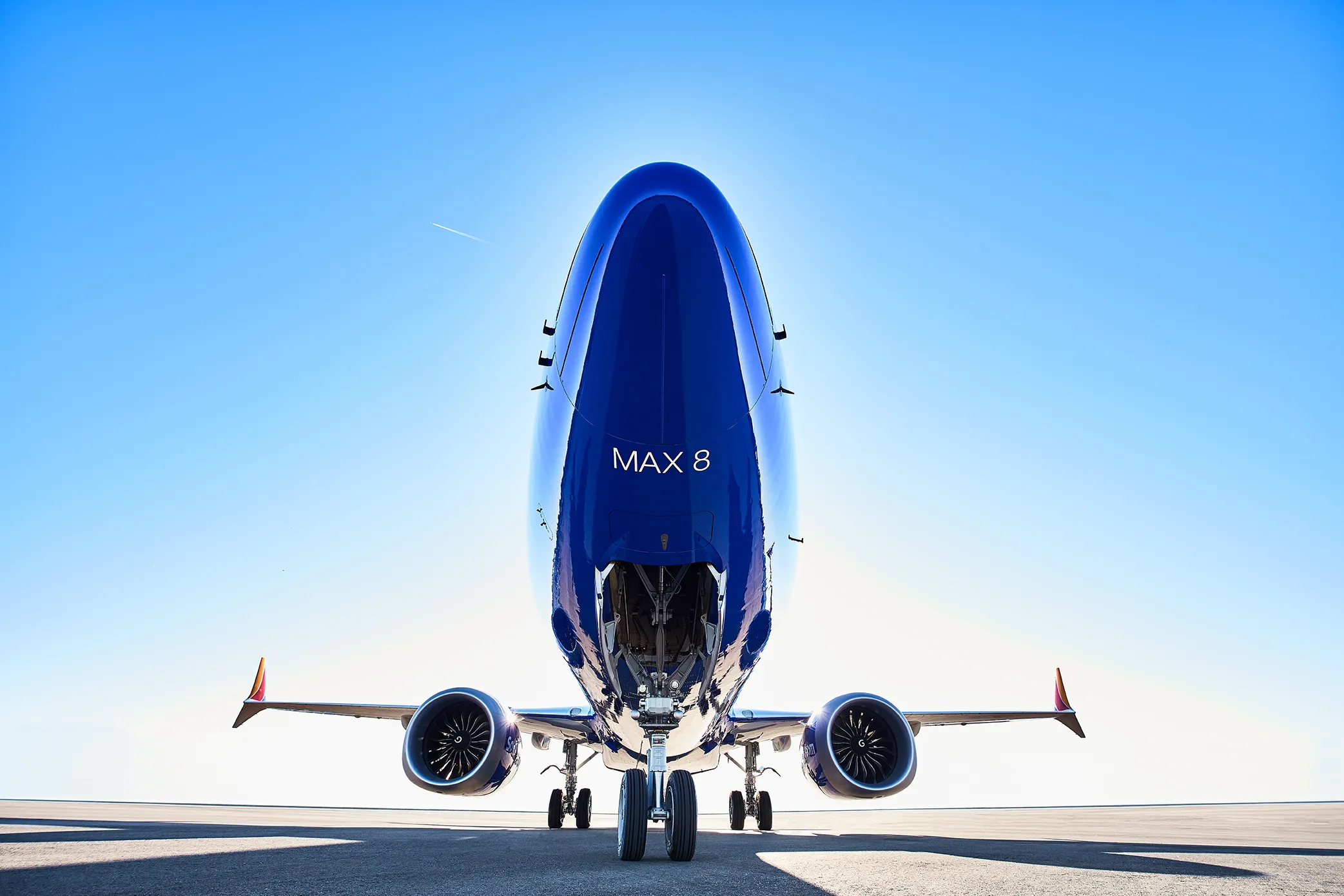
The first quarter earnings season for U.S. carriers has unveiled a stark dichotomy within the aviation industry, separating companies demonstrating robust financial health and strategic prowess from those grappling with persistent operational and market challenges. This divergent performance, as highlighted by industry observers like Skift airlines reporter Meghna Maharishi in discussions with veteran aviation analyst Gordon, forms the bedrock of an increasingly dynamic and complex landscape. Beyond the quarterly figures, the sector is abuzz with renewed merger speculation and the potential for significant geopolitical events, such as a U.S. presidential visit to China, to trigger massive aircraft orders, reshaping global trade balances and manufacturer backlogs.
Divergent Performance Defines Q1 Earnings Season
The initial three months of the fiscal year, typically a period of post-holiday recalibration and setting the tone for the year ahead, have presented a mixed bag for U.S. airlines. While some carriers reported impressive revenue growth, strong profit margins, and optimized operational efficiencies, others struggled with escalating costs, softer demand in specific segments, and capacity management issues. This "profit gap" underscores fundamental differences in business models, route network strategies, fleet modernization efforts, and adaptability to evolving market conditions.
The Standouts: Strategic Resilience and Market Alignment
Carriers classified as "standouts" in Q1 typically exhibited several common traits. They demonstrated a keen ability to match capacity with demand, particularly in premium and international segments which have shown resilient growth. Many benefited from successful revenue management strategies, leveraging dynamic pricing and ancillary services to maximize yield per passenger. Strong operational reliability, fewer cancellations, and punctuality translated directly into higher customer satisfaction and reduced disruption-related costs.
For example, a leading network carrier might have reported a 15-20% year-over-year increase in revenue, driven by robust international bookings and a rebound in business travel. Their operating margins could have comfortably exceeded industry averages, propelled by effective fuel hedging strategies put in place months prior and stringent cost controls. These airlines often have a diversified revenue stream, less reliance on a single market, and a younger, more fuel-efficient fleet that minimizes operational expenses. Their success is often attributed to disciplined capital allocation, investments in customer experience, and a stable labor environment. Executives from these carriers would likely have expressed cautious optimism for the remainder of the year, citing strong forward bookings and continued demand trends, albeit acknowledging potential macroeconomic headwinds.
The Strugglers: Navigating Headwinds and Operational Hurdles
Conversely, airlines identified as "strugglers" in Q1 faced a more challenging environment. These carriers often contended with higher operational costs, including elevated fuel prices (if less effectively hedged), increased labor expenses due to new contracts or ongoing negotiations, and maintenance costs associated with older fleets. Some might have overextended on capacity, leading to lower load factors and increased competitive pressure on fares in certain domestic markets. Operational disruptions, whether due to weather, air traffic control issues, or staffing shortages, likely exacerbated financial pressures through compensation, rebooking costs, and reputational damage.
A struggling carrier might have reported only marginal single-digit revenue growth, or even a slight decline in certain segments, accompanied by thin or negative operating margins. Their balance sheets might show increased leverage, limiting their flexibility for future investments or market expansion. Leadership at these airlines would likely have communicated a focus on cost reduction, network optimization, and improving operational resilience, often acknowledging a challenging competitive landscape and the need for strategic adjustments to regain profitability. The Skift Travel 200 (ST200), an index tracking the financial performance of nearly 200 global travel companies, would likely reflect these disparities within its airlines sector component, showing a widening spread between the top and bottom performers.
The Persistent Whispers of Airline Consolidation
The U.S. airline industry has a long history of consolidation, often emerging stronger but with fewer major players after periods of economic strain or strategic reevaluation. Significant mergers in past decades, such as Delta Air Lines’ acquisition of Northwest Airlines in 2008, United Airlines’ merger with Continental Airlines in 2010, and American Airlines’ combination with US Airways in 2013, reshaped the competitive landscape, creating larger, more resilient global networks.
Historical Context and Drivers:
The primary drivers for airline mergers typically include achieving economies of scale, expanding route networks, gaining market share, reducing competitive pressures, and realizing cost synergies through shared infrastructure, personnel, and fleet commonality. Post-pandemic, with varying degrees of recovery and financial health across carriers, the conditions for renewed merger discussions often become ripe. Weaker players may seek stability and a stronger financial backing, while robust carriers may look for strategic acquisitions to expand their footprint, gain access to new markets, or integrate complementary business models, such as low-cost carriers merging with more traditional full-service airlines.
Current Speculation and Potential Implications:
Merger chatter in the current environment often revolves around mid-sized carriers or those facing persistent profitability challenges. Industry analysts suggest that consolidation could lead to further network optimization, potentially improving efficiency for the merged entity. However, such moves are always met with scrutiny from antitrust regulators, particularly the Department of Justice, which evaluates the potential impact on consumer choice, airfares, and overall market competition. Labor unions also play a significant role, as mergers often entail complex integration of workforces, seniority lists, and collective bargaining agreements.
For consumers, consolidation can present a double-edged sword. While a larger, more stable airline might offer an expanded route network and potentially more seamless travel experiences, reduced competition on specific routes could lead to higher fares over time. Regulators would need to weigh these potential benefits against the risks of reduced consumer welfare and market concentration. The mere possibility of a merger can influence stock prices of potential targets and acquirers, leading to market volatility as investors speculate on outcomes.
Geopolitics and the Potential for a Major Boeing Order
Beyond the domestic industry dynamics, global geopolitics continue to cast a significant shadow, particularly in the realm of large-scale aircraft procurement. The potential for a major Boeing order following a U.S. presidential visit to China underscores the intricate link between international diplomacy, trade relations, and the aerospace manufacturing sector.
President Trump’s Visit to China and Trade Diplomacy:
Historically, state visits by U.S. presidents to major trading partners like China have often been accompanied by announcements of significant commercial deals, serving as tangible demonstrations of strengthening economic ties and diplomatic success. For the U.S., such deals are vital for boosting exports, supporting domestic manufacturing jobs, and improving the trade balance. For China, large-scale purchases from American companies can be a goodwill gesture, a strategic move to diversify its supply chain, and a practical response to its rapidly expanding aviation market.
Boeing’s Crucial Role:
Boeing, as one of America’s largest exporters and a critical employer, is often at the forefront of these trade discussions. China represents one of the world’s most vital and fastest-growing markets for commercial aircraft. Its burgeoning middle class, expanding domestic tourism, and increasing international travel necessitate a continuous modernization and expansion of its airline fleets. Chinese airlines are significant customers for both Boeing and its European rival, Airbus, often balancing orders between the two giants for strategic reasons.
The Scale of a Potential Order:
A "major" Boeing order resulting from a presidential visit could realistically involve hundreds of aircraft, spanning both narrow-body jets like the 737 MAX family (for domestic and regional routes) and wide-body aircraft such as the 787 Dreamliner or 777X (for long-haul international routes). Such an order could be valued in the tens of billions of dollars at list prices, though airlines typically receive significant discounts. These orders are usually announced as Memoranda of Understanding (MOUs) or Letters of Intent (LOIs) initially, followed by firm orders over time.
Motivations and Implications:
For China, acquiring a substantial number of new aircraft serves multiple purposes: meeting surging passenger demand, replacing older, less fuel-efficient aircraft, and enhancing the capabilities of its national carriers. For Boeing, such an order would significantly bolster its production backlog, provide stability for its workforce and extensive supply chain (which includes thousands of suppliers globally), and reinforce its position in a fiercely competitive global market.
The broader implications extend to U.S.-China trade relations, demonstrating a willingness from both sides to engage in mutually beneficial economic activity, potentially easing broader trade tensions. It would also have ripple effects across the aerospace industry, influencing component manufacturers, maintenance providers, and even pilot training programs. The timing of such an announcement, typically during or immediately following the diplomatic event, is crucial for maximizing its political and economic impact.
The Skift Travel 200: A Comprehensive Industry Barometer
Amidst these dynamic shifts, the Skift Travel 200 (ST200) serves as an invaluable benchmark for understanding the broader health and specific trends within the global travel industry. By combining the financial performance of nearly 200 publicly traded travel companies worldwide, representing over a trillion dollars in market capitalization, the ST200 offers a consolidated view of the sector’s economic pulse. Its airlines sector component specifically tracks network carriers, low-cost carriers, and other related aviation companies, providing a granular perspective on the profit gaps, market capitalization changes due to merger speculation, and the impact of large aircraft orders on manufacturer valuations. The rigorous methodology behind the ST200 ensures that its insights are robust and reflective of real-world market conditions, making it a critical tool for investors, industry analysts, and policymakers.
In conclusion, the U.S. airline industry is navigating a complex period marked by significant internal disparities in performance, continuous strategic re-evaluation through potential consolidation, and the profound influence of global geopolitical developments on its future growth and stability. The Q1 earnings season has illuminated these internal contrasts, while the persistent dialogue around mergers and high-stakes trade deals underscores the industry’s inherently interconnected and evolving nature. As the year progresses, all eyes will remain on how these intertwined factors continue to shape the trajectory of commercial aviation.



 Budi Mulyono
 Lukman Taruna Persada Ramadan
 Anjar Salim
 Chandra Hamzah
 Susilo Edi Turonggo