Diana Nuri Rohmawati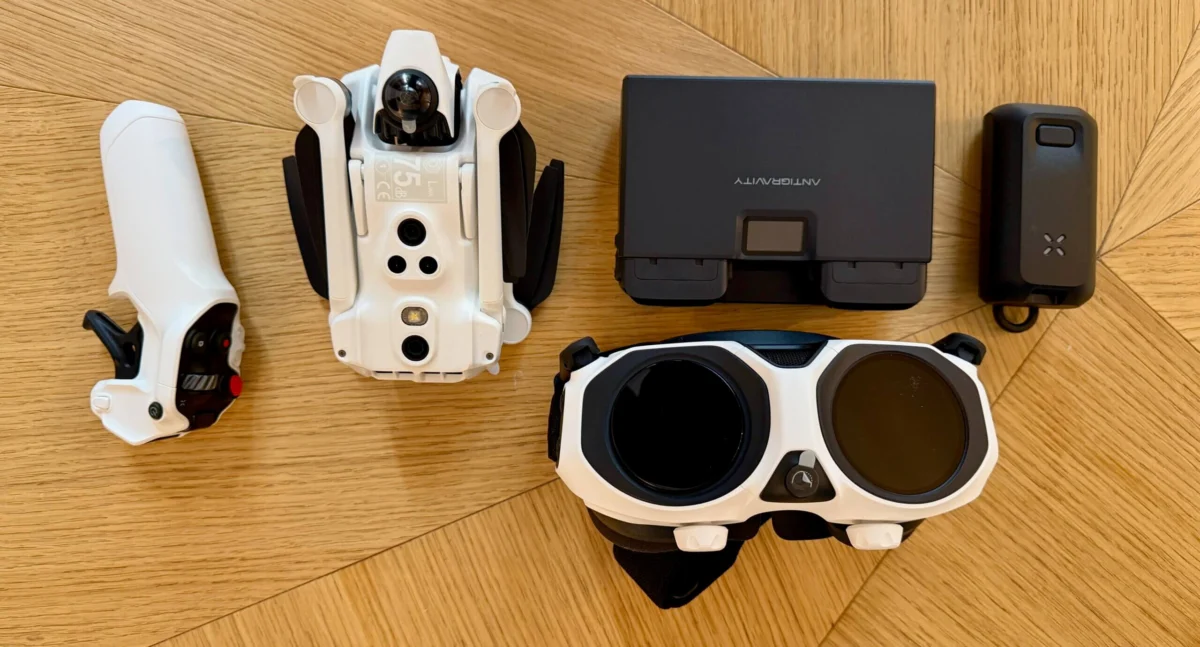
The release of the Antigravity 360 A1 in late 2025 marked a significant turning point in the consumer drone industry, signaling a transition from traditional mechanical stabilization toward a software-defined, immersive capture model. For over a decade, the drone market was dominated by single-lens systems stabilized by three-axis mechanical gimbals—complex components that, while effective, remained the most fragile part of any aircraft. The Antigravity A1 attempts to render this traditional architecture obsolete for a broad segment of content creators by leveraging a dual-lens 360-degree capture system. By recording the entire spherical environment simultaneously, the A1 introduces a "fly now, frame later" workflow, fundamentally changing the relationship between the pilot, the aircraft, and the final cinematic output.
Technical Specifications and the Weight Threshold Strategy
The engineering of the Antigravity A1 is centered on a critical regulatory benchmark: the 250-gram weight limit. Under the current aviation frameworks established by the Federal Aviation Administration (FAA) in the United States and the European Union Aviation Safety Agency (EASA), drones weighing 250 grams or more are subject to mandatory registration and stricter operational constraints. By engineering the A1 to weigh exactly 249 grams with its standard Intelligent Flight Battery, Antigravity has positioned the device as a high-performance tool that bypasses the bureaucratic hurdles associated with commercial-grade equipment.
The structural integrity of the aircraft is maintained through the use of high-grade carbon-fiber-reinforced polymer. This material choice provides a superior strength-to-weight ratio compared to the ABS plastics commonly found in the sub-250g category. The design features a "cinewhoop" configuration—a compact, stable frame often used for flying in proximity to people or through tight indoor spaces. When folded, the A1 occupies a footprint roughly equivalent to a modern flagship smartphone, though with a thickness of approximately three times that of a mobile device, ensuring high portability for field journalists and travel creators.
The Dual-Lens Optical Array and Sensor Performance
At the core of the A1’s disruptive potential is its optical system. Unlike conventional drones that utilize a single forward-facing camera, the A1 utilizes two ultra-wide-angle lenses positioned on the top and bottom of the central fuselage. Each lens captures a 200-degree field of view. Through real-time onboard processing, these two hemispherical images are stitched together, creating a seamless 360-degree digital sphere.
The hardware utilizes 1/1.28-inch CMOS sensors. While these are smaller than the 1-inch sensors found on "Pro" level photography drones like the DJI Mavic series, they represent a significant upgrade over the 1/2.3-inch or 1/2-inch sensors typically found in 360-degree action cameras. The larger surface area of the A1’s sensors allows for improved light gathering, which translates to a higher dynamic range and reduced noise in low-light environments. This is particularly relevant for creators filming during the "golden hour" or in high-contrast urban settings where traditional small-sensor cameras often struggle to retain detail in shadows and highlights.
Furthermore, the A1 employs advanced "FlowState" stabilization algorithms. By using internal gyroscopes to track the drone’s orientation in 3D space, the software can keep the horizon level and the footage steady regardless of the aircraft’s physical tilt or buffeting from wind. This electronic stabilization replaces the need for a mechanical gimbal, reducing the drone’s weight and increasing its crash durability.
Immersive Flight: The Human-Machine Interface
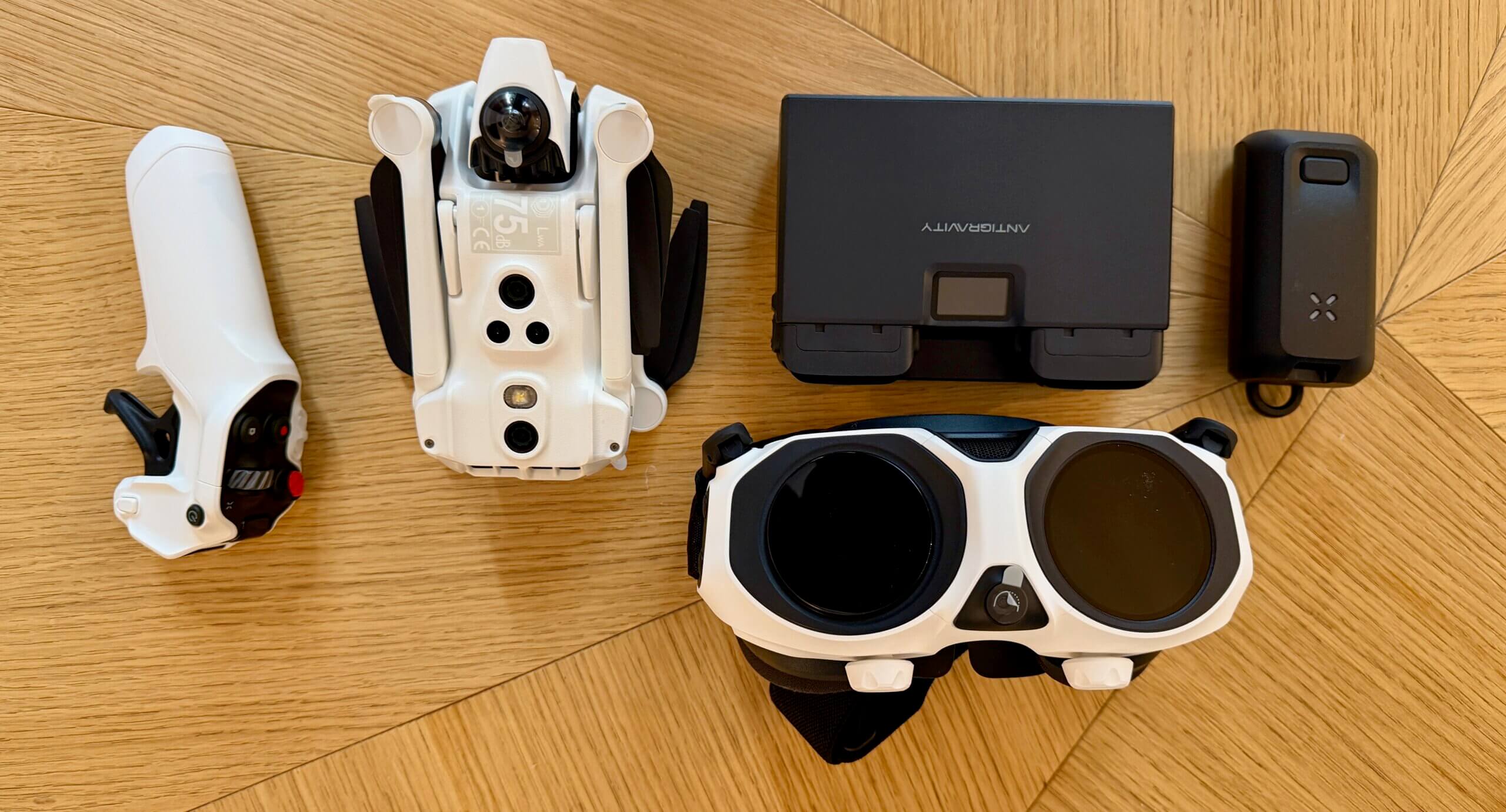
The Antigravity A1 is packaged with an immersive flight system consisting of vision goggles and a single-handed motion controller. The goggles feature dual 4K micro-OLED displays with a 120Hz refresh rate, providing a high-fidelity, low-latency feed that is essential for precision maneuvering.
One of the most significant innovations in the A1 is the integration of head-tracking technology. Because the drone records in a full 360-degree sphere, the pilot is not limited to a fixed forward view. As the pilot rotates their head, the goggle feed pans accordingly within the recorded sphere. This spatial awareness allows pilots to navigate complex environments with a level of peripheral vision previously unavailable in consumer flight.
The control scheme further simplifies the entry barrier for novice pilots. The motion controller translates hand gestures into flight commands: pointing the controller directs the drone’s path, while a trigger mechanism controls acceleration. For experienced First Person View (FPV) pilots, the A1 remains compatible with traditional "Mode 2" dual-stick controllers, allowing for manual acrobatic maneuvers. However, industry analysts note that the intuitive nature of the motion control system is likely to broaden the drone’s appeal to non-specialist creators.
Software Ecosystem and Post-Production Efficiency
The "Antigravity Studio" application serves as the primary gateway for data management and editing. The app facilitates wireless downloads at speeds of up to 80MB/s, addressing a common bottleneck in high-resolution video production. The "reframe" feature allows users to act as a virtual cinematographer after the flight is completed. By moving a smartphone or using a desktop interface, the editor can choose the specific angle, zoom level, and framing of the shot from within the captured 360-degree environment.
Artificial Intelligence plays a pivotal role in the A1’s ecosystem. The "Auto-Frame" tool utilizes machine learning to identify human subjects, vehicles, or animals within the footage. It then automatically generates a stabilized edit that tracks the subject throughout the flight. This effectively provides solo creators with the capabilities of a multi-person camera crew, ensuring that the subject is never out of frame, even if the drone was flying in a different direction at the time of capture.
Comparative Analysis: Battery Life and Flight Dynamics
Despite the advancements in software and optics, battery density remains a limiting factor for small-scale aircraft. The A1’s standard battery provides approximately 24 minutes of theoretical flight time, though real-world testing in moderate wind conditions typically yields 19 to 20 minutes of active recording.
However, Antigravity argues that the "efficiency of capture" compensates for the shorter flight times. In traditional drone cinematography, a pilot might need to fly a specific path multiple times to capture a wide shot, a close-up, and a tracking shot. With the A1, all these perspectives are captured in a single pass, as the 360-degree data can be cropped into multiple different shots during post-production. For users requiring extended endurance, an optional "Pro Battery" increases flight time to 39 minutes, though this pushes the aircraft’s weight beyond the 250g registration threshold and slightly reduces its agility.
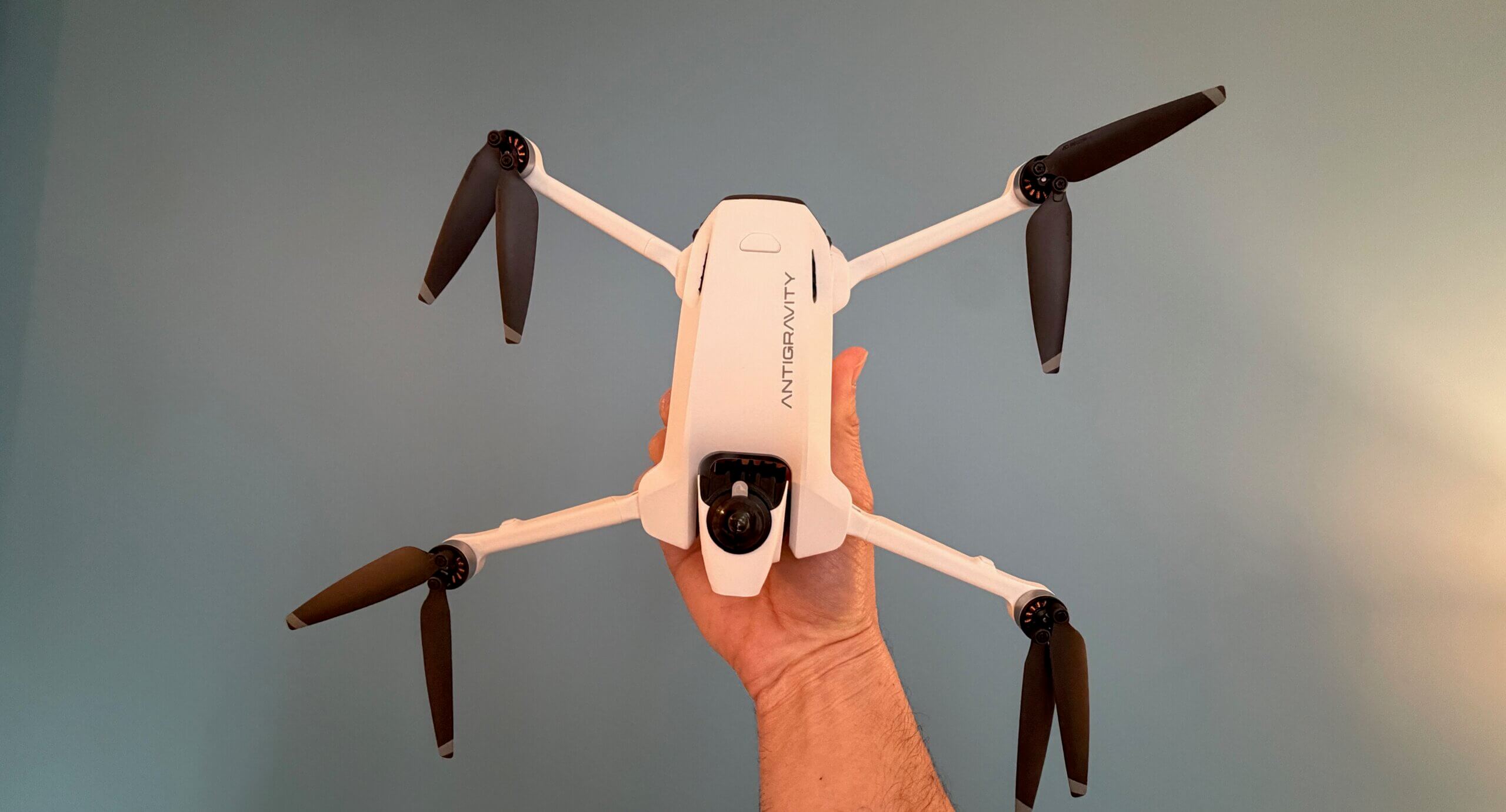
In terms of performance, the A1 is classified as a "cinewhoop," meaning it is designed for stability and predictable flight rather than raw speed. With a top speed of 36 mph, it is capable of following most cyclists or slow-moving vehicles but is not intended for high-speed racing. A notable safety feature is "Turtle Mode," which allows the drone to use its motors to flip itself over if it lands upside down after a minor collision, allowing for an immediate return to flight.
Market Context and Broader Implications
The introduction of the Antigravity 360 A1 occurs at a time of increased scrutiny regarding drone privacy and safety. By moving toward a 360-degree capture model, the industry is shifting the focus from "piloting" to "storytelling." Market analysts from firms like Gartner suggest that the gimbal-less design may become the standard for the "prosumer" market within the next five years, as it reduces mechanical failure points and simplifies the manufacturing process.
The A1 also has implications for the virtual reality (VR) and metaverse sectors. The 8K spherical footage produced by the drone is natively compatible with VR headsets, providing a high-resolution source of "travel-from-home" content. As high-speed 5G and 6G networks continue to expand, the potential for real-time 360-degree streaming from drones could revolutionize live news reporting and emergency response.
Conclusion: A New Paradigm for Aerial Media
The Antigravity 360 A1 represents a move toward the "democratization of the complex shot." By automating the framing process and providing a rugged, registration-free platform, it removes many of the technical barriers that have historically prevented creators from utilizing aerial perspectives.
While the image quality of a reframed 360-degree shot does not yet match the raw bitrate of a dedicated 4K or 8K fixed-lens cinema drone, the trade-off is found in the absolute creative freedom of the post-production process. The A1 is not merely a drone; it is a flying sensor array that captures a moment in its entirety, allowing the human element—the director—to find the story within the data long after the props have stopped spinning. As software continues to evolve, the distinction between "flying a camera" and "capturing an environment" will likely continue to blur, with the Antigravity A1 serving as an early architect of that future.



 Chandra Hamzah
 Gabriela Annisa
 Tatiana Tantri Indah Sari
 Budi Mulyono
 Anjar Salim