
 Anjar Salim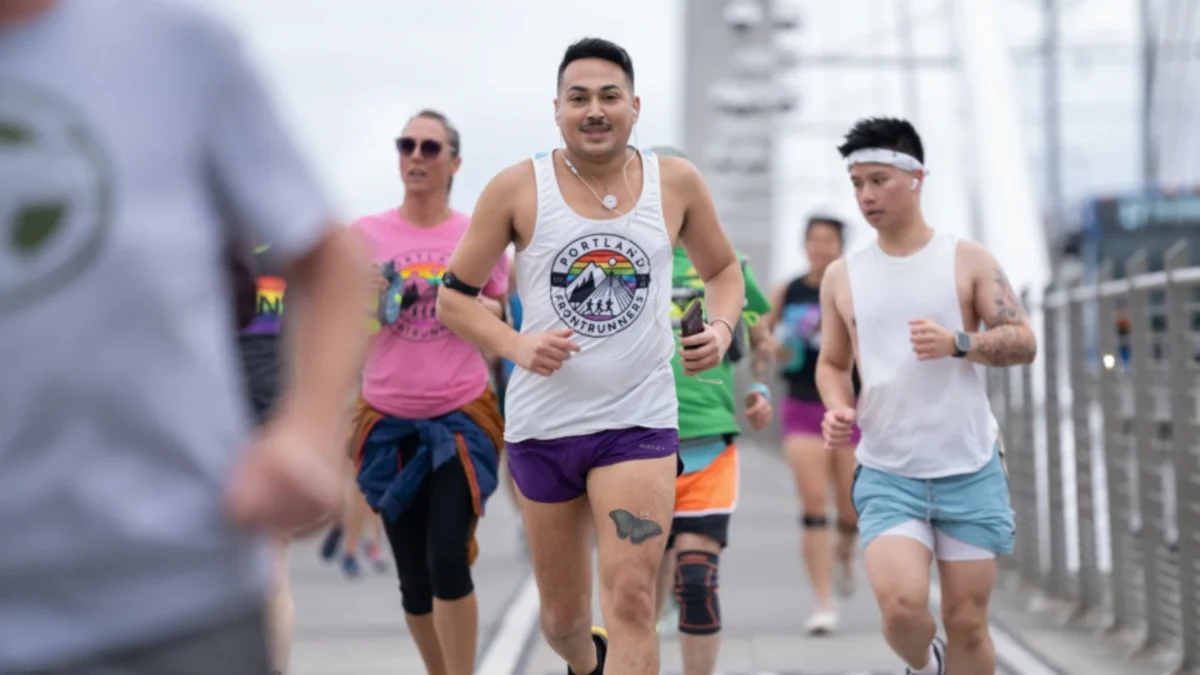
The landscape of American distance running undergoes a vibrant transformation every June as thousands of athletes take to the streets to commemorate Pride Month, an annual observance rooted in the quest for civil rights and social equity for the LGBTQIA+ community. While June is now synonymous with rainbow-themed apparel, festive parades, and community joy, the origins of these celebrations are found in the crucible of social unrest. In June 1969, a law enforcement raid on the Stonewall Inn in New York City’s Greenwich Village ignited a series of protests and riots that served as the catalyst for the modern gay rights movement. What began as a defensive action against systemic harassment evolved into a global revolution, eventually leading to the reclamation of June as a month of visibility. Today, that visibility is increasingly expressed through organized athletics, with Pride Runs serving as vital fundraising and community-building platforms.
The Historical Intersection of Running and LGBTQIA+ Activism
The integration of organized running into Pride Month festivities did not occur immediately following the events at Stonewall. It took thirteen years of grassroots organizing before the first sanctioned Pride Run was established. In 1982, Front Runners New York, in collaboration with the New York Road Runners (NYRR) and city officials, inaugurated a four-mile race through Central Park. This event marked a significant milestone in sports history, as it was one of the first times a major metropolitan athletic organization officially partnered with an LGBTQIA+ group to host a high-profile competition.
Since that inaugural race, the concept of the Pride Run has expanded from a niche community event into a nationwide phenomenon. The growth of these races mirrors the broader mainstreaming of Pride Month itself. According to industry data, the number of Pride-themed races in the United States has seen a steady increase of approximately 15% annually over the last decade. These events are no longer confined to major coastal hubs like New York and San Francisco; they have become staples in mid-sized cities and suburban communities, reflecting a shifting cultural tide toward inclusivity in fitness and recreation.
A Chronological Survey of Key 2026 Pride Running Events
The 2026 calendar year features a diverse array of races, ranging from competitive 10Ks to accessible 5K "fun runs." These events are strategically scheduled throughout the month of June to maximize participation and community impact.
The season begins with the Run & Walk with Pride in Seattle, Washington. Organized by the Seattle Front Runners in partnership with Seattle Pride, this event offers 4K and 8K distances around Seward Park. The choice of non-standard distances is intentional, often allowing runners to achieve personal records (PRs) in categories they rarely compete in, while supporting local advocacy.
In New York, the Rainbow Run 5K at Eisenhower Park serves as a critical fundraiser for PFY (formerly Pride for Youth), a division of the Long Island Crisis Center. This event highlights the growing importance of regional races in supporting localized social services, particularly those focused on crisis intervention and youth advocacy.
California remains a central hub for these activities. The Los Angeles Front Runners Pride Run, now in its 43rd year, continues to be a pillar of the West Coast athletic scene. The 2026 iteration includes both 5K and 10K courses through Griffith Park. Proceeds from this event are distributed among several beneficiaries, including the Friends of Griffith Park and ProjectQ Salon & Community Center, a queer POC-owned organization providing essential services to marginalized populations.
Similarly, the San Francisco Front Runners Pride Run remains one of the country’s premier events. Volunteer-led and highly organized, the 2026 race focuses its fundraising efforts on the Rafiki Coalition. This partnership is particularly noteworthy as it addresses health inequities within San Francisco’s Black and LGBTQIA+ communities, demonstrating how athletic events can target specific socio-economic disparities.
Midwestern and Eastern Expansion: 2026 Highlights
The Midwest has seen a surge in participation, with Chicago hosting multiple high-profile events. The Brooks Pride Run Chicago, a Monday evening event hosted by Fleet Feet Lakeview, emphasizes community engagement through "artistic activism," where participants decorate sidewalks with Pride messages following a fun run. For those seeking a more competitive atmosphere, the Over the Rainbow Proud to Run 5K and 10K at Montrose Beach provides a chip-timed experience that benefits various Chicago-based non-profits.
In the Northeast, the Poughkeepsie Pride 5K Run, organized by Fleet Feet Poughkeepsie, serves as an untimed fun run designed to foster a "safe space" environment. The proceeds benefit the Dutchess Pride Center, which provides resources for LGBTQIA+ individuals in the Hudson Valley region. This model of the "fun run" is increasingly popular as it lowers the barrier to entry for non-athletes, prioritizing community solidarity over competitive performance.
The flagship event remains the Front Runners New York LGBTQ+ Pride Run. This four-mile race in Central Park is a cornerstone of the global movement. In 2019, the event secured a Guinness World Record for the largest pride charity run, with over 10,200 finishers. The 2026 race is expected to maintain these high participation levels, serving as a bellwether for the health of the LGBTQIA+ athletic community.
Regional Diversity and Logistical Adaptations
In the Southern United States, the Pride 5K Run/Walk in West Palm Beach, Florida, enters its sixth year. Presented by Night Runner, the event focuses on "community unity" and benefits Vita Nova Inc., an organization dedicated to helping former foster care and homeless youth, a demographic that disproportionately includes LGBTQIA+ individuals.
The Denver PrideFest 5K highlights the logistical challenges and adaptability of large-scale urban events. Due to construction at its traditional Civic Center Park venue in 2026, organizers shifted the race to Cheesman Park. Despite these changes, the event remains a massive draw, integrated into a festival that features over 250 exhibitors and significant economic activity for the city’s pedestrian promenade.
Finally, the Twin Cities Pride Rainbow Run 5K in Minnesota showcases the multi-generational appeal of these events. By including a "Rainbow Kid’s Dash," organizers ensure that the message of inclusivity is passed to the next generation, while a "shakeout run" earlier in the week provides a low-pressure entry point for newcomers.
Supporting Data and Economic Implications
The impact of Pride Runs extends beyond social advocacy into the realm of measurable economic and public health data. A 2024 study on "Sports Tourism and Diversity" indicated that participants in Pride-themed athletic events are likely to spend 20% more on local services—such as dining, hospitality, and retail—than the average weekend tourist. For cities like Denver and San Francisco, these races are not merely social gatherings but significant economic drivers.
Furthermore, the charitable contributions are substantial. Most Pride Runs donate 100% of their net proceeds to local charities. In 2025, it was estimated that Pride-affiliated races across the U.S. raised over $5 million for LGBTQIA+ healthcare, youth housing, and legal advocacy. The entry fees, while modest for the individual, aggregate into a powerful financial engine for non-profit organizations that often operate on thin margins.
From a public health perspective, these runs address the historical "fitness gap." LGBTQIA+ individuals have historically reported lower rates of participation in organized sports due to fears of discrimination or lack of representation. By creating "queer-coded" athletic spaces, organizations like Front Runners International (which oversees more than 100 clubs worldwide) provide a psychological safety net that encourages physical activity and long-term health wellness.
Official Responses and Societal Impact
City officials and community leaders have increasingly recognized the value of these events. In a statement regarding the 2026 NYC Pride Run, municipal health officials noted that "inclusive athletic events are a vital component of urban public health strategies, fostering community bonds that reduce social isolation among marginalized groups."
Organizers of the San Francisco race echoed this sentiment, stating that the primary goal of the 2026 event is "to transform the pavement into a platform for equity." By selecting the Rafiki Coalition as a beneficiary, they are making a conscious effort to bridge the gap between athletic celebration and the serious work of eliminating health disparities.
The broader implications of these runs are found in the normalization of LGBTQIA+ presence in the public square. Unlike the protests of 1969, which were defined by a struggle for the right to exist without state interference, the 2026 Pride Runs are defined by a demand for total integration into all facets of life, including the competitive world of sports.
Conclusion: The Path Forward
As the 2026 Pride Month concludes, the legacy of the Stonewall Inn remains the foundation upon which these modern celebrations are built. The transition from the "broken glass and police batons" of 1969 to the "DJs and finish-line celebrations" of today represents a profound shift in the American social fabric. Pride Runs have successfully merged the discipline of distance running with the passion of social activism, creating a unique space where athleticism serves as a form of advocacy.
As participation numbers continue to climb and more cities adopt their own local iterations of these events, the Pride Run is poised to remain a permanent and expanding fixture of the American sporting calendar. These races provide more than just a venue for physical exercise; they offer a recurring opportunity for the LGBTQIA+ community and its allies to run toward a future defined by visibility, health, and equality.


 Chandra Hamzah
 Gabriela Annisa
 Tatiana Tantri Indah Sari
 Hendra Ismail
 Walid Sujud Trenggono
 Budi Mulyono