
 Anjar Salim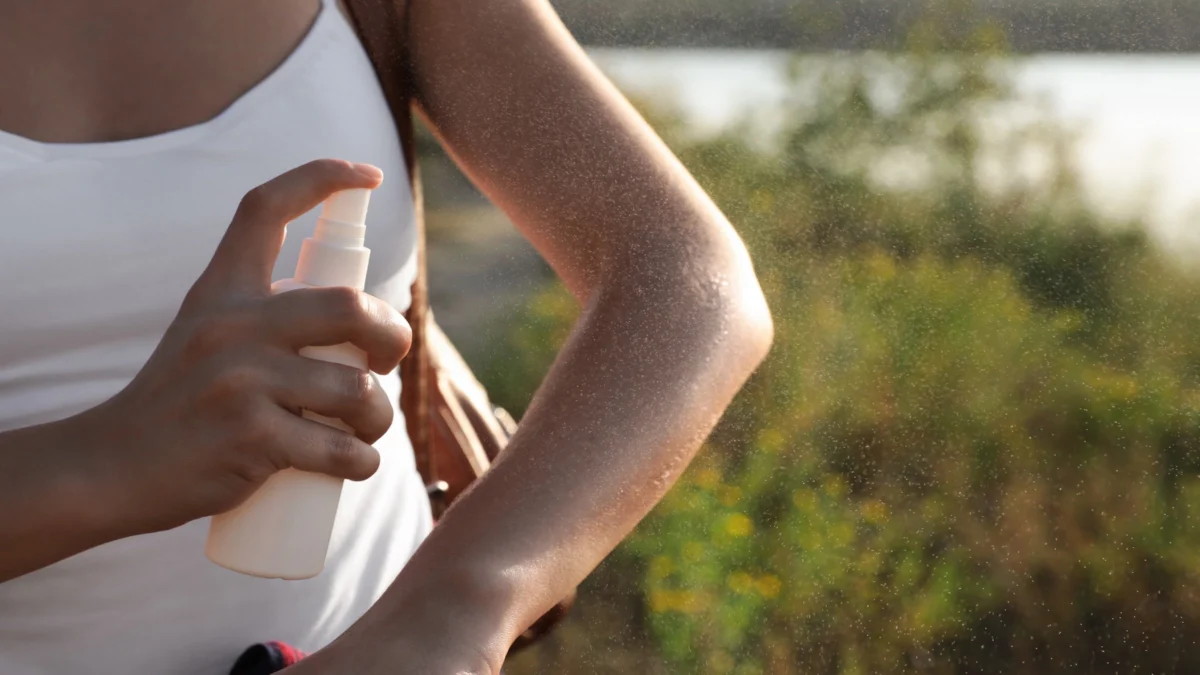
As the summer of 2026 reaches its peak, outdoor enthusiasts across the United States are facing one of the most intense mosquito seasons in recent memory. While summer traditionally heralds a period of increased outdoor recreation, from hiking and kayaking to backcountry camping, the seasonal transition has been accompanied by a significant uptick in mosquito activity. This phenomenon is not merely anecdotal; it is supported by emerging climate data and entomological research indicating that shifting weather patterns are creating an ideal environment for mosquito populations to flourish. For those navigating the wilderness or even suburban backyards, understanding the mechanics of mosquito prevention and the science of bite treatment has become a critical component of outdoor safety and comfort.
The Entomological Context of the 2026 Season
The current surge in mosquito populations is a direct consequence of a complex interplay between rising global temperatures and erratic precipitation patterns. According to reports released in mid-2025 and early 2026 by environmental experts, the "Lower 48" states have experienced a series of record-breaking warm winters and exceptionally wet springs. These conditions provide the perfect incubator for mosquito larvae. Mosquitoes are ectotherms, meaning their internal body temperature and metabolic rates are governed by the environment. Warmer temperatures accelerate the lifecycle of the mosquito, allowing them to mature from egg to adult in a fraction of the time required in cooler conditions.
Furthermore, increased rainfall has led to a surplus of standing water, which serves as the primary breeding ground for various mosquito species, including the Aedes aegypti and the Culex genus. In regions like Alaska, where mosquitoes have long been a legendary nuisance, the season is becoming more protracted. In the continental United States, areas that previously saw moderate activity are now reporting "swarming" events that rival those of sub-tropical climates. This geographical shift highlights a broader ecological trend: as the frost line moves further north and stays there longer, the window for mosquito reproduction expands, placing a greater burden on public health systems and outdoor recreation industries.
Advanced Prevention: Outfitting the Modern Outdoor Kit
Effective mosquito management begins long before an individual sets foot on a trail. Professional outdoor guides and seasoned adventurers emphasize a multi-layered approach to prevention, focusing on mechanical barriers and chemical deterrents.
Specialized Clothing and Permethrin Treatment
The first line of defense is physical. Experts recommend wearing lightweight, tightly woven long-sleeves and pants. Modern technical fabrics offer a dual benefit: they provide a physical barrier that is difficult for most mosquito proboscises to penetrate while remaining breathable enough for high-output activities in the summer heat.
However, physical barriers alone are often insufficient during peak activity hours, such as dawn and dusk. This is where chemical treatment of gear becomes essential. Permethrin, a synthetic insecticide modeled after natural pyrethrins found in chrysanthemum flowers, has become the gold standard for gear treatment. Unlike topical repellents, permethrin is applied directly to clothing, tents, and backpacks. When a mosquito lands on permethrin-treated fabric, the chemical acts as a neurotoxin, either repelling the insect instantly or neutralizing it before it can bite.
Safety protocols for permethrin application are stringent. It must be applied in well-ventilated outdoor areas, and the fabric should be treated until damp but not saturated. Once dry, permethrin is odorless and remains effective through multiple wash cycles. Market leaders like Sawyer Products have seen a surge in demand for their fabric treatments as more hikers move away from skin-applied chemicals in favor of treated gear.
Topical Repellents: DEET, Picaridin, and Natural Alternatives
For exposed skin, the Environmental Protection Agency (EPA) recommends several registered active ingredients. DEET remains the most widely recognized and used repellent, known for its long-lasting efficacy. However, its tendency to damage plastics and synthetic fabrics has led many to pivot toward Picaridin. Picaridin is a synthetic version of a compound found in pepper plants; it is odorless, non-greasy, and does not harm gear, making it a favorite among photographers and those using high-end outdoor equipment.
In recent years, there has been a significant shift toward bio-based repellents. Oil of lemon eucalyptus (OLE) has been identified by the CDC as a highly effective natural alternative that provides protection comparable to lower concentrations of DEET. A 2026 study published in the Journal of Outdoor Wellness further validated that certain essential oil blends can provide a short-term but effective shield, catering to the growing demographic of "clean" outdoor enthusiasts who prefer plant-based chemistry.
Site Mitigation and Mechanical Deterrents
Prevention extends beyond the individual to the immediate environment. Whether at a temporary backcountry campsite or a permanent residence, the management of standing water is paramount. Mosquitoes can complete their reproductive cycle in as little as a tablespoon of water. Common culprits include clogged gutters, discarded tires, birdbaths, and even the folds of a plastic tarp. By eliminating these stagnant water sources, property owners and campers can significantly disrupt the local mosquito lifecycle.
In stationary settings, such as a patio or a basecamp, mechanical deterrents offer a low-impact solution. Mosquitoes are notoriously weak flyers; even a modest breeze generated by a portable fan can create enough turbulence to prevent them from landing. This "low-tech" solution is increasingly recommended by outdoor professionals as a chemical-free way to maintain a bite-free zone during meals or periods of rest.
The Physiology of the Bite: Treatment and Recovery
Despite rigorous prevention efforts, mosquito bites are often an inevitable part of the summer experience. Understanding the biological reaction to a bite is the first step in effective treatment. When a mosquito bites, it injects saliva containing anticoagulants and proteins into the host. The human immune system recognizes these proteins as foreign invaders and releases histamine to the site, which causes the characteristic swelling, redness, and itching.
Medical professionals stress the importance of resisting the urge to scratch. Scratching creates micro-tears in the skin, which not only exacerbates the histamine response but also introduces bacteria from the fingernails into the wound, potentially leading to secondary infections like cellulitis.
Clinical Treatment Standards
The standard medical protocol for treating a mosquito bite involves:
- Sanitization: Washing the area with mild soap and water to remove any lingering saliva or external bacteria.
- Cryotherapy: Applying a cold compress or ice pack for 10 to 15 minutes. This constricts blood vessels, reducing both swelling and the localized itch sensation.
- Pharmacological Intervention: The use of over-the-counter (OTC) topical treatments such as hydrocortisone (a mild corticosteroid) or calamine lotion can provide significant relief. For individuals who experience more systemic reactions, oral antihistamines like cetirizine or loratadine are often recommended to dampen the body’s overall histamine response.
While most bites are benign, they can occasionally serve as vectors for more serious illnesses. In 2026, health departments have increased surveillance for West Nile Virus and other mosquito-borne pathogens. Individuals are advised to seek medical attention if a bite is followed by high fever, severe headache, joint pain, or signs of a spreading infection.
Veterinary Considerations: Protecting Domestic Animals
The 2026 mosquito surge has also prompted warnings from the American Veterinary Medical Association (AVMA). Mosquitoes are the primary vector for Dirofilaria immitis, commonly known as heartworm, a potentially fatal condition for dogs and cats. As mosquito populations expand into new territories, the geographical risk zone for heartworm has shifted, catching some pet owners off guard.
It is critical to note that many human-grade repellents are toxic to animals. DEET, in particular, can cause neurological issues in dogs if ingested or absorbed through the skin. Instead, veterinarians recommend EPA-approved, species-specific repellents. The American Humane Society has also highlighted the efficacy of certain natural, plant-based remedies—such as those containing diluted lemon balm or basil—as supplementary protection, though these should never replace a veterinarian-prescribed heartworm preventative.
Broader Implications and Economic Impact
The intensification of mosquito seasons carries broader implications for the outdoor economy. The "outdoor industry," which encompasses everything from gear manufacturing to eco-tourism, must adapt to these changing environmental realities. In regions where mosquito activity has become extreme, tourism boards are reporting shifts in peak visiting months, with travelers opting for early spring or late autumn to avoid the height of the "bug season."
From a public health perspective, the 2026 data serves as a call to action for improved urban planning and environmental management. Municipalities are increasingly investing in biological control methods, such as the introduction of mosquito-eating fish in public ponds and the use of Bacillus thuringiensis israelensis (Bti), a naturally occurring bacterium that targets mosquito larvae without harming other wildlife.
Conclusion
The challenges posed by the 2026 mosquito season are a testament to the fluid nature of our environment. As climate patterns continue to evolve, the methods by which we protect ourselves, our pets, and our communities must also advance. Through a combination of scientific understanding, proactive gear selection, and responsible environmental management, the "menace" of the mosquito can be mitigated. While the itch may be a perennial part of the summer landscape, it need not define the outdoor experience. Preparation remains the most effective tool in the adventurer’s kit, ensuring that the focus remains on the journey rather than the pests encountered along the way.


 Chandra Hamzah
 Gabriela Annisa
 Tatiana Tantri Indah Sari
 Hendra Ismail
 Walid Sujud Trenggono
 Budi Mulyono