
 Cholid Fahmi Thalib
Nestled within the scenic expanse of the Rogue Valley, Medford, Oregon, has increasingly established itself as a dynamic destination for culinary exploration. Long celebrated for its dramatic landscapes, rich agricultural output, and proximity to world-class viticultural regions, Southern Oregon now draws travelers seeking sophisticated gastronomic experiences. Recent tourism data indicates that regional culinary and agritourism sectors have experienced a steady influx of visitors, driven largely by a growing appreciation for farm-to-table dining, boutique winemaking, and hyper-local sourcing. During a recent multi-day group excursion through the region, culinary itineraries frequently highlighted the intersection of traditional Pacific Northwest ingredients and contemporary preparation techniques. An evaluation of local establishments reveals seven key dining and agritourism destinations that define the contemporary Medford culinary landscape, offering insights into the economic and cultural impact of the region’s food and wine industry.
The Viticultural Foundation: Dos Mariposas Vineyard and Lavender Farm
The trajectory of Southern Oregon’s dining and beverage economy is inextricably linked to its thriving wine industry. Located at 3976 Bellinger Lane, Dos Mariposas Vineyard and Lavender Farm exemplifies the region’s agritourism appeal by merging viticulture with botanical cultivation. Operating as a family-run enterprise, the property capitalizes on the microclimate of the Rogue Valley, which yields distinctive varietals benefiting from warm summer days and cool evening breezes.
During peak summer months, particularly in June, the estate’s extensive lavender fields reach full bloom, creating an aromatic and visual backdrop for visitors. The property offers estate wines and ciders paired with artisanal small bites, most notably charcuterie boards featuring locally sourced meats and regional cheeses. According to estate management, integrating agricultural production with hospitality has proven vital for attracting both regional tourists and destination travelers. Furthermore, the venue accommodates diverse demographics by incorporating pet-friendly policies, weekend live music programming, and family-oriented spaces, thereby demonstrating a diversified business model essential for modern estate wineries.
Morning Provisions: Ruby’s and the Demand for Locally Sourced Breakfast Fare
As Medford’s tourism sector expands, the demand for accessible, high-quality daytime dining has grown correspondingly. Situated at 310 Genessee Street, Ruby’s has emerged as a local staple by prioritizing regionally sourced ingredients and scratch-made comfort food at accessible price points. Operating daily from early morning through the evening, the establishment serves a demographic ranging from early-rising outdoor recreationists—such as those embarking on rafting excursions along the Rogue River—to remote workers and local families.
The culinary philosophy at Ruby’s centers on hearty, customizable breakfast options. Signature menu items, such as their comprehensive breakfast burritos containing a blend of cured meats, potatoes, and regional cheeses, reflect consumer preferences for calorie-dense, energy-sustaining meals ahead of strenuous outdoor activities. Additionally, the establishment offers diverse vegetarian options and specialty beverages, illustrating an adaptive approach to changing dietary trends. Industry analysts note that neighborhood eateries of this scale play a critical role in stabilizing local supply chains by purchasing directly from nearby agricultural producers.
Refined Evening Hospitality: Jefferson Spirits and the Urban Cocktail Culture
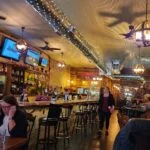
Transitioning into the evening economy, downtown Medford features establishments that bridge historical architecture with contemporary hospitality trends. Located at 404 East Main Street, Jefferson Spirits occupies a niche within the urban core by offering an elevated cocktail lounge experience set against a dimly lit, vintage backdrop.
The venue’s operational strategy relies heavily on a curated beverage program emphasizing classic mixology, such as traditional Old Fashioned cocktails prepared with bourbon-soaked cherries, complemented by an accessible happy hour structure. While beverage sales form the core of the business model, the kitchen supports the evening trade with an eclectic menu spanning Asian fusion sandwiches, Italian paninis, and signature crispy dumplings. Local economic stakeholders observe that venues like Jefferson Spirits contribute significantly to the revitalization of downtown Medford by extending visitor engagement hours past standard retail operating times, thereby supporting the nighttime economy.
Traditional Italian Gastronomy: Pomodori Osteria and Bar
Reinforcing the culinary depth of downtown Medford, Pomodori Osteria and Bar, located at 410 East Main Street, delivers traditional Italian fare utilizing regional ingredients. Open Tuesday through Saturday evenings for dine-in and takeout services, the restaurant focuses on fresh, house-made pastas, seafood preparations, and extensive wine pairings featuring notable bottles from Oregon’s viticultural AVAs.
A notable feature of Pomodori’s regional integration is its utilization of products from the award-winning Rogue Creamery, prominently showcased in items such as the Rogue Creamery Blue Cheese Wedge Salad. Culinary historians and tourism boards frequently cite such partnerships as evidence of a cohesive local food network, where regional dairy, produce, and wine producers mutually reinforce one another’s market presence. Group dining trends at the establishment also highlight a shift toward shared-plate models, allowing patrons to experience multiple menu iterations in a single sitting.
Artisanal Baking and Craft Heritage: Buttercloud Bakery & Cafe
The intersection of traditional baking techniques and modern culinary creativity is exemplified by Buttercloud Bakery & Cafe, situated at 315 South Front Street. Specializing in scratch-made breakfast and lunch items, the establishment has built its reputation upon signature flaky biscuits that serve as the foundation for both savory and sweet dishes.
Catering frequently to travelers en route to regional natural landmarks such as Crater Lake National Park, Buttercloud provides high-volume, quality-driven breakfast options like the Farmhouse Biscuit Sandwich. The bakery’s operational model incorporates a monthly rotating menu of scones, sticky buns, and mini cream pies, a practice that encourages repeat local patronage while maintaining seasonal relevance. Food service analysts indicate that independent bakeries focusing on artisanal, labor-intensive methods represent a resilient segment of the urban hospitality market, appealing strongly to consumers prioritizing authenticity and craftsmanship.
Estate Dining and Architectural Integration: DANCIN Vineyards
Further expanding the geographic and culinary scope of the Rogue Valley, DANCIN Vineyards—located at 4477 South Stage Road—combines award-winning cool-climate viticulture with wood-fired culinary offerings. Situated on the forested foothills of Southern Oregon, the estate provides panoramic views of prominent geographic markers, including the Table Rocks and Mount McLoughlin.
The culinary program at DANCIN Vineyards is distinguished by its direct integration of estate wines into the food preparation process, exemplified by dishes featuring wine-infused cream sauces and marinara reductions made with local Pinot Noir. The menu features wood-fired artisan pizzas paired with regional ingredients, such as soppressata, asparagus, and hot honey drizzles. Regional planners note that estate vineyards utilizing this vertically integrated hospitality model significantly enhance the overall economic yield of Southern Oregon’s agricultural tourism sector, extending the average duration of visitor stays in the region.
Community Commerce and Sustainability: Rogue Valley Growers Market
Underpinning the broader Medford culinary ecosystem is the Rogue Valley Growers Market, operating seasonally at Hawthorne Park (501 E. Main Street) and across alternative regional sites. Recognized nationally for its scale and community impact, the market brings together more than 150 local growers, crafters, and artisan food producers within a 200-mile radius of the valley.
Operating an outdoor market from March through November and transitioning to an indoor winter schedule from December through February, the market functions as a critical distribution channel for small-scale agriculturalists. Beyond fresh produce, flowers, and meats, the market hosts prepared food vendors offering innovative localized items, such as specialty egg muffins featuring soft-boiled eggs encased in savory baked dough. Economic impact studies of regional farmers markets consistently demonstrate that such communal hubs foster direct-to-consumer economic resilience, stimulate local micro-enterprises, and preserve regional agricultural heritage.
Broader Implications for Regional Tourism and Economic Development
The concentration of diverse, high-quality dining establishments, estate vineyards, and agricultural markets across Medford underscores a broader structural evolution within Southern Oregon’s economy. Historically dependent on timber and traditional agriculture, the region has successfully diversified its economic base through the cultivation of culinary tourism and agritourism.
Municipal data and regional tourism boards indicate that visitors attracted by the gastronomic sector contribute substantially to lodging, retail, and service industries throughout Jackson County. Furthermore, the collaborative network established between local farms, creameries, wineries, and independent restaurateurs creates a self-sustaining ecosystem that buffers the local economy against broader market fluctuations. As Medford continues to refine its identity as a premier Pacific Northwest culinary destination, these seven foundational establishments illustrate the viability of blending regional agricultural heritage with modern hospitality standards.


 Gabriela Annisa

 Lukman Taruna Persada Ramadan

 Tatiana Tantri Indah Sari

 Anjar Salim


 Dwi Wanna
