
 Chandra Hamzah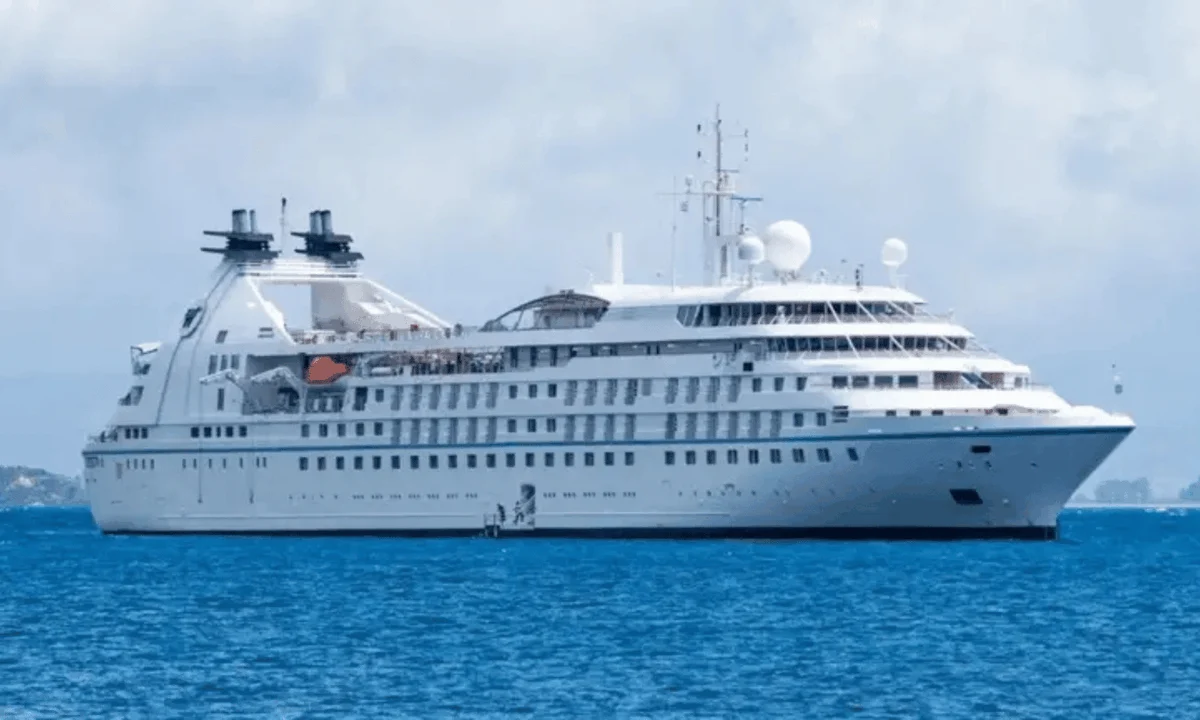
Windstar Cruises is charting a new course in the travel industry, announcing a pioneering concept in cruising that seamlessly blends the intimate charm of river voyages with the expansive allure of ocean travel, all aboard a single, specially designed vessel. This innovative approach, set to debut in 2026 with the launch of the new ship Star Explorer, aims to bridge the divide between traditional river and ocean cruisers, offering a unique "unpack once" experience that promises deeper immersion and expanded exploration. The company anticipates this hybrid model will attract seasoned travelers seeking novel adventures and greater cultural engagement.
The Dawn of Hybrid Cruising: Unpacking a New Frontier
For decades, the cruise industry has largely operated within distinct spheres: the serene, inland waterways navigated by compact riverboats, and the vast, open seas explored by larger ocean liners. These two modalities, while both offering unique travel experiences, have traditionally appealed to different passenger profiles and required separate vessel designs and operational logistics. Windstar’s announcement signals a significant shift, challenging these established norms and potentially redefining the very nature of destination-immersive travel.
The core of this innovation lies in the Star Explorer, a vessel purpose-built to navigate both shallow river systems and deeper ocean waters. This dual capability allows for itineraries that begin deep within continental Europe, winding through iconic rivers, and then transition to coastal cruising, reaching major port cities without the need for passengers to disembark and re-board a different ship. This eliminates the logistical complexities and potential disruptions often associated with combining river and ocean segments, directly addressing the long-held cruise industry promise of a truly seamless, single-luggage journey.
A New Generation of Itineraries: Bordeaux to London and Beyond
Windstar has already begun to sketch out the ambitious itineraries that will leverage the Star Explorer‘s unique capabilities. One such voyage will connect the renowned wine region of Bordeaux, France, with the historic capital of London, United Kingdom. This route will involve navigating the Seine River in France, allowing access to ports like Saint-Malo, before transitioning to the Thames River for the approach to London. The itinerary specifically highlights opportunities to visit the significant D-Day landing beaches, a poignant and historically rich destination accessible via this hybrid approach.
"Seasoned river cruisers have fallen in love with a way of travelling that’s intimate and deeply connected to place," stated Janet Bava, Windstar’s Chief Commercial Officer, in a press release. "But many have already sailed all the iconic rivers and are ready for the next frontier. The concept is certain to appeal to experienced travellers who are looking for deeper cultural engagement at their destinations." This sentiment underscores Windstar’s understanding of a segment of their clientele seeking to expand their horizons beyond well-trodden river paths.
Another featured itinerary, "Connoisseur’s Delight: Northern Spain & Portugal," exemplifies the diverse experiences this new class of cruising can offer. Guests will journey from France into Spain and Portugal, combining the celebrated vineyards of Bordeaux with the rich culinary traditions and stunning landscapes of the Iberian coast, including explorations within Portugal’s picturesque Douro Valley. This blend of wine, gastronomy, and coastal exploration showcases the versatility of the Star Explorer‘s operational design.
The Strategic Imperative: Addressing Market Trends
Windstar’s strategic move is not occurring in a vacuum. The river cruise market has experienced significant growth in recent years, attracting a dedicated following that values the intimate scale, close proximity to destinations, and the curated cultural experiences these voyages provide. However, as Bava noted, many of these travelers are beginning to exhaust the most popular river routes. This creates a natural demand for new, unexplored territories and a desire for continued immersion in diverse landscapes.
Simultaneously, the broader cruise industry has seen a trend towards larger, more amenity-rich vessels. By introducing a ship capable of both river and ocean travel, Windstar is positioning itself to capture passengers from both traditional segments. This also represents a more efficient use of resources, as the company avoids the need to develop and maintain two entirely separate fleets, one for river operations and another for ocean voyages.
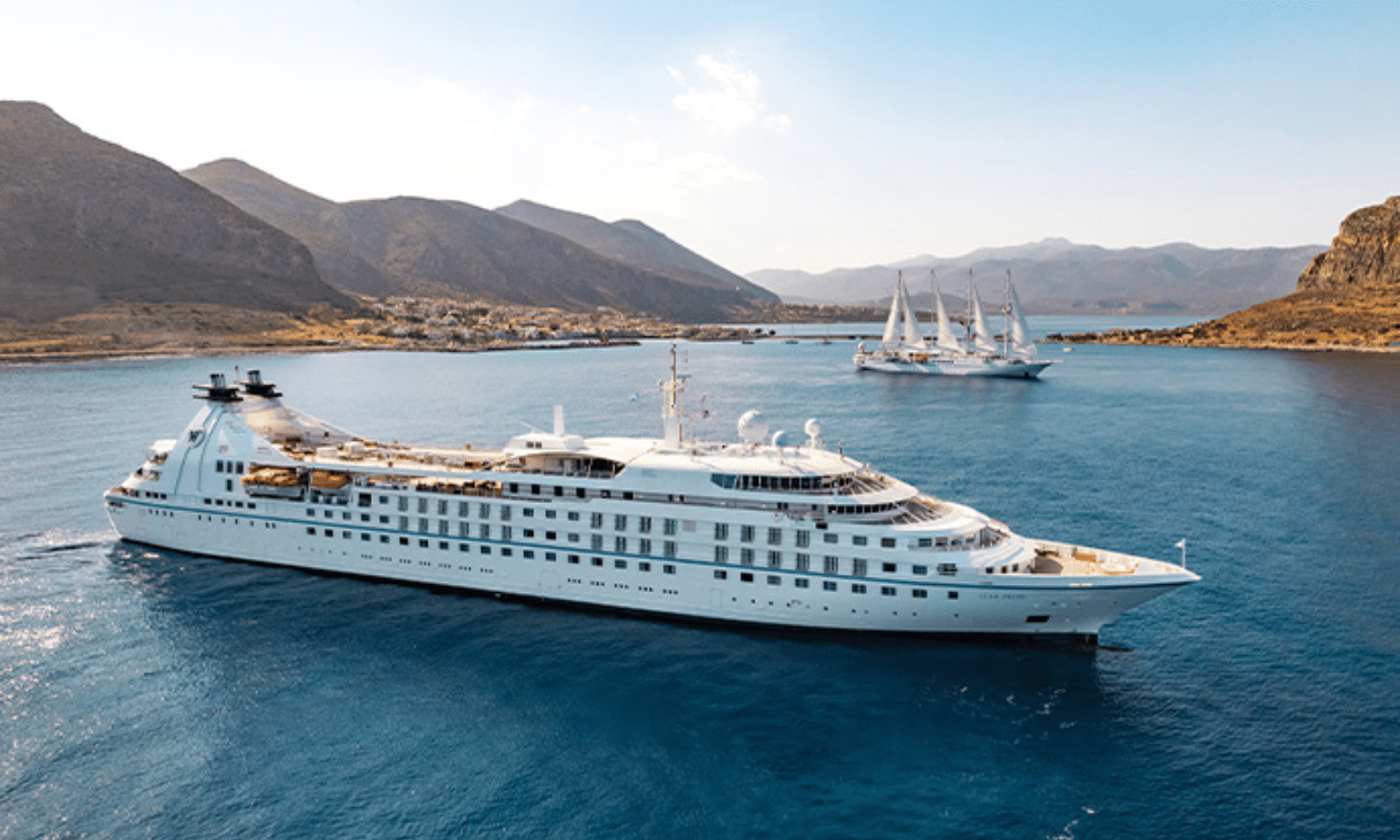
The competitive landscape is also evolving. Reports indicate that other cruise lines are exploring similar hybrid models or forming strategic alliances. Uniworld, for instance, has an alliance with Aqua Expeditions, and discussions are ongoing between river and ocean lines. Windstar’s proactive development of a purpose-built vessel suggests a commitment to leading this emerging segment rather than merely participating in it.
Technological Innovation and Design Philosophy
The Star Explorer is not merely a conventional ship adapted for a new purpose; it is a vessel engineered from the ground up to meet the unique demands of river-to-ocean navigation. While specific technical specifications are not yet fully detailed, the design must incorporate features that allow for passage on rivers with varying depths and bridge clearances, while also being robust enough for open-sea conditions. This likely involves a specialized hull design, advanced propulsion systems, and potentially a lower profile or adaptable superstructure.
Windstar has a historical precedent for innovative ship design. The company previously gained attention for a significant refurbishment of its existing yacht-class vessels, which involved cutting one ship in half and inserting a new, wider section to add more suites and amenities. This demonstrates a willingness to undertake ambitious engineering projects to enhance the guest experience and expand operational capabilities. The Star Explorer represents the next chapter in this legacy of forward-thinking maritime design.
Expanding Geographic Reach: Europe and Asia on the Horizon
While the initial itineraries focus on Europe, Windstar has indicated plans to extend these hybrid routes to other key regions. "We’re especially carving out routes and itineraries in Europe, including Northern Europe and the Mediterranean, and in southeast Asia," Bava added. Southeast Asia, with its extensive network of navigable rivers and intricate coastlines, presents a fertile ground for this type of exploration. Imagine journeys through the Mekong River system, transitioning to coastal explorations of Thailand, Vietnam, or Indonesia, all on a single vessel.
The appeal of navigating directly into city centers, as exemplified by the planned London itinerary, is a significant draw. "The appeal is that you can, river style, go to destinations and feel very close to the city, such as London, where we can travel up the Thames River to our docking point at Tower Bridge," Bava elaborated. This proximity allows for a more immediate and immersive connection with the urban environment.
The visual and sensory experience of arriving in a major city via its waterways is also a key component of the appeal. Bava painted a vivid picture of sailing into London: "The mast of the Cutty Sark and the domes of the Old Royal Naval College in Greenwich, and hybrid old vs. new of central London, with its gleaming skyscrapers and St. Paul’s Cathedral, so deeply anchored in its history." This highlights the narrative potential of such journeys, where the sailing itself becomes an integral part of the cultural discovery.
The Broader Implications: A Shift in Travel Paradigms
Windstar’s introduction of river-to-ocean cruising has several significant implications for the travel industry and for consumers:
- Increased Accessibility to Diverse Destinations: This hybrid model opens up new possibilities for exploring regions that were previously only accessible by separate river or coastal cruises. It democratizes access to a wider array of cultural and natural wonders.
- Enhanced Value Proposition: The "unpack once" promise, coupled with the ability to experience a broader range of environments, offers a compelling value proposition for travelers seeking efficiency and depth in their journeys.
- Catalyst for Innovation: Windstar’s pioneering efforts are likely to spur further innovation within the cruise sector, encouraging other companies to explore similar hybrid concepts or to develop new types of specialized vessels.
- Refined Passenger Segmentation: The success of this model could lead to a more nuanced understanding of passenger preferences, with distinct segments emerging for those who prefer exclusively river, exclusively ocean, or the new hybrid experience.
- Sustainability Considerations: While not explicitly detailed in the initial announcement, the efficiency of operating a single vessel for diverse itineraries could have positive implications for fuel consumption and environmental impact compared to maintaining multiple specialized fleets.
The launch of the Star Explorer in 2026 is poised to be a landmark event in the evolution of cruising. By merging the intimate exploration of rivers with the vastness of the oceans, Windstar is not just introducing a new ship; it is offering a new way to see the world, one that promises to be as enriching as it is groundbreaking. For further information on these novel itineraries, interested parties can visit Windstar’s official website.



 Budi Mulyono
 Lukman Taruna Persada Ramadan
 Anjar Salim
 Gabriela Annisa
 Susilo Edi Turonggo