Walid Sujud Trenggono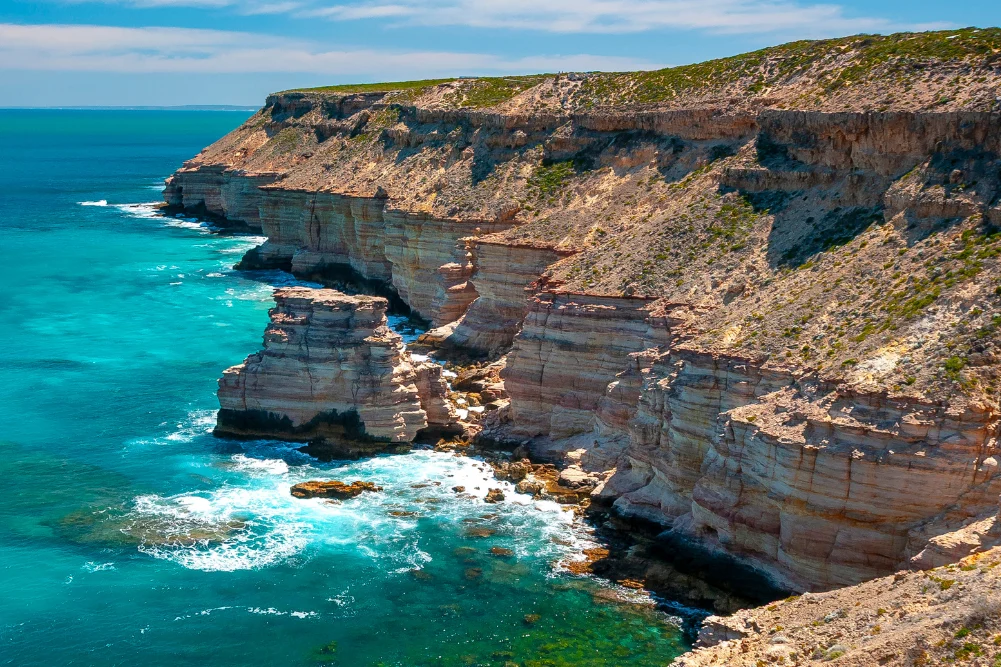
The Indian Ocean Drive, a critical infrastructure corridor in Western Australia, serves as the primary gateway for regional tourism and the state’s multi-million-dollar lobster industry. Stretching from Yanchep to Dongara, this 277-kilometer coastal highway provides a direct link between the metropolitan hub of Perth and the rugged landscapes of the Coral Coast. Characterized by its seasonal wildflower displays, ancient geological formations, and extensive maritime history, the route has become a focal point for domestic and international travelers seeking a blend of adventure and ecological study.
The Gateway to the North: Lancelin and the Adventure Corridor
The first major coastal settlement north of Perth is Lancelin, historically known as Wangaree by the Yued Indigenous people. The town serves as a microcosm of the region’s dual reliance on natural resources and tourism. The local economy is underpinned by the Western Rock Lobster industry, a sector that contributes significantly to Western Australia’s $400 million annual commercial fishing output.
Lancelin’s geography is dominated by a 2-kilometer-long system of sand dunes, some of the largest in the state. These shifting limestone structures are not merely recreational sites for sandboarding and off-road vehicles but are also significant geological indicators of the Holocene epoch. Offshore, the Lancelin Island Nature Reserve provides a sanctuary for the Australian sea lion and a diverse array of seabirds. The marine environment here is historically treacherous; the reef system contains the wreckage of at least 14 known vessels, illustrating the perilous conditions faced by early European explorers.
Geological Marvels: The Pinnacles of Nambung National Park
Located approximately 200 kilometers north of Perth, the Pinnacles Desert within Nambung National Park represents one of Australia’s most distinct landscapes. These thousands of limestone spires, some rising to four meters in height, were formed approximately 25,000 to 30,000 years ago. Geologically, they are the result of the accumulation of seashells in a marine-rich environment, which were subsequently eroded by wind and water after the sea level receded.
For the Yued people, the Pinnacles hold deep cultural significance, often associated with the Wagyl, the rainbow serpent of Noongar Dreaming. Historically, early Dutch explorers who sighted the structures from the sea mistook them for the ruins of an abandoned city. Today, the park is a major driver of regional tourism. According to data from the Department of Biodiversity, Conservation and Attractions (DBCA), Nambung National Park attracts hundreds of thousands of visitors annually, necessitating a delicate balance between public access and the preservation of the fragile desert pavement.
Marine Biodiversity and Conservation in Jurien Bay
Continuing north, Jurien Bay serves as a hub for marine conservation and eco-tourism. The Jurien Bay Marine Park, established in 2003, protects a complex ecosystem of seagrass meadows and limestone reefs. The park is particularly noted for its 800-strong breeding colony of Australian sea lions (Neophoca cinerea), a species currently listed as endangered.
Access to breeding sites such as Buller Island and North Fisherman Island is strictly regulated to prevent human interference with the colonies. However, licensed tour operators provide controlled interactions, which have become a cornerstone of the local economy. The marine park also supports a vibrant artificial reef system near the old jetty, where interpretive signage underwater assists snorkelers in identifying the various coral and fish species that inhabit the temperate waters.
Maritime History and the Legend of Dynamite Bay
The town of Green Head, located between Jurien Bay and Leeman, offers a unique intersection of maritime archaeology and coastal geology. Dynamite Bay, a semi-circular cove protected by rugged headlands, derives its name from a 1960s-era treasure hunt. Using historical Dutch maps, explorers utilized explosives to locate the remains of the Vergulde Draeck (Gilt Dragon), a Dutch East India Company ship that foundered on the reefs in 1656.
The Vergulde Draeck carried a cargo of silver coins and trade goods, much of which was lost to the sea. This event is part of a broader chronology of European shipwrecks along the Western Australian coast, which includes the Batavia and the Zuytdorp. These sites are now protected under the Underwater Cultural Heritage Act 2018, ensuring that the historical narrative of the "Shipwreck Coast" is preserved for scientific study.
Subterranean Exploration and Botanical Diversity
Inland from the coast, Stockyard Gully National Park features a unique karst system. The centerpiece is a 250-meter-long limestone tunnel formed by an ancient riverbed. This subterranean environment provides a thermal refuge for local fauna and a unique habitat for delicate stalactites.
The surrounding reserve is a hotspot for Western Australia’s world-renowned wildflower season, which typically peaks between July and October. The region is home to over 12,000 species of flora, 60% of which are found nowhere else on Earth. Notable species include the Queen of Sheba orchid and various species of Banksia. The presence of these plants is vital for the survival of endemic mammals such as the honey possum (Tarsipes rostratus), a tiny marsupial that feeds exclusively on nectar and pollen.
Geraldton and the Legacy of Maritime Conflict
As the Indian Ocean Drive merges into the Brand Highway, travelers reach Geraldton, the regional capital of the Mid West. Geraldton’s identity is inextricably linked to the sea, both as a major port and as a site of historical commemoration.
The HMAS Sydney II Memorial, situated on Mount Scott, serves as a solemn reminder of Australia’s greatest naval tragedy. In November 1941, during World War II, the HMAS Sydney II was lost with all 645 crew members following a battle with the German raider HSK Kormoran. The wreck was not located until 2008, ending decades of uncertainty for the families of the fallen. This memorial, along with the Museum of Geraldton, provides essential context for the military and maritime history that has shaped the state’s northern reaches.
The Science of Hutt Lagoon: The Pink Lake
One of the most visually striking features of the route is Hutt Lagoon, located near the town of Gregory. This 70-square-kilometer salt lake is famous for its vivid pink hue, a phenomenon caused by the presence of the carotenoid-producing algae Dunaliella salina.
The lagoon is not only a tourist attraction but also a site of industrial significance. It contains the world’s largest microalgae production plant, where Dunaliella salina is harvested for use in food coloring and vitamin supplements (beta-carotene). The color of the lake fluctuates based on salinity levels, temperature, and light intensity, ranging from deep purple to bubblegum pink, making it a subject of significant interest for both photographers and limnologists.
Kalbarri: Where the Murchison River Meets the Sea
The journey culminates in Kalbarri, a town situated at the mouth of the Murchison River. Kalbarri National Park encompasses over 183,000 hectares and is famous for its dramatic red sandstone gorges and coastal cliffs. The park underwent a significant transformation in 2020 with the opening of the Kalbarri Skywalk, two cantilevered walkways that extend 25 and 17 meters past the rim of the Murchison Gorge, positioned 100 meters above the river.
The region’s geological history is etched into the sandstone, where fossilized tracks of ancient sea creatures, known as eurypterids, can be found. The Murchison River itself provides a tranquil contrast to the turbulent Indian Ocean, offering a sheltered environment for kayaking and fishing.
Economic Impact and Future Outlook
The tourism industry along the Indian Ocean Drive and the Coral Coast is a vital component of Western Australia’s economic diversification strategy. Prior to the disruptions of recent years, tourism in the region contributed over $300 million annually to the state’s Gross Regional Product.
Local government authorities and Tourism Western Australia have expressed a commitment to enhancing infrastructure while maintaining environmental integrity. Recent investments in sealed roads, interpretive centers, and sustainable camping facilities indicate a long-term vision for the region. However, challenges remain, particularly regarding climate change and its impact on the delicate wildflower cycles and marine ecosystems.
The Indian Ocean adventure, spanning less than 600 kilometers from Perth, offers more than just scenic views; it provides a comprehensive look at the geological, biological, and historical forces that have shaped the Australian continent. As visitors continue to flock to "Nature’s Window" and the "Pink Lake," the focus remains on preserving these assets for future generations, ensuring that the mantra "West is Best" remains a sustainable reality.



 Budi Mulyono
 Lukman Taruna Persada Ramadan
 Chandra Hamzah
 Gabriela Annisa
 Tatiana Tantri Indah Sari