
 Tatiana Tantri Indah Sari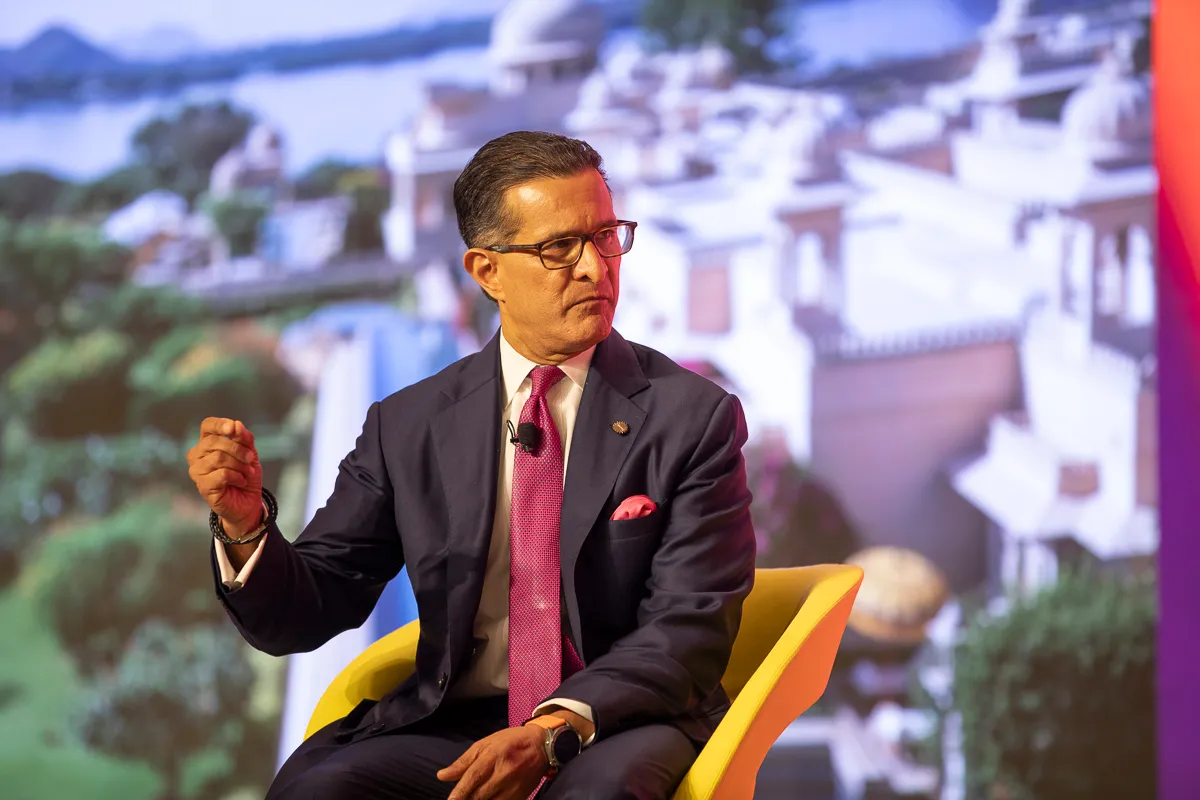
India’s luxury hotel market is undergoing a significant transformation, increasingly powered by the burgeoning segment of domestic affluent travelers. This strategic recalibration is prominently exemplified by EIH Limited, the parent company of the esteemed Oberoi Hotels & Resorts, which is actively "leaning into" this evolving market dynamic. Vikram Oberoi, managing director and CEO of EIH, articulated this shift during a recent earnings call, underscoring that the "domestic share has increased substantially." This statement reflects a broader industry trend where homegrown demand is not merely supplementing but often surpassing traditional reliance on international tourism, offering a crucial buffer against global economic and geopolitical volatilities.
The Unfolding Paradigm Shift: A Deep Dive into Domestic Dominance
Mr. Oberoi’s commentary provided a clear insight into EIH’s strategic confidence in the sustained durability of India’s premium travel demand from within its own borders. While acknowledging the historical significance of foreign tourists, particularly during periods like April, he highlighted how recent global disruptions have impacted international inbound travel. Specifically, the geopolitical tensions, such as the Iran conflict, have demonstrably disrupted flight bookings and overall air connectivity, leading to a softening of foreign tourist arrivals. However, this dip has been "more than compensated by strong demand from the domestic market," a testament to the resilience and growing purchasing power of India’s affluent class.
For decades, the premium hospitality sector in India was heavily reliant on international visitors, comprising both leisure tourists seeking cultural experiences and business travelers attending conferences or corporate engagements. This dependency shaped the development of luxury properties, their service offerings, and marketing strategies, often aligning with international standards and preferences. The recent pivot, therefore, marks a fundamental rethinking of market segmentation and operational priorities. The new generation of affluent Indian travelers exhibits a distinct set of preferences, often seeking experiential luxury, wellness retreats, bespoke cultural immersions, and high-end leisure destinations within the country. They are increasingly discerning, well-traveled, and accustomed to global luxury standards, expecting similar levels of service and quality closer to home. This demographic is also driving demand for multi-generational family holidays, destination weddings, and corporate off-sites, all of which contribute significantly to occupancy and average room rates in the luxury segment.
Historical Context and the Genesis of Change
The shift in India’s luxury hospitality landscape is not an overnight phenomenon but rather the culmination of several macro-economic and social trends that have accelerated in recent years. Historically, India’s luxury hotels, particularly those established in the post-independence era, were primarily geared towards international tourists and foreign dignitaries. Major metropolitan cities like Delhi, Mumbai, Bengaluru, and Chennai, along with iconic tourist destinations such as Jaipur, Udaipur, and Agra, saw the development of opulent properties that catered to a global clientele, offering a blend of international sophistication and local grandeur.
The economic liberalization policies initiated in the early 1990s played a pivotal role in creating a new class of affluent Indians. As the economy grew, so did disposable incomes, leading to increased aspirations and a greater propensity for leisure travel. However, for many years, foreign travel remained the aspirational benchmark for luxury. The domestic luxury travel market, while present, was comparatively smaller and less organized.
The early 21st century witnessed a gradual but steady rise in domestic tourism, fueled by improved infrastructure, better air connectivity to tier-2 and tier-3 cities, and a growing appreciation for India’s diverse geographical and cultural offerings. Government initiatives aimed at promoting domestic tourism, such as the "Dekho Apna Desh" campaign, also contributed to this growing trend. The advent of online travel agencies and increased digital penetration further democratized travel planning, making luxury experiences more accessible to a wider affluent audience.
Chronology of a Transformation
The timeline of this transformation can be broadly categorized into distinct phases:
- Pre-2020 (Gradual Growth & International Dominance): Before the global pandemic, international tourist arrivals constituted a significant, often dominant, portion of the revenue for luxury hotels in India. While domestic tourism was growing, it was largely seen as a supplementary market. Hotel chains focused on attracting foreign business travelers and high-spending leisure tourists from Western countries, the Middle East, and Southeast Asia. Marketing efforts were often global in scope, highlighting India’s exotic appeal and heritage.
- 2020-2021 (The Pandemic Pivot): The COVID-19 pandemic and subsequent global travel restrictions served as an unprecedented catalyst for change. With international borders largely closed, luxury hotels were forced to pivot dramatically towards the domestic market for survival. This period saw the rapid introduction of "staycation" packages, local experiences, and attractive deals targeting Indian families and couples seeking safe, high-end escapes close to home. This forced adaptation revealed the significant untapped potential and resilience of the domestic affluent traveler segment. Many hotels reported surprisingly strong demand from this segment, often exceeding expectations.
- 2022-2023 (Domestic Market Consolidation & Rebound): As travel restrictions eased, the domestic market continued its robust growth trajectory. "Revenge travel" post-pandemic saw Indians keen to explore their own country, often choosing luxury resorts and heritage properties for extended breaks. While international travel began its slow return, the domestic market’s share remained elevated, solidifying its position as the primary revenue driver for many luxury brands. Hoteliers observed that the habits formed during the pandemic, such as frequent short luxury breaks, persisted.
- Early 2024 (Global Headwinds & Domestic Resilience): The current period is characterized by renewed global uncertainties. Geopolitical conflicts, such as the Iran war, have introduced fresh disruptions to international travel, impacting air routes, increasing travel costs, and leading to a cautious approach among foreign tourists. This has once again highlighted the strategic importance of a strong domestic base. As Vikram Oberoi noted, the domestic market’s strength has effectively buffered the impact of softening international demand, demonstrating its critical role in maintaining market stability and growth for luxury hospitality players like EIH.
Supporting Data and Market Indicators
The shift towards domestic demand is underpinned by compelling economic and demographic data:
- Rising Affluence: India’s high-net-worth individual (HNI) population has been growing steadily. Reports indicate a significant increase in the number of dollar millionaires and ultra-high-net-worth individuals (UHNWIs) in the country, who constitute the core demographic for luxury travel. This growth is projected to continue robustly over the next decade, ensuring a sustained pipeline of potential luxury consumers.
- Disposable Income Growth: India’s per capita disposable income has seen a consistent upward trend, leading to greater discretionary spending on leisure and experiences. The aspirational nature of the Indian consumer, coupled with increased financial capacity, drives demand for premium products and services, including luxury hospitality.
- Domestic Tourism Statistics: While exact real-time figures for luxury domestic travel are often proprietary, overall domestic tourist visits (DTVs) have consistently dwarfed foreign tourist arrivals (FTAs) by a massive margin. Pre-pandemic, DTVs often exceeded 2 billion annually, compared to FTAs hovering around 10-11 million. Post-pandemic, DTVs have seen an even more accelerated recovery and growth, cementing the domestic market’s quantitative dominance. Even a small percentage of this vast domestic base opting for luxury experiences represents a substantial market.
- Hotel Performance Metrics: Luxury hotel chains across India have reported strong performance indicators, including rising occupancy rates, average room rates (ARR), and revenue per available room (RevPAR), particularly in leisure destinations favored by domestic travelers. This trend indicates not just volume but also higher spending capacity from the domestic market. For instance, many luxury properties in destinations like Goa, Rajasthan, and Kerala have seen record ARRs driven by strong domestic demand for weddings, family vacations, and celebratory events.
- Economic Contribution: The travel and tourism sector is a significant contributor to India’s GDP and employment. A robust domestic tourism market not only adds stability but also ensures that the economic benefits are circulated within the national economy, supporting local businesses, artisans, and service providers.
Industry Perspectives and Official Responses
The observations made by EIH’s Vikram Oberoi resonate widely across the Indian hospitality sector. While specific public statements from competitors regarding the recent geopolitical impact on international bookings may be limited, the strategic pivot towards domestic luxury is an acknowledged industry-wide phenomenon.
- Competitor Strategies: Major luxury hotel groups like Taj Hotels (Indian Hotels Company Limited), ITC Hotels, The Leela Palaces, Hotels and Resorts, and international brands operating in India (e.g., Marriott, Hilton, Accor with their luxury portfolios) have all adapted their strategies to cater to the domestic affluent traveler. This includes launching specialized domestic packages, increasing marketing spend on digital platforms targeting Indian consumers, and developing properties in new leisure destinations popular with local tourists. There is an implicit consensus that the domestic market provides a stable and growing foundation.
- Industry Associations: Bodies such as the Federation of Hotel & Restaurant Associations of India (FHRAI) and the Confederation of Indian Industry (CII) have consistently highlighted the importance of domestic tourism for the sector’s resilience and growth. Their reports and outlooks often emphasize the vast potential of India’s internal market, urging policymakers and industry stakeholders to further invest in infrastructure and promotional activities targeting local travelers.
- Government Initiatives: The Indian government, through the Ministry of Tourism, has actively promoted domestic tourism under various campaigns, most notably "Dekho Apna Desh" (Explore Your Own Country). These initiatives encourage Indians to discover the diverse attractions within their nation, aligning perfectly with the industry’s strategic shift. Investments in connectivity (e.g., UDAAN scheme for regional air connectivity) and tourism infrastructure (e.g., Swadesh Darshan scheme) further bolster the domestic travel ecosystem.
- Analyst Commentary: Financial analysts and market researchers tracking the hospitality sector frequently point to the domestic market as a key driver for future growth and profitability. They view the reduced reliance on international tourism as a positive development, making the sector less susceptible to global economic downturns, visa policy changes, or geopolitical events outside India’s control. The sheer volume and increasing affluence of the domestic market provide a strong long-term growth story.
Implications for the Future of Indian Luxury Hospitality
The profound shift towards domestic demand carries significant implications across various facets of the Indian luxury hospitality sector:
- Investment Patterns and New Property Development: Future investments in luxury hotels are likely to be increasingly directed towards leisure destinations that appeal to domestic travelers. This includes established hotspots like Goa, Rajasthan, and Kerala, but also emerging destinations such as Uttarakhand, Himachal Pradesh, and the Northeast, which offer nature, adventure, and wellness experiences. There will be a greater emphasis on resorts, wellness centers, and experiential properties rather than solely business-centric hotels in metros.
- Product Innovation and Experience Curation: Hotels will continue to innovate their offerings to cater specifically to Indian preferences. This includes specialized menus catering to diverse regional Indian palates, bespoke cultural activities, wellness programs blending traditional Indian therapies with modern approaches, and curated experiences for family groups, including children-friendly amenities and activities. The MICE (Meetings, Incentives, Conferences, and Exhibitions) segment, largely driven by domestic corporate demand, will also see tailored offerings.
- Marketing and Distribution Strategies: Marketing efforts will become even more localized and digitally focused, leveraging social media, influencer marketing, and targeted online campaigns to reach affluent Indian consumers. Loyalty programs will play a crucial role in fostering repeat business from the domestic market. Collaborations with Indian luxury brands, fashion designers, and artists may also become more prevalent.
- Talent Development and Employment: The growth in domestic luxury tourism will generate significant employment opportunities across the hospitality value chain, from hotel operations to ancillary services like tour guiding, local transport, and artisanal crafts. There will be an increased demand for skilled professionals who understand the nuances of Indian hospitality and guest preferences.
- Economic Resilience and Diversification: A strong domestic market provides an inherent resilience to the Indian luxury hospitality sector, insulating it from external shocks. This diversification of revenue streams ensures more stable growth and reduces the volatility associated with international travel patterns. It also promotes a more self-reliant tourism economy.
- Challenges and Opportunities: While the shift is largely positive, challenges remain. Infrastructure development, particularly in emerging tourist regions, needs to keep pace with demand. Issues such as sustainable tourism practices, waste management, and conservation efforts will become even more critical as domestic visitor numbers rise. However, these challenges also present opportunities for innovative solutions and responsible tourism development.
In conclusion, the statements from EIH’s managing director and CEO, Vikram Oberoi, serve as a potent indicator of a fundamental and enduring transformation within India’s luxury hotel market. The domestic affluent traveler is not merely a supplementary segment but has emerged as the primary engine of growth and stability, cushioning the industry from external volatilities. This paradigm shift necessitates continued adaptation, innovation, and strategic investment from luxury hospitality providers, ensuring that India’s rich and diverse travel landscape continues to thrive, powered increasingly by its own discerning citizens.



 Anjar Salim
 Chandra Hamzah
 Budi Mulyono
 Lukman Taruna Persada Ramadan
