
 Susilo Edi Turonggo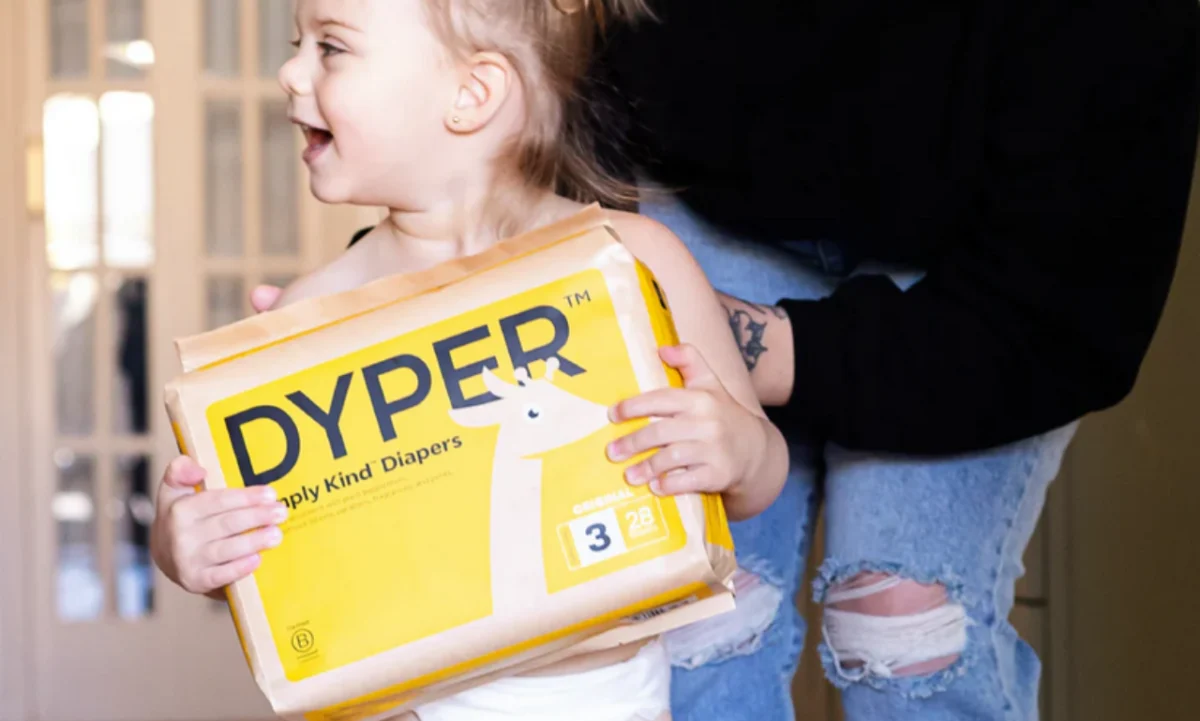
The sheer volume of waste generated by infants is a significant environmental challenge, with traditional disposable diapers contributing disproportionately to global landfills. Each baby is estimated to use approximately 6,000 diapers in their first two years of life, culminating in a staggering amount of non-biodegradable waste. While reusable cloth diapers offer an alternative, their demanding washing and maintenance routines often prove impractical for the majority of busy parents, who overwhelmingly opt for the convenience of single-use disposables. This widespread reliance on conventional disposable diapers not only exacerbates waste management issues but also raises serious health concerns due to the chemical composition of many mainstream products.
The Environmental and Health Imperative of Sustainable Diapers
Traditional single-use diapers are a complex product, typically constructed from a blend of plastics, super-absorbent polymers (SAPs), wood pulp, and various adhesives and fragrances. The plastic components, predominantly polyethylene and polypropylene, can take hundreds of years to decompose, if at all, in landfill environments. This contributes to vast accumulations of waste, occupying significant landfill space and releasing methane, a potent greenhouse gas, as organic materials within the diaper break down anaerobically. The environmental footprint extends beyond disposal, encompassing the energy-intensive manufacturing processes and the resources required to produce the raw materials.
Beyond their environmental impact, the chemical cocktail often found in conventional disposable diapers poses potential health risks to infants. Ingredients such as phthalates, parabens, chlorine, fragrances, and volatile organic compounds (VOCs) are commonly utilized in their production. Phthalates, for instance, are known endocrine disruptors, substances that can interfere with the body’s hormonal system. Research has linked exposure to these chemicals to a range of issues, including reproductive disorders, developmental problems, and even certain cancers later in life. Parabens, used as preservatives, have also been flagged for potential endocrine-disrupting properties. The use of chlorine in bleaching processes can lead to the formation of dioxins, highly toxic compounds with carcinogenic potential. Furthermore, artificial fragrances, often containing dozens of undisclosed chemicals, are a frequent cause of acute skin rashes, allergic reactions, and respiratory irritation in sensitive infants. The Consumer Product Safety Commission (CPSC) in the United States currently mandates testing for lead in diapers but does not require disclosure or testing for a comprehensive range of other potentially harmful chemicals, including known carcinogens and endocrine-disrupting substances, leaving a significant regulatory gap. This lack of stringent oversight places the onus on consumers to scrutinize product labels and seek safer alternatives.
Dyper’s Origin: A Father’s Frustration Sparks Innovation
The catalyst for change often arises from personal experience. For Tony Patron, founder of REDYPER™ and Dyper, the weekly ritual of overflowing trash bins filled predominantly with plastic-laden diapers became a stark and undeniable symbol of an unsustainable system. As a new father, Patron directly confronted the reality of diaper waste, an experience that resonated deeply with his engineering background and innate drive to solve problems. This personal observation, coupled with a broader understanding of the environmental and health implications of traditional disposables, ignited the vision for a fundamentally different approach to baby care.
Patron recognized that while reusable diapers offered an eco-friendlier theoretical solution, their practical demands often deterred parents seeking convenience in their busy lives. The market, he observed, was polarized: highly convenient but environmentally damaging disposables versus environmentally friendly but inconvenient reusables. There was a clear void for a product that could bridge this gap, offering both performance and planetary responsibility. Initially exploring partnerships with existing manufacturers of compostable diapers, Patron’s entrepreneurial journey evolved, eventually leading to the merger that formed Dyper. The new company was founded on a clear mission: to create high-performance, non-toxic, plant-based diapers that significantly reduce both household waste and environmental impact. This foundational principle aimed to empower parents to make a sustainable choice without compromising on the comfort, safety, and effectiveness they demand for their children.
Pioneering a Shift: Dyper’s Product Philosophy and Certifications

Dyper distinguishes itself through a steadfast commitment to innovation in materials science and product design. The company’s product development team operates with a meticulous focus on ensuring that nearly every component of their diapers is biodegradable. While certain advanced functionalities, such as specific types of hook-and-loop fasteners (velcro), currently lack fully biodegradable alternatives that meet performance standards, Dyper continuously seeks to integrate new sustainable technologies as they emerge. Patron emphasizes the dual objective: "Our goal is to provide a diaper that performs equally to any other diaper on the market in terms of absorbency, fit, and comfort, and ensuring that we don’t have any skin irritation." This commitment underscores the understanding that sustainability cannot come at the expense of functionality, particularly in a product as critical as a diaper.
The core of Dyper’s material strategy revolves around plant-based resources. The brand primarily utilizes US-grown FSC-certified bamboo and eucalyptus fibers. The Forest Stewardship Council (FSC) certification ensures that the wood pulp used comes from responsibly managed forests, promoting ecological health and biodiversity. Furthermore, the viscose bamboo employed by Dyper is sourced from an Oeko-Tex certified supplier. The Oeko-Tex Standard 100 is an independent testing and certification system for textile raw materials, intermediate, and end products at all stages of production, guaranteeing that products are free from harmful substances. Dyper extends its commitment to transparency by clearly labeling each layer of its diapers with specific component details, allowing conscious parents to understand exactly what materials are in contact with their baby’s skin.
The brand’s dedication to sustainable and safe materials is further validated by a suite of reputable third-party certifications. Dyper diapers are Certified USDA BioPreferred 55% Product, indicating that at least 55% of their content is derived from biological resources. Their wipes achieve an even higher standard, being a Certified USDA BioPreferred 95% Product. Beyond material sourcing, the final diaper products themselves meet stringent Oeko-Tex standards, signifying their safety from harmful substances. In a significant achievement for infant skin health, Dyper recently obtained the DermaTest 5-Star Certification. This rigorous dermatological testing guarantees that the diapers are extremely gentle and will not cause any skin reactions, addressing a critical concern for parents of babies with sensitive skin. These certifications collectively provide a robust framework of assurance, confirming Dyper’s claims of being non-toxic, plant-based, and environmentally responsible.
"Plants Over Plastic": A Holistic Approach to Baby Care
The guiding principle of Dyper’s mission is succinctly captured in their slogan: "plants over plastic for happy babies." This philosophy permeates every aspect of their product development and business operations. By deliberately choosing plant-based materials and meticulously avoiding harmful chemical additives, Dyper crafts diapers that are entirely free from common irritants and problematic substances found in many conventional supermarket brands. This includes phthalates, latex (a common allergen), parabens, chlorine, alcohol, and artificial fragrances. The natural fibers, such as bamboo and eucalyptus, are inherently gentler on a baby’s delicate skin, reducing the likelihood of rashes and irritation, a pervasive issue for many infants. Moreover, parents can rest assured that the materials used are responsibly sourced, minimizing the ecological footprint from raw material extraction to final product.
Dyper’s commitment extends beyond just the baby’s skin and the environment; it also aims to simplify life for parents. While comprising more than 50% plant-based materials, these diapers are engineered for high performance. This means they are designed to be highly absorbent, effectively preventing leaks, and maintaining dryness to minimize the risk of diaper rash. The focus on both sustainability and functionality ensures that parents do not have to compromise on quality or convenience when choosing an eco-conscious option.
A cornerstone of Dyper’s holistic approach to sustainability is its innovative REDYPER™ program. This optional service provides a unique solution for the disposal of used diapers. Depending on availability in specific states and regions, parents can opt for a weekly or bi-weekly pickup service for their used Dyper products and wipes. These collected materials are then transported to regional composting facilities. Here, the compostable components of the diapers and wipes are broken down through industrial composting processes within 14 to 16 weeks, significantly faster than the hundreds of years required for conventional plastic diapers in a landfill. Any non-compostable elements, such as the aforementioned hook-and-loop fasteners, are carefully removed from the compost stream and disposed of responsibly. The REDYPER™ program represents a groundbreaking effort to close the loop on diaper waste, and as of today, it has successfully diverted over 14 million pounds of waste from landfills, demonstrating a tangible and measurable impact.
The "plants over plastic" philosophy also extends to Dyper’s packaging. The company prioritizes the use of sustainable and recyclable materials wherever possible, further minimizing its overall environmental impact. This comprehensive approach ensures that every stage of the product lifecycle, from sourcing to disposal, is considered through a lens of environmental responsibility. Dyper effectively demonstrates that parents do not have to choose between a high-performing diaper and a sustainable one; they can have both, empowering them to make responsible choices for their children and the planet.
The Logistics of Sustainable Disposal: The REDYPER™ Program in Detail
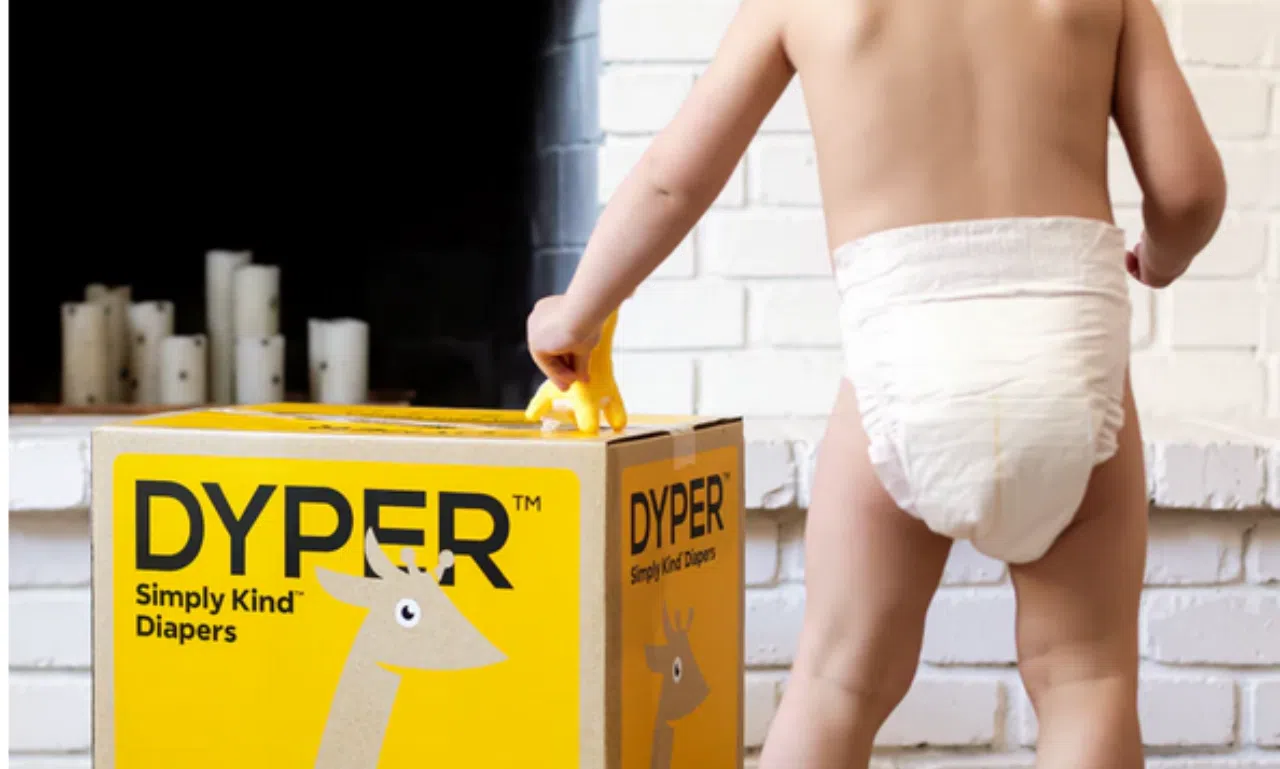
Dyper’s REDYPER™ program is a critical component of its value proposition, offering a tangible solution to the disposal dilemma that plagues disposable diapers. The program is designed to make the composting process as seamless as possible for parents. Subscribers to Dyper’s diaper service in eligible areas can receive special compostable bags and containers for used diapers. These are then picked up by a courier service, eliminating the need for parents to seek out local composting facilities themselves, which are often scarce or not equipped to handle human waste.
Upon collection, the used diapers and wipes are transported to partner industrial composting facilities. It is crucial to understand that composting diapers with human waste requires specialized facilities capable of maintaining high temperatures for sustained periods, which effectively sterilizes the waste and breaks down pathogens. This distinguishes industrial composting from typical backyard composting, which is generally not suitable for animal or human waste. Dyper’s collaboration with these specialized facilities ensures that the process is safe, efficient, and compliant with environmental regulations.
The efficacy of the REDYPER™ program is directly linked to the composition of Dyper’s products. The high percentage of plant-based, biodegradable materials allows for effective breakdown. While the program currently operates within specific geographic limitations due to the availability of suitable composting infrastructure, its expansion is a key strategic goal for Dyper. The 14 million pounds of waste diverted from landfills is a testament to the program’s potential and its ability to create a significant positive environmental impact on a growing scale.
Broader Implications and the Future of Baby Care
Dyper’s innovative model has significant implications for the broader baby care market and the waste management industry. Firstly, it challenges the long-standing paradigm of disposable diapers as an inherently unsustainable product. By demonstrating that high-performance, safe, and compostable single-use diapers are achievable, Dyper is pushing the boundaries of what consumers can expect from baby products. This innovation is likely to spur other manufacturers to invest in more sustainable materials and disposal solutions, fostering a more competitive and environmentally conscious market.
Secondly, the success and expansion of programs like REDYPER™ highlight the critical need for increased investment in composting infrastructure, particularly facilities equipped to handle mixed organic waste, including bio-waste. The current limitations of such infrastructure are a major bottleneck for scaling sustainable disposal solutions. Government initiatives, private sector investment, and public awareness campaigns will be crucial in building the necessary infrastructure to support a truly circular economy for products like diapers.
Thirdly, Dyper’s commitment to transparency and third-party certifications sets a new standard for corporate responsibility in the baby product industry. In an era where "greenwashing" is a pervasive concern, robust certifications provide consumers with verifiable assurance regarding a product’s environmental and health claims. This trend towards greater transparency empowers parents to make informed choices, fostering a market where genuine sustainability is rewarded.
The global baby care market is vast and growing, and with increasing environmental awareness among younger generations of parents, the demand for sustainable alternatives is set to surge. Dyper is positioned at the forefront of this shift, offering a solution that addresses both the immediate needs of parents and the long-term health of the planet. Their model demonstrates that convenience, performance, and sustainability can coexist, paving the way for a future where baby care products contribute less to landfill waste and more to the well-being of both children and the environment.
In conclusion, Dyper is not merely selling diapers; it is offering a comprehensive commitment to sustainability, transparency, and superior baby care. Through its plant-based, non-toxic products and the revolutionary REDYPER™ program, the company is actively redefining the disposable diaper industry, proving that innovation can indeed transform a major source of waste into a pathway for a greener, healthier future for all.



 Anjar Salim
 Chandra Hamzah
 Tatiana Tantri Indah Sari
 Budi Mulyono
 Lukman Taruna Persada Ramadan
