
 Budi Mulyono
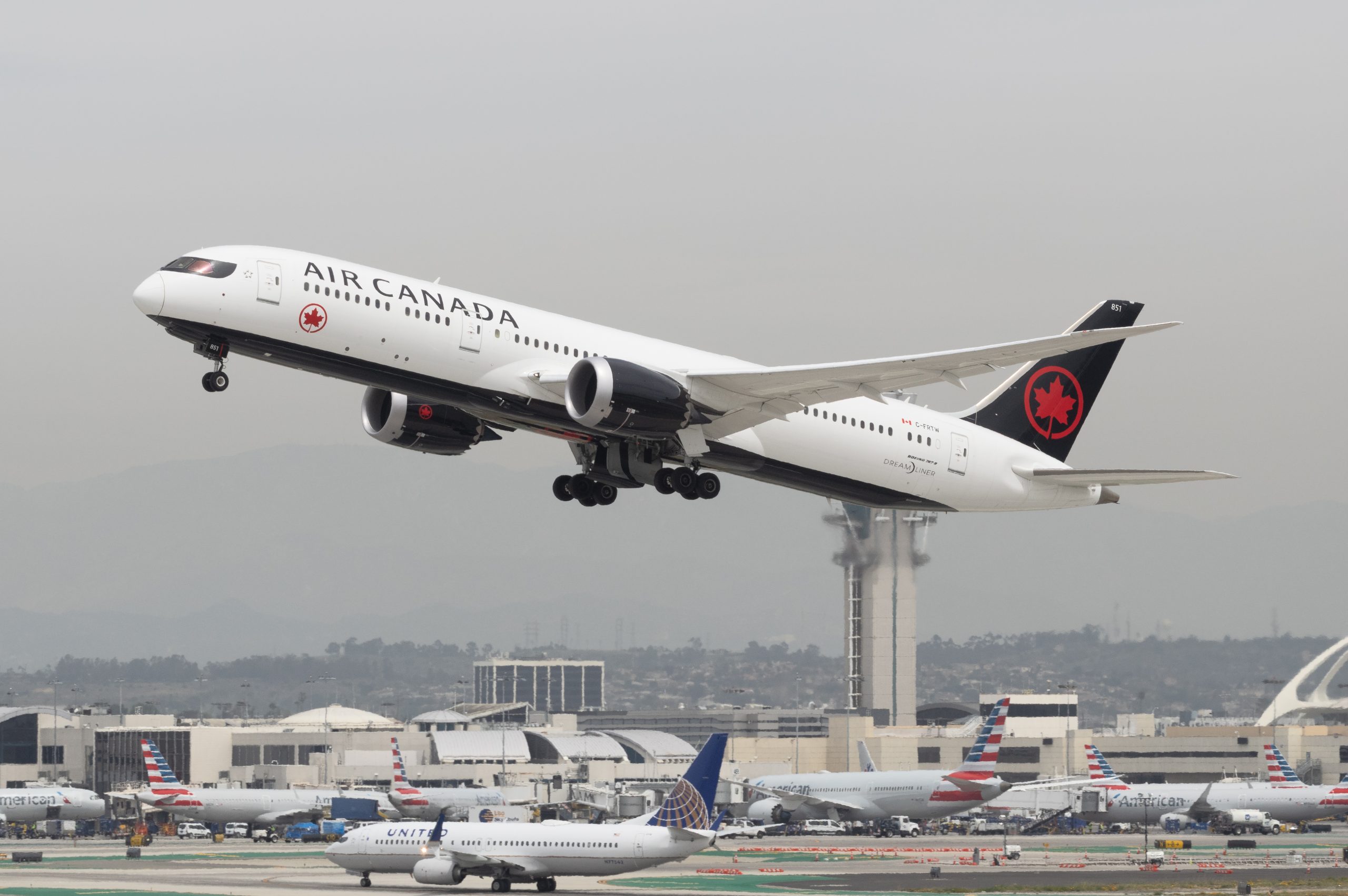
The Canadian Union of Public Employees (CUPE), which represents approximately 10,000 flight attendants at Canada’s flag carrier, has launched a formal challenge against Air Canada over what it characterizes as a blatant violation of collective bargaining agreements. The dispute centers on the rapid expansion of Air Canada Rouge, the airline’s lower-cost leisure subsidiary, which the union claims has surpassed a strictly negotiated fleet cap of 50 aircraft. This legal and operational friction marks a significant escalation in the long-standing tension between the airline’s management and its frontline staff regarding the "scope" of mainline operations versus the growth of its discount-model affiliate.
The Genesis of Air Canada Rouge and the 50-Aircraft Cap
To understand the current conflict, it is necessary to examine the economic landscape of 2013, the year Air Canada Rouge was inaugurated. At the time, Air Canada was struggling to remain competitive on "sun destinations"—routes to the Caribbean, Mexico, and Florida—as well as secondary European leisure markets. High operating costs at the mainline carrier, driven in part by legacy labor contracts and fleet configurations, made it difficult to compete with leaner rivals such as Air Transat, Sunwing, and the expanding WestJet.
Air Canada Rouge was designed as the solution to this profitability gap. By utilizing a different cabin configuration with higher seat density, offering a modified service model, and—most importantly—employing flight attendants under a separate collective agreement with lower pay scales and reduced benefits, the airline could significantly lower its CASM (Cost per Available Seat Mile).
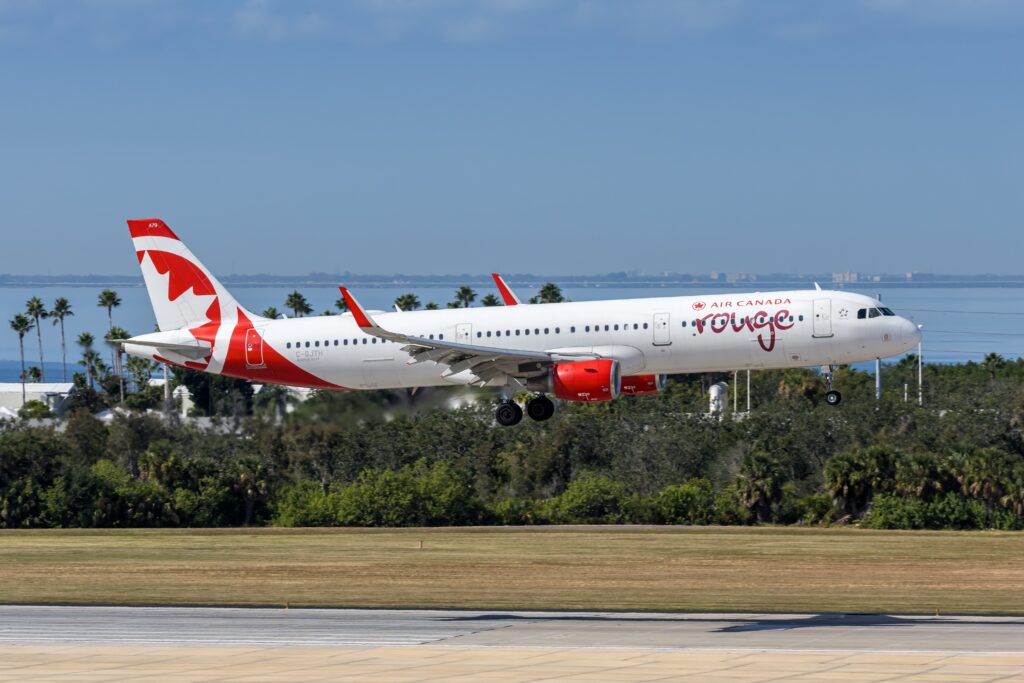
However, the mainline flight attendants, represented by the Air Canada Component of CUPE, viewed the creation of Rouge with deep suspicion. The primary fear was "job erosion"—the possibility that management would slowly migrate more and more flying from the mainline carrier to the cheaper subsidiary, effectively replacing high-paying jobs with lower-paying ones. To mitigate this risk, the union negotiated a "Scope" clause in their contract. This clause acted as a firewall, strictly limiting Air Canada Rouge to a maximum of 50 aircraft. Under the terms of the agreement, this cap cannot be exceeded without the express written consent of the union, a provision intended to ensure that Rouge remained a secondary, leisure-focused entity rather than a replacement for the mainline brand.
The Breach: A Transition to 52 Aircraft
The current controversy erupted last week when Air Canada management announced plans to transition additional aircraft into the Rouge fleet, bringing the total to 52. While a difference of two aircraft may seem marginal to the casual observer, in the world of labor relations and contract law, it represents a fundamental breach of a negotiated limit.
Air Canada has reportedly informed its staff that this expansion is a temporary measure necessitated by current operational demands and fleet availability. However, CUPE has rejected this justification, asserting that the airline did not seek the required consent before moving forward with the expansion. In a memo sent to its members on Friday, the union stated that it had not granted any permission to exceed the 50-aircraft threshold during recent rounds of bargaining and that no scope changes had been agreed upon that would permit such a move.
The union’s demand is unequivocal: immediate compliance with the 50-aircraft limit and "full make-whole remedies" for any adverse impacts caused by the breach. This includes potential financial damages to the union and the disclosure of all internal documents the company is relying upon to justify the expansion.
The "Blurring of Lines": A Second Front in the Dispute
The fleet size is not the only point of contention. CUPE is also pursuing a separate grievance related to the "product identity" of Air Canada Rouge. According to the original framework of the subsidiary, Rouge was intended to have "clear and defined differences" in service, aircraft configuration, and branding to distinguish it from the premium mainline product.
Recently, however, Air Canada has begun a significant upgrade of the Rouge passenger experience. Earlier this month, the subsidiary took delivery of its first Boeing 737MAX aircraft. Unlike the older, more utilitarian aircraft previously associated with the leisure brand, these new jets feature:
- A dedicated Premium Economy cabin at the front of the aircraft.
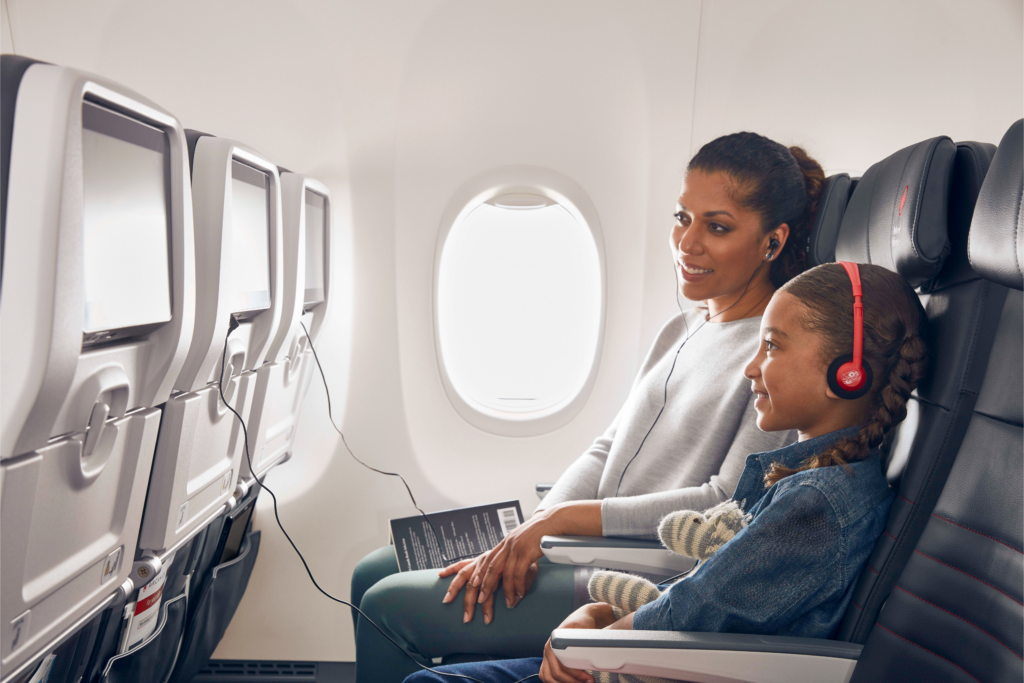
- The latest seatback In-Flight Entertainment (IFE) systems at every seat.
- High-speed, free Wi-Fi for all passengers, sponsored by Bell.
- Enhanced food and beverage offerings, including complimentary wine and beer on North American and Caribbean routes.
While these upgrades are a boon for travelers, they have sparked fury among mainline flight attendants. The union argues that by narrowing the gap between the Rouge product and the Mainline product, Air Canada is violating the spirit and the letter of the collective agreement. The union’s leadership has asked rhetorically: "If Rouge and Air Canada Mainline are intended to be separate products, why are the differences becoming harder to distinguish?"
The concern is that if the consumer experience is virtually identical, management will have even more incentive to shift routes to the Rouge platform where labor costs are lower, further threatening the long-term viability of mainline flight attendant positions.
Chronology of Recent Events
The escalation of this dispute has followed a rapid timeline over the first quarter of 2024:
- Early March 2024: Air Canada announces a refresh of the Rouge brand, including the introduction of Boeing 737MAX aircraft into the subsidiary’s fleet to replace aging Airbus A319s and A321s.
- Mid-March 2024: CUPE files an initial grievance regarding the "blurring of lines," arguing that the upgraded Rouge cabin and service standards violate the requirement for a distinct, lower-tier product.
- Late March 2024: Air Canada officially takes delivery of the first 737MAX configured for Rouge, featuring upgraded interiors and free Wi-Fi.
- Last Week: Air Canada management notifies the union and staff that the Rouge fleet will be expanded to 52 aircraft to meet seasonal demand and fleet rotations.
- Friday, Last Week: CUPE issues a sharp rebuke to its members, announcing a formal demand for immediate compliance and legal remedies for the breach of the 50-aircraft cap.
Data and Economic Context
The push to expand Rouge comes at a time when the Canadian aviation market is undergoing significant restructuring. Following the merger of WestJet and Sunwing, and the shuttering of low-cost carrier Lynx Air, the competitive landscape has shifted. Air Canada is under pressure to maintain its market share in the leisure sector while also managing a massive capital expenditure program for new aircraft, including the Boeing 787-10 and Airbus A321XLR.
Financially, the incentive to use Rouge is clear. Industry analysts estimate that "low-cost" subsidiaries can operate with labor costs 20% to 30% lower than their mainline parents. By expanding the Rouge fleet and improving the product, Air Canada can potentially capture higher-yielding leisure travelers who might otherwise choose a competitor, all while maintaining a lower cost base.
However, the 50-aircraft cap was the price of labor peace during previous negotiations. For the union, allowing that cap to be breached—even by two aircraft—sets a dangerous precedent that could lead to the eventual dismantling of the mainline domestic and short-haul network in favor of the Rouge model.
Broader Implications for the Airline Industry
This dispute is a classic example of "Scope Clause" litigation, a common feature in North American aviation. In the United States, major carriers like United, Delta, and American Airlines have similar, often even more restrictive, clauses regarding the size and number of regional jets operated by third-party partners (like SkyWest or Republic).
The Air Canada situation is unique because Rouge is a wholly-owned subsidiary rather than a third-party partner. The outcome of this grievance will likely set a benchmark for how Canadian labor law treats "internal" low-cost carriers. If the union is successful in forcing Air Canada to divest the two extra aircraft or pay significant damages, it will limit the airline’s flexibility in responding to market fluctuations. Conversely, if Air Canada successfully argues that the breach is a temporary operational necessity, it may embolden the carrier to test the limits of other contract clauses.
Official Responses and Next Steps
Air Canada has maintained that it values its employees and aims to remain competitive in a volatile global market. While the airline has not issued a detailed public rebuttal to the specific legal claims made by CUPE, it has historically defended the Rouge model as essential for preserving jobs that would otherwise be lost to foreign discount carriers.
CUPE, meanwhile, is preparing for a potential arbitration process. Under Canadian federal labor law, disputes over the interpretation of a collective agreement that cannot be resolved through internal grievance procedures are typically sent to a third-party arbitrator. The union has signaled that it is prepared for a protracted fight to protect the "Mainline scope" and ensure that the growth of Rouge does not come at the expense of its senior members.
As the summer travel season approaches, the resolution of this conflict will be critical. If the relationship between the flight attendants and the airline continues to deteriorate, it could lead to labor unrest that impacts operations during the busiest time of the year. For now, the focus remains on the legal interpretation of a single number: 50. For Air Canada, it is an operational hurdle; for the union, it is a line in the sand that cannot be crossed.



 Chandra Hamzah
 Gabriela Annisa
 Tatiana Tantri Indah Sari
 Anjar Salim