
 Budi Mulyono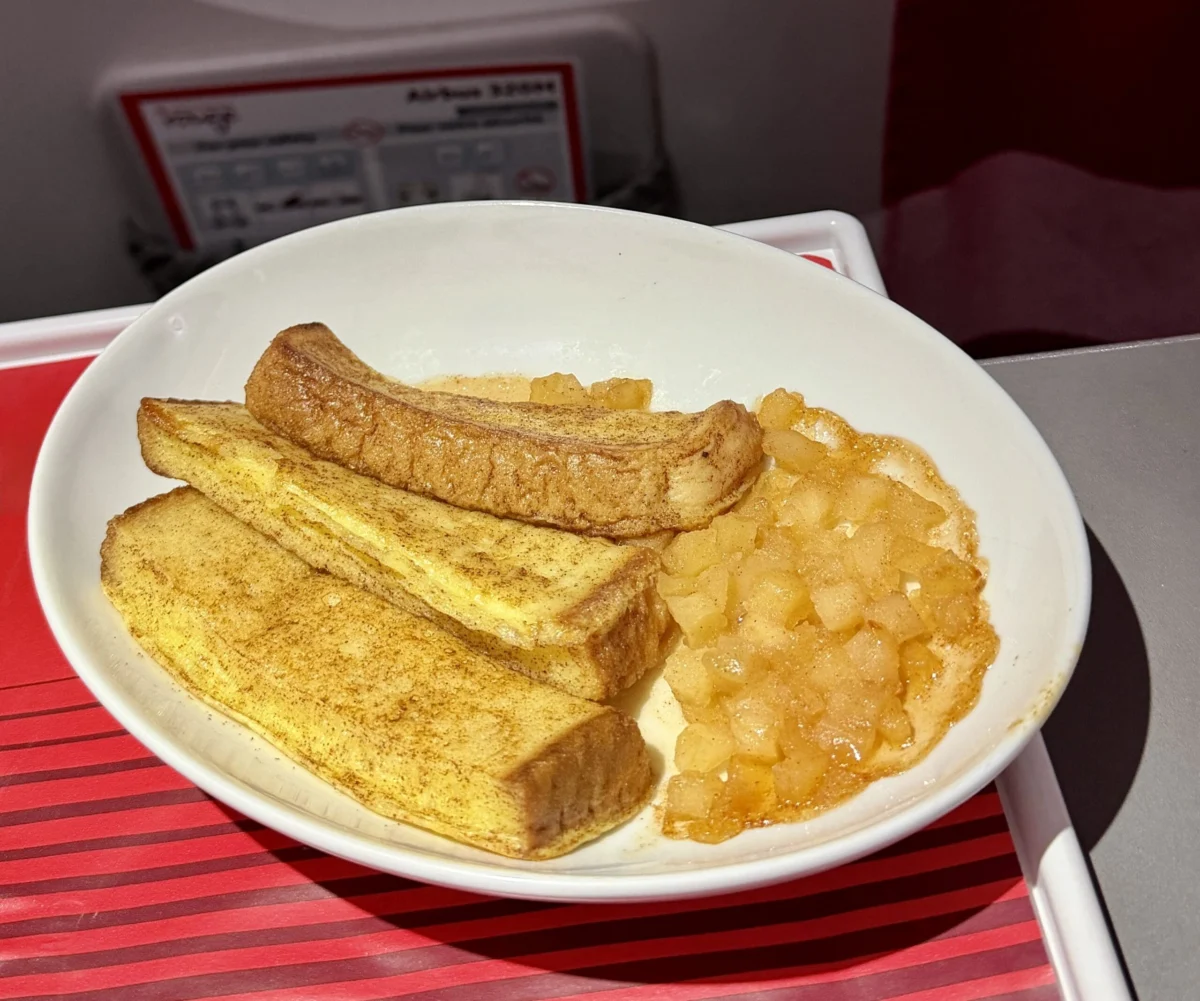
The operational efficiency and service consistency of Air Canada’s leisure subsidiary, Air Canada Rouge, have come under scrutiny following recent passenger experiences on key transborder routes, specifically the corridor between Toronto Pearson International Airport (YYZ) and Tampa International Airport (TPA). During a recent flight on this route, the airline’s catering logistics faced challenges when pre-ordered meals were unavailable, leading to the substitution of standard menu items and highlighting the complexities of managing in-flight dining expectations in a post-pandemic aviation environment. The incident involving a French Toast breakfast dish serves as a focal point for analyzing the broader trends in North American airline catering, the reliability of pre-order systems, and the competitive positioning of Canadian carriers against their United States-based counterparts.
The Specifics of the In-Flight Dining Incident
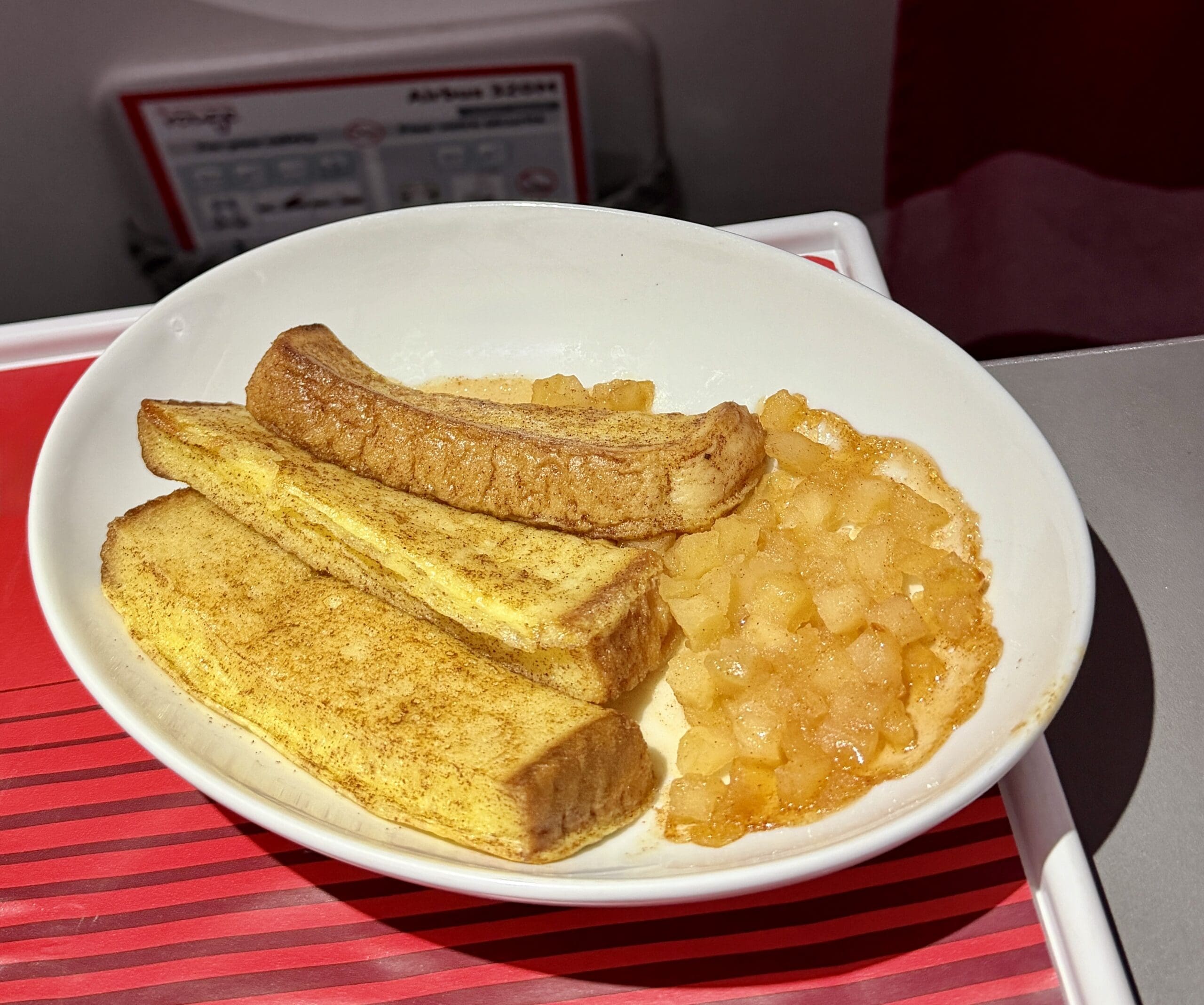
On a morning flight departing from Toronto Pearson International Airport destined for Tampa, a passenger who had utilized the airline’s pre-order system found that the cabin crew was unable to fulfill the request. According to reports from the flight, the crew did not have access to the records or the physical inventory of pre-ordered meals, a situation that necessitated an immediate substitution from the available on-board stock. This logistical breakdown resulted in the service of a French Toast breakfast dish, which was notably similar to the "Golden Brown Apple Pancakes" previously offered by the carrier.
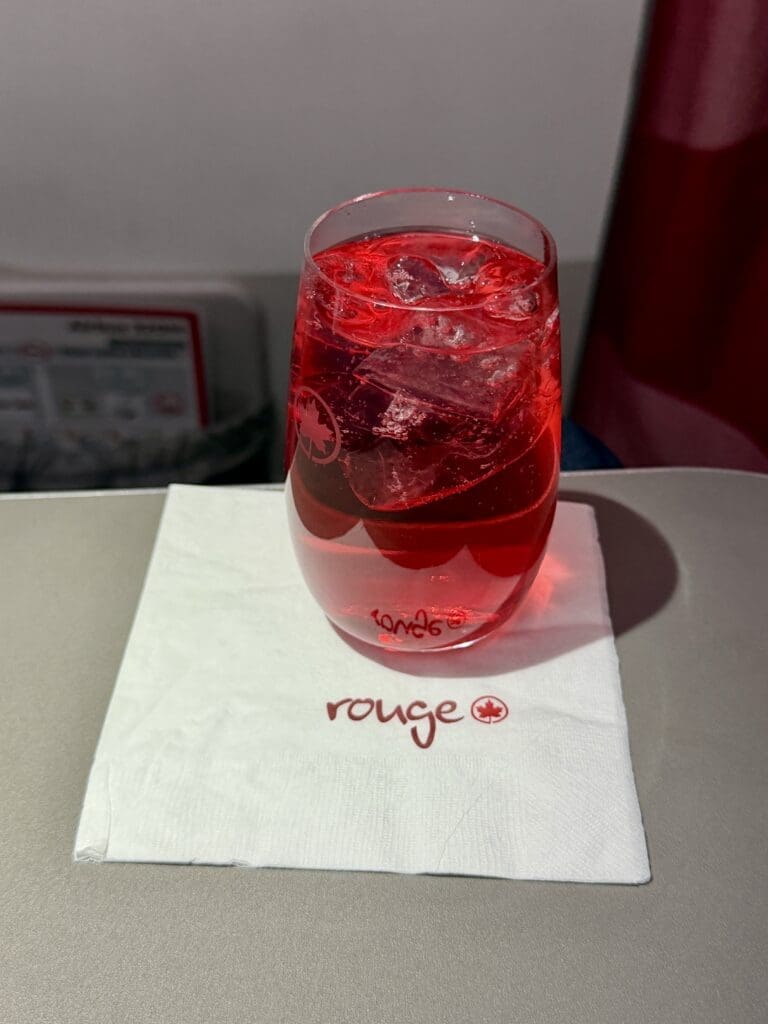
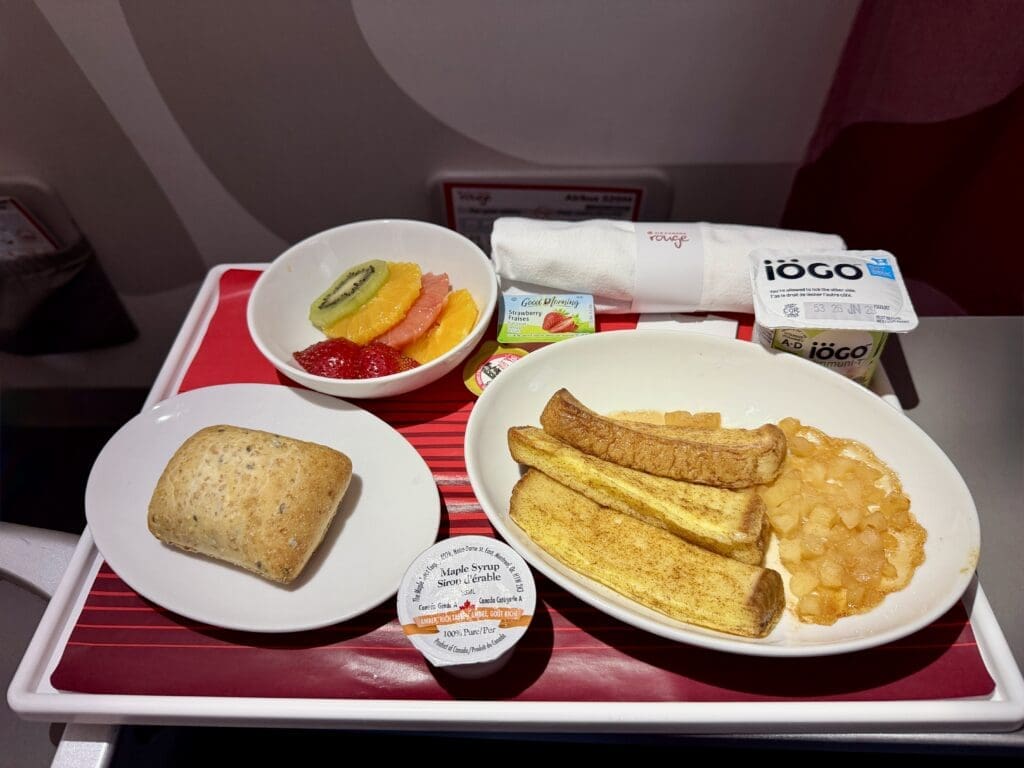
The meal tray provided to passengers in the premium cabin or those eligible for hot meal service consisted of the French Toast main course, accompanied by a side of fresh fruit, a bread roll, and a yogurt. The beverage service included a customized blend of cranberry juice and club soda, reflecting the standard non-alcoholic options available on short-to-medium-haul transborder flights. The French Toast itself was described as requiring the addition of an apple compote and maple syrup to enhance its flavor profile, suggesting that the airline relies on modular condiments to maintain versatility across its breakfast menu.
Background Context: The Role of Air Canada Rouge
Air Canada Rouge was launched in December 2012 as a wholly-owned subsidiary of Air Canada, designed to compete in the growing "leisure" market. The airline primarily services vacation destinations in the Caribbean, Mexico, the United States, and select European cities. Unlike the mainline Air Canada service, Rouge was traditionally positioned with a different cabin configuration and service model, though it has evolved significantly over the last decade.
The Toronto to Tampa route is a critical segment for Air Canada Rouge, catering to both seasonal "snowbird" travelers and year-round tourists. As a transborder flight of approximately 1,050 miles with a flight time of roughly three hours, the expectations for service often mirror those of domestic first-class or business-class offerings in the United States. However, the use of the Rouge brand signifies a specific cost structure for the airline, which often impacts the depth and variety of the catering menu compared to mainline international flights.
Chronology of In-Flight Catering Logistics
The process of delivering a hot meal on a transborder flight involves a complex chain of events that begins days before takeoff.
- Menu Design and Sourcing: Air Canada’s culinary team, often in collaboration with partner chefs, designs menus that can withstand the low-humidity environment of an aircraft cabin. The "apple compote" mentioned in recent reviews appears to be a recurring element in their breakfast inventory, used to bridge the gap between different starch bases like pancakes and bread.
- The Pre-Order Window: Passengers are typically invited to select their meals via the airline’s app or website between 30 days and 72 hours before departure. This system is intended to reduce food waste and ensure passenger satisfaction.
- Catering Upload: At Toronto Pearson, catering is managed by large-scale providers such as GateGroup or LSG Sky Chefs. The meals are prepared in industrial kitchens near the airport, chilled, and loaded onto high-lift trucks.
- Onboard Manifest Verification: Once the aircraft is catered, the lead flight attendant (In-Charge) is supposed to receive a manifest detailing special requests and pre-orders.
- The Service Failure: In the instance of the YYZ-TPA flight, the breakdown occurred at the manifest or communication stage, where the cabin crew was unaware of the pre-orders, leading to the "blah" reception of the default French Toast option.
Supporting Data: The Economics of Airline Food
The airline catering industry is projected to reach a market value of over $20 billion by 2030, yet individual airlines are constantly balancing the cost of these amenities against ticket yields. For a carrier like Air Canada, providing a hot meal on a two-to-three-hour flight is a significant differentiator, as many US-based carriers have moved toward "buy-on-board" snacks for similar distances in economy, reserving hot meals only for the highest-tier cabins or longer "hub-to-hub" routes.
Data suggests that the cost of a standard airline breakfast tray in a premium cabin ranges from $12 to $25, depending on the complexity of the protein and the inclusion of fresh sides. When a pre-order system fails, the airline not only risks passenger dissatisfaction but also incurs the hidden cost of "double-catering" if the original pre-ordered food was loaded but not identified, or the cost of waste if the substituted food was intended for another passenger.
Industry Reactions and Service Recovery Standards
While Air Canada has not issued a specific statement regarding the catering discrepancies on the YYZ-TPA route, industry analysts note that such failures are often attributed to software synchronization issues between the booking database and the catering provider’s manifest.
Service recovery in these instances usually involves the flight attendant offering an alternative from the available menu or, in some cases, providing the passenger with a voucher for future travel or "Aeroplan" points as compensation for the missed pre-order. The "User Generated Content" and reviews from frequent flyers—some of whom have logged over three million miles—indicate that while the meal may be "okay" as a source of sustenance, the lack of "wow factor" in the culinary execution remains a point of contention for those accustomed to the premium services of Delta Air Lines, American Airlines, or United Airlines.
Comparative Analysis: Air Canada vs. US Legacy Carriers
In the competitive transborder market, Air Canada Rouge competes directly with the "Big Three" US carriers.
- Delta Air Lines: Known for its partnership with local chefs and a robust pre-order system that is generally regarded as highly reliable. Delta has recently reinvested in its "First Class" snack baskets and hot meal programs for routes exceeding 900 miles.
- United Airlines: Has faced similar criticism to Air Canada regarding the "repetition" of breakfast items (often jokingly referred to by frequent flyers as the "perpetual egg casserole"), but has made strides in digitizing its meal-ordering process.
- American Airlines: Recently refreshed its domestic premium menus with a focus on healthier options, though it also relies heavily on pre-ordered selections to manage inventory.
Air Canada Rouge’s offering of French Toast with apple compote is a safe, high-volume choice that appeals to a wide demographic. However, the reliance on a "bread substituted for pancakes" model suggests a streamlined catering approach that prioritizes ease of preparation over culinary innovation.
Broader Impact and Implications for the Aviation Industry
The incident on the Toronto to Tampa flight is symptomatic of a broader challenge in the aviation industry: the "standardization" of the passenger experience at the expense of variety. As airlines consolidate their catering contracts and move toward more shelf-stable or easily reheated components (like the mentioned apple compote), the distinctiveness of individual airline brands can become blurred.
Furthermore, the failure of digital systems—such as the pre-order manifest—highlights a vulnerability in the "seamless" travel experience that airlines promise. As carriers encourage passengers to interact more with apps and less with human agents for tasks like check-in and meal selection, the manual "fall-back" procedures must be equally robust to prevent service lapses.
For Air Canada Rouge, maintaining its reputation as a preferred leisure carrier requires more than just getting passengers from point A to point B; it requires the successful execution of the "soft product" amenities that justify the premium for certain fare classes. While the French Toast served its purpose as an edible breakfast, the lack of official menus and the failure of the pre-order system represent areas where operational refinement is necessary to meet the expectations of seasoned travelers.
Future Outlook for Transborder Dining
Looking ahead, passengers can expect continued experimentation with meal-ordering technology. Some airlines are testing "just-in-time" catering, where meals are loaded based on real-time data up to four hours before departure. Additionally, the trend toward "wellness" in the air may see the replacement of heavy, syrup-laden breakfast items like French Toast with high-protein or plant-based alternatives, which are easier to maintain at quality during the reheating process.
In conclusion, while the Air Canada Rouge flight from Toronto to Tampa provided a functional travel experience, the catering challenges encountered underscore the delicate balance between logistics and passenger satisfaction. As the airline industry continues to navigate the complexities of global supply chains and digital integration, the humble airplane breakfast remains a significant, albeit challenging, touchpoint in the passenger journey.




 Chandra Hamzah
 Tatiana Tantri Indah Sari
 Anjar Salim

