
 Budi Mulyono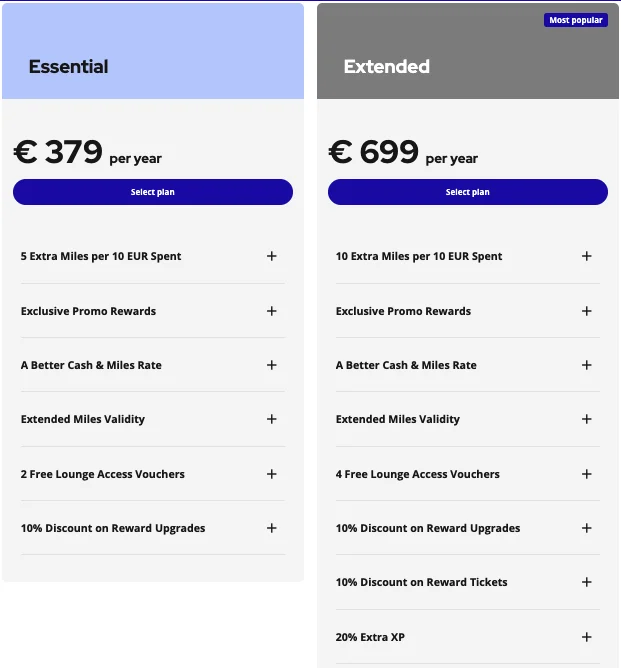
The Air France-KLM Group has officially launched its latest iteration of the Flying Blue Promo Rewards program for the month of May, providing frequent flyers with the opportunity to redeem miles at a significant discount. This month’s selection encompasses 41 destinations worldwide, offering a flat 25 percent reduction on the standard minimum mileage requirements. The promotional fares are applicable across multiple cabins, including Economy, Premium Economy, and Business Class, though availability varies depending on the specific route and carrier.
This cycle of promotions introduces a notable shift in the Flying Blue ecosystem, as approximately 48 percent of the discounted routes—20 out of the 41 available—are now reserved exclusively for members with a Flying Blue Extra subscription. This strategic move indicates a growing trend within the aviation industry toward tiered, paid loyalty benefits, moving beyond the traditional earn-and-burn model.
Comprehensive Overview of the May Promo Rewards
The May Promo Rewards are designed to incentivize travel during the late spring and throughout the summer and autumn seasons. According to the program’s official guidelines, travelers must finalize their bookings by May 31, 2026, for travel occurring between the current date and October 31, 2026. This window covers several peak travel periods, making the 25 percent discount particularly valuable for those planning transatlantic or long-haul excursions.
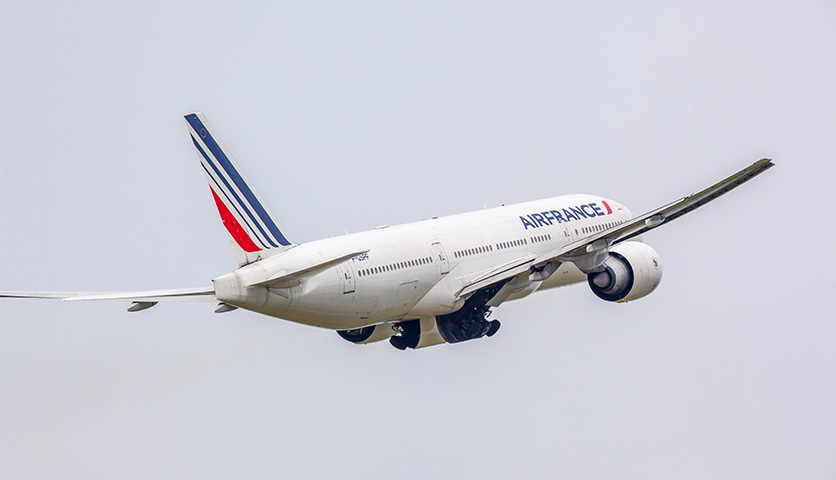
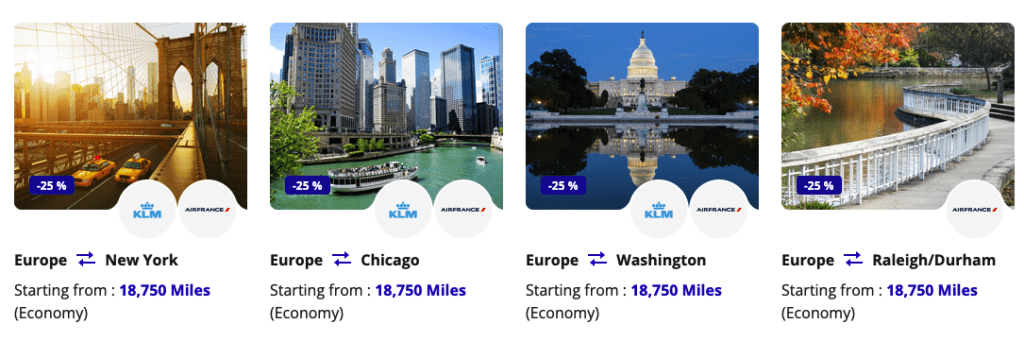
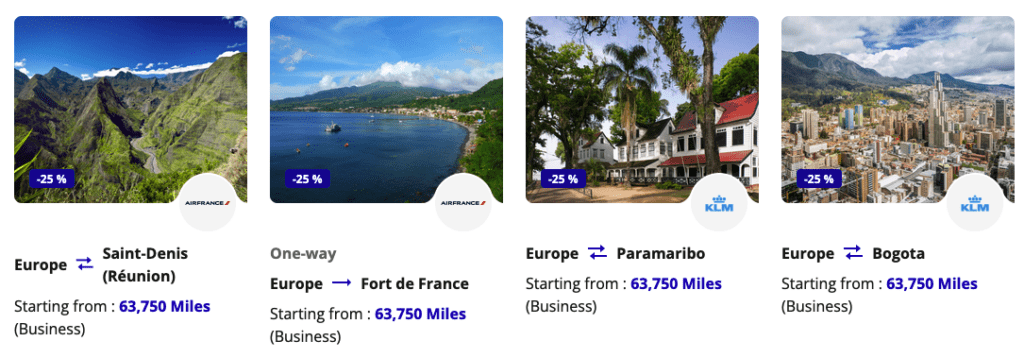
Among the headline offers for this month are Business Class redemptions to Bogota, Colombia, which historically represent some of the highest value-per-mile opportunities within the program. North American travelers are also being targeted with Economy Class discounts to popular destinations such as Las Vegas and San Diego, while Premium Economy options are highlighted for routes to New York.
The structure of the discounts is applied to the "starting from" mileage rates. Because Flying Blue utilizes a dynamic pricing model, the actual number of miles required can fluctuate based on demand, date, and seat availability. However, the Promo Rewards provide a lower "floor" for these redemptions, ensuring that savvy travelers can secure seats for significantly fewer miles than the standard baseline.
The Strategic Shift: Flying Blue Extra Requirements
A defining characteristic of the May rewards is the heavy integration of the "Flying Blue Extra" subscription service. For the first time, nearly half of the promotional inventory is gated behind this paid membership. Flying Blue Extra is a relatively new subscription-based package offered by Air France-KLM, designed to provide consistent benefits to frequent travelers who may not necessarily hold elite status through traditional flight activity.
The subscription is divided into tiers, with the "Essential" package starting at approximately 379 Euros per year. Subscribers receive a variety of benefits, including a percentage-based bonus on miles earned, additional Experience Points (XP) to help fast-track toward Silver, Gold, or Platinum status, and, most crucially for this month, exclusive access to a wider array of Promo Rewards.
Industry analysts suggest that this move is intended to create a more predictable revenue stream for the airline group while simultaneously thinning the competition for high-value award seats. By requiring a subscription for Business Class routes to major hubs like Montreal and Toronto, Air France-KLM is testing the price elasticity of its most loyal customer base. For a traveler planning a single round-trip Business Class journey, the 30,000 to 40,000 miles saved through the 25 percent discount can often outweigh the 379 Euro subscription fee, effectively turning the loyalty program into a "pay-to-save" club.
Geographic Breakdown of Available Routes
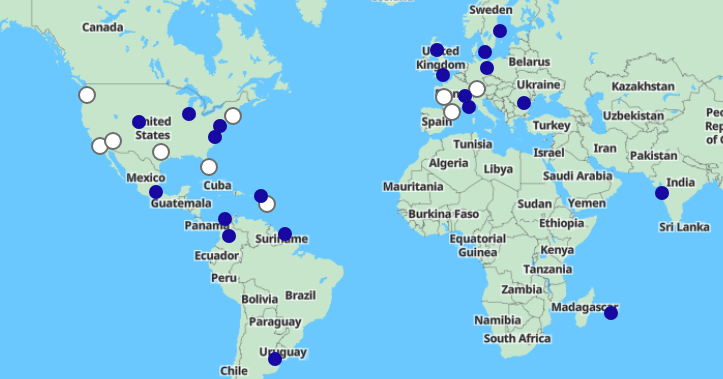
The May rewards are distributed across four primary geographic sectors, each serving a different segment of the travel market.
North American Corridors
North America remains a cornerstone of the Flying Blue network. For May, the standard rewards—those not requiring an Extra subscription—include Economy and Premium Economy seats to major gateways. New York remains a frequent fixture, serving as a primary hub for both Air France at Paris-Charles de Gaulle (CDG) and KLM at Amsterdam Schiphol (AMS). The inclusion of San Diego and Las Vegas as Economy options reflects a push to fill capacity on leisure-heavy routes during the shoulder seasons.
Caribbean and South American Markets
The South American sector is highlighted by the inclusion of Bogota. Business Class redemptions to the Colombian capital are highly sought after due to the length of the flight and the quality of the onboard product offered on Air France’s long-haul fleet. These routes provide a critical link for both business travelers and the growing tourism sector in the Andean region.
European Short and Medium Haul
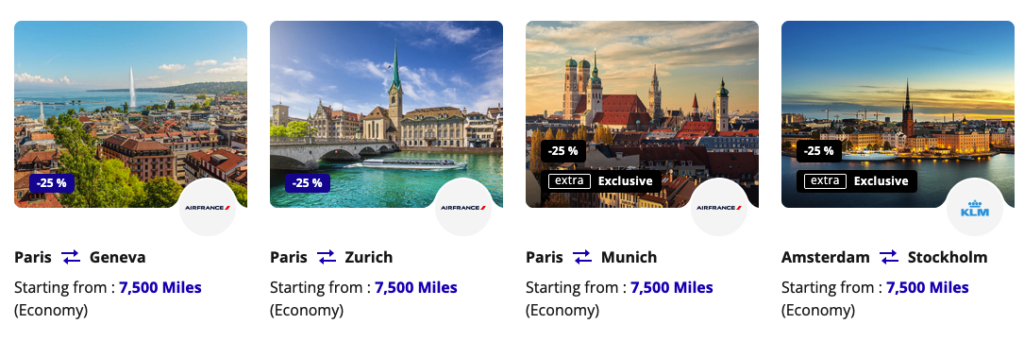
The European network features a mix of standard and subscription-only rewards. These routes are essential for the "hub-and-spoke" model utilized by Air France and KLM, allowing passengers from regional airports to connect through Paris or Amsterdam to the broader international network. The 25 percent discount on these shorter hops often reduces the mileage cost to very low levels, sometimes as low as 5,000 to 7,500 miles one-way.
Asia and Other Long-Haul Destinations
While the Asian market continues its gradual recovery and expansion, the May rewards include select options for long-haul travel to the East. Most of these high-demand routes are currently listed under the Flying Blue Extra requirement, reflecting the premium nature of these long-distance flights and the limited award inventory available.
Historical Context and Program Evolution
The Flying Blue program, a joint venture between Air France and KLM (and including partners like Transavia and Aircalin), has undergone significant transformations since its inception. Originally a traditional distance-based program, it transitioned to a revenue-based earning model in 2018. This shift meant that miles were earned based on the Euro spent rather than the miles flown, aligning the program with major US carriers like Delta Air Lines and United Airlines.
The "Promo Rewards" have been a staple of the program for over a decade, usually released on the first of every month. Historically, these promotions offered discounts ranging from 25 percent to 50 percent. In recent years, the program has standardized mostly around the 25 percent mark, though the breadth of the destination list has expanded.
The introduction of the subscription model via Flying Blue Extra represents the latest evolution. As airlines grapple with high operational costs and fluctuating fuel prices, they are increasingly looking toward "ancillary loyalty revenue." This involves selling points directly to consumers, partnering with credit card issuers, and now, charging annual fees for access to the best redemption rates.
Analysis of Economic Implications for Travelers
From a consumer perspective, the May Promo Rewards represent a mixed landscape. On one hand, the continued existence of 25 percent discounts is a boon for those with large balances of Flying Blue miles. These miles are easily obtainable not just through flying, but through transfers from major credit card ecosystems, including American Express Membership Rewards, Chase Ultimate Rewards, Capital One Miles, and Citi ThankYou Points.
However, the "paywalling" of nearly half the routes introduces a new layer of complexity. Travelers must now perform a cost-benefit analysis:
- The Mileage Savings: If a Business Class ticket normally costs 80,000 miles and is discounted to 60,000, the 20,000-mile saving is significant.
- The Monetary Cost: If that 20,000-mile saving requires a 379 Euro subscription, the traveler is essentially "buying" those 20,000 miles for 1.89 cents each.
- The Break-even Point: For a solo traveler, this may be a marginal gain. For a family of four booking together, the savings become exponential while the subscription cost remains fixed, provided one member holds the subscription and can book for the group (subject to program terms).
Operational Logistics and Booking Procedures
Air France-KLM has optimized its digital platforms to handle the influx of promotional bookings. Travelers are encouraged to use the "Reward Ticket" search function on the Air France or KLM websites. One of the unique features of the Flying Blue search engine is the ability to view a monthly calendar of prices, which is essential for identifying the specific dates where the 25 percent Promo Reward is active.
It is important to note that while the mileage requirement is reduced, the carrier-imposed surcharges and government taxes remain unchanged. On transatlantic flights, these fees can range from $150 in Economy to over $500 in Business Class. Consequently, the "total value" of the redemption must take these cash outlays into account.
Future Outlook for the Loyalty Sector
The May Promo Rewards release serves as a bellwether for the broader airline loyalty industry. As Air France-KLM integrates subscription requirements into its most popular promotions, other global carriers are likely to observe the results closely. If the Flying Blue Extra subscription sees a significant uptick in sign-ups this month, it could signal a permanent shift in how "deals" are distributed to the flying public.
Furthermore, the focus on specific destinations like Bogota and San Diego suggests that the airline group is using data-driven insights to target markets where they have excess capacity or where they wish to challenge competitors. By offering discounted award seats, they ensure that planes fly full while maintaining the perceived value of their premium cabins.
As the booking window remains open until the end of May, the airline expects high engagement levels. Travelers are advised to monitor availability closely, as the most desirable routes in Business Class are expected to be claimed rapidly, despite the new subscription hurdles. This month’s rewards highlight a sophisticated balancing act by Air France-KLM: rewarding loyalty, driving subscription revenue, and managing seat inventory in an increasingly competitive global aviation market.




 Anjar Salim
 Chandra Hamzah
 Tatiana Tantri Indah Sari
 Lukman Taruna Persada Ramadan
