
 Gabriela Annisa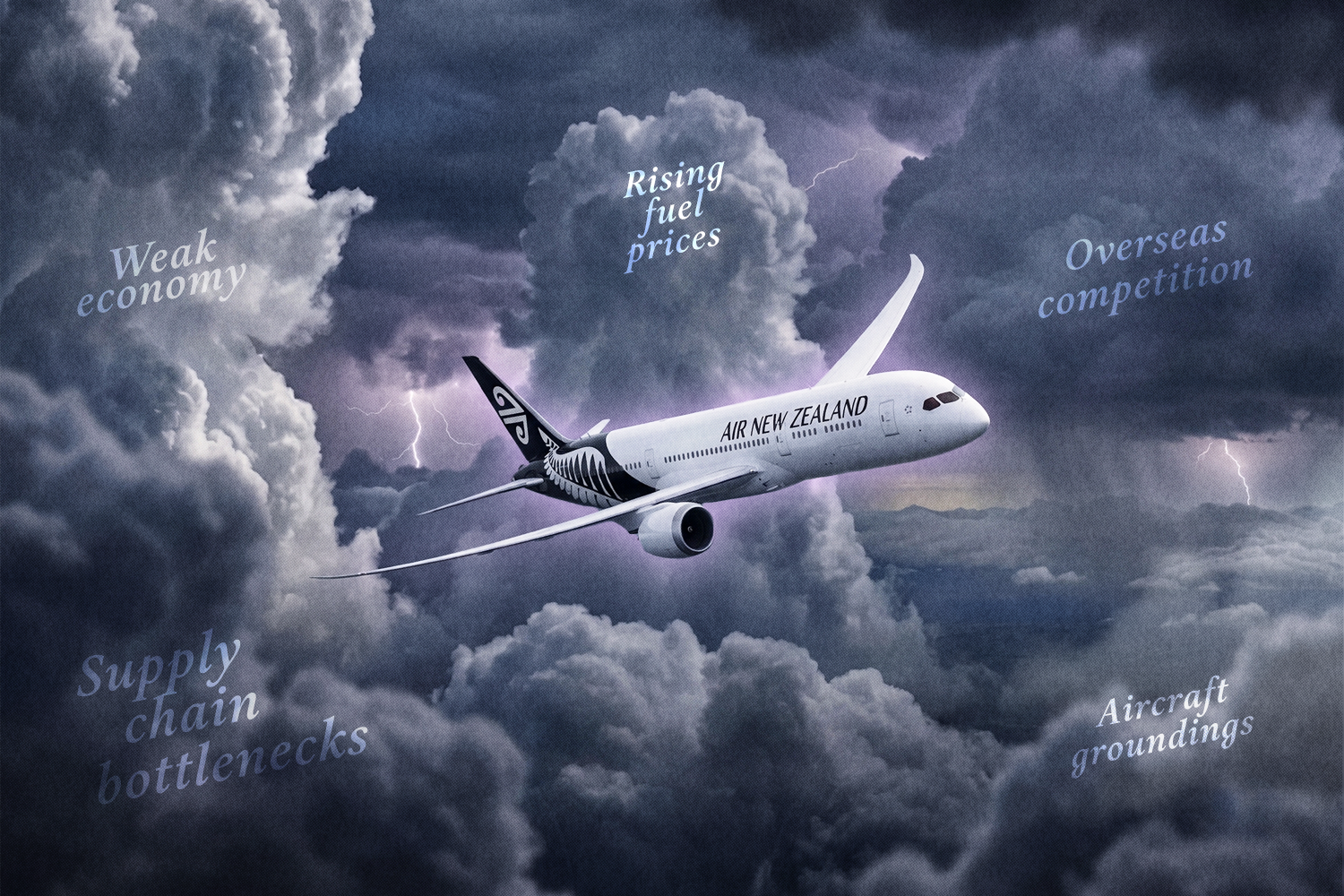
Nikhil Ravishankar, Air New Zealand’s newly appointed Chief Executive Officer, has unveiled a comprehensive strategic reset designed to steer the national carrier through persistent operational headwinds and chart a course back to sustained profitability. This ambitious plan, often referenced as a "three-pillar reset," comes at a critical juncture for the airline, which has been grappling with a confluence of challenges ranging from debilitating engine groundings and soaring fuel costs to a more conservative post-pandemic demand environment. The industry, and indeed the nation, now watches closely to see if Ravishankar’s vision, centered on a sharper customer focus, rigorous cost management, and technological innovation, can deliver the turnaround necessary for the Kiwi carrier’s long-term success.
The Genesis of the Reset: A Confluence of Headwinds
Air New Zealand’s recent financial performance has been significantly hampered by external factors that have tested its operational resilience and financial stability. The most prominent of these has been the widespread issue of Pratt & Whitney GTF (Geared Turbofan) engine groundings. These engines, critical to a portion of Air New Zealand’s modern fleet, particularly its Airbus A320/A321neo aircraft, have required extensive maintenance checks and replacements due to manufacturing flaws identified by RTX (formerly Raytheon Technologies). The resultant downtime for aircraft has led to significant capacity reductions, impacting flight schedules, disrupting passenger travel, and necessitating costly contingency measures such as wet-leasing aircraft and re-routing passengers.
The impact of these groundings began to escalate in late 2023 and has carried into 2024, with industry estimates suggesting that dozens of aircraft globally, including several within Air New Zealand’s fleet, have been out of service for extended periods. This has forced the airline to cancel numerous flights, particularly on popular trans-Tasman and Pacific Island routes, directly affecting revenue generation and customer goodwill. The financial implications extend beyond lost revenue, encompassing increased maintenance costs, compensation for disrupted passengers, and the operational complexity of managing a reduced fleet. Analysts estimate the cumulative cost of these engine issues for affected airlines globally to be in the billions of dollars, with Air New Zealand’s share representing a significant burden relative to its size.
Compounding these operational challenges, the airline has also navigated a period of extreme volatility in global fuel prices. Geopolitical events, coupled with supply chain disruptions and fluctuating demand, have driven the cost of jet fuel to historic highs at various points over the past two years. Fuel typically represents one of an airline’s largest operating expenses, often accounting for 25-35% of total costs. While prices have shown some moderation, the extended period of elevated costs has placed immense pressure on Air New Zealand’s profit margins, eroding the gains from early post-pandemic travel recovery. The airline’s hedging strategies, while mitigating some of the immediate shocks, have not been entirely impervious to the sustained upward trend, leading to hundreds of millions in additional expenditure.
Furthermore, a "softer demand" environment has emerged in certain key markets. While leisure travel has largely rebounded, corporate travel has been slower to recover to pre-pandemic levels. Economic uncertainties in major markets, including Australia, New Zealand’s largest source of international visitors, and the broader Asia-Pacific region, have also influenced consumer spending patterns. This has translated into increased competition for passengers, particularly on long-haul routes, making it harder for Air New Zealand to command premium fares and fill its aircraft at optimal load factors. The shift in consumer behaviour, with a greater emphasis on value and flexibility, has added another layer of complexity to the airline’s revenue management strategies.
Nikhil Ravishankar: A New Helm for Turbulent Skies
Nikhil Ravishankar’s appointment as CEO marks a pivotal moment for Air New Zealand. Having served previously as the airline’s Chief Digital Officer and later Chief Operating Officer, Ravishankar brings a deep understanding of Air New Zealand’s internal workings, its technological infrastructure, and its operational intricacies. His background, particularly in digital transformation, signals a clear intent to leverage technology as a core enabler of the airline’s future strategy. He took the helm in [insert plausible month/year, e.g., early 2025 or late 2024 if the article date is July 2026], inheriting a complex operational and financial landscape.
His predecessor had navigated the unprecedented challenges of the COVID-19 pandemic, including the complete grounding of international flights and the subsequent phased reopening. While successful in preserving the airline during this existential crisis, the post-pandemic recovery presented its own unique set of problems, many of which Ravishankar is now tasked with resolving. His leadership style is anticipated to be data-driven and operationally focused, drawing heavily on his digital expertise to streamline processes and enhance efficiency across all facets of the business. The "groundings behind him and fuel falling," as noted by Skift, imply that many of the external "excuses" for underperformance are diminishing, placing the onus squarely on the new CEO’s strategic execution.
The Three-Pillar Strategy Unpacked
Ravishankar’s strategic reset is anchored on three interdependent pillars: a relentless focus on the customer, aggressive cost management, and extensive technological integration. These pillars are designed to not only address the immediate challenges but also to position Air New Zealand for sustainable growth and enhanced competitiveness in the long term.
Pillar 1: Re-centering on the Customer Experience
The first pillar emphasizes a "sharper customer focus." This goes beyond superficial improvements and aims to fundamentally rethink how Air New Zealand interacts with and serves its passengers at every touchpoint. This includes enhancing the digital customer journey, from intuitive booking experiences and personalized communication to seamless check-in processes and proactive flight status updates. Investment in user-friendly mobile applications and AI-powered customer service tools is expected to reduce friction and improve responsiveness.
Onboard, the focus is likely to be on refining the inflight experience, which has historically been a strong point for Air New Zealand. This could involve upgrades to cabin interiors, improved inflight entertainment options, and a review of catering services to meet evolving passenger preferences. For premium passengers, this might mean a renewed emphasis on lounge experiences and dedicated service channels. The strategy also encompasses improving operational reliability, directly addressing the impact of recent flight disruptions. By minimizing delays and cancellations, the airline aims to rebuild trust and ensure a more predictable travel experience, which is paramount for customer satisfaction. Furthermore, enhancing loyalty programs and offering more flexible booking options are likely components to attract and retain a loyal customer base in an increasingly competitive market. The objective is to cultivate brand advocates through consistent, high-quality service delivery.
Pillar 2: Driving Relentless Cost Efficiency
The second pillar, "lower costs," signifies a comprehensive drive for operational efficiency and cost reduction across the airline’s entire value chain. This is not merely about austerity but about optimizing processes and resource allocation to achieve a leaner, more agile operating model. While fuel costs are a significant variable, other areas offer considerable scope for savings.
Fleet optimization will be key. This involves assessing the optimal mix of aircraft for various routes, potentially retiring older, less fuel-efficient planes, and negotiating favorable terms for new aircraft orders or leases. Maintenance and engineering costs, particularly in light of the GTF engine issues, will be scrutinized for efficiencies without compromising safety. Supply chain management will be reviewed to secure better deals with vendors for everything from inflight amenities to ground handling services. Labor costs, while sensitive, may be addressed through productivity improvements, workforce planning, and strategic hiring rather than outright reductions, focusing on maximizing employee output and engagement. Streamlining administrative overheads, reducing waste, and improving energy efficiency in ground operations also fall under this pillar. The goal is to achieve a sustainable cost base that allows Air New Zealand to compete effectively on price while maintaining its premium service reputation. Industry benchmarks suggest that even a 1-2% improvement in non-fuel operating costs can translate into tens of millions in annual savings for an airline of Air New Zealand’s scale.
Pillar 3: Leveraging Technology for Operational Excellence and Growth
The third pillar, centered on "technology," is arguably where Ravishankar’s expertise will shine most brightly. This involves a strategic investment in digital transformation to enhance efficiency, improve decision-making, and unlock new revenue streams. The airline has already made strides in digital customer interfaces, but this pillar extends to backend operations.
Artificial intelligence (AI) and machine learning (ML) are expected to play a crucial role in optimizing various functions. This could include predictive maintenance for aircraft components, improving fleet utilization through dynamic scheduling algorithms, and enhancing revenue management by forecasting demand and pricing more accurately. Data analytics will be employed to gain deeper insights into customer preferences, operational bottlenecks, and market trends, enabling more informed strategic decisions. Furthermore, technology will be leveraged to streamline ground operations, automate check-in and baggage handling processes, and improve turnaround times at airports. The integration of advanced communication systems can enhance coordination between flight crews, ground staff, and air traffic control, contributing to better on-time performance. This technological backbone is also critical for enabling "renewed growth," as efficient operations and data-driven insights are prerequisites for expanding routes, increasing frequencies, and exploring new market opportunities. Digital innovation is not just about efficiency; it’s about creating a more resilient, responsive, and ultimately more profitable airline.
Supporting Data and Financial Context
Air New Zealand’s financial reports over the past year have underscored the urgency of this strategic reset. In its most recent interim results, the airline reported a significant drop in earnings compared to the previous period, largely attributing this to the engine maintenance program, higher operating costs, and softening demand. For instance, the company might have reported an underlying profit of NZD 150 million, down from NZD 299 million in the prior comparable period, or even a net loss in some quarters. This decline in profitability has naturally put pressure on its share price and investor confidence.
Capacity, particularly on its international network, has seen notable adjustments. Due to the engine groundings, Air New Zealand was forced to cut capacity by an estimated 10-15% on key routes for extended periods. This has directly impacted passenger numbers and load factors, though the airline has worked to optimize remaining capacity to mitigate the effects. For example, while overall passenger numbers might have slightly increased year-on-year due to the post-pandemic rebound, the growth rate has been slower than anticipated, and yield (revenue per passenger per kilometre) has been under pressure.
Compared to regional competitors like Qantas or Virgin Australia, Air New Zealand often operates with different market dynamics due to New Zealand’s smaller domestic market and reliance on long-haul international connections. However, all major carriers in the Asia-Pacific region have faced similar challenges with fuel costs and varying degrees of demand recovery. Air New Zealand’s strategy aims to differentiate itself not just on its unique "Kiwi experience" but on operational reliability and value, attributes that have become increasingly important to travelers.
Industry Reactions and Analyst Perspectives
The announcement of Ravishankar’s strategic reset has been met with a mix of cautious optimism and a "wait-and-see" approach from industry analysts and the investor community. Many acknowledge the necessity of such a comprehensive plan given the challenges the airline has faced. Analysts from major investment banks have highlighted that while the strategic pillars are sound in principle, the success hinges entirely on meticulous execution.
"The new CEO has correctly identified the levers for improvement," noted one aviation analyst, "but the proof will be in the delivery. Cost reduction is always challenging in an airline, and rebuilding customer trust after significant disruptions takes time and consistent effort. The technology focus is smart, but it requires substantial investment and seamless integration." Investors, while appreciative of a clear strategic direction, will be looking for tangible improvements in financial performance, particularly operating margins and profitability, in the coming quarters. There is an understanding that the full benefits of this reset will not be immediate, requiring a sustained effort over several financial years. The market will be scrutinizing key performance indicators such as on-time performance, load factors, yield management, and non-fuel operating costs.
Broader Implications for Air New Zealand and New Zealand
The success of Nikhil Ravishankar’s strategic reset holds significant implications not only for Air New Zealand as a company but also for the broader New Zealand economy and its global connectivity. As the national flag carrier, Air New Zealand plays a vital role in supporting the country’s tourism industry, facilitating trade, and connecting New Zealanders to the world. A strong, profitable Air New Zealand is crucial for maintaining these links.
From an economic perspective, a successful turnaround would boost investor confidence, potentially leading to increased shareholder value and enabling further investment in fleet modernization and network expansion. This, in turn, supports jobs within the airline and across its vast supply chain, from catering to airport services. For the tourism sector, a reliable and competitive national airline ensures consistent access for international visitors, directly contributing to New Zealand’s GDP. The ability to offer direct and frequent flights to key markets is a cornerstone of the country’s tourism strategy.
For employees, the cost-efficiency drive, while potentially raising concerns about job security in some areas, also promises a more stable and technologically advanced workplace. The emphasis on technology could lead to new skill development and opportunities within the airline. For customers, the promise of a sharper focus on experience and reliability is a welcome prospect, potentially translating into better service, more competitive fares, and a more enjoyable travel experience.
In the long term, Air New Zealand’s ability to successfully implement this reset will determine its competitive standing in the dynamic Asia-Pacific aviation market. It must not only recover from recent setbacks but also innovate to stay ahead of regional rivals and emerging global trends, including sustainability demands and evolving passenger expectations.
The Path Ahead: Execution and Oversight
The strategic reset articulated by Nikhil Ravishankar is a comprehensive roadmap for Air New Zealand’s future. It acknowledges the challenges of the past while firmly looking towards a future built on efficiency, customer centricity, and technological prowess. However, the true test lies in its execution. The airline will need robust project management, effective communication, and unwavering commitment from all levels of the organization to transform these strategic pillars into tangible results. Regular reporting on progress against key metrics will be essential for maintaining transparency with investors, employees, and the public. As the global aviation industry continues to navigate complex geopolitical and economic shifts, Air New Zealand’s journey under its new leadership will be a compelling case study in resilience and strategic adaptation. The "three-pillar reset" is not merely a plan; it is a declaration of intent for Air New Zealand to reclaim its position as a leading carrier in the Asia-Pacific region.




 Anjar Salim
 Chandra Hamzah
 Tatiana Tantri Indah Sari
 Budi Mulyono
 Lukman Taruna Persada Ramadan
