
 Budi Mulyono
Air New Zealand has officially announced a comprehensive transformation of its loyalty infrastructure, signaling the end of the "Airpoints" era as a standalone brand and the birth of a unified "Koru" identity. Starting April 22, 2026, the carrier will transition its more than five million members into a sophisticated five-tier structure designed to reward both high-frequency flyers and everyday spenders. This evolution represents a fundamental shift in how the Auckland-based airline manages its customer relationships, moving away from a traditional point-collection model toward a lifestyle-integrated loyalty ecosystem. While the familiar Airpoints currency will remain the spendable unit within the program, the "Koru" name—long associated with the airline’s premium lounges and the iconic Māori symbol for new life and growth—will now serve as the umbrella brand for the entire membership experience.
The transition is not merely a cosmetic rebrand but a recalibration of status requirements and benefits. Air New Zealand executives have emphasized that the move is a direct response to extensive customer feedback, which indicated a desire for more transparent progression pathways and tangible rewards for long-term loyalty. Existing members will see their current Status Points and Airpoints balances migrate seamlessly into the new system, ensuring that years of accumulated loyalty are not liquidated during the transition. However, the introduction of new tiers and adjusted earning thresholds suggests a strategic move to better segment the airline’s diverse passenger base, ranging from occasional domestic travelers to ultra-frequent international business flyers.
The New Tier Architecture and Progression Thresholds
The cornerstone of the Koru program is the introduction of a more granular tier system. The previous structure has been expanded to include a new "pinnacle" tier, aimed at the airline’s most valuable customers. The progression through the Koru ranks is defined by the accumulation of Status Points within a 12-month membership cycle.
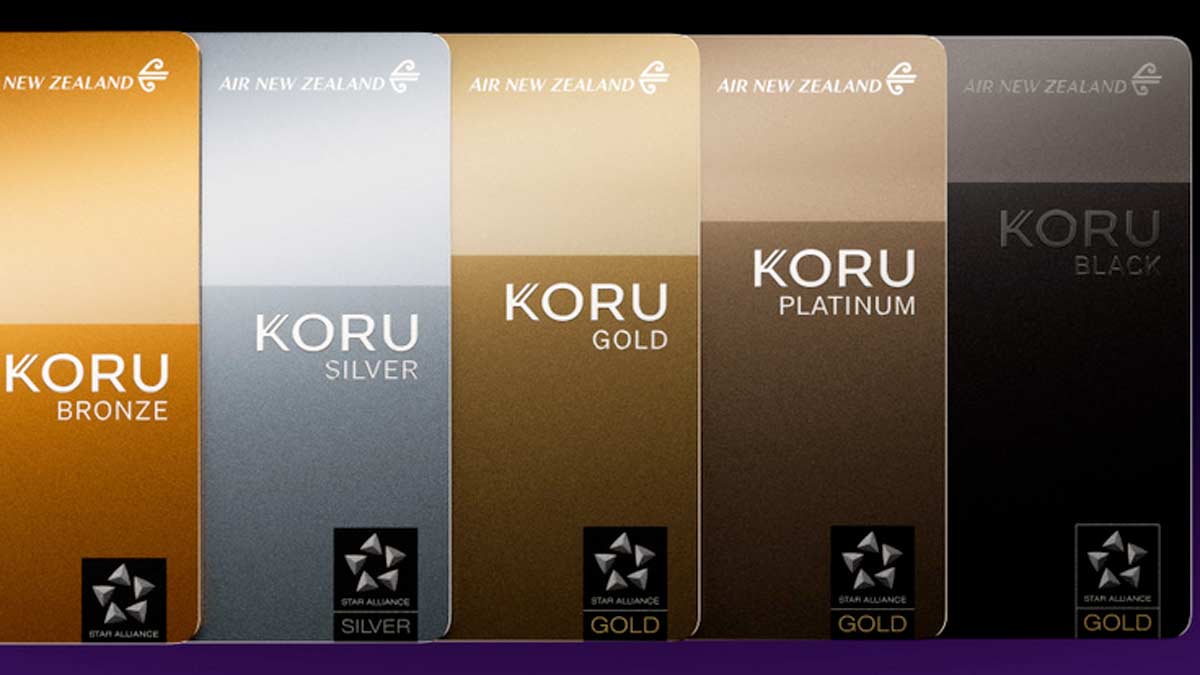
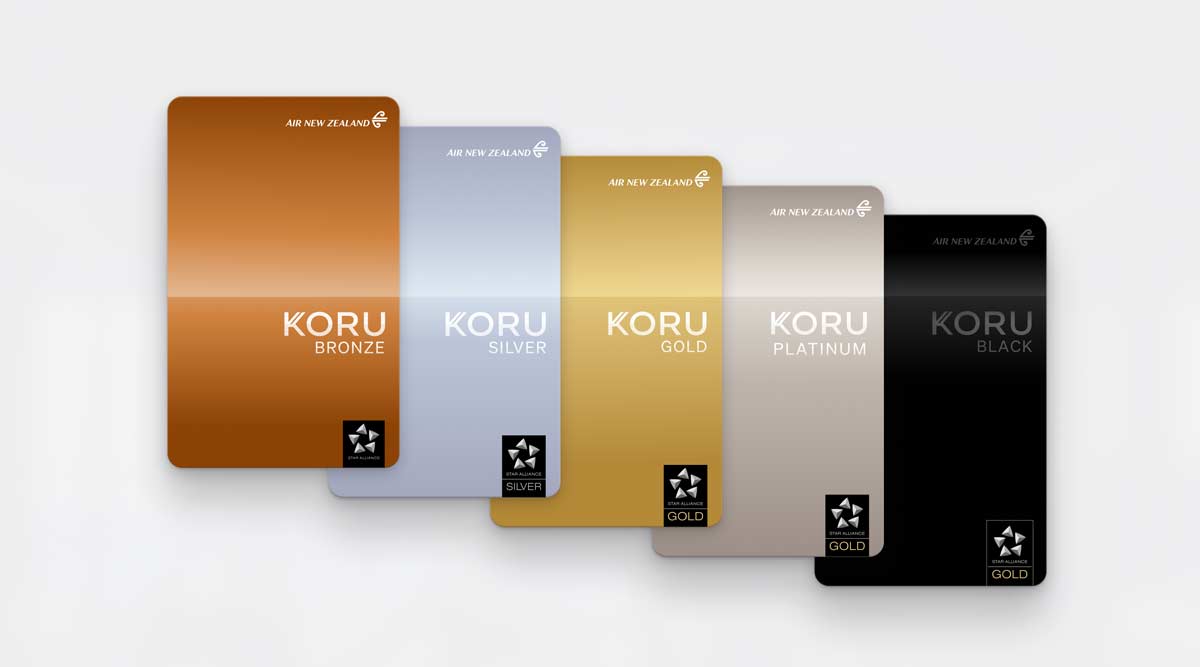
The new hierarchy begins with Koru Bronze, the entry-level tier for the vast majority of the five million members. This level focuses on "everyday earning," allowing members to accumulate points through a network of over 40 retail partners. Above Bronze, the requirements for attaining and retaining status are clearly defined:
- Koru Silver: Requires 450 Status Points to attain and 405 to retain. This tier serves as the first step into recognized elite status, offering basic priority services.
- Koru Gold: Requires 900 Status Points to attain and 810 to retain. Gold status remains the "sweet spot" for many business travelers, offering lounge access and significant upgrade potential.
- Koru Platinum: Requires 1,500 Status Points to attain and 1,350 to retain. This tier is designed for consistent long-haul travelers.
- Koru Black: The newly introduced elite tier requires 3,200 Status Points to attain and 3,040 to retain.
Koru Black is clearly positioned as a competitor to top-tier offerings from other major carriers, such as Qantas’s Platinum One or Singapore Airlines’ PPS Club. It offers highly personalized recognition, including "Koru Circle," a feature that allows these elite members to share specific benefits with a designated circle of family or friends, effectively extending the airline’s premium brand reach into the member’s personal network.
Strategic Shift Toward Lifestyle and Partner Integration
A significant portion of the Koru redesign focuses on the "earn-on-the-ground" philosophy. Air New Zealand has recognized that the viability of a modern loyalty program depends on its relevance outside of the airport environment. By partnering with over 40 entities across fuel, grocery, retail, and financial services, the airline is attempting to make Airpoints a ubiquitous secondary currency in New Zealand and beyond.
This strategy mimics successful global models where loyalty programs often generate higher profit margins than the flight operations themselves. For the Bronze member, the value proposition lies in the ability to subsidize travel through daily expenses like grocery shopping or refueling a vehicle. For the airline, this creates a steady stream of data and partner revenue that is less susceptible to the cyclical nature of the aviation industry.
Enhanced Rewards and the "Status Retain" Safety Net
One of the most notable additions to the program is the "Status Retain" feature. Acknowledging that real-world circumstances—such as health issues, family commitments, or shifts in corporate travel policy—can prevent even the most loyal flyers from meeting their annual targets, Air New Zealand has introduced a "near-miss" buffer.
For Koru Black members, for instance, the airline may provide a buffer of up to 70 Status Points to help them maintain their tier if they fall just short of the 3,040-point retention requirement. This move is seen by industry analysts as a sophisticated retention tool. By showing flexibility during a member’s "off year," the airline fosters deep-seated brand affinity and prevents the "status cliff" that often leads frustrated travelers to switch to competing carriers or alliances.
Furthermore, Koru Gold members and above will now receive "Milestone Status Rewards." These are incremental benefits triggered as members progress toward their next tier, rather than waiting for the end of the membership year. At the Gold level, members receive two Recognition Upgrades annually. These allow for a one-cabin class move-up, such as from Economy to Premium Economy or Premium Economy to Business Premier. However, the airline has been careful to note that these upgrades remain subject to availability and "fare class inventory," a perennial point of contention for frequent flyers who find their hard-earned upgrades difficult to redeem on popular routes.
Infrastructure and the New Auckland Lounge Experience
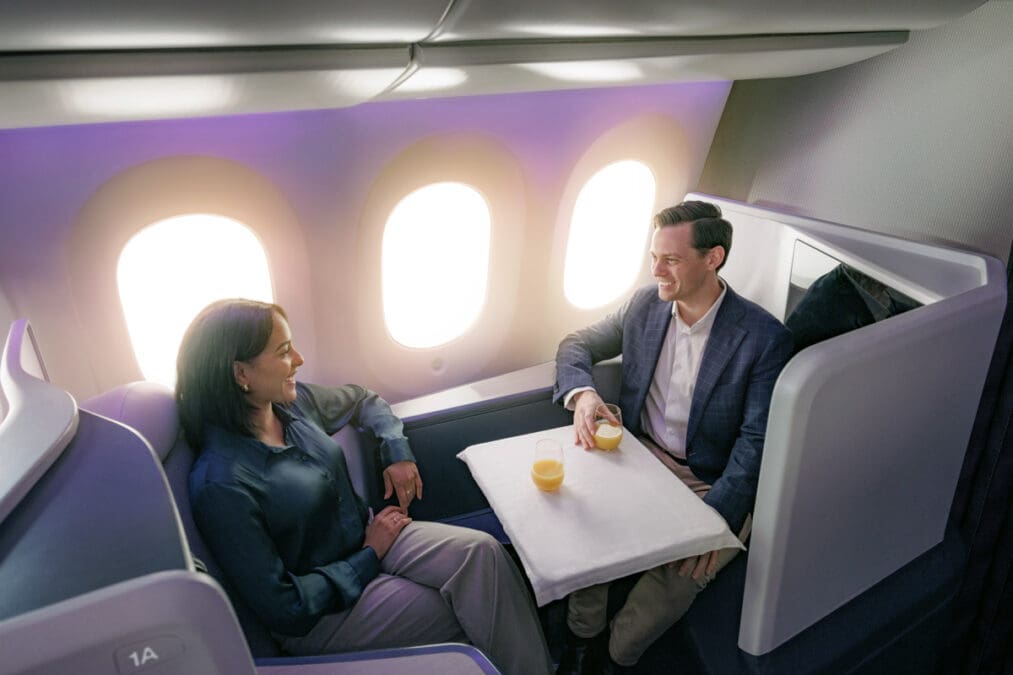
The loyalty rebrand is synchronized with a massive investment in physical infrastructure. Central to this is the construction of a new Koru Premier Lounge at Auckland International Airport, scheduled to begin in late 2026. The airline plans to nearly double the footprint of its current flagship lounge to accommodate the growing number of elite members and to resolve long-standing issues with overcrowding.
The new facility will feature a distinct "split" design to manage passenger flow and exclusivity:
- The Elite Space: A dedicated area for Koru Platinum and Koru Black members, offering higher-end dining, increased privacy, and bespoke service.
- The Premium Space: A larger area catering to Koru Gold, Star Alliance Gold, and Koru Club members.
This zoning strategy is a response to the "lounge inflation" seen globally, where the proliferation of credit card-linked lounge passes and easier status attainment has led to premium spaces feeling more like crowded bus terminals than exclusive retreats. By creating a physical sanctuary specifically for Platinum and Black tiers, Air New Zealand is re-establishing the "aspirational" nature of its top-tier status.
Chronology of the Transition
The road to the Koru launch follows a multi-year strategic review:
- 2023–2024: Internal review and extensive customer surveys regarding the Airpoints brand and tier benefits.
- November 2025: Initial announcement of the intention to rebrand the loyalty program.
- May 2026: Official unveiling of the five-tier structure and Status Point requirements.
- April 22, 2026: Official "Go-Live" date for the Koru program. All existing Airpoints members will be automatically migrated to their equivalent Koru tiers.
- Late 2026: Groundbreaking for the new Auckland Koru Premier Lounge.
- 2027: Expected completion of the lounge expansion and full integration of the Koru digital experience across the airline’s app and website.
Implications for the Trans-Tasman and International Markets
For the Australian market, the Koru rebrand is of particular significance. Air New Zealand remains a primary competitor for Qantas and Virgin Australia on the highly lucrative Trans-Tasman routes. By aligning its top-tier benefits more closely with international standards, Air New Zealand is making a play for the "high-value" Australian traveler who frequently flies to North America or the Pacific Islands via Auckland.
The integration with the Star Alliance network remains a core component of the program’s value. Koru Gold, Platinum, and Black tiers will continue to carry Star Alliance Gold status, providing members with lounge access and priority benefits across a network of 26 member airlines, including United Airlines, Singapore Airlines, and Lufthansa.
Industry analysts suggest that the "Koru Black" tier is a direct defensive move against the encroaching loyalty programs of Middle Eastern carriers and the dominant presence of Qantas in the region. By offering a tier that specifically recognizes the "ultra-flyer," Air New Zealand is attempting to ring-fence its most profitable customers.
Analysis of the "Koru" Branding Strategy
The decision to retire the "Airpoints" name for the program itself—while keeping it for the currency—is a nuanced branding move. "Airpoints" was a functional, descriptive name, but it lacked the cultural resonance of "Koru." The Koru is a Māori symbol representing an unfurling silver fern frond. It symbolizes new life, growth, strength, and peace. By adopting this as the brand for its loyalty program, Air New Zealand is leaning heavily into its identity as the national carrier and its "Manaaki" (hospitality/care) philosophy.
However, the success of this rebrand will ultimately depend on execution rather than nomenclature. Frequent flyer programs are often criticized for "devaluation"—the process where the number of points required for a flight increases while the availability of seats decreases. Air New Zealand’s challenge will be to ensure that the "clearer benefits" promised in the launch are backed by actual seat inventory.

Conclusion and Future Outlook
The launch of Koru marks a new chapter for Air New Zealand as it navigates a post-pandemic aviation landscape characterized by higher operating costs and intense competition for the premium traveler. By creating a five-tier system, introducing a top-shelf elite level, and investing in a massive lounge expansion, the airline is doubling down on the belief that loyalty is won through a combination of digital convenience, physical comfort, and emotional connection.
For the five million members transition in 2026, the immediate focus will be on understanding the new Status Point requirements. While the "Status Retain" and "Milestone Rewards" are welcome additions, the true test will be the day-to-day experience at the airport. If the new Auckland lounge can successfully solve the overcrowding issue and the Recognition Upgrades become easier to clear, Koru could well set a new benchmark for airline loyalty in the Southern Hemisphere. As the April 2026 deadline approaches, the aviation industry will be watching closely to see if this "unfurling fern" truly represents a new life for Air New Zealand’s customer relations or if it is simply a more complex way to manage the same old points.




 Anjar Salim
 Chandra Hamzah
 Tatiana Tantri Indah Sari
 Lukman Taruna Persada Ramadan