
 Budi Mulyono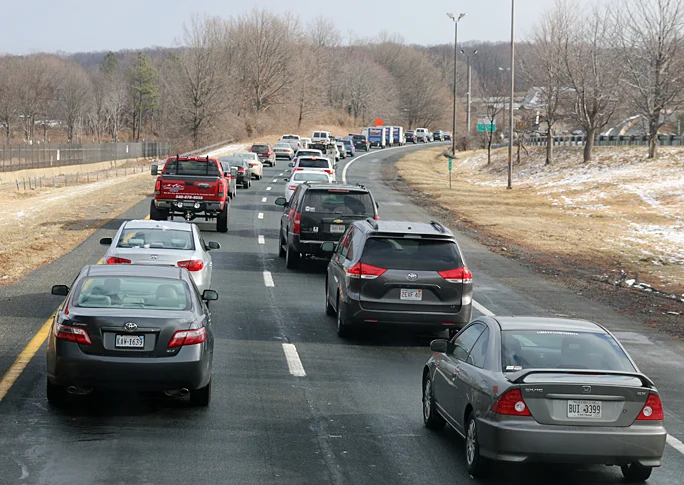
The American Automobile Association (AAA) has released its travel forecast for the 2026 Memorial Day holiday weekend, projecting that more than 45 million Americans will embark on journeys of 50 miles or more. This figure represents a significant increase of approximately 200,000 travelers compared to the previous year, setting a new historical benchmark for the highest travel volume ever recorded for this specific holiday period. As the unofficial start of the summer season, Memorial Day remains a cornerstone of American domestic tourism, and the 2026 data suggests a robust appetite for travel despite fluctuating economic indicators. According to the AAA NewsRoom, the vast majority of these travelers—roughly 87 percent, or 39.1 million individuals—plan to reach their destinations by automobile, placing an unprecedented strain on the nation’s highway infrastructure and increasing the likelihood of traffic-related friction.
The Magnitude of the 2026 Travel Surge
The record-breaking projections for 2026 are attributed to several converging factors, including a stabilizing labor market and a sustained preference for road trips over air travel for short-to-medium distances. While the 45 million total includes those traveling by air, rail, and sea, the overwhelming reliance on personal vehicles highlights a critical need for public awareness regarding road safety and driver etiquette. The sheer volume of motorists on the road creates a high-density environment where minor delays can quickly escalate into major disruptions.
Historically, Memorial Day weekend serves as a litmus test for the summer travel season. The 2026 surge is not merely a statistical anomaly but part of a decade-long trend of increasing mobility. Law enforcement agencies across the country have expressed concerns that the combination of heavy congestion and the pressure to reach holiday destinations on time creates a "perfect storm" for aggressive driving. In response, many states, including Washington, have intensified their aggressive driving enforcement programs. These initiatives utilize both marked and unmarked patrols to identify and cite drivers who exhibit behaviors such as excessive speeding, tailgating, and frequent, unsignaled lane changes.
Understanding the Root Causes of Road Rage
Road rage is defined by the National Highway Traffic Safety Administration (NHTSA) as an escalation of aggressive driving into a criminal offense, often involving a physical assault or the use of a vehicle as a weapon. It is frequently the result of a confrontation that begins with a perceived slight or a violation of unwritten driving norms. When traffic volume reaches the levels predicted for the 2026 Memorial Day weekend, the psychological threshold for frustration lowers significantly.
The psychology of the "enclosed cabin" often leads to a phenomenon known as deindividuation, where drivers view others not as people, but as obstacles. This mental shift makes it easier for motorists to react with hostility. To mitigate these risks, experts suggest that understanding the common triggers of road rage is the first step toward prevention. Congestion, while frustrating, is a collective experience; however, individual reactions to that congestion determine the overall safety of the roadway.
Seven Strategies to Mitigate and Avoid Road Rage
To ensure a safe and harmonious travel experience during periods of extreme traffic density, safety experts recommend the following seven strategies:
- Prioritize Time Management: Most instances of aggressive driving are born from a sense of urgency. By departing earlier than necessary, drivers can absorb unexpected delays without feeling the need to compensate through excessive speed or risky maneuvers.
- Practice Empathetic Driving: It is vital to remember that other motorists are also navigating the same congestion. Assuming that a driver’s mistake was accidental rather than a personal provocation can prevent an emotional escalation.
- Avoid Competitive Lane Positioning: In heavy traffic, the urge to constantly switch lanes to find the "fastest" path often results in negligible time savings while significantly increasing the risk of a collision. Maintaining a steady lane helps stabilize traffic flow.
- Use Non-Confrontational Communication: If a mistake is made, a simple wave or a gesture of apology can instantly de-escalate a potential conflict. Conversely, avoid using the horn aggressively or making obscene gestures, as these are primary triggers for retaliatory behavior.
- Maintain Following Distance: Tailgating is one of the most cited causes of road rage. Keeping a safe buffer zone not only provides more time to react to sudden braking but also reduces the stress levels of the driver in front.
- Disengage from Aggressive Motorists: If encountered by an aggressive driver, the safest course of action is to move out of their way and avoid eye contact. Engaging with an angry individual only serves to validate and escalate their behavior.
- Create a Calming Environment: Utilizing climate control, listening to soothing music or podcasts, and ensuring the driver is well-rested can significantly improve one’s internal temperament, making it easier to remain calm during long delays.
Analysis of Driver Etiquette and Unpopular Behaviors
Data derived from long-term studies on American driving habits, such as the annual Road Rage Report, provide insight into the specific behaviors that most frequently incite anger on the road. Despite shifts in vehicle technology, the fundamental frustrations of drivers remain remarkably consistent. A survey of over 1,000 American motorists identified several archetypes of unpopular drivers.
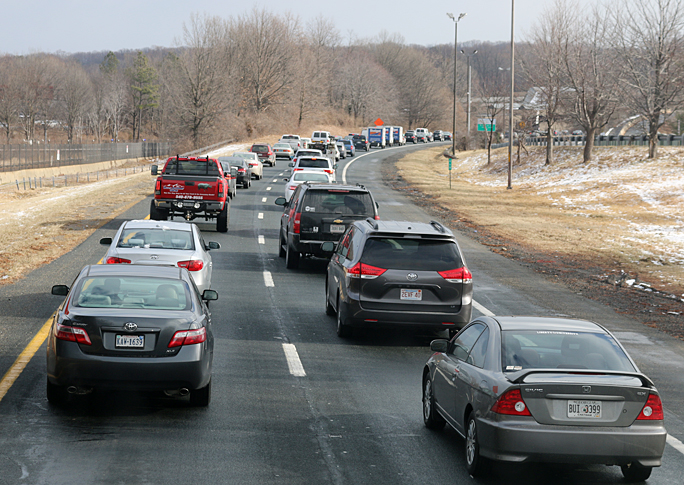
The "Texter" remains at the top of the list of most disliked motorists, as distracted driving frequently leads to erratic speeds and delayed reactions at traffic signals. Following closely are "The Tailgater" and "The Left-Lane Hog"—the latter referring to drivers who remain in the passing lane while traveling at or below the speed of traffic, effectively creating a bottleneck. Other behaviors that consistently rank poorly include failing to use turn signals, "The Multi-tasker" (drivers engaged in eating or personal grooming), and "The Drifter," who weaves between lanes without clear intent.
Geographically, driving etiquette varies significantly across the United States. For instance, Portland, Oregon, and the Minneapolis-Saint Paul region have historically been cited as some of the most courteous areas for motorists. In contrast, major metropolitan hubs in the Northeast and Southern California often report higher frequencies of aggressive driving incidents. These regional disparities are often linked to infrastructure capacity; where roads are most over-capacity, tempers are most likely to flare.
The Impact of In-Vehicle Dynamics
While external factors are the primary focus of road rage prevention, internal vehicle dynamics also play a role in driver stress. Research indicates that "backseat driving" is considered the most offensive behavior by co-passengers, cited by more than 61 percent of survey respondents. This is followed by "reluctant co-pilots" who fail to assist with navigation and "radio hogs" who monopolize the vehicle’s entertainment system.
Interestingly, even seemingly benign behaviors such as "the snoozer" (passengers who sleep during the trip) or "the shoeless" (passengers who remove their footwear) have been noted as irritants that can contribute to a driver’s overall irritability. Ensuring a harmonious environment inside the vehicle is a critical, yet often overlooked, component of road safety.
Broader Implications and Safety Imperatives
The implications of the 2026 Memorial Day travel forecast extend beyond simple convenience. With 39.1 million motorists on the road, the statistical probability of accidents increases. Law enforcement officials emphasize that the primary objective for every traveler should be safe arrival rather than speed.
One of the most enduring pieces of advice from highway safety advocates is the fundamental importance of seatbelt usage. As veteran law enforcement officers have frequently noted, seatbelts are the single most effective defense against the errors and aggression of other drivers. Furthermore, the modern driving environment includes new distractions, such as the ubiquitous use of mobile devices and complex in-dash infotainment systems. The integration of these technologies requires a heightened level of discipline from the driver to maintain focus on the primary task: operating the vehicle safely.
The 2026 travel season is expected to be a milestone in American mobility. As the nation prepares for this record-breaking volume, the collective responsibility of motorists to maintain decorum and safety has never been more vital. By adhering to established safety protocols and practicing patience, the millions of Americans heading out for the holiday can ensure that the weekend remains a celebration of remembrance and leisure rather than a statistic of highway conflict.



 Chandra Hamzah
 Tatiana Tantri Indah Sari
 Anjar Salim

