
 Budi Mulyono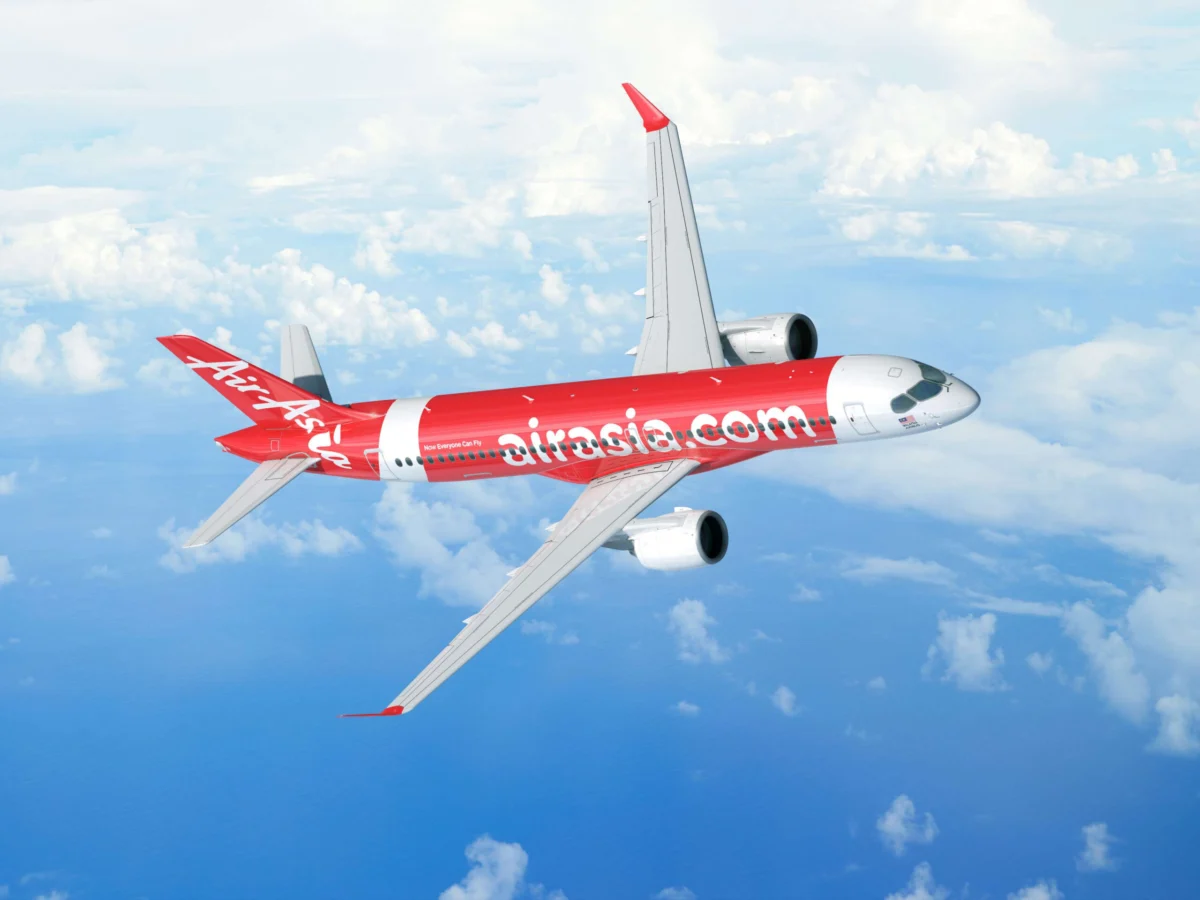
In a move that significantly reshapes the narrowbody aviation landscape in Southeast Asia, the AirAsia Group has finalized a landmark purchase agreement with Airbus for 150 A220-300 aircraft. The deal, announced during a high-profile ceremony at the Airbus production facility in Mirabel, Canada, represents the largest single firm order for the A220 program to date. Beyond the immediate acquisition, the agreement includes strategic flexibility for the airline group to upsize its commitment to a total of 300 aircraft within the A220 family, providing a scalable roadmap for the carrier’s long-term expansion.
This massive commitment marks a pivotal moment for the A220 program, formerly known as the Bombardier CSeries, as it officially propels the aircraft family past the 1,000-firm-order milestone. For AirAsia, the move signifies a departure from its historical reliance on the larger A320 and A321 families, signaling a shift toward a "multi-gauge" fleet strategy designed to optimize efficiency across a more diverse range of routes and passenger demand levels.
Technical Specifications and the New High-Density Configuration
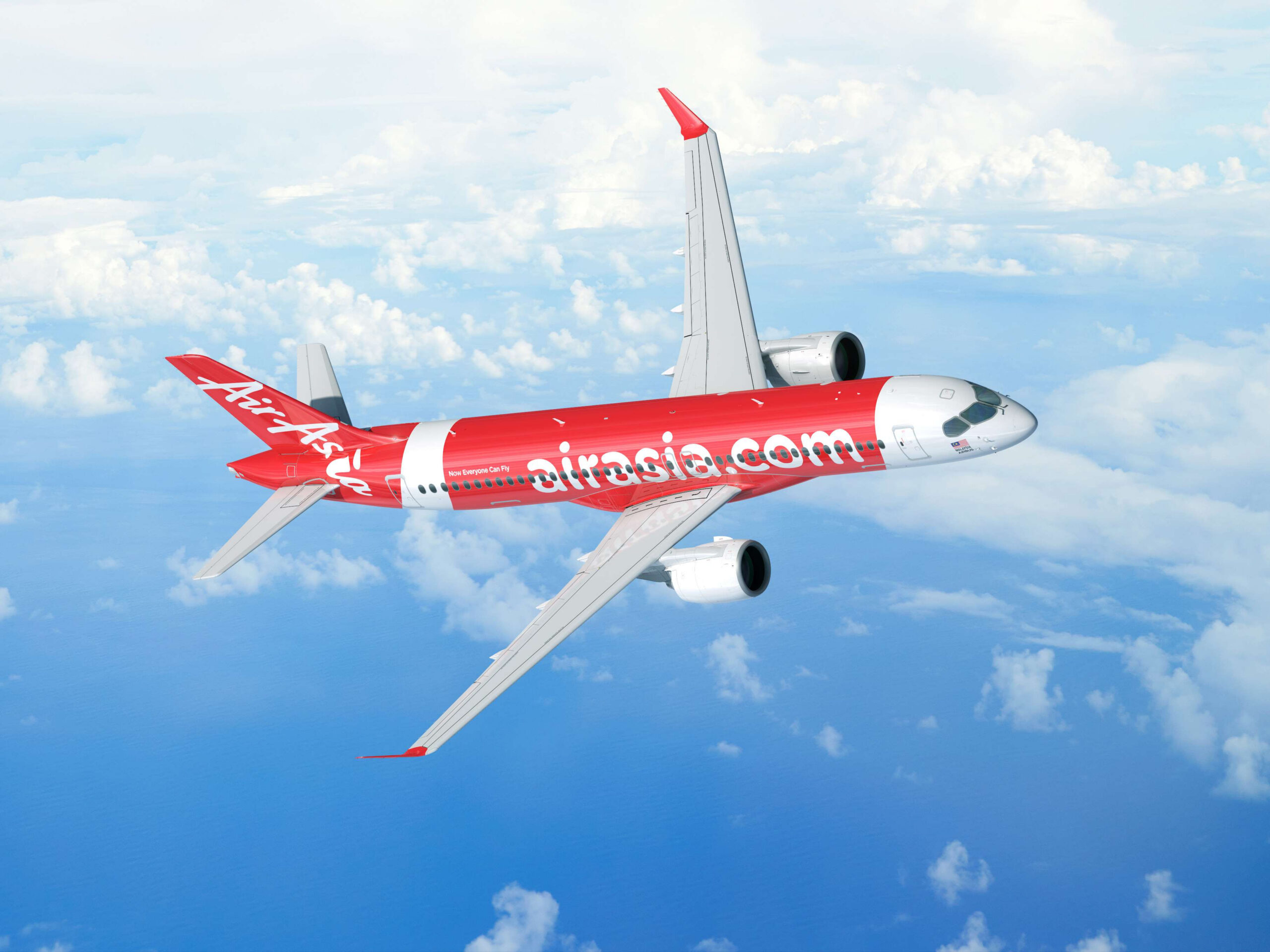
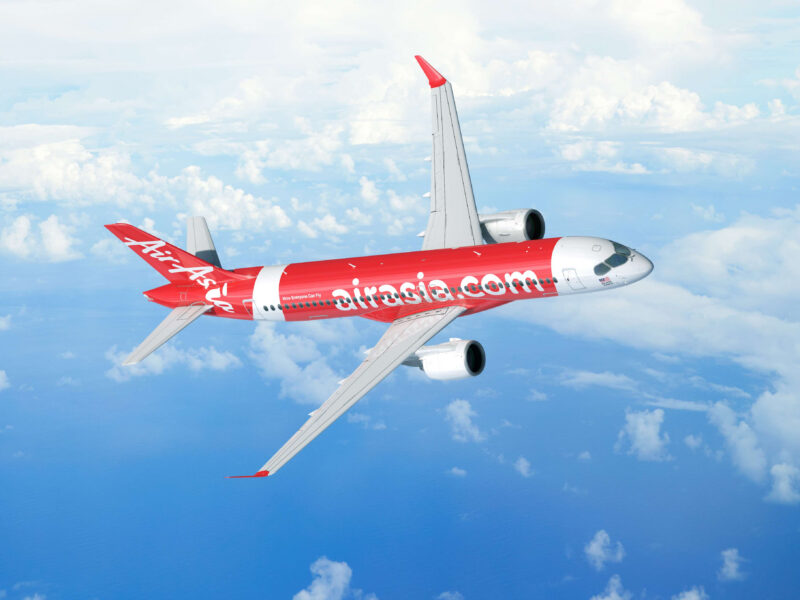
A primary highlight of this agreement is AirAsia’s role as the global launch customer for a new high-capacity cabin configuration. While the A220-300 typically seats between 120 and 150 passengers in standard layouts, AirAsia’s units will be delivered with 160 seats. To accommodate this increased density while adhering to stringent international safety and evacuation regulations, Airbus has integrated an additional pair of overwing emergency exits on each side of the fuselage.
The seating arrangement will feature a 28-inch pitch, a standard for low-cost carriers (LCCs) aiming to maximize yield on short-to-medium haul sectors. Despite the high density, the A220’s wider seats and larger windows compared to other narrowbody aircraft are expected to maintain a competitive level of passenger comfort. The aircraft’s 3-2 seating configuration in economy class also reduces the number of middle seats, a frequent point of praise for the A220’s cabin design.
The A220-300 is powered by Pratt & Whitney GTF™ engines, which offer a 25% reduction in fuel burn and CO2 emissions per seat compared to previous-generation aircraft. This technical efficiency is a cornerstone of AirAsia’s strategy to mitigate the impact of volatile fuel prices and meet increasingly rigorous environmental standards in the aviation industry.
Strategic Integration into the AirAsia Network
The introduction of the A220-300 allows AirAsia to address a specific niche in its network that was previously underserved by its larger A320neo and A321neo aircraft. With a range of up to 3,450 nautical miles (approximately 6,390 kilometers), the A220 can fly routes of up to seven hours. This capability enables the group to service thinner routes across the Association of Southeast Asian Nations (ASEAN) and into Central Asia that do not consistently support the 180 to 236 seats offered by the A320 and A321 variants.
By utilizing a smaller, more efficient aircraft, AirAsia can increase flight frequencies on existing routes, offering passengers more "Fly-Thru" connectivity options and greater scheduling flexibility. Furthermore, the A220’s lower trip costs make secondary hubs and smaller markets commercially viable. This aligns with the group’s long-stated mission of "democratizing" air travel, opening up point-to-point connections between cities that were previously forced to route through major hubs like Kuala Lumpur or Bangkok.
Industrial Impact and Political Context
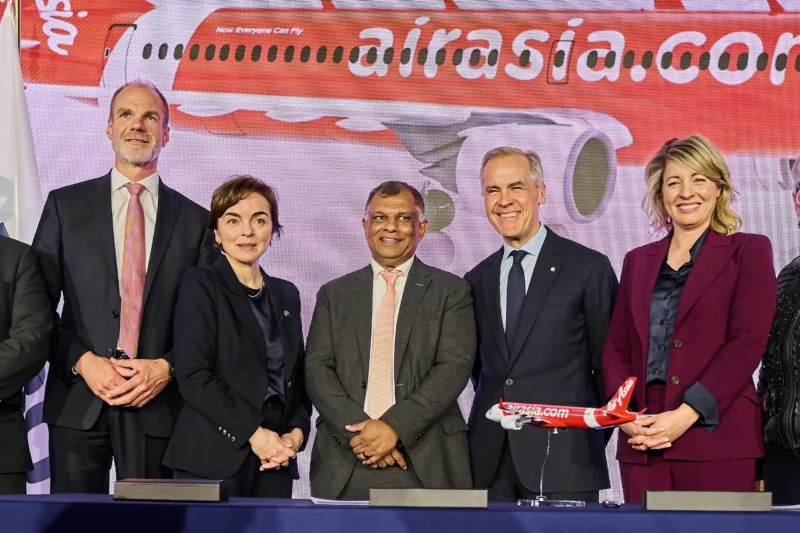
The signing ceremony in Mirabel underscored the international cooperation inherent in the A220 program. The aircraft are assembled in Quebec, supporting a robust aerospace supply chain in Canada. The event was attended by high-ranking officials, including the Right Honourable Mark Carney, Prime Minister of Canada, and the Honourable Christine Frechette, Premier of Quebec, highlighting the economic importance of the order to the Canadian manufacturing sector.
For Airbus, the deal solidifies the A220’s position as a dominant force in the 100-150 seat market, a segment where its primary competitor, Boeing, has faced challenges following the cancellation of a potential partnership with Embraer. The Mirabel facility is expected to see a ramp-up in production rates to meet the surge in demand, with AirAsia’s order providing a significant backlog that ensures long-term industrial stability for the site.
Leadership Perspectives on the Partnership
Executives from both organizations emphasized that the deal is the culmination of a twenty-year partnership. Tan Sri Tony Fernandes, Chief Executive Officer of Capital A and Advisor to AirAsia Group, noted that the decision was made with a focus on long-term discipline. "In an environment of high fuel prices and volatility, the answer is not to stand still, it’s to double down on efficiency," Fernandes stated. He described the A220 as the "perfect tool" for building the world’s first true low-cost network carrier, integrating the airline’s operations with Capital A’s broader ecosystem of cargo, maintenance, and digital services.
Bo Lingam, Group CEO of AirAsia Group, highlighted the operational flexibility provided by the aircraft’s range and size. He noted that the ability to match capacity to demand more precisely would allow the airline to build the "biggest and densest network" in the region. Lingam emphasized that the A220 would serve as a vital tool for efficiency, allowing the carrier to enter markets that were previously commercially unfeasible.
Lars Wagner, CEO of Airbus Commercial Aircraft, expressed satisfaction with the alignment between the A220’s capabilities and AirAsia’s evolving network strategy. He noted that the aircraft combines low operating costs with the latest technology to maximize productivity for the airline.
The A220-500: The Looming Question
While the 150-aircraft order is a significant endorsement of the current A220 variants, much of the industry discussion surrounding the event focused on what was not announced: the A220-500. For years, rumors have circulated regarding a "stretched" version of the A220 that would seat 170 to 190 passengers, potentially serving as a direct successor to the aging A320ceo fleet.
AirAsia leadership acknowledged that the A220 is a "highly scalable product" and hinted that the current order provides a "seamless path" to a future A220-500 variant. However, Airbus has remained cautious about a formal launch. Industry analysts suggest that while the A220-500 would be a formidable competitor in the 180-seat market, it risks cannibalizing sales of the A320neo, which remains one of Airbus’s most profitable products.
The introduction of the 160-seat A220-300 with extra exits is seen by many as a "stepping stone" toward the -500 variant. By proving the viability of high-density configurations on the A220 platform, Airbus is effectively de-risking the eventual development of a larger model. For now, the focus remains on ramping up production of the -100 and -300 models to satisfy a backlog that has now surged past 1,000 aircraft.
Broader Implications for the Aviation Market
The AirAsia order is expected to trigger a ripple effect throughout the LCC sector. Historically, low-cost carriers preferred single-type fleets (such as only A320s or only Boeing 737s) to minimize maintenance and training costs. AirAsia’s transition to a multi-gauge fleet suggests that the efficiency gains of the A220 are now significant enough to outweigh the added complexity of managing multiple aircraft types.
This shift may force other major LCCs in the region, such as Lion Air or VietJet, to re-evaluate their fleet strategies. If AirAsia successfully utilizes the A220 to capture market share in secondary cities, competitors may be compelled to look at similar sub-150-seat aircraft, such as the Embraer E2 family or the A220, to remain competitive.
Additionally, the deal strengthens the "hub-and-spoke" capabilities of the AirAsia Group. By using the A220 to feed passengers from smaller cities into major hubs, the airline can increase the load factors on its larger A330neo and A321XLR aircraft used for long-haul routes. This synergy is essential for the "network carrier" model Tony Fernandes aims to perfect.
Conclusion and Future Outlook
The agreement for 150 Airbus A220-300s is more than just a fleet expansion for AirAsia; it is a strategic repositioning of the airline for a new era of aviation. By prioritizing fuel efficiency, right-sized capacity, and regional connectivity, the group is preparing for a future defined by environmental accountability and intense competition in emerging markets.
As the first of these aircraft begin to roll off the assembly line in Mirabel and enter service across Asia, the industry will be watching closely to see how the 160-seat configuration performs. If successful, the A220-300 could become the new standard for regional LCC operations, further cementing Airbus’s dominance in the narrowbody sector and potentially paving the way for the much-anticipated A220-500. For AirAsia, the deal reinforces its status as a market leader, ready to leverage the latest in aeronautical engineering to maintain its growth trajectory in one of the world’s fastest-growing aviation markets.




 Anjar Salim
 Chandra Hamzah
 Tatiana Tantri Indah Sari
 Lukman Taruna Persada Ramadan