
 Chandra Hamzah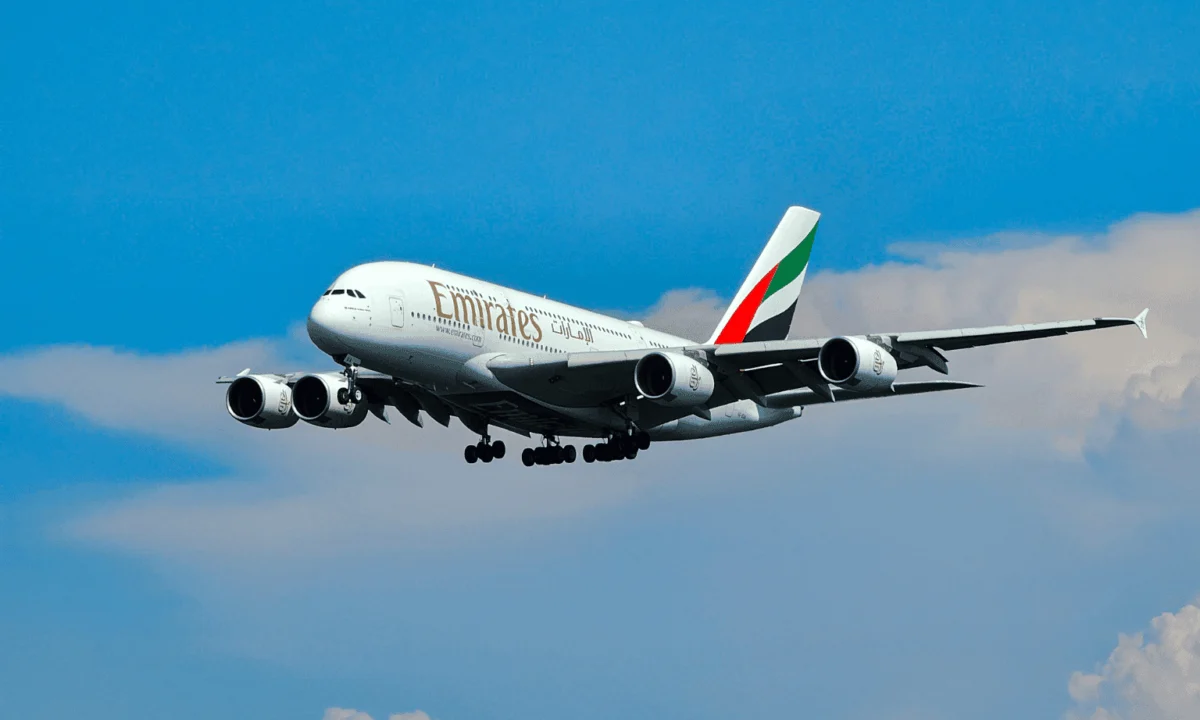
The ongoing conflict in the Middle East has significantly disrupted international travel, particularly for Australian passengers bound for Europe. Following an initial period of widespread flight cancellations and exorbitant price hikes, airlines are now gradually resuming services through key Middle Eastern hubs. However, official travel advisories remain cautious, prompting travellers to explore alternative routes and consider strategic booking practices to navigate the evolving travel landscape.
Resumption of Services Amidst Lingering Concerns
In the initial weeks following the escalation of the Middle East conflict, the impact on air travel was immediate and severe. According to aviation data firm Cirium, over 60,000 flights in and out of the Middle East were cancelled, affecting an estimated six million passengers. This disruption proved particularly challenging for cruise passengers, who rely on timely connections to reach their departure ports. Many were forced to pivot to alternative travel plans, circumventing traditional stopovers in major hubs like Dubai and Doha.
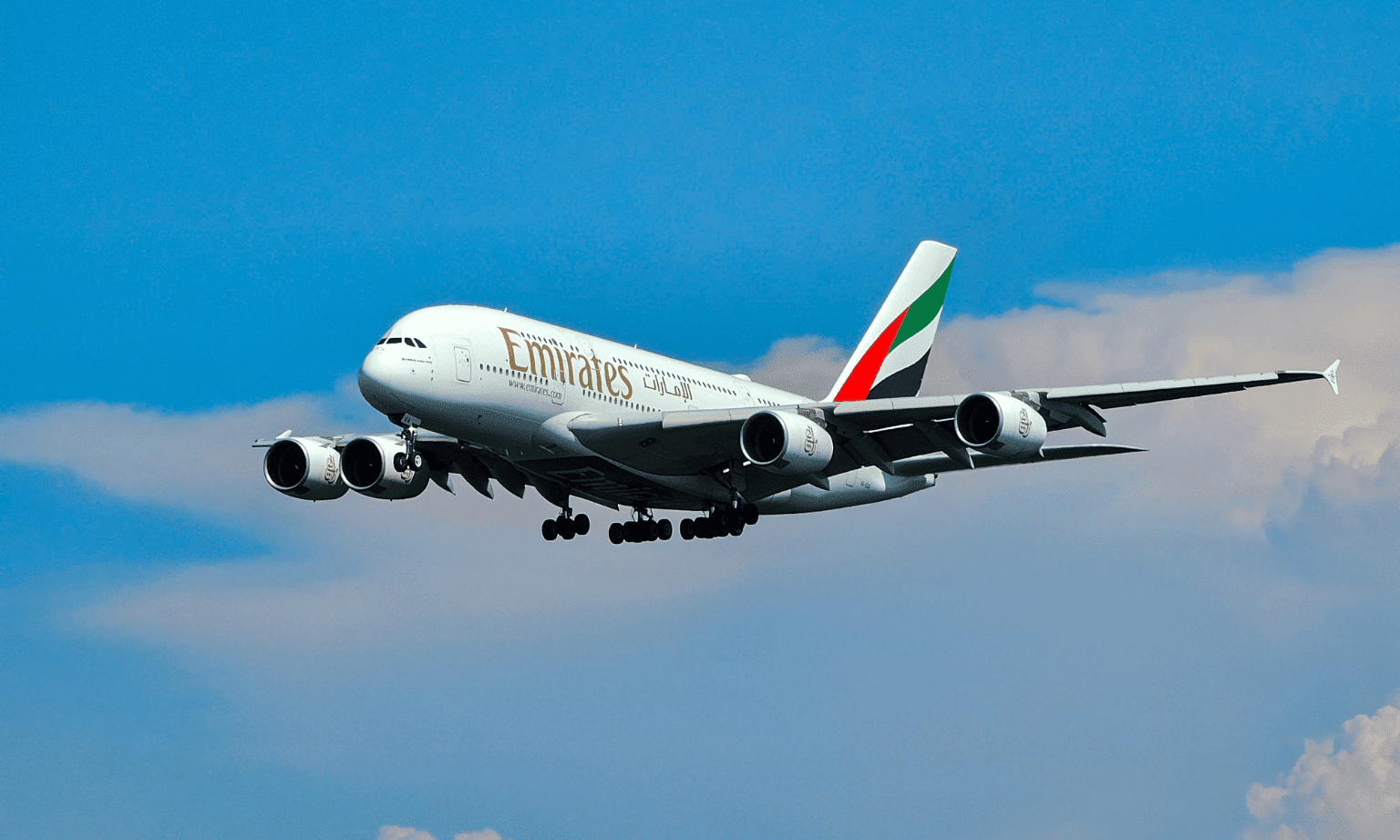
However, a gradual return to normalcy is now being observed. Qatar Airways announced the resumption of flights from Doha to Sydney, Melbourne, and Perth on April 10, 2026, with plans to increase frequency to daily by May 1. Services from Brisbane are set to recommence in May, followed by Adelaide in June. Similarly, Emirates has reinstated twice-daily flights to Sydney and Melbourne, and daily services to Perth, with Brisbane and Adelaide routes expected to restart from May 1.
Despite these operational adjustments, the Australian government, through its Smart Traveller initiative, continues to advise against transiting through the Middle East. The prevailing advice highlights the potential for further escalation of regional conflict and the unpredictable nature of airspace closures, missile strikes, and border disruptions. Smart Traveller explicitly warns, "Even if you don’t plan to leave the airport, do not transit through these countries." This strong advisory underscores the perceived risks associated with these transit points, including potential direct impacts on airports, infrastructure, and flight operations. The "Do Not Travel" advisory for the UAE and Qatar, issued by Smart Traveller, signifies a critical assessment of safety, also impacting travel insurance coverage for those destinations.
For Australian travellers, a stopover in Dubai or Doha has historically been a popular and cost-effective gateway to Europe, with approximately 51% of travellers utilizing these hubs. The current climate, however, necessitates a re-evaluation of these established travel patterns.
Shifting Towards Asian Hubs: A Strategic Pivot

In response to the disruptions and official advisories, a significant shift in travel patterns is evident, with a surge in demand for routes that transit through Asian hubs. Melissa Elf, Global COO of FCM Travel and Corporate Traveller, notes that the majority of Europe-to-Australia flight connections, excluding those via the Middle East, operate through gateways such as Singapore, Hong Kong, and other major regional airports. These routes have largely maintained normal operations.
"Passengers transferring via Asia – especially Singapore, Hong Kong, and Kuala Lumpur – have become very popular in the last few days," Elf stated. She also cautioned that seat availability on these alternative routes is limited and subject to rapid change, emphasizing the need for prompt action and flexibility from travellers and travel managers alike.
The Economic Fallout: Rising Airfares and Fuel Costs
The geopolitical instability has had a direct and significant impact on airfares. Airlines like Qantas are experiencing a notable increase in demand for European routes, as passengers steer clear of Middle Eastern carriers. This surge in bookings, coupled with rising fuel prices, is translating into substantial price increases for consumers.
Analysts estimate that escalating fuel costs could impose an additional $14.8 million per day on airlines like Qantas. This increased operational expense is inevitably being passed on to travellers, with some routes experiencing price hikes of up to 150% in recent weeks. Examples of significantly inflated fares have emerged, with a Sydney to Paris flight on Turkish Airlines noted at $5,500, a one-way economy ticket from Sydney to Frankfurt on Singapore Airlines reaching $11,000, and a business class fare from Sydney to London on Cathay Pacific quoted at a staggering $40,000.
The closure of the Strait of Hormuz, a critical chokepoint for approximately 20% of the world’s oil supply, has further exacerbated fuel cost concerns. Airlines such as Air New Zealand and Virgin are actively assessing the impact of these fuel price fluctuations, while Air India has already implemented surcharges on its flights to offset increased fuelling expenses.
Exploring Alternative Routes: A Comprehensive Guide

For travellers planning trips to Europe in the coming weeks and months, understanding and securing alternative flight routes is paramount. The traditional Middle Eastern transit points are no longer the sole or safest option.
Key Alternative Transit Hubs and Airlines:
-
Asia: This continent offers a robust network of alternative routes.
- Singapore Airlines: Offers frequent and generally reliable services with varying transit times.
- Cathay Pacific: Utilizes Hong Kong as a primary hub, providing a well-established connection.
- Thai Airways: Transits through Bangkok, offering a viable option for many European destinations.
- Malaysia Airlines: Connects via Kuala Lumpur, serving as another accessible gateway.
- Chinese Carriers (Air China, China Eastern, China Southern): These airlines provide a range of options with stopovers in cities like Beijing, Shanghai, and Guangzhou. While often presenting competitive pricing, transit times can be longer.
- Korean Air: Transits through Seoul, offering a northern route to Europe.
- Vietnam Airlines: Operates via Ho Chi Minh City, presenting another Southeast Asian option.
- Finnair: Often involves a transit in Helsinki, providing a more direct northern European approach.
-
North America: Transiting through the United States or Canada presents another distinct set of alternatives.
- Los Angeles (LAX) or Vancouver (YVR): Flights from Australia to these major North American gateways can then connect to numerous European cities. Airlines like Air France may utilize this route, often combined with an Asian stopover on the return journey.
-
Direct Flights from Western Australia: For residents of Western Australia, Qantas offers non-stop services from Perth to London, Rome, and Paris. This presents a compelling direct option, bypassing the need for any intermediate international transit.
Comparative Analysis of Alternative Routes (Illustrative Example):
To illustrate the differences, consider sample return flight options from Sydney to London, departing April 14 and returning May 12:
| Airline | Price Range (AUD) | Stopover Location(s) | Total Transit Time (approx.) |
|---|---|---|---|
| Air China | $1250 – 1500 | Beijing | 30 hours (outbound), 41 hours (return) |
| China Eastern | $1600 – 1800 | Shanghai | 28 hours (outbound), 27 hours (return) |
| China Southern | $1600 – 1800 | Guangzhou | 40 hours (outbound), 29 hours (return) |
| Cathay Pacific | $2500 – 2700 | Hong Kong | 26 hours (outbound), 23 hours (return) |
| Thai Airways | $2500 – 2700 | Bangkok | 25 hours (outbound), 23 hours (return) |
For Sydney to Paris on the same dates, a different set of options emerges:
| Airline | Price Range (AUD) | Stopover Location(s) | Total Transit Time (approx.) |
|---|---|---|---|
| Malaysia Airlines | $1400 – 1600 | Kuala Lumpur | 25 hours (outbound), 25 hours (return) |
| China Eastern | $1400 – 1500 | Shanghai | 28 hours (outbound), 28 hours (return) |
| China Southern | $1800 – 2000 | Guangzhou | 29 hours (outbound), 24 hours (return) |
| Air India | $1900 – 2000 | Delhi | 30 hours (outbound), 38 hours (return) |
| Thai Airways | $2100 – 2300 | Bangkok | 25 hours (outbound), 23 hours (return) |
| Vietnam Airlines | $2100 – 2200 | Ho Chi Minh City | 29 hours (outbound), 37 hours (return) |
| Korean Air | $2100 – 2200 | Seoul | 40 hours (outbound), 26 hours (return) |
| Finnair | $2200 – 2400 | Seoul + Helsinki (outbound); Helsinki + Singapore (return) | 30 hours (outbound), 26 hours (return) |
| Cathay Pacific | $2300 – 2500 | Brisbane + Hong Kong (outbound); Hong Kong (return) | 32 hours (outbound), 24 hours (return) |
| Air France | $2400 – 2600 | Los Angeles (outbound); Singapore (return) | 33 hours (outbound), 22 hours (return) |
Navigating Uncertainty: The Flexible Ticket Strategy
In an environment marked by such volatility, travel experts are emphasizing the importance of booking flexible tickets. Sharon Summerhayes, owner of Deluxe Travel and Cruise, advocates for a proactive approach, especially for those with existing bookings through the Middle East. Her recommendation is to secure a flexible ticket through an Asian hub as a form of "insurance."
"If your Middle Eastern flight remains viable, you can cancel the Asian transit ticket, potentially incurring a modest cancellation fee," Summerhayes explained. "However, if your original flight is disrupted, you will still have a confirmed alternative." She advises booking flexible tickets with airlines such as Singapore Airlines, Thai Airways, or Japan Airlines, which typically have lower cancellation penalties.
Crucially, travellers must be aware of airline cancellation policies, as most require notification at least 24-48 hours prior to departure for a full refund. While Middle Eastern airlines may offer refunds for immediately affected passengers, the uncertainty surrounding flight status close to departure dates makes a backup plan essential.
Conclusion: Proactive Planning is Key
The resumption of flights through the Middle East signifies a gradual return to pre-conflict travel patterns, but the underlying geopolitical risks and official advisories remain a significant consideration for Australian travellers. The surge in popularity of Asian transit routes, coupled with escalating airfares, underscores the need for proactive planning and flexibility. By understanding the alternative routes, comparing options diligently, and leveraging flexible ticketing strategies, travellers can better navigate the complexities of international travel and ensure their journeys to Europe are as safe and seamless as possible. The current travel climate demands vigilance and adaptability from all those looking to embark on international journeys.




 Anjar Salim
 Tatiana Tantri Indah Sari
 Budi Mulyono
 Lukman Taruna Persada Ramadan
