
 Chandra Hamzah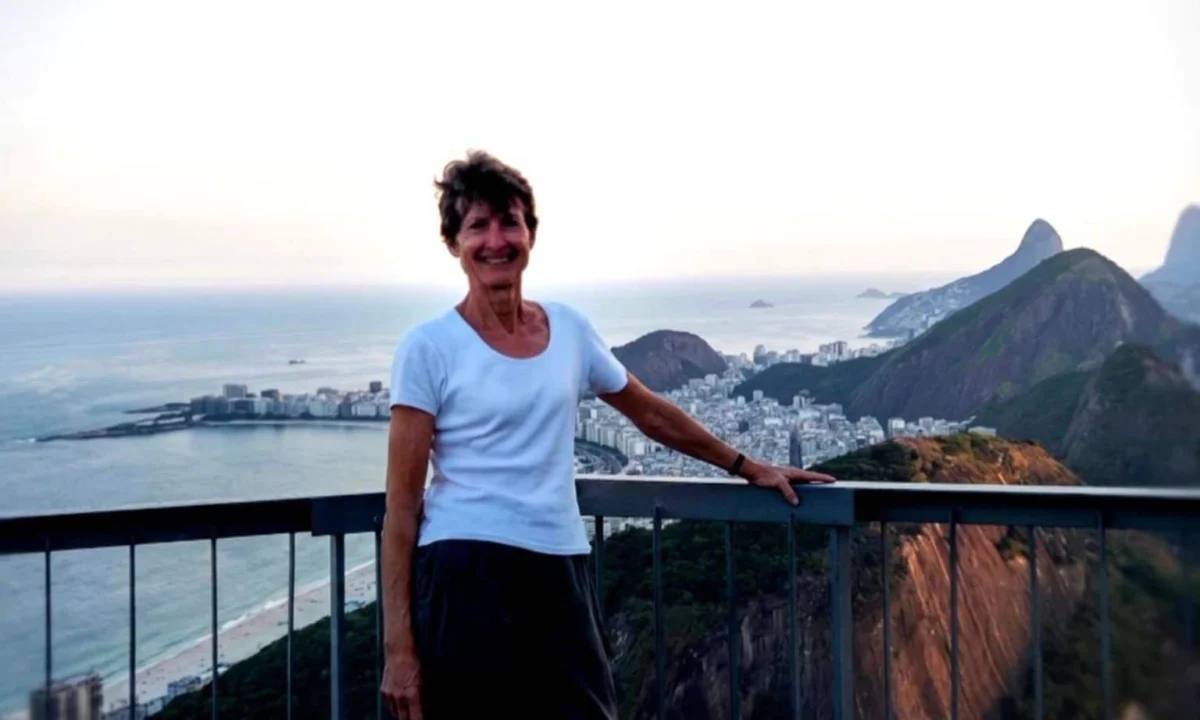
Almost six months after Suzanne Rees, an 81-year-old Australian grandmother, died alone on Lizard Island from heatstroke during a cruise excursion, a significant number of questions surrounding the tragic event remain unanswered. A recent investigation by Channel 9’s 60 Minutes has brought to light concerning details about the aftermath of her death, including the distressing revelation that her family had to actively request a refund for the cruise her mother never completed. The incident, which occurred during a Coral Expeditions voyage around Australia, has raised serious concerns about safety protocols and the company’s response to the tragedy.
The voyage, intended as a scenic exploration of Australia’s natural wonders, took a devastating turn when Ms. Rees participated in an organized hiking excursion on Lizard Island, a jewel of the Great Barrier Reef. According to the report, Ms. Rees began to feel unwell during the trek. In what has been described as a perplexing decision, the 81-year-old was allegedly instructed to return down the challenging trail to wait on the beach by herself. Tragically, she appears to have become disoriented and never reached the designated meeting point. The most shocking aspect of the unfolding tragedy is that the cruise ship, the Coral Adventurer, sailed away without her, reportedly not realizing she had not boarded for approximately five hours. Ms. Rees was subsequently found deceased, having succumbed to heatstroke in isolation on the island.
The Australian Maritime Safety Authority (AMSA) has been conducting ongoing investigations into the circumstances surrounding Ms. Rees’s death. However, as of the 60 Minutes report, no definitive findings have been publicly released, leaving a void of official explanation for the series of events that led to this preventable fatality.
The family of Suzanne Rees, represented by her daughter Kate Rees and son-in-law Andrew Cowie, has spoken out about what they perceive as inadequate and insensitive treatment from Coral Expeditions and its parent company, NRMA. NRMA, which markets itself as a "help" company, has faced criticism for its handling of the situation following Ms. Rees’s death.
Kate Rees recounted the harrowing moment she learned of her mother’s disappearance. Queensland police officers arrived at her doorstep to inquire if her mother was home, a somber notification that served as the first stark indication that something was gravely wrong. This initial contact from authorities preceded any communication from the cruise operator.
Andrew Cowie detailed the family’s experience with Coral Expeditions’ communication in the immediate aftermath. "We had one contact from the company on Sunday, six hours after she was discovered," Cowie stated, highlighting the significant delay in formal notification. "And then we didn’t hear anything for two days, then we had a phone call from the CEO of the cruise company, saying that he’d been away travelling." He further expressed the family’s feeling of being an afterthought, adding, "Then we did get contact from NRMA, but by then we felt like a loose end that needed to be tied." This account suggests a lack of prompt and empathetic engagement from the company during a period of immense distress for the family.
The family asserts that they still lack crucial basic details regarding the incident and the precise sequence of events that transpired. When questioned about when the cruise company became aware that Suzanne was missing, the couple admitted to not knowing, as this information had not been provided by the company. Reports they had received indicated that her absence was noted during dinner, which is when the realization of her disappearance reportedly dawned on the ship’s crew.
Perhaps one of the most galling revelations from Kate Rees was her necessity to request a refund for her mother’s $30,000 cruise fare. This request was prompted by a media report that indicated all other passengers on the cruise would be receiving refunds. "It’s also good that in the paper they mentioned that they would be refunding everyone’s passage, but they didn’t refund Sue’s," Kate expressed with evident distress. "I had to ask them to refund that money. For the trip that she didn’t actually get to go on." She described the experience of having to ask for the refund as deeply upsetting, likening it to "ripping the band-aid back off again," emphasizing the emotional toll of having to advocate for compensation for a service her mother never received due to the company’s alleged negligence.
The family is now being represented by Adam Cutri, a commercial disputes lawyer, who is working with them to navigate the complexities of the situation. Mr. Cutri, speaking to 60 Minutes, acknowledged the challenges in establishing the exact details of the incident from a legal standpoint. "From a legal perspective, it’s difficult to know what happened, or how it happened," he stated. However, he unequivocally asserted that it is "indisputable" that Suzanne Rees did not make a voluntary choice to be left behind on Lizard Island.
In response to the growing scrutiny and the allegations made by the Rees family, Coral Expeditions has issued a statement. The company admitted to failings in safety procedures on the day of the incident and confirmed that new safety measures have since been implemented.
"The death of Suzanne Rees on Lizard Island was devastating," the statement read. "We are deeply sorry to Ms Rees’ family for their loss and the distress and hurt her death has caused. While Coral Expeditions had comprehensive safety systems and procedures in place, we acknowledge some of these were not adequately implemented on this tragic day." The company further stated, "Ms Rees’ death has shocked our people to the core and we will continue to co-operate fully with the ongoing investigations. Coral Expeditions has introduced additional systems and procedures to further strengthen protections for our guests."
Background and Timeline of the Incident
The tragic events unfolded during a voyage of the Coral Adventurer, a vessel operated by Coral Expeditions, a company known for its expedition-style cruising in remote and scenic locations. Lizard Island, a popular stop for cruise passengers due to its natural beauty and hiking opportunities, is situated within the Great Barrier Reef Marine Park, a UNESCO World Heritage site.
Key Chronology of Events (as reported and inferred):
- Early Stages of the Cruise: Suzanne Rees, an 81-year-old passenger, was onboard the Coral Adventurer for a cruise exploring Australia’s coastline.
- Lizard Island Excursion: On the day of the incident, Ms. Rees participated in a guided hiking excursion on Lizard Island.
- Feeling Unwell: Ms. Rees began to feel unwell during the hike.
- Separation from Group: According to reports, Ms. Rees was allegedly directed to return down the trail to wait on the beach alone.
- Disorientation and Failure to Return: Ms. Rees appears to have become lost or disoriented on the island and did not make it to the designated meeting point for the return to the ship.
- Departure of the Coral Adventurer: The cruise ship, reportedly unaware of Ms. Rees’s absence, sailed away from Lizard Island.
- Discovery of Absence: The ship’s crew realized Ms. Rees was missing approximately five hours after departure, reportedly when she did not appear for dinner.
- Discovery of Ms. Rees: Tragically, Ms. Rees was found deceased on Lizard Island, having succumbed to heatstroke.
- Notification of Family: Queensland police officers informed Ms. Rees’s family of her disappearance and subsequent death.
- Company Communication: The family reported receiving limited and delayed communication from Coral Expeditions and NRMA in the days following the discovery.
- Media Reports and Refund Request: A media report surfaced indicating that other passengers were receiving refunds, prompting Kate Rees to request the refund for her mother’s cruise fare.
- Ongoing Investigations: The Australian Maritime Safety Authority (AMSA) initiated an investigation into the incident.
- 60 Minutes Report: The tragedy and its aftermath were highlighted in a 60 Minutes segment, bringing public attention to the family’s concerns and the company’s alleged shortcomings.
Supporting Data and Broader Context
The incident involving Suzanne Rees raises critical questions about the safety protocols for vulnerable passengers, particularly elderly individuals, on expedition cruises. The inherent risks associated with excursions in remote locations, especially in extreme weather conditions, necessitate stringent safety measures.
- Vulnerability of Elderly Travelers: Individuals in their 80s can be more susceptible to heatstroke and dehydration due to physiological changes associated with aging. The challenging terrain of Lizard Island’s hiking trails could have exacerbated Ms. Rees’s condition.
- Environmental Factors: Australia’s tropical climate, particularly during certain times of the year, can present significant heat and humidity challenges. Lizard Island, located in the Great Barrier Reef, experiences tropical weather patterns.
- Importance of Passenger Accountability: Cruise lines have a fundamental duty of care to their passengers. This includes ensuring that robust systems are in place to account for every passenger during excursions and to respond effectively and empathetically in the event of an emergency. The five-hour delay in realizing Ms. Rees was missing suggests a potential breakdown in passenger tracking procedures.
- NRMA’s Role as a "Help" Company: The branding of NRMA as a "help" company adds another layer of expectation for compassionate and effective support. The family’s perception of being treated as a "loose end" contrasts sharply with this brand promise.
- Legal and Regulatory Oversight: The AMSA’s ongoing investigation signifies the seriousness with which the incident is being treated by maritime authorities. Their findings will be crucial in determining any breaches of maritime safety regulations and potentially informing future regulatory changes.
Implications and Future Considerations
The death of Suzanne Rees is a stark reminder of the potential dangers inherent in adventure tourism and the absolute necessity for comprehensive safety protocols and responsive emergency management. The family’s experience highlights the profound impact that a company’s post-incident handling can have on grieving relatives.
- Enhanced Safety Audits: The incident is likely to prompt a review of safety procedures by Coral Expeditions and potentially by the broader expedition cruise industry. This may include more rigorous pre-excursion health assessments, improved passenger tracking systems, and more detailed emergency response plans.
- Transparency and Communication: The family’s struggle to obtain basic information underscores the need for greater transparency and more effective, compassionate communication from companies following tragic incidents.
- Passenger Rights and Refunds: The requirement for Ms. Rees’s family to request a refund for a trip that was effectively cut short due to the company’s alleged oversight raises questions about automatic compensation for passengers who do not receive the full service they paid for due to circumstances beyond their control.
- Accountability and Legal Recourse: The involvement of a commercial disputes lawyer suggests that the family is exploring all avenues for accountability. The findings of the AMSA investigation will be pivotal in determining any legal ramifications.
The tragic loss of Suzanne Rees serves as a somber case study, emphasizing the critical importance of vigilance, robust safety systems, and compassionate response in the operation of adventure cruises. The ongoing investigations and the public airing of the family’s concerns are crucial steps towards ensuring that such a preventable tragedy does not occur again. The hope is that the lessons learned from this devastating event will lead to tangible improvements in safety and passenger care within the expedition travel sector.



 Anjar Salim
 Tatiana Tantri Indah Sari
 Budi Mulyono
