
 Budi Mulyono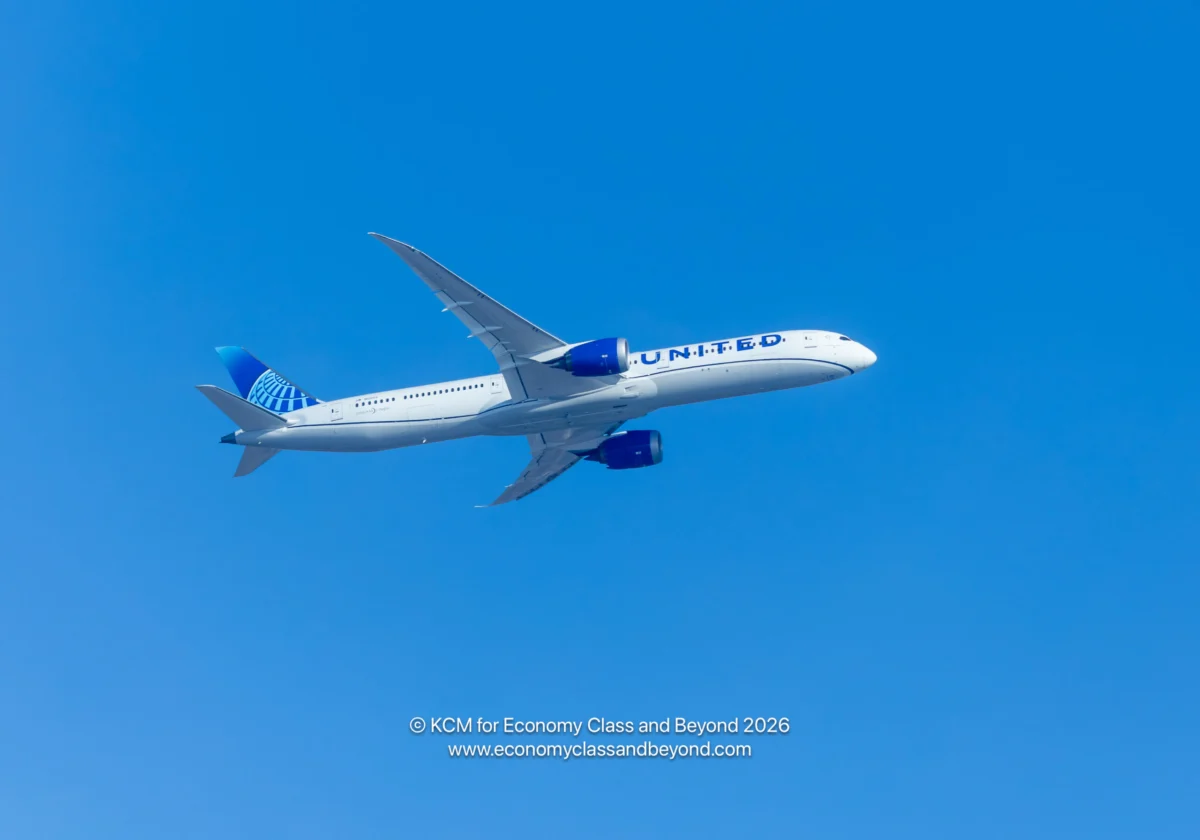
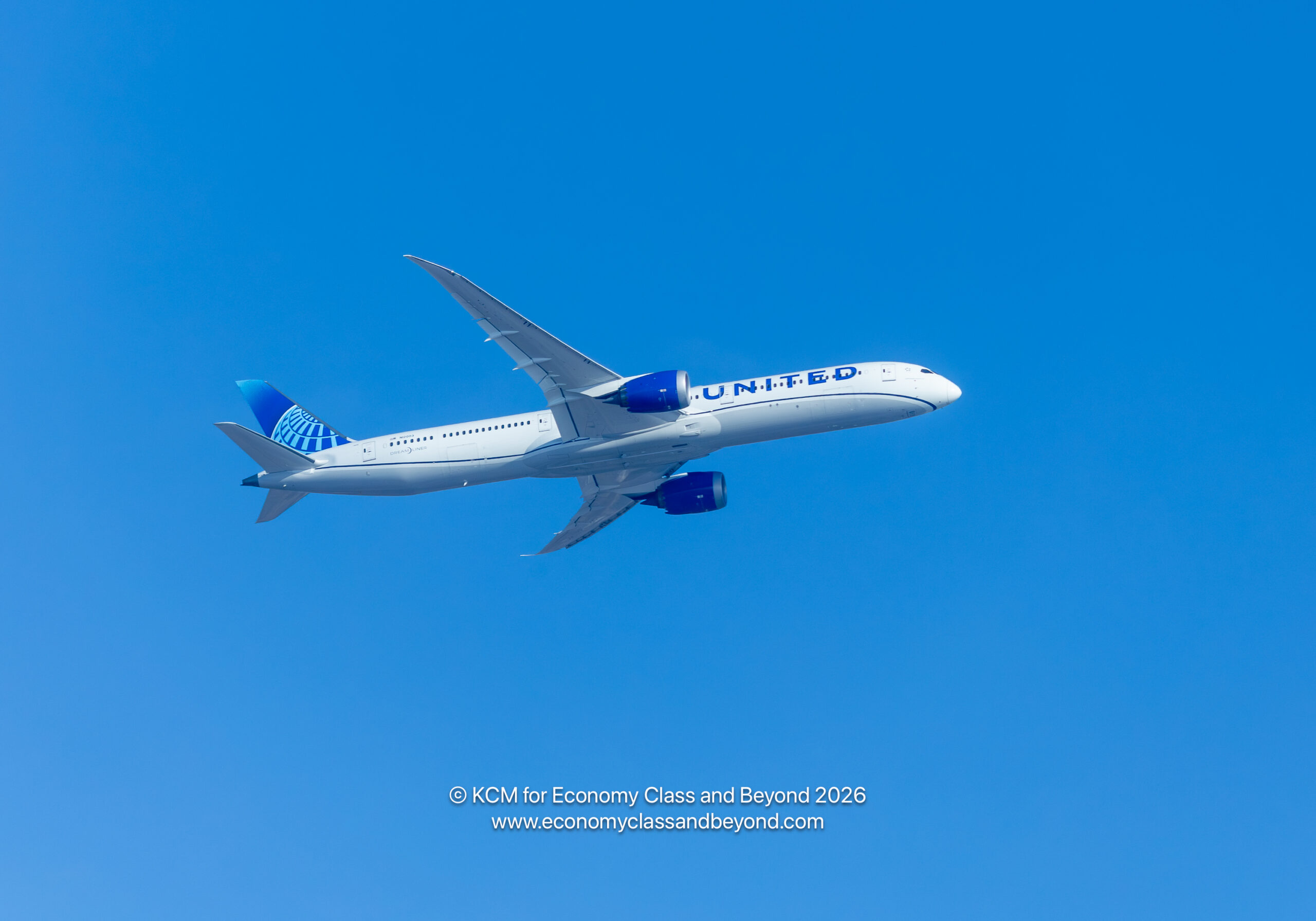
In the early morning light at Chicago O’Hare International Airport (ORD), a United Airlines Boeing 787-10 Dreamliner, registered as N12003, powers through its initial climb, marking another routine yet technologically sophisticated departure from one of the world’s busiest aviation hubs. This specific airframe represents a critical component of United Airlines’ modern widebody strategy, bridging the gap between high-capacity transcontinental service and long-haul international missions. As the aircraft retracts its landing gear and maneuvers into the Illinois sky, it carries with it the culmination of decades of aerospace engineering and the operational ambitions of a carrier currently undergoing one of the largest fleet transformations in North American aviation history.
The Boeing 787-10 is the largest variant of the Dreamliner family, often referred to as the "stretch" model. While the 787-8 and 787-9 were designed with ultra-long-range capabilities in mind, the 787-10 was optimized for maximum efficiency on high-demand, medium-to-long-haul routes. United Airlines currently operates a fleet of 20 these aircraft, positioning them as a replacement for older, less efficient widebodies and as a high-capacity alternative to the Boeing 777-200 series. The sight of N12003 climbing out of O’Hare is a testament to the carrier’s commitment to Chicago as its primary global gateway, where the 787-10 serves as a workhorse for both European and Pacific operations.
Technical Profile of N12003 and the 787-10 Variant
The aircraft featured, N12003 (MSN 40935), holds a significant place in the United fleet. Delivered in December 2018, it was among the first 787-10s to enter service with the airline. United Airlines notably became the first airline in the world to operate all three variants of the Dreamliner family—the 787-8, 787-9, and 787-10—allowing for unparalleled flexibility in matching aircraft capacity to specific route demand.
Measuring 224 feet in length, the 787-10 is 18 feet longer than the 787-9 and 38 feet longer than the original 787-8. This extra length allows United to configure the aircraft with 318 seats: 44 in the United Polaris business class cabin, 21 in United Premium Plus, 54 in Economy Plus, and 199 in standard Economy. This configuration emphasizes the airline’s "premium-heavy" strategy on routes where business travel and high-end leisure demand are robust. Powered by two General Electric GEnx-1B engines, the aircraft offers a range of approximately 6,330 nautical miles, which, while shorter than its smaller siblings, is more than sufficient for the majority of United’s transatlantic and high-density transpacific routes.
Operational Chronology and Route Connectivity
The recent operational history of N12003 illustrates the versatile nature of the 787-10 within the United network. Data from flight tracking services indicates that the aircraft has maintained a grueling schedule, connecting Chicago O’Hare and Los Angeles International (LAX) to a variety of global destinations.
In the days surrounding its departure from Chicago, N12003 has been deployed to Tokyo Haneda (HND), a route that demands high reliability and premium amenities for corporate travelers. It has also serviced the Chicago to Frankfurt (FRA) corridor, a vital link for the Star Alliance network, connecting United’s largest hub with the primary hub of its partner, Lufthansa. Furthermore, the aircraft’s deployment to Sao Paulo (GRU) and Honolulu (HNL) highlights its ability to handle both heavy-duty international "red-eye" flights and high-capacity domestic "long-haul" leisure routes.
The 787-10’s role in Chicago is particularly vital. As United’s home base, O’Hare requires aircraft that can handle the variable weather conditions of the Midwest while maintaining tight turnaround schedules. The Dreamliner’s advanced anti-icing systems and superior takeoff performance make it an ideal candidate for the diverse climate of the Great Lakes region.
The United Next Strategy and Fleet Composition
The presence of the 787-10 in the United fleet is part of a broader narrative known as "United Next." This strategic initiative focuses on the modernization of the airline’s fleet, the enhancement of the passenger experience, and the reduction of the carrier’s carbon footprint. United’s widebody operation is currently one of the most diverse in the world, consisting of:
- Boeing 767-300ER and 767-400ER: The aging stalwarts of the Atlantic, slated for eventual replacement by more efficient 787 variants.
- Boeing 777-200 and 777-200ER: High-capacity workhorses used for both domestic hubs and international long-haul.
- Boeing 777-300ER: The current flagship for ultra-long-haul and high-premium routes.
- Boeing 787-8, 787-9, and 787-10: The future core of the widebody fleet, offering 25% better fuel efficiency per seat compared to the aircraft they replace.
United’s recent order for 100 Boeing 787 Dreamliners, with options for 100 more, underscores the airline’s belief in the platform. This order, the largest widebody order in U.S. history, ensures that aircraft like N12003 will remain the backbone of the international network for decades to come. The 787-10, specifically, serves as the "bridge" aircraft, offering nearly the capacity of a 777 with the operating costs of a much smaller jet.
Engineering and Environmental Implications
From an engineering perspective, the 787-10 climbing out of O’Hare represents a shift away from traditional aluminum airframes toward composite materials. Approximately 50% of the 787’s primary structure, including the fuselage and wings, is made of carbon fiber reinforced polymer. This reduction in weight allows for the massive fuel savings that have become the hallmark of the Dreamliner program.
For the environment, the implications are significant. The GEnx engines feature lean-burn combustion technology that reduces NOx emissions and lowers the noise footprint of the aircraft by up to 60% compared to previous-generation widebodies. This is a critical factor at airports like O’Hare, where noise abatement for surrounding communities is a constant operational priority.
Furthermore, the 787-10’s efficiency allows United to operate routes that might have been economically unfeasible with older 747s or early-model 777s. By lowering the "trip cost," the airline can maintain frequency on competitive routes to Europe and Asia, even during periods of fluctuating fuel prices.
The Passenger Experience and Cabin Innovations
While the exterior of N12003 is a marvel of aerodynamics, the interior is where the 787-10 distinguishes itself for the traveler. The Dreamliner family introduced several cabin innovations that have since become industry standards. The use of composites allows for a lower cabin altitude—typically 6,000 feet compared to 8,000 feet on conventional aircraft—and higher humidity levels. This combination significantly reduces the effects of jet lag and dehydration, a major selling point for United’s long-haul business travelers.
The 787-10 also features the largest windows in the industry, which are electronically dimmable, eliminating the need for traditional plastic shades. For United, the 787-10 was the first aircraft to be delivered with the full "signature" interior across all cabins, including the Polaris business class pods that offer direct aisle access and lie-flat comfort. This consistency in product is essential for United as it competes with Gulf carriers and European incumbents for market share on lucrative global routes.
Broader Economic Impact and Industry Outlook
The departure of a United 787-10 from Chicago is more than just a flight; it is an economic engine. Each international widebody flight contributes millions of dollars in economic activity through cargo capacity, tourism, and business connectivity. The 787-10, with its large belly-hold capacity, is a vital link in the global supply chain, carrying everything from high-value electronics to temperature-sensitive pharmaceuticals between the U.S. Midwest and markets in Europe and Asia.
Industry analysts view United’s heavy investment in the 787-10 as a move to stabilize operating costs in an era of volatility. By standardizing the fleet around the 787 and 777 families, United simplifies its maintenance and pilot training programs. The 787-10 shares a common type rating with the 787-8 and 787-9, and a "common entry" rating with the Boeing 777, allowing pilots to transition between aircraft types with minimal additional training.
As N12003 reaches its cruising altitude and disappears from the Chicago skyline, it symbolizes the "new" United Airlines—one that is focused on efficiency, premium service, and global reach. The 787-10 remains a pivotal tool in this endeavor, providing the capacity of a jumbo jet with the agility and economy of a modern twin-engine aircraft. For the observers at O’Hare, the climb of the Dreamliner is a daily reminder of the relentless pace of aviation progress and the enduring importance of Chicago as a crossroads of the world.




 Anjar Salim
 Chandra Hamzah
 Tatiana Tantri Indah Sari
 Lukman Taruna Persada Ramadan
