
 Budi Mulyono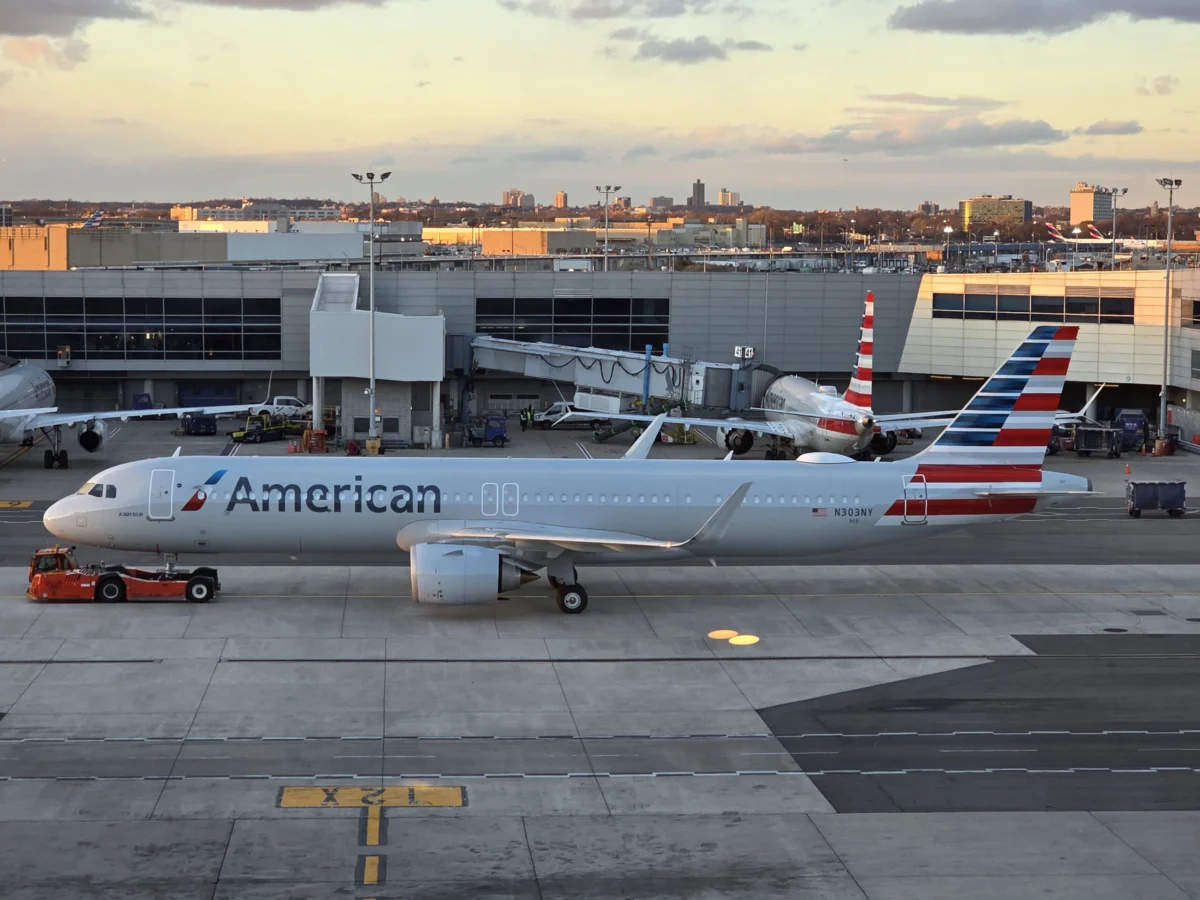
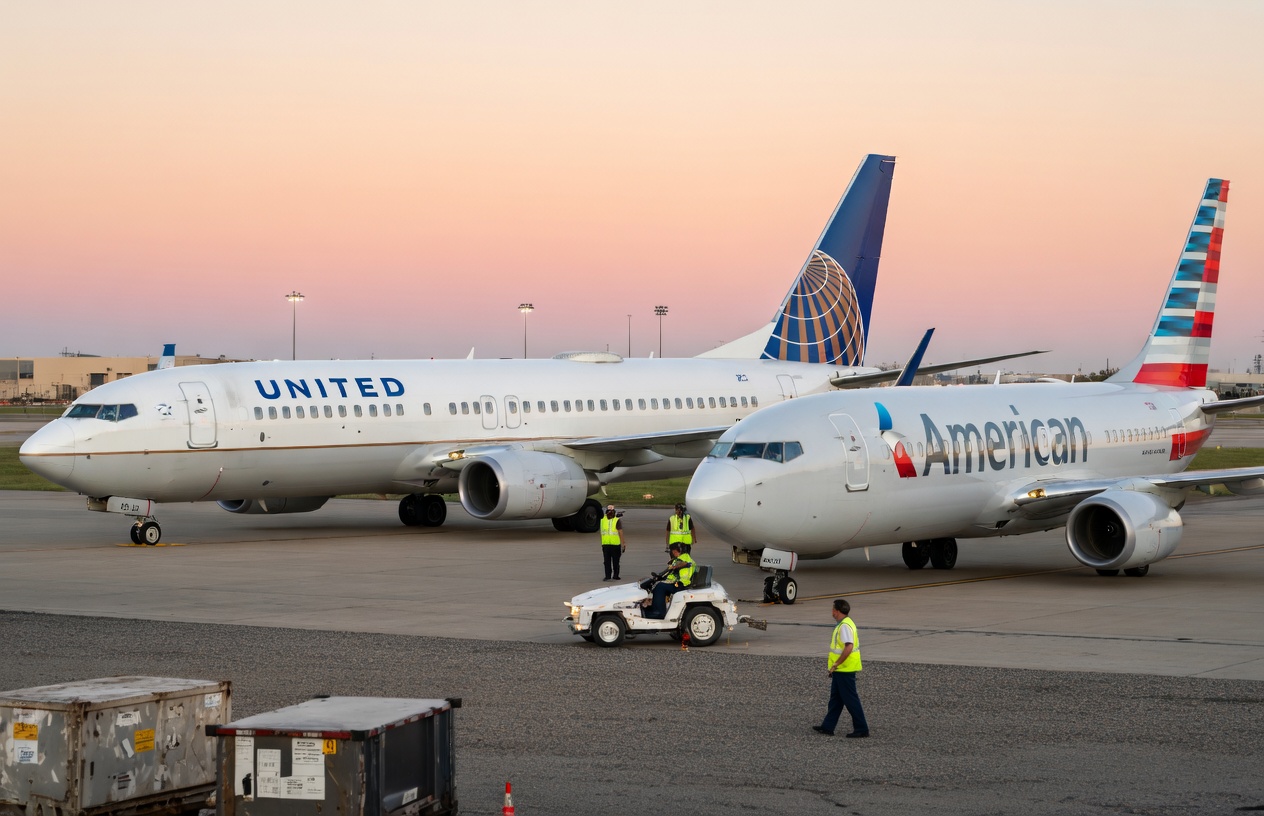
In a move that has sent ripples through the global aviation industry, United Airlines Chief Executive Officer Scott Kirby recently approached the administration of President Donald Trump to propose a massive merger with American Airlines. The proposal, which would have created the world’s largest airline by an overwhelming margin, was reportedly met with a swift refusal from American Airlines leadership. Despite this rejection, the public nature of the proposal and the subsequent rhetoric from United Airlines signal a significant shift in the strategic landscape of the U.S. airline industry, as carriers grapple with intense international competition and a shifting domestic regulatory environment.
The rejection by American Airlines has not deterred United from pursuing an aggressive expansion strategy. While American Airlines has pivoted toward a joint venture with Alaska Airlines to bolster its domestic network, United is currently in active negotiations to acquire assets from other unnamed carriers. The collapse of the United-American talks has prompted Kirby to take the unusual step of publicly defending the merits of the deal, arguing that such a consolidation is necessary for the United States to maintain its standing in the global aviation market.
A History of Rivalry and Strategic Shifts
To understand the weight of this proposal, one must look at the personal and professional history of Scott Kirby. Before becoming the CEO of United Airlines, Kirby served as the President of American Airlines under CEO Doug Parker. His departure from American in 2016 was widely viewed as a forced exit, after which he was immediately hired by United. Since taking the helm at United, Kirby has been the architect of "United Next," a massive capital investment plan involving the purchase of hundreds of new narrow-body and wide-body aircraft to overhaul the carrier’s fleet and hub efficiency.
The pitch to merge with American Airlines is viewed by many industry analysts as the "ultimate revenge deal," potentially allowing Kirby to return to his former employer as the head of a combined entity. However, the proposal was more than just a personal maneuver; it represented a radical attempt to consolidate the "Big Three" U.S. carriers—United, American, and Delta—into a dominant duopoly that could more effectively compete with state-backed international airlines.
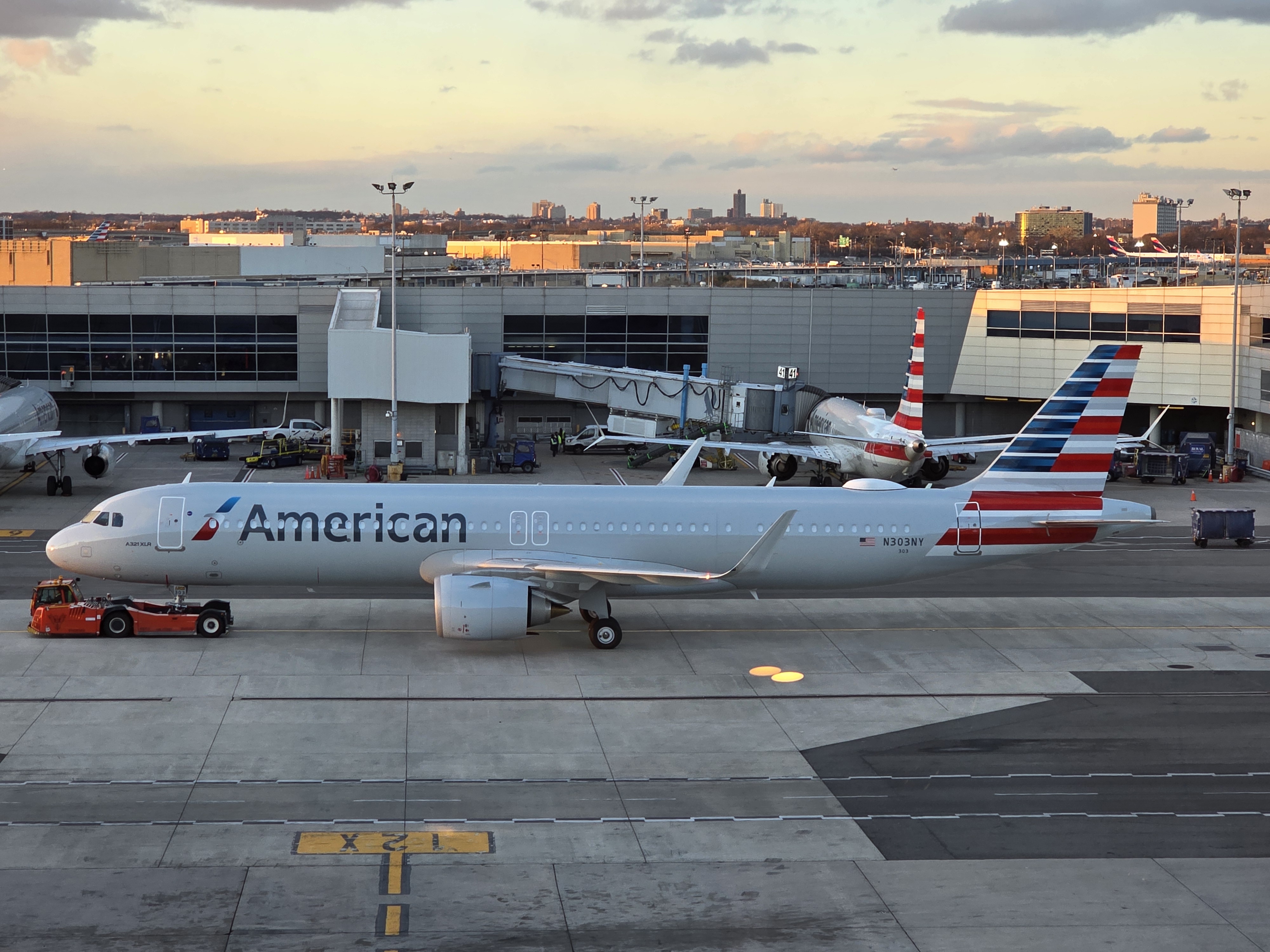
American Airlines, led by CEO Robert Isom, has taken a different path. Rather than pursuing a mega-merger that would invite years of litigation and federal oversight, American has focused on revenue-sharing agreements and domestic alliances. Their recent discussions with Alaska Airlines aim to strengthen their West Coast presence, a move designed to counter United’s dominance in transpacific gateways like San Francisco.
The "Trade Deficit" in International Aviation
A central pillar of Scott Kirby’s argument for the merger is what he describes as a "trade deficit" in the aviation sector. Kirby contends that foreign carriers, many of which receive significant government subsidies, are increasingly dominating the U.S. market. According to United’s internal data and public statements, foreign airlines currently operate more seats on international routes to and from the U.S. than domestic carriers do.
"The U.S. has a trade deficit with foreign airlines," Kirby stated in a message to stakeholders. He argued that foreign carriers are carrying more American citizens than U.S. airlines are, a trend he believes undermines the economic security of the American aviation workforce. Kirby’s narrative is specifically tailored to appeal to the "America First" economic policies of the Trump administration, framing the merger not as a domestic monopoly, but as a necessary consolidation to protect American interests abroad.
However, critics of this logic point out that a merger between United and American would not inherently solve the issues of international competitiveness. Access to key global hubs, such as London Heathrow (LHR) and Tokyo Haneda (HND), is governed by strict slot constraints and bilateral "Open Skies" agreements. A combined United-American entity would likely be forced by regulators to divest many of these valuable slots to maintain competition, potentially benefiting foreign rivals or smaller domestic competitors like JetBlue or Virgin Atlantic.
Regulatory Hurdles and the Antitrust Landscape
The proposed merger faces daunting legal challenges. The U.S. Department of Justice (DOJ) has historically been skeptical of further consolidation in the airline industry, which has already seen the number of major legacy carriers shrink from six to three over the past two decades. The recent blocking of the JetBlue-Spirit merger and the court-ordered dissolution of the "Northeast Alliance" between American Airlines and JetBlue serve as clear precedents for the current regulatory climate.

Kirby has publicly dismissed these concerns, suggesting that regulators would approve the deal because it is focused on "growth and international competitiveness" rather than "cost-cutting and capacity reduction." In a typical merger, cost-cutting through the elimination of overlapping routes and staff is the primary driver of value. Kirby’s insistence that this deal would be different—that it would preserve jobs and expand service—is viewed by antitrust experts as an optimistic, if not unrealistic, assessment.
State attorneys general and international regulatory bodies, such as the European Commission, would also likely intervene. A United-American merger would create a carrier with a staggering share of the market in major cities like New York, Chicago, and Los Angeles. In Chicago, for example, both airlines operate major hubs at O’Hare International Airport; a merger would give the combined company a near-monopoly on air travel in the nation’s third-largest city.
Comparative Data: United vs. American
The scale of these two organizations highlights the complexity of a potential merger. As of late 2024, the following data illustrates the size of the carriers:
| Metric | United Airlines | American Airlines |
|---|---|---|
| Fleet Size | ~950 aircraft | ~960 aircraft |
| Annual Revenue (2023) | $53.7 Billion | $52.8 Billion |
| Primary Hubs | Chicago, Denver, Houston, Newark, San Francisco, Washington D.C., Los Angeles | Dallas/Fort Worth, Charlotte, Chicago, Miami, Phoenix, Philadelphia, Washington D.C., Los Angeles |
| Employees | ~100,000 | ~130,000 |
| Global Alliance | Star Alliance | Oneworld |
A combined entity would operate nearly 2,000 aircraft and generate over $100 billion in annual revenue. This would dwarf Delta Air Lines, currently the world’s most profitable carrier, and create a lopsided domestic market that could lead to higher fares for consumers and less incentive for service innovation.
Industry Reactions and Economic Implications
The reaction from the broader industry has been one of cautious observation. Labor unions, which carry significant political weight in the airline industry, have expressed concerns about how such a merger would affect seniority lists and collective bargaining agreements. While Kirby has suggested the deal would be pro-growth, the history of airline mergers—such as the United-Continental merger in 2010—often involves years of labor integration friction and operational reliability issues.
Financial analysts have noted that United’s decision to publicize the failed proposal is a strategic move to signal to the market that the company is "in play" for Mergers and Acquisitions (M&A). By releasing the political and economic case for the deal, United is essentially providing a roadmap for future consolidation, whether with American or another carrier.
Furthermore, the timing of this proposal coincides with a period of financial volatility for the industry. While travel demand has returned to pre-pandemic levels, rising labor costs and the delayed delivery of new aircraft from Boeing have squeezed profit margins. Consolidation is often seen as a solution to these systemic pressures, providing carriers with the scale needed to absorb rising costs.
The Path Forward: Assets and Alliances
With the American Airlines merger off the table for the immediate future, the two carriers are pursuing divergent paths. American is doubling down on its partnership strategy. Its joint venture with Alaska Airlines is a tactical move to shore up its loyalty program and feed more passengers into its long-haul network without the capital expenditure of a full acquisition.
United, conversely, remains on the hunt for assets. Reports suggest that United is looking at distressed assets or specific hub operations from smaller carriers that may be struggling in the current economic environment. This "piece-meal" approach to growth may be more palatable to regulators than a wholesale merger with a primary competitor.
The rhetoric from Scott Kirby suggests that United is not finished trying to reshape the industry. By framing the conversation around the "trade deficit" and international competition, Kirby is attempting to shift the regulatory focus away from domestic consumer protection and toward global economic strategy. Whether this argument will resonate with federal regulators or the judicial system remains to be seen.
Conclusion and Outlook
The failed United-American merger proposal serves as a landmark moment in post-pandemic aviation. It reveals the high-stakes ambitions of United’s leadership and the defensive posture of American Airlines. While the deal is currently dead, the underlying pressures—international competition, regulatory scrutiny, and the drive for scale—remain.
The aviation industry now enters a period of heightened observation. As United seeks other assets and American integrates its partnership with Alaska, the "Big Three" will continue to battle for dominance in a market that is increasingly sensitive to both political shifts and consumer demands. For the traveling public, the primary concern remains whether this drive for consolidation will result in a more robust American aviation industry or simply lead to fewer choices and higher prices at the boarding gate.
As the Trump administration evaluates its stance on corporate consolidation, the arguments laid out by Scott Kirby will likely serve as the opening salvo in a broader debate about the future of American infrastructure and its ability to compete on the world stage. For now, the status quo of the "Big Three" remains intact, but the tectonic plates of the industry have clearly begun to shift.




 Anjar Salim
 Chandra Hamzah
 Tatiana Tantri Indah Sari
 Lukman Taruna Persada Ramadan
