
 Chandra Hamzah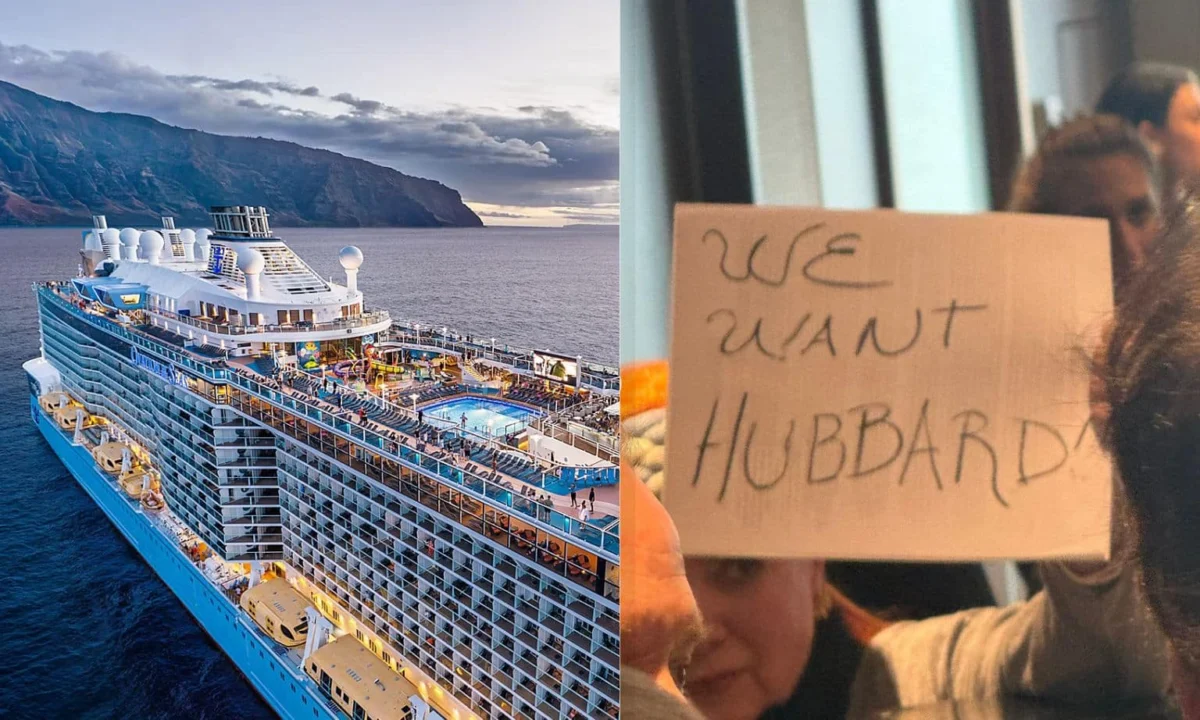
The much-anticipated Alaskan cruise season has encountered another significant disruption, leaving passengers aboard Royal Caribbean vessels deeply dissatisfied following last-minute itinerary alterations. A recent sailing, which prominently featured a planned visit to the iconic Hubbard Glacier, saw this highlight experience unceremoniously cancelled on the second-to-last day of the voyage, sparking considerable unrest among guests.
The incident underscores the inherent volatility of cruise operations, particularly in destinations like Alaska, where weather, port logistics, and environmental factors can necessitate rapid adjustments. This particular disruption involved a ship originally scheduled to conclude its journey in Seward, Alaska. However, a change in port operations, attributed to ongoing repairs at the Seward terminal, forced a switch to Whittier, Alaska, a redirection announced only the night before the ship was set to depart Anchorage.
Chronology of the Itinerary Shift
The initial plan for the Royal Caribbean sailing included a scenic cruise past the Hubbard Glacier, a natural spectacle renowned for its towering ice walls and active calving events. Passengers had anticipated this experience as a prime element of their Alaskan adventure. However, the operational realities of cruise scheduling and port accessibility intervened.
According to passenger Eddie Dowd, a key participant in the voyage, the captain delivered the disappointing news on the penultimate day of the cruise. "The captain announced on the second to last day that the glacier had to be cancelled on the itinerary," Dowd recounted. The pivot in destination, from Seward to Whittier, was reportedly communicated to passengers the evening prior to their departure from Anchorage. This change was directly linked to necessary port repairs at Seward.
Royal Caribbean, in a statement addressing the situation, explained the rationale behind the itinerary adjustment. "Due to schedule adjustments to ensure our timely arrival into Whittier, we’ll be adjusting our itinerary and will continue with a full day at sea instead of cruising Hubbard Glacier," the cruise line stated. The company further elaborated on the revised disembarkation schedule, noting, "The ship will arrive to the port of Whittier on Friday at 1:00 AM to begin luggage operations; and debarkation will begin at 6:00 AM for all guests."
The port of Seward had been undergoing extensive construction and was slated to reopen for passenger services by May 14. However, unforeseen delays extended this timeline, with the port only beginning to welcome passengers on May 22. This reopening schedule directly impacted the itineraries of several cruise ships, including Royal Caribbean’s Ovation of the Seas, which was among those rerouted to Whittier to accommodate the ongoing port works.
Passenger Reactions and Onboard Unrest
The announcement of the Hubbard Glacier cancellation, coupled with the last-minute port change, ignited a strong reaction from passengers. Reports from onboard indicate that a significant number of guests converged on the guest services desk, vocally protesting the alteration to their planned itinerary. Some passengers were seen holding signs, and there were audible chants of "we want Hubbard," reflecting their deep disappointment.
The situation highlights a recurring challenge for cruise lines: balancing operational necessities with passenger expectations. While cruise lines often contend with unpredictable factors such as port infrastructure issues, adverse weather, and congested shipping lanes, passengers, particularly those who have meticulously planned their vacations, can feel blindsided by such changes. The sentiment among some passengers was that Royal Caribbean might have possessed prior knowledge of the potential port issues and should have communicated them earlier. However, this remains unconfirmed.
The reality of cruising, as acknowledged by industry observers, is its inherent dependence on a confluence of external variables. These can shift with little notice, often beyond the immediate control of cruise operators. While passengers have a right to expect a fulfilling vacation experience, itinerary modifications, though disappointing, are an unavoidable aspect of this form of travel. The onus then falls on the cruise line to assess the severity of the changes and determine the appropriate course of action regarding compensation.
In this instance, Royal Caribbean offered compensation in the form of onboard credit, with amounts ranging from $150 to $400, contingent upon the passenger’s cabin category. This gesture aimed to mitigate the dissatisfaction stemming from the altered experience.
Broader Cruise Community Perspectives on Passenger Protests
Intriguingly, the vocal protests by a segment of the passengers aboard the Ovation of the Seas did not resonate universally within the wider cruise community. Many seasoned cruisers and observers expressed a sentiment that the reactions were, in fact, an overreaction.
Discussions on social media platforms revealed a prevailing opinion that the protests were indicative of an entitled attitude. One anonymous Facebook user’s comment, "Is this the Entitlement of the Seas group?" captured this sentiment. Another cruiser echoed this, stating, "Imagine protesting on vacation. My guess would be it’s a bunch of adult babies that have never been told no on their first cruise."
A prevalent viewpoint among many experienced cruisers was articulated by a user who stated, "Adults need to learn how to adult. Things can change at any minute on a cruise. We have been to Alaska multiple times, and have had changes to the trip both times, port times change, and docking times change. Trying to cause an uproar because you didn’t get your way is insane." Similar sentiments were expressed by others who labelled the protesting passengers as "a bunch of crybabies" and "entitled adults."
Offering a more measured perspective, another cruiser provided a nuanced analysis: "Have to believe that the captain would love nothing more than to provide them a visit to the Hubbard Glacier. Unfortunately, due to port circumstances beyond RCL control, the captain isn’t about to risk damaging a $1.1 billion ship and a tenured career for few disgruntled protesters at the Customer Service desk." This viewpoint emphasizes the captain’s professional responsibility and the potential risks involved in prioritizing passenger demands over operational safety and vessel integrity.
The Complexities of Alaska’s Cruise Industry and Future Implications
Alaska’s cruise industry is a vital economic engine for the state, drawing millions of visitors annually and supporting numerous businesses. The season, typically running from April to October, is carefully orchestrated, with a high volume of ship traffic navigating the state’s intricate waterways. Major attractions like the Hubbard Glacier, Glacier Bay National Park, and the Inside Passage are central to the appeal of Alaskan cruises.
The reliance on specific natural phenomena and remote port infrastructure makes these itineraries particularly susceptible to external pressures. The recent incident with Royal Caribbean serves as a stark reminder of these vulnerabilities. For cruise lines, the challenge lies in managing passenger expectations in an environment where disruptions are not uncommon. Transparency and proactive communication, where possible, are crucial in mitigating passenger dissatisfaction.
The financial implications for cruise lines can also be significant. While compensation in the form of onboard credit is a common practice, repeated or substantial itinerary changes could potentially lead to more significant claims or reputational damage. For passengers, understanding the inherent risks and variables associated with cruise travel, especially in destinations like Alaska, can foster a more realistic set of expectations.
The ongoing infrastructure developments in Alaskan ports, while ultimately beneficial for the industry, can lead to temporary disruptions. As the state continues to invest in its tourism facilities, the frequency of such unavoidable itinerary changes may fluctuate. The long-term outlook for Alaska’s cruise season remains robust, given the enduring appeal of its natural beauty and unique travel experiences. However, the industry must continue to adapt to the dynamic conditions that shape its operations, striving for a balance between delivering memorable experiences and navigating the logistical complexities of a remote and ecologically sensitive destination. The incident involving Royal Caribbean underscores the need for ongoing dialogue between cruise lines and passengers regarding the realities of cruise travel and the management of unforeseen circumstances.




 Tatiana Tantri Indah Sari
 Budi Mulyono
 Anjar Salim
