
 Chandra Hamzah
Australia’s leading travel industry association is mounting a concerted effort to persuade the Federal Government to rescind its current "Do Not Travel" advisory for key Middle Eastern transit hubs, arguing that the outdated guidance is leaving thousands of Australian cruise passengers uninsured during their journeys to Europe. The Australian Travel Industry Association (ATIA) contends that the Smartraveller advisory for the United Arab Emirates and Qatar no longer accurately reflects the current travel environment, as millions of passengers, including numerous Australians, continue to transit safely through major airports in Dubai, Doha, and Abu Dhabi daily.
The urgency of this situation has been amplified for Australian cruise enthusiasts planning to embark on European adventures during the peak Mediterranean summer season. A significant portion of these travellers rely on major Gulf carriers, such as Emirates and Qatar Airways, to connect them to embarkation ports across popular destinations like Italy, Greece, Spain, and Croatia. Despite the government’s cautionary advice, a substantial number of Australians are proceeding with their travel plans, utilizing these established transit routes. Recent reports, including those from Cruise Passenger, have highlighted the experiences of passengers on voyages like the Sun Princess, who have undertaken these journeys, navigating the government’s advisory while reporting incident-free transit experiences.
The Disconnect Between Advisory and Reality
The core of ATIA’s argument lies in the perceived disconnect between the official government advisory and the lived experiences of Australian travellers. According to ATIA, there have been no significant reported incidents involving Australian citizens who are merely transiting through the region’s primary international airports. However, the prevailing "Do Not Travel" recommendation for certain parts of the Middle East, issued by Smartraveller due to ongoing regional geopolitical tensions, has inadvertently rendered many standard travel insurance policies invalid during transit.
This has created a precarious situation for cruise passengers, who find themselves travelling through some of the world’s busiest aviation gateways without adequate insurance coverage. Dean Long, the Chief Executive of ATIA, has been vocal about the industry’s ongoing dialogue with Canberra. "ATIA has been calling on the government to lift the ‘Do Not Travel’ warning for Qatar and the UAE, at least for their major airports," Long stated in recent remarks. "We have now reached a point where such an advisory in place does not match the experiences of thousands of people who are transiting through Dubai, Doha and Abu Dhabi without an issue."
Long further elaborated that cruise passengers serve as a prime example of this discrepancy. "Cruise passengers are a great example of the disconnect we’ve been talking about," he explained. "Australians are boarding ships in the Mediterranean, the Adriatic, across Asia, and the vast majority of them are getting there through Middle East transit hubs without a problem. The advisory doesn’t reflect that experience, and it’s leaving them without insurance cover for a risk that simply isn’t materialising."
Middle Eastern Hubs: Essential Lifelines for Global Travel
The United Arab Emirates and Qatar have evolved into critical aviation gateways for Australians travelling to Europe, a trend that has been particularly pronounced since the significant reduction in direct international flight routes during and in the aftermath of the COVID-19 pandemic. Dubai and Doha, in particular, now rank among the busiest connecting hubs for Australians aiming to reach Mediterranean cruise departure points in cities such as Rome, Athens, Barcelona, and Venice.
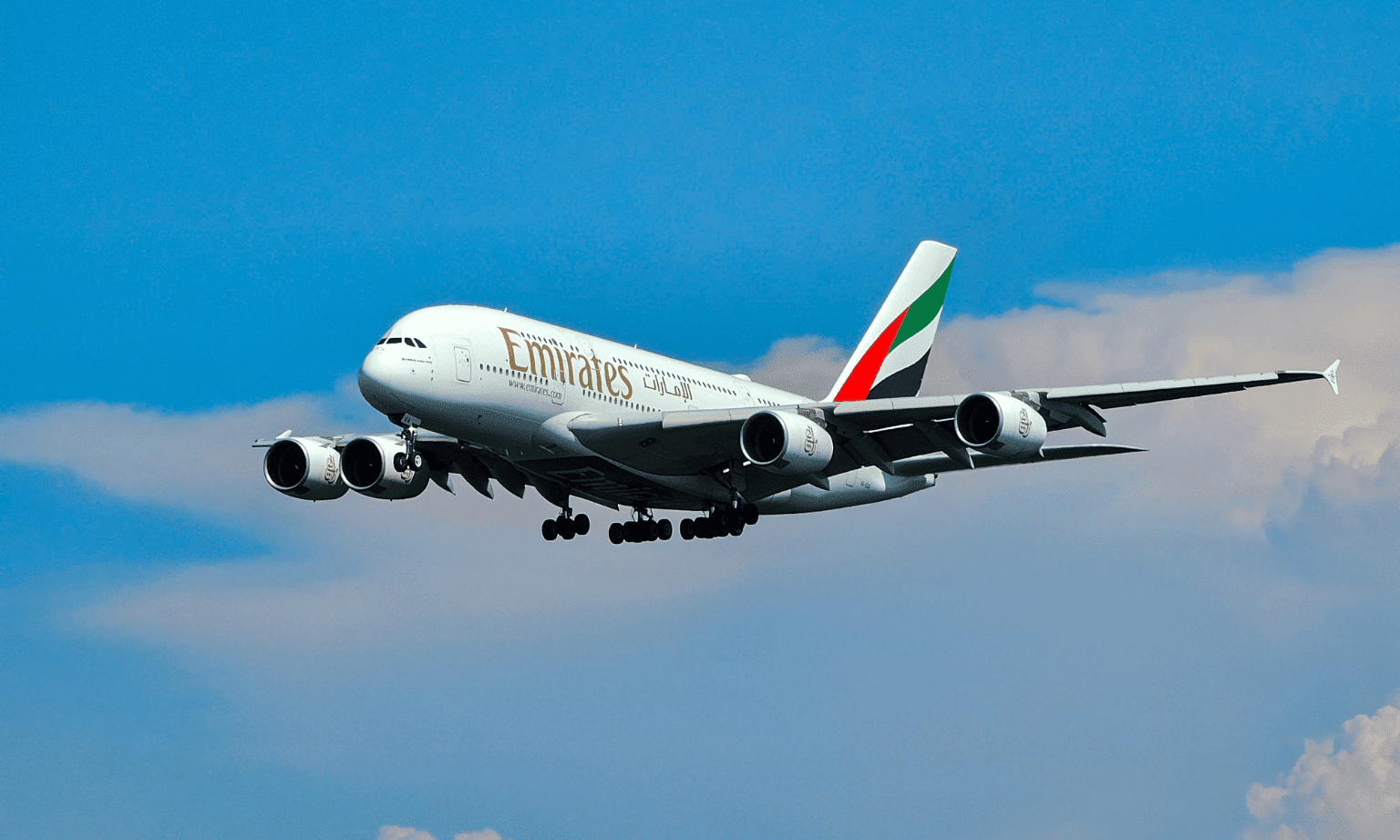
Emirates and Qatar Airways continue to be among the most frequently utilized long-haul carriers for Australian travellers, offering extensive connectivity from major Australian cities including Sydney, Melbourne, Brisbane, Perth, and Adelaide. This reliance on these carriers and their transit hubs is deeply ingrained in the current travel patterns of many Australians seeking European destinations.
The Insurance Conundrum and Growing Anxiety
Travel agents report that many cruise passengers have made their flight and cruise bookings months in advance and are often reluctant to cancel their long-anticipated holidays, even in the face of government advisories. However, the insurance implications of these warnings are a growing source of anxiety. The vast majority of comprehensive travel insurance policies contain specific clauses that exclude coverage when travellers enter or transit through destinations that are subject to a "Do Not Travel" warning issued by the Australian Government.
Industry insiders suggest that many travellers are either unaware of these exclusion clauses or are facing significant challenges in finding specialist insurers willing to offer cover for such journeys. This situation leaves passengers in a difficult bind, often having to choose between travelling without essential insurance or incurring substantial additional costs and logistical complexities to reroute their entire trip.
A Call for a Nuanced Approach
Dean Long has emphasized that the current advisory is disproportionate to the actual risks faced by travellers in these specific transit scenarios. "Usually ‘Do Not Travel’ is for countries that are in a state of civil war, not international hubs," he argued. "As long as the advisory remains, travellers are left without insurance cover while transiting through Qatar or the UAE. They’ve got to change it as it’s disproportionate and it’s really important for overall confidence and forward bookings."
The potential long-term implications of these persistent warnings are a significant concern for the travel industry. There is a fear that the advisories could begin to impact future cruise bookings to both Europe and Asia, as travellers become increasingly apprehensive about insurance complications and perceived safety risks, even if those risks are not demonstrably present in transit.
Cruise operators are currently reporting robust demand for Mediterranean sailings during the current northern hemisphere summer season, with Australians representing one of the largest international markets for European cruising. Despite this strong demand, travel agents are increasingly finding that uncertainty surrounding transit warnings is becoming a recurring topic of discussion with their clients.
Advocating for Targeted Guidance
ATIA is actively lobbying for a more nuanced and targeted approach from Smartraveller. This could involve the introduction of specific exemptions for major international airports and transit zones that continue to operate securely and efficiently, facilitating the safe passage of millions of passengers annually. The association’s stance is that broad, blanket warnings covering entire countries fail to adequately distinguish between areas of active conflict and highly secure global aviation hubs that are crucial to international travel.
The Current Dilemma for Travellers
For Australian cruise passengers currently en route to Europe, the situation remains a challenging one. They are faced with a stark choice: proceed with their journey through the Middle East, accepting the significant risk of travelling without standard insurance protection, or attempt to reroute their travel plans, which often entails substantially higher costs and considerable inconvenience. This dilemma underscores the critical need for the Australian Government to reassess and update its travel advisories to accurately reflect the current realities of international transit and to ensure that Australian travellers are not unduly penalised or left vulnerable due to outdated guidance. The industry’s call for a swift review and potential revision of the "Do Not Travel" warnings for these vital transit hubs is aimed at restoring confidence, ensuring adequate traveler protection, and supporting the continued viability of international travel for Australians.



 Tatiana Tantri Indah Sari
 Budi Mulyono
 Anjar Salim
