
 Chandra Hamzah
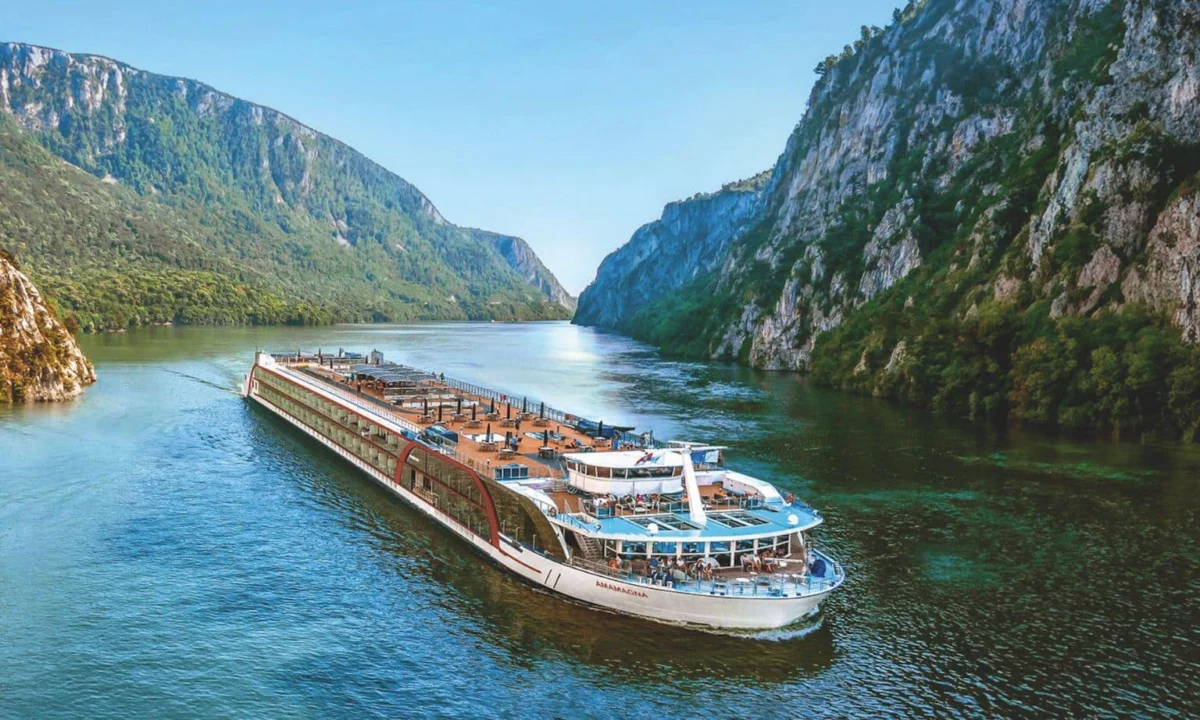
For travellers dreaming of Europe’s most enchanting experiences, AmaWaterways has become synonymous with luxury, authenticity, and unforgettable experiences. As the river cruise industry continues to evolve in response to a growing demand for experiential travel, AmaWaterways has positioned itself as a market leader by blending traditional maritime elegance with modern, guest-centric innovation. Founded in 2002 by river cruising pioneers Rudi Schreiner, Kristin Karst, and Jimmy Murphy, the company has spent over two decades refining a business model that prioritizes intimate, destination-focused travel over the mass-market scale of ocean-going vessels.
The Evolution of River Cruising: A Historical Context
The European river cruise sector has experienced a significant transformation over the last twenty years. Historically, the market was dominated by traditional, utilitarian vessels. However, the early 2000s marked a pivot toward luxury, with lines like AmaWaterways introducing amenities previously reserved for boutique hotels. This shift was designed to cater to a new demographic of travelers: affluent, active, and culturally curious individuals who preferred to dock in the heart of cities like Budapest, Vienna, and Amsterdam rather than at distant industrial ports.
AmaWaterways’ expansion has been calculated and steady. From its initial fleet to its current portfolio of over 25 ships, the company has consistently invested in custom-built vessels that adhere to specific river constraints, such as bridge heights and water depths, while maximizing space for passengers. This engineering expertise has allowed the line to offer unique itineraries, including the highly popular Douro River cruises in Portugal and the increasingly vital Rhine-Main-Danube canal routes.
Operational Fleet and Strategic Itineraries
The backbone of the AmaWaterways experience is its fleet, which includes the award-winning AmaMagna. Unlike standard longships, the AmaMagna is twice the width of traditional river cruise vessels, allowing for a wider range of dining venues, a dedicated wellness studio, and larger suites. This design choice represents a departure from industry standards, proving that river cruise lines can innovate on the water to match the luxury of land-based resorts.

The geographical reach of the line covers the continent’s most vital waterways:
- The Danube: Often referred to as the “Blue Danube,” this route remains the line’s most popular, connecting central European capitals with a focus on imperial history and baroque architecture.
- The Rhine: Offering access to the “Romantic Rhine” valley, this route is noted for its high density of medieval castles and vineyard-covered hillsides.
- The Seine: Focused on Northern France, these cruises emphasize history, particularly the D-Day landing beaches and the artistic legacy of Normandy.
- The Douro: A more recent addition to the European river market, this route highlights the UNESCO World Heritage-listed vineyards of the Douro Valley, providing a niche, high-value experience.
Culinary Excellence as a Strategic Pillar
Data from industry reports consistently indicate that “dining quality” is the number one decision-making factor for repeat river cruise passengers. AmaWaterways has addressed this by moving away from the buffet-centric model that once plagued the industry. Instead, the company focuses on a “farm-to-table” philosophy, sourcing ingredients from the regions through which the ships travel.
By partnering with the La Chaîne des Rôtisseurs, an international gastronomic society, AmaWaterways ensures that its culinary standards remain elevated. This commitment serves a dual purpose: it enhances the guest experience and strengthens the company’s brand identity as a premium provider. The inclusion of fine wines—often sourced from the specific valleys the ship is currently navigating—further cements the connection between the passenger and the destination.
Immersive Excursions and the Active Traveler
A significant shift in cruise passenger demographics has seen an increase in “active-adventure” travelers. AmaWaterways was one of the first lines to integrate complimentary bicycle tours, guided hikes, and fitness classes into their standard offerings. By providing a menu of excursion options—ranging from low-impact walking tours of historical districts to high-intensity cycling treks through regional forests—the line effectively captures a wider age range of travelers.
The company’s focus on “authentic connections” is also supported by its shore excursion philosophy. Rather than relying solely on large motorcoach tours, the line prioritizes small-group interactions with local artisans, vineyard owners, and historians. This strategy helps mitigate the “tourist bubble” effect, allowing passengers to gain a more genuine insight into local traditions and contemporary life in European villages.

Economic Impact and Industry Recognition
The financial implications of AmaWaterways’ expansion are felt throughout the European tourism economy. By operating year-round in many regions, the line supports local employment, from regional suppliers and port authorities to tour guides and independent business owners in small towns that are often skipped by major travel operators.
Industry analysts note that the company’s success has helped drive up the average daily rate (ADR) for the river cruise sector. By offering a high-touch, all-inclusive product, AmaWaterways has helped justify premium pricing, which in turn has encouraged other operators to invest in fleet upgrades and service enhancements. This competitive environment has resulted in a net gain for the consumer, who now faces a wider array of high-quality river cruising options than at any point in history.
Official Responses and Strategic Outlook
Company executives, including co-founders Rudi Schreiner and Kristin Karst, have frequently stated that the future of the brand lies in “conscious travel.” This involves reducing the carbon footprint of their vessels through modern, fuel-efficient engines and waste-reduction programs, as well as managing the impact of tourism on historical sites.
“We are not just moving passengers from one point to another,” a spokesperson for the brand noted in a recent industry forum. “We are curating a bridge between the guest and the heritage of Europe. The longevity of our business depends on the preservation of the rivers and the towns that define our itineraries.”
Broader Implications for the Travel Sector
The success of AmaWaterways highlights a broader trend: the move toward “slow travel.” As travelers become more wary of the environmental and social impacts of mass tourism, the intimate scale of river cruising offers a compelling alternative. With an average capacity of fewer than 160 guests per ship, the line avoids the overcrowding issues often associated with large-scale ocean cruises.

Furthermore, the integration of technology—such as enhanced Wi-Fi and digital onboard information systems—has made these cruises viable for the “digital nomad” or the working professional, extending the traditional travel season into the shoulder months of late autumn and early spring.
As the cruise market approaches 2030, the challenge for luxury river lines will be to maintain their reputation for exclusivity while scaling their operations to meet rising global demand. For AmaWaterways, the strategy remains focused on maintaining its high staff-to-guest ratio and ensuring that the “human element” of service remains the primary differentiator in an increasingly automated world.
In conclusion, AmaWaterways represents a stable, highly successful model within the river cruise industry. Through a combination of thoughtful ship design, a rigorous commitment to regional culinary authenticity, and an evolving menu of active shore excursions, the company has secured a position as a premier choice for discerning travelers. As they continue to explore new waterways and refine their onboard experience, their impact on both the travel sector and the European local economies they visit will likely remain significant. For those seeking a deeper, more intentional way to view the continent, the river remains the most efficient and elegant highway.


 Diana Nuri Rohmawati

 Gabriela Annisa

 Lukman Taruna Persada Ramadan

 Tatiana Tantri Indah Sari

 Anjar Salim

