
 Tatiana Tantri Indah Sari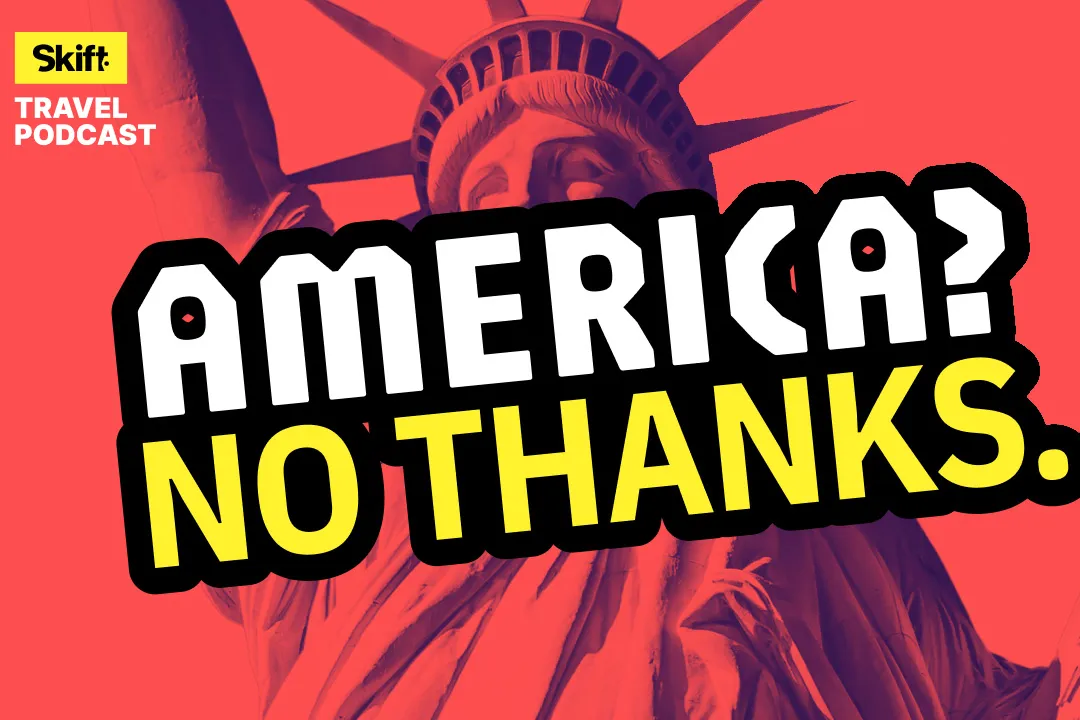
NEW YORK, NY – May 15th, 2026 – The United States is grappling with a persistent downturn in inbound international tourism, marked by a recent 14% drop, according to the latest figures. This decline arrives as the nation prepares to co-host major global sporting events, including the upcoming FIFA World Cup 2026. Experts and industry leaders point to a complex interplay of political perceptions, escalating costs, safety concerns, and evolving global media narratives as key factors reshaping tourism demand for the U.S. Concurrently, the travel industry is witnessing significant shifts, from mounting pressures on hotel owners navigating complex franchise agreements to the transformative entry of TikTok into the U.S. travel booking market, signaling a new era of creator-led commerce. Adding to the dynamic landscape, women’s sports are emerging as a powerful, unexpected driver of live tourism.
The latest statistics, showing a negative 14% change in inbound international tourism to the United States, underscore a troubling trend that has continued for several quarters. This figure represents the most recent decline and comes just weeks before the summer season, traditionally a peak for international arrivals. The sustained weakening of inbound travel is raising alarms across the U.S. tourism sector, particularly as major events like the World Cup 2026 are anticipated to draw significant global audiences.
Geopolitical and Economic Headwinds Deter International Visitors
A significant factor contributing to the decline is the perception of the "USA brand" abroad. Extensive research, including a Skift survey conducted in April 2025, consistently highlights political instability and economic policies as primary deterrents. The survey, whose findings remain largely consistent, indicated that the top reason for avoiding the U.S. was its political situation, with many travelers expressing a reluctance to endorse U.S. politics. This sentiment is closely followed by concerns over economic policies, including tariffs and trade disputes, which some international travelers associate with global economic distress. The ongoing geopolitical landscape, including conflicts in regions like Iran, also contributes to a perception that the U.S. bears some responsibility for rising oil prices and subsequent global economic impacts.
Safety and security perceptions constitute another critical barrier. Despite statistical evidence suggesting that major U.S. cities, such as New York, are among the safest in the world, international travelers frequently inquire about the physical safety of visiting the United States. This concern is often fueled by global media coverage of issues like gun violence, border security challenges, and various forms of social unrest, which, while geographically localized within a vast country, contribute to a broader narrative of insecurity. Discussions with travelers abroad reveal a consistent line of questioning regarding the perceived chaos and potential dangers within the U.S., creating an image that diverges from the daily realities experienced by residents in many areas.
Affordability further compounds the challenge. The U.S. remains an expensive destination, a factor exacerbated by persistent inflation. Recent inflation data, excluding energy, indicates a general rise in costs, with airline tickets notably high due to increased jet fuel prices. For travelers from Europe or Asia, numerous alternative destinations within their own regions or continents offer more budget-friendly options, often involving shorter flights and lower overall travel expenses. This structural cost disadvantage, coupled with the current economic climate, makes the U.S. a less competitive option for many international tourists.
The World Cup 2026: A Reality Check
With the FIFA World Cup 2026 rapidly approaching, scheduled to commence in June, the current inbound travel trends cast a shadow over its potential economic impact. While the event is still widely expected to be a success in terms of attendance and revenue, industry analysts are keenly watching the "delta" between its actual performance and its pre-event potential. Initial data for May and June arrivals will provide crucial insights, with July’s release of June figures anticipated to be the first real test of whether the World Cup can significantly reverse the prevailing negative trends.
Specific market data offers a mixed picture. Statistics Canada reported a 1.4% year-over-year increase in Canadian resident return trips to the U.S. in April, marking the first gain in 15 months. However, this modest recovery comes off a very low base, as travel from Canada to the U.S. had plummeted by 30% in April 2025. Similarly, inbound travel from Japan saw a 5% increase year-on-year in April, while China’s figures were technically negative at -0.8%, which is often considered flat in statistical analysis. These markets, particularly China, show signs of potential recovery. In contrast, the European Union consistently reports negative growth in the double digits, reflecting a more entrenched reluctance among European travelers to visit the U.S.
The divergence in regional trends suggests varying motivations. Canadian travelers, benefiting from proximity and cheaper travel options, may be more amenable to a return, even if from a low baseline. Chinese outbound travel, meanwhile, is showing broader signs of recovery globally, aided by new visa-free agreements with countries like Canada, the UK, and the European Union. A recent high-level visit by a U.S. presidential entourage, including prominent tech billionaires, to China has fueled speculation about potential discussions on a reciprocal visa-free travel agreement. Such a development, if realized, could significantly boost Chinese tourism to the U.S., but it would likely not alleviate the distinct concerns held by European travelers. The World Cup, being a North American event co-hosted by Canada and Mexico, also raises the intriguing possibility of international visitors choosing to attend matches in those countries while bypassing the U.S. segment of their trip.
Hotel Owners Under Immense Pressure Amid Franchise Expansion
The hospitality sector is concurrently facing internal strains, with a new Skift report highlighting the growing pressure on hotel owners. Major hotel brands are increasingly expanding their market power through franchise agreements, a model that, while offering brand recognition and loyalty program access, also creates significant tension with independent operators. These operators are grappling with rising costs—including labor, utilities, technology, and stringent brand-mandated upgrades—while simultaneously trying to meet shifting traveler expectations for affordability and amenities.

The franchise model, where a hotel owner operates under a major brand’s flag, has long been a cornerstone of the industry. Owners typically enter into long-term agreements, often spanning 20 years, exchanging a percentage of their revenue and adherence to brand standards for access to global distribution systems, marketing power, and customer loyalty programs. However, the current economic environment, characterized by high inflation and operational cost increases, is exposing structural asymmetries in this relationship. Publicly traded hotel companies, driven by fiduciary duties to shareholders, are focused on maximizing profit through aggressive brand expansion and fee collection. This often leaves individual franchisees with limited bargaining power, facing "take it or leave it" contract terms that can be devastating if market conditions turn unfavorable.
The report highlights instances where franchise agreements can be terminated rapidly due to perceived non-compliance or political pressures, leaving owners vulnerable. While some industry commentators argue that owners enter these agreements with "eyes open," the reality of managing a small business in a volatile economy, under the strictures of a powerful franchisor, presents unique challenges. The debate over whether the system is "self-correcting" is also central. While brands might theoretically adjust if enough owners abandon them, the long-term nature of these contracts means any market correction would unfold over decades, not in real-time. Furthermore, a proliferation of new hotel brands, often lacking distinct identities, risks confusing consumers and diluting brand value, a concern that will become increasingly relevant with the rise of AI-driven search and curated travel recommendations.
TikTok’s Disruptive Entry into U.S. Travel Booking
Adding a significant layer of innovation to the travel ecosystem, TikTok is now entering the travel booking business in the United States. Building on the immense success of its TikTok Shop for retail goods—a platform already driving substantial impulse purchases for everyday items—the social media giant is extending its commerce capabilities to travel. This initiative, observed in the prolific purchasing habits within many U.S. households, leverages TikTok’s powerful recommendation algorithms and creator-driven content to facilitate direct travel transactions.
Initially, TikTok is partnering with various travel brands, Online Travel Agencies (OTAs), and experiential partners, including prominent ticket and tour operators like GetYourGuide. This strategic focus on tours, activities, and experiences is deliberate. Unlike high-ticket items such as flights or multi-night hotel stays, which are less prone to impulse buying, experiences often fall into a "sweet spot" for immediate purchase. A user watching a creator showcase a unique activity in Iceland for $50 might be easily persuaded to book it directly, especially if they have already planned a trip to that destination. This gradual introduction is expected to familiarize users with booking travel on the platform, potentially leading to increased comfort with larger transactions like flights and hotels over time.
Skift Research data supports the potential for this disruption. A survey of U.S. travelers revealed that 64% were either "very comfortable" (34%) or "somewhat comfortable" (30%) with booking directly through a social media platform. This indicates a significant consumer openness to social commerce in travel. The growth of TikTok’s social shopper base in the U.S. is equally compelling, surging from 4 million in 2020 to 36 million in 2024—a tenfold increase representing over 10% of the U.S. population. While the U.S. currently lags behind countries like China in social commerce penetration (where it accounts for roughly 15% of e-commerce, compared to an estimated 8% in the U.S. and 10% globally), this gap highlights a substantial growth opportunity for platforms like TikTok.
This move signifies the next stage of the creator economy, shifting beyond mere "influencers" who inspire travel at the top of the sales funnel. Modern "creators" are increasingly operating at the bottom of the funnel, guiding viewers through travel experiences in real-time via live streams or short-form videos and offering direct booking links. Their authenticity and perceived trustworthiness far outweigh that of AI, making them powerful new gatekeepers in travel discovery and commerce. Other platforms, including Instagram and YouTube, are also integrating similar direct booking and shopping features, indicating a broader industry trend toward seamless social commerce. The evolution from traditional broadcast shopping channels, like the Home Shopping Network, to interactive, personalized live-streamed travel content showcases how "everything old is new again," but with a significantly enhanced, direct-transaction capability.
Women’s Sports Emerge as a Vibrant Live Tourism Driver
Amid these shifts, women’s sports are experiencing an unprecedented surge in popularity, translating into a vibrant new segment of live tourism. This phenomenon was vividly demonstrated by the New York Liberty’s opening WNBA game at the Barclay Center in Brooklyn, which saw a sold-out stadium and an electrifying atmosphere. The event was a testament to sophisticated marketing and community engagement, drawing comparisons to high-energy spectacles typically associated with major male sports leagues.
The game underscored the burgeoning appeal of women’s basketball, exemplified by dedicated fan engagement with team elements like Ellie the Elephant, the New York Liberty’s sassy and popular mascot. This level of fan interaction and enthusiastic attendance points to a significant opportunity for local economies and the broader tourism industry. Beyond basketball, the growing interest extends to other women’s sports, with a recent women’s hockey exhibition match at Madison Square Garden also drawing a packed house and enthusiastic crowds. These events are not only providing captivating entertainment but are also establishing women’s sports as a powerful, distinct driver of live tourism, contributing to the cultural and economic vitality of host cities.
Hantavirus Cruise Panic and Broader Implications
A somber note in the recent news cycle involved an isolated incident of hantavirus on a cruise ship, which, while contained to a few cases, triggered widespread panic and a surge of misinformation across social media. This incident served as a stark reminder of the world’s collective trauma from the 2020 pandemic and the rapid spread of unverified information in a hyper-connected environment. While not indicative of a broader crisis for the cruise industry or travel at large, the swift public reaction highlighted the fragility of consumer confidence in the face of health scares and the persistent challenge of managing media narratives in the digital age.
The confluence of these trends—a struggling U.S. inbound tourism market, the evolving dynamics between hotel brands and owners, the disruptive entry of TikTok into travel booking, and the rise of women’s sports as a tourism magnet—paints a complex picture of an industry in rapid transformation. As the travel sector navigates geopolitical uncertainties and economic pressures, innovation in distribution, content, and experience creation will be crucial for adapting to new consumer behaviors and securing future growth.




 Anjar Salim
 Chandra Hamzah
 Budi Mulyono
 Lukman Taruna Persada Ramadan
