
 Chandra Hamzah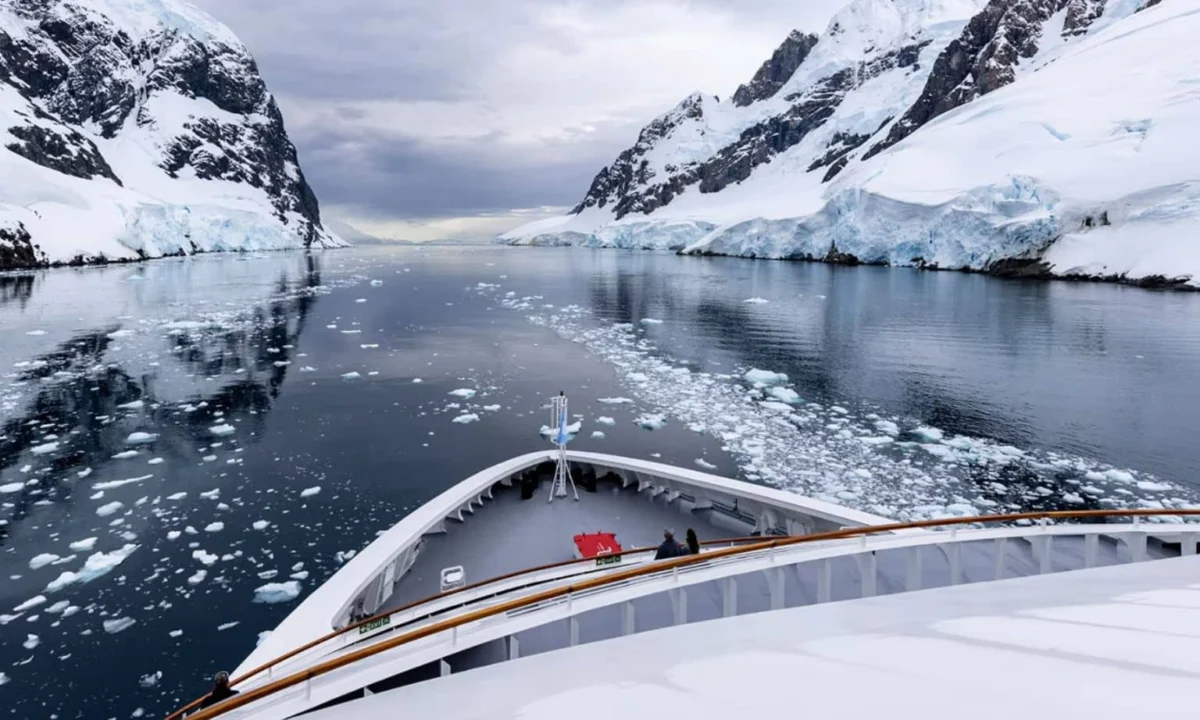
The APT Travel Group has officially announced a landmark strategic partnership that marks a significant evolution in the company’s operational portfolio, introducing a new, unnamed ocean-going vessel designed for dual-environment deployment. This innovative ship, which is currently in the final stages of conceptualization and development, will serve two distinct market segments by alternating its operational focus between the Mediterranean Sea and the Antarctic continent. Under this collaborative arrangement, the vessel will function as a Travelmarvel ship during the European sailing season, before transitioning to a polar-ready expedition vessel under the operational banner of Quark Expeditions during the austral summer.
A Strategic Pivot in Vessel Utilization
The decision to utilize a single asset across two vastly different maritime environments represents a sophisticated approach to fleet management and capital efficiency. Traditionally, expedition vessels are often underutilized during their respective off-seasons, leading to significant maintenance and logistical challenges. By pairing the Travelmarvel brand—known for its relaxed, premium European cruising—with the deep-rooted polar expertise of Quark Expeditions, the APT Travel Group aims to maximize the utilization rate of the vessel while providing a diverse range of travel products to their global clientele.
The vessel’s design philosophy centers on the “small ship” advantage. With a capacity limited to just 99 suites, the ship is engineered to navigate into the smaller, secondary ports of the Mediterranean that are inaccessible to the industry’s massive cruise liners. Conversely, in the southern hemisphere, this same intimacy is a functional requirement for Antarctic tourism, where strict environmental regulations limit the number of passengers permitted to land at any given site at one time.
Technical Specifications and Onboard Experience
While the full technical specifications remain under wraps, the industry anticipates a vessel that meets the stringent Polar Class requirements necessary for navigating the Southern Ocean. The ship is expected to be outfitted with advanced stabilization technology and ice-strengthened hulls, essential for the transit through the Drake Passage and the maneuvering required in ice-choked Antarctic waters.
The onboard experience will be bifurcated based on the geographical theater of operation. In the Mediterranean, guests can expect an emphasis on cultural immersion, regional gastronomy, and curated shore excursions that lean into Travelmarvel’s existing expertise in European river and coastal travel. The focus here is on "soft exploration," where the ship serves as a boutique floating hotel moving between historical coastal enclaves.
Transitioning to Antarctica, the ship will be transformed into a high-level scientific research and expedition platform. The vessel will carry a dedicated team of scientists, conservationists, and expedition guides. The onboard facilities are designed to facilitate this, with lecture theaters, mudrooms for expedition preparation, and specialized equipment storage for kayaking, zodiac operations, and cold-water diving. The philosophy is one of active engagement, moving away from passive sightseeing toward experiential education.
Historical Context and Industry Precedents
The partnership between APT Travel Group and Quark Expeditions brings together two entities with decades of collective experience. Quark Expeditions has long been considered a pioneer in the polar space, having been one of the first operators to offer commercial tourism in the high Arctic and Antarctica. Their operational history dates back to the early 1990s, and they have historically maintained a fleet of small-to-mid-sized ships capable of reaching the most remote corners of the globe.
APT Travel Group, on the other hand, has built its reputation on luxury river cruising and land-based tours. The introduction of an ocean-going vessel under the Travelmarvel brand is a natural, albeit bold, extension of their current business model. By leveraging Quark’s infrastructure, APT effectively skips the "learning curve" associated with the extreme operational hazards of polar exploration, opting instead for a symbiotic relationship that benefits both firms.
The Antarctic Regulatory Landscape
Operating in Antarctica requires adherence to the International Association of Antarctica Tour Operators (IAATO) guidelines. These guidelines are designed to protect the fragile Antarctic ecosystem through self-regulation, ensuring that tourism has a negligible impact on the environment. The choice of a 99-suite vessel is likely a calculated move to ensure compliance with these regulations. IAATO members are restricted by a "200-passenger rule," which prevents more than 200 people from being ashore at any single location simultaneously. By limiting the total passenger count to 99 suites (approximately 200 guests), the vessel ensures that the entire ship’s complement can engage in excursions without violating environmental protocols.
Official Statements and Executive Vision
The collaboration has received strong backing from the leadership teams of both organizations. David Cox, CEO of the APT Travel Group, highlighted the synergy of the deal, noting that the vessel represents a fusion of two distinct operational philosophies. "Partnering with Quark Expeditions allows us to maximize the potential of this incredible vessel year-round, pairing our strengths in relaxed, enriching ocean cruising with Quark’s unmatched expertise in polar expedition travel," Cox stated. He emphasized that the primary goal is to provide guests with two extraordinary, world-class experiences on a single platform.
Sam Seward, President of Quark Expeditions, emphasized the collaborative nature of the vessel’s design process. "This partnership brings together complementary expertise and a shared commitment to thoughtful small-ship exploration," Seward noted. He underscored that the ship’s architecture is being refined specifically to ensure that the transition between the Mediterranean and Antarctica is not merely cosmetic, but structural, allowing for the efficient deployment of landing craft and the rapid movement of guests into the field.
Implications for the Luxury Expedition Market
The entry of this new vessel into the market signals a broader trend in the cruise industry: the "expedition-ization" of luxury travel. As travelers increasingly seek out "bucket-list" experiences that go beyond standard Caribbean or Mediterranean loops, companies are finding that they must offer more active, science-led itineraries to maintain market share.
From a competitive standpoint, this vessel will likely challenge existing players in the small-ship luxury sector. By offering the reliability and brand recognition of APT alongside the specialized, niche reputation of Quark, the joint venture creates a compelling value proposition. It allows the customer to choose their level of "adventure" while remaining within a familiar service ecosystem.
Furthermore, the economic implications are significant. By utilizing one ship for two seasons, the partners can amortize the significant construction and operational costs over a longer period than a seasonal operator. This efficiency may allow for more competitive pricing or, conversely, higher margins that can be reinvested into environmental initiatives—a growing requirement for operating in protected regions like Antarctica.
Looking Ahead: The Roadmap to Launch
While the exact date of the maiden voyage has yet to be finalized, industry observers are looking toward the 2025-2026 sailing calendar. The APT Travel Group has promised that further details, including the ship’s name, specific itineraries for the Mediterranean debut, and the official opening of bookings, will be released in the coming months.
The vessel will likely follow a migratory pattern: departing the Mediterranean in the northern autumn to transit the Atlantic, arriving in the Southern Ocean for the austral summer (November through March), and then returning north as the polar winter sets in. This "seasonal pivot" is the gold standard for expedition vessels, ensuring the ship is always in the most favorable weather conditions, thereby enhancing both safety and guest satisfaction.
As the industry waits for further updates, the partnership serves as a case study in how established travel conglomerates are pivoting to meet the demands of a new generation of travelers—those who desire the comfort of a luxury suite but demand the intellectual and physical stimulation of an expeditionary journey. Whether this model of dual-purpose, multi-brand vessel utilization will become the new industry standard remains to be seen, but the collaboration between APT Travel Group and Quark Expeditions sets a high bar for operational integration.




 Anjar Salim
 Tatiana Tantri Indah Sari
 Budi Mulyono
 Lukman Taruna Persada Ramadan
