
 Chandra Hamzah
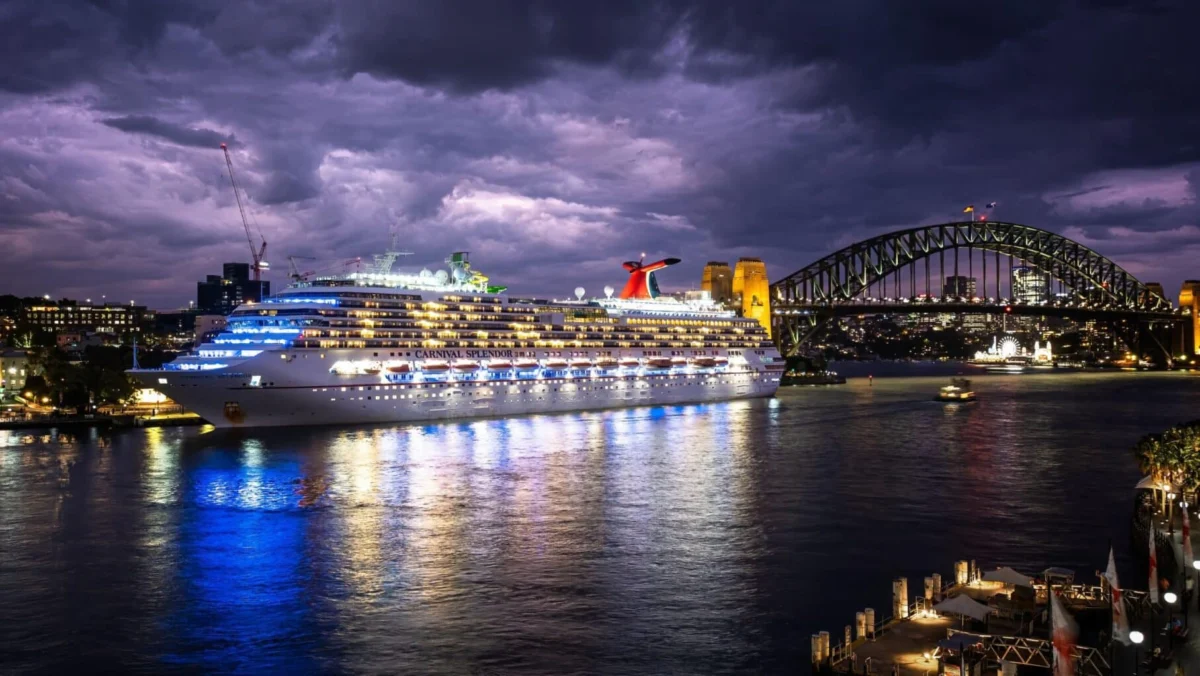
The Australian cruise industry has been granted a critical two-year extension to its existing coastal trading exemptions, providing a temporary shield against the restrictive regulatory landscape that operators have long argued threatens the nation’s appeal as a premier maritime destination. The Federal Government’s decision, which extends the current arrangements under the Coastal Trading (Revitalising Australian Shipping) Act 2012 until December 31, 2028, serves as a bridge toward broader legislative reforms. While this extension offers immediate relief, it is framed by the government as the final temporary measure before a new, permanent regulatory framework is introduced to balance economic growth with enhanced labor protections.
The Legislative Landscape and Regulatory History
The Coastal Trading Act has long been a focal point of tension between the government, maritime unions, and the international cruise sector. Designed to regulate the commercial carriage of passengers and cargo between Australian ports, the Act imposes a stringent licensing system that can be administratively burdensome for international vessels. Since 2012, successive governments have utilized temporary exemptions to allow international cruise operators to bypass the most restrictive elements of the Act, recognizing that the unique nature of the cruise industry—which operates on a model of circular, multi-port international voyages—differs significantly from traditional freight shipping.
The chronology of this regulatory cycle reveals a pattern of short-term fixes. In August 2024, the industry celebrated a previous extension, yet stakeholders repeatedly cautioned that the "two-year window" approach was inadequate for a sector that plans ship deployments, marketing campaigns, and passenger itineraries up to five years in advance. By providing certainty only until the end of 2028, the government has mitigated the risk of a sudden regulatory cliff, yet industry leaders maintain that long-term investment remains tethered to the eventual outcome of the ongoing independent review of the Act.
Economic Significance of the Cruise Sector
The cruise industry serves as a vital economic engine for Australia, contributing more than $7 billion annually to the national economy. This figure encompasses a broad ecosystem of beneficiaries, ranging from major metropolitan ports and tourism operators to regional suppliers, including farmers, retailers, and local hospitality providers. Recent data from the Cruise Lines International Association (CLIA) Australasia highlights that the sector supports over 22,000 Australian jobs, many of which are located in regional coastal hubs where cruise ship arrivals are the primary driver of tourism expenditure.
For many regional destinations, such as Eden in New South Wales or Burnie in Tasmania, the arrival of a single large vessel can equate to a significant spike in local revenue. However, industry analysts have noted a worrying trend: despite high passenger demand, the actual number of ships home-ported in Australia has faced pressure due to rising operating costs and regulatory complexity. The fear within the industry is that if Australia becomes too costly or administratively difficult compared to other global cruise hubs, major lines will redirect their tonnage to more favorable jurisdictions in Asia or the Mediterranean, leaving Australian ports underutilized.

Government Policy and Labor Protections
The announcement from the office of Minister for Infrastructure and Transport Catherine King carries a distinct dual narrative. While the extension is presented as a measure to protect economic growth, it is explicitly titled "Updated cruise exemption to strengthen seafarer protections." This reflects the government’s attempt to reconcile the demands of the tourism sector with the influence of the Maritime Union of Australia (MUA).
The government has mandated that, effective January 1, 2027, cruise operators must ensure that their corporate policies and individual seafarer work agreements do not impede the right of crew members to engage in collective bargaining. Furthermore, operators will be required to provide the Australian Maritime Safety Authority (AMSA) with detailed reporting on onboard complaints made under the Maritime Labour Convention (MLC). These requirements are aimed at addressing concerns regarding the treatment of international crew members, an issue that has frequently been raised by labor advocates.
Industry Reaction and the Union Dispute
The cruise industry has largely welcomed the extension as a necessary step for stability, yet it remains defensive regarding the narrative surrounding its labor practices. CLIA Australasia executive director Joel Katz has consistently emphasized that the industry already operates under a comprehensive framework of international oversight, including standards set by the International Labour Organisation and the International Maritime Organisation.
"By making the Maritime Labour Convention explicit within the exemption, the government is reinforcing obligations that cruise lines already meet," Katz stated. The industry asserts that it is fully compliant with all international legal obligations, a position supported by official findings. Following allegations lodged by the MUA against Carnival Cruise Line Australia earlier this year—specifically regarding pay and working conditions—AMSA conducted formal inspections of vessels, including the Carnival Encounter, Carnival Adventure, and Carnival Splendor. These inspections concluded that there were no breaches of international maritime agreements.
Despite these findings, the MUA continues its advocacy, pushing for collective agreements that provide for improved pay scales, consistent rest days, and formal union representation onboard. This ongoing friction is clearly reflected in the government’s new conditions for the exemption, which aim to provide a regulatory mechanism for these disputes to be mediated within the Australian legislative framework.
Strategic Implications for the Future
The decision to grant an extension until 2028 suggests that the government is adopting a "wait and see" approach while the final report from the independent review of the Coastal Trading Act is analyzed. The core challenge for policymakers will be to craft a permanent solution that satisfies three competing interests:

- The Cruise Industry: Requires predictable, stable, and cost-effective regulations to maintain its Australian fleet deployment.
- Labor Organizations: Demand the enforcement of Australian-style labor standards, including collective bargaining, to prevent the erosion of worker rights.
- Regional Australia: Relies on the consistent influx of international passengers to sustain local businesses.
For the average traveler, the current state of affairs remains a double-edged sword. While the extension prevents an immediate decline in the number of sailings, the shadow of future regulation may continue to influence how cruise lines price their Australian itineraries. If the replacement legislation—due to be unveiled before 2029—imposes significant new costs, those costs will inevitably be passed on to the consumer or result in a reduction of service frequency.
Analysis of the "Final" Exemption
The government’s characterization of this as the "final" exemption is a significant diplomatic and policy signal. It suggests that the period of uncertainty, characterized by stop-gap extensions, is drawing to a close. The industry is currently in a state of cautious optimism; the reprieve buys the time necessary to negotiate a permanent, sustainable framework. However, the requirement for greater transparency in crew complaint reporting marks a shift toward more interventionist maritime policy.
The global head of CLIA, Bud Darr, has been a vocal critic of what he describes as "regulatory creep," warning that individual nations attempting to unilaterally increase the operating costs of global shipping lines through localized labor mandates could inadvertently damage their own tourism competitiveness. The coming years will be a test of whether the Australian government can implement a framework that satisfies the MUA’s demand for labor protections while keeping the nation an attractive and viable destination for international cruise giants.
As the cruise season begins, the focus shifts from the courtroom and the halls of Parliament back to the docks. With 2028 now firmly marked on the calendar, the clock has started for both the government and the cruise industry to finalize a permanent settlement that ensures Australia remains a key player in the global maritime tourism market. Until then, the industry will operate under a temporary peace, characterized by the continued, though cautious, presence of international vessels in Australian waters.



 Diana Nuri Rohmawati

 Gabriela Annisa

 Lukman Taruna Persada Ramadan

 Tatiana Tantri Indah Sari

 Anjar Salim

