
 Anjar Salim
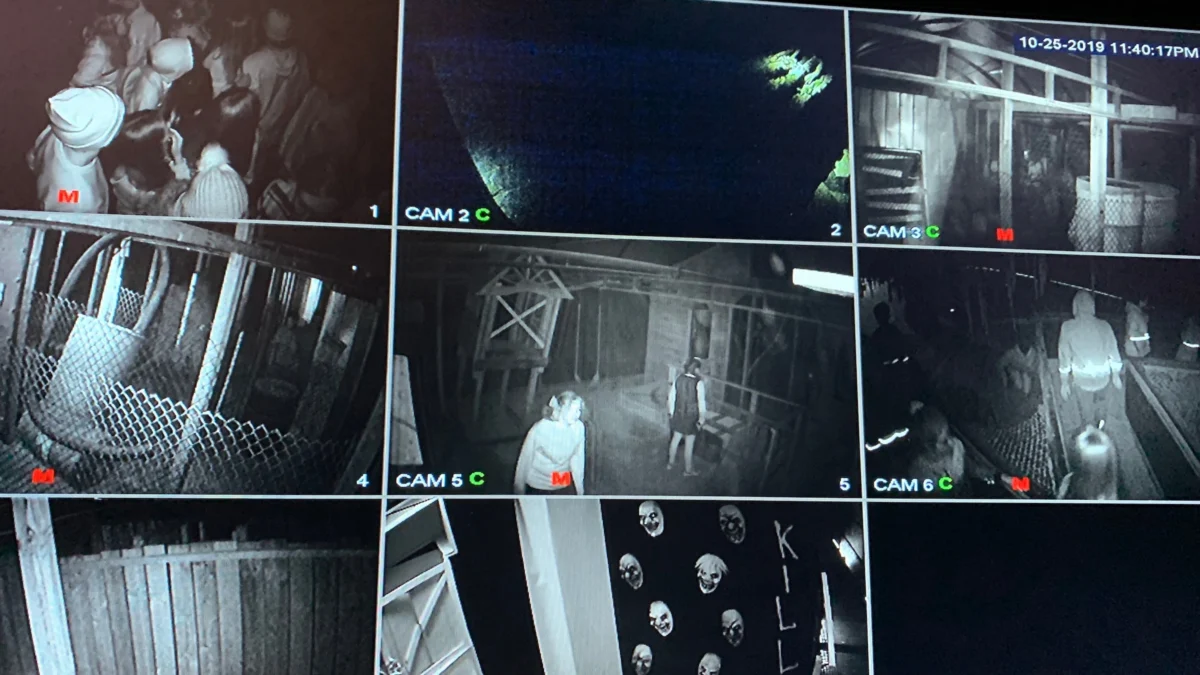
The billion-dollar Halloween attraction industry operates on a paradox: the people engineering the terror are often the ones most terrified by it. For over a decade, professional haunt managers have constructed elaborate outdoor and indoor sensory experiences across North America, coordinating hundreds of staff members and terrifying thousands of guests annually. Despite this professional immersion in the macabre, many industry veterans share a personal aversion to jump scares, preferring the operational control of the control room to the vulnerability of the visitor path. This dichotomy highlights a sophisticated, highly regulated entertainment sector that blends theatrical arts, psychological engineering, and rigorous public safety protocols.
Industry Growth and Evolution
The commercial haunted house industry has evolved significantly over the past thirty years, transitioning from amateur church basements and garage setups into a polished, multimillion-dollar segment of the seasonal entertainment economy. According to industry trade groups such as America Haunts, the United States features thousands of professional haunted attractions, generating hundreds of millions of dollars in annual revenue during the autumn operating window.
This growth has forced operators to professionalize every aspect of production, moving away from haphazard set design toward cohesive narrative structures, industrial-grade special effects, and strict safety compliance. Modern haunts frequently occupy expansive footprints—ranging from converted agricultural fields and greenhouses to permanent amusement park installations—requiring specialized logistics, temporary infrastructure, and sophisticated crowd-management strategies.
Operational Logistics of Outdoor Haunts
Operating an outdoor haunted attraction introduces distinct operational challenges that indoor facilities rarely encounter. Weather variability requires continuous contingency planning, as attractions must maintain operations through rain, wind, and early-season snowfall. Consequently, production teams must deploy ruggedized infrastructure, utilizing car batteries and banked solar power arrays to energize lighting grids, audio systems, and automated animatronics in remote fields and forests.
Environmental integration presents both an asset and a logistical hurdle. Real terrain—such as dense tree lines, uneven dirt paths, and agricultural maize—enhances psychological immersion by leveraging natural ambiguity. Guests often struggle to distinguish between ambient environmental sounds and staged theatrical cues, heightening the baseline sense of vulnerability. However, this environment demands rigorous maintenance to ensure patron safety, necessitating constant pathway clearing, durable footwear requirements for staff, and multi-layered costuming to protect performers from hypothermia during damp October nights.
Performance Protocols and Safety Standards
Contrary to public perception, the execution of scare acting relies less on elaborate prosthetic makeup and more on theatrical timing and environmental presence. Because most attractions operate in near-darkness to preserve shadow play and concealment, fine visual details are largely imperceptible. Makeup application typically averages fifteen minutes per performer, emphasizing high-contrast elements such as dirt smudges and highlighted fake blood to accentuate basic facial expressions.
Scripting within haunts utilizes a suggestive rather than prescriptive framework. Performers operate in high-turnover cycles, interacting with fresh groups of patrons every few minutes. Because audiences vary wildly in demeanor—exhibiting traits from intoxicated bravado to acute panic—actors are trained to use modular verbal cues and directional framing rather than rigid dialogue.
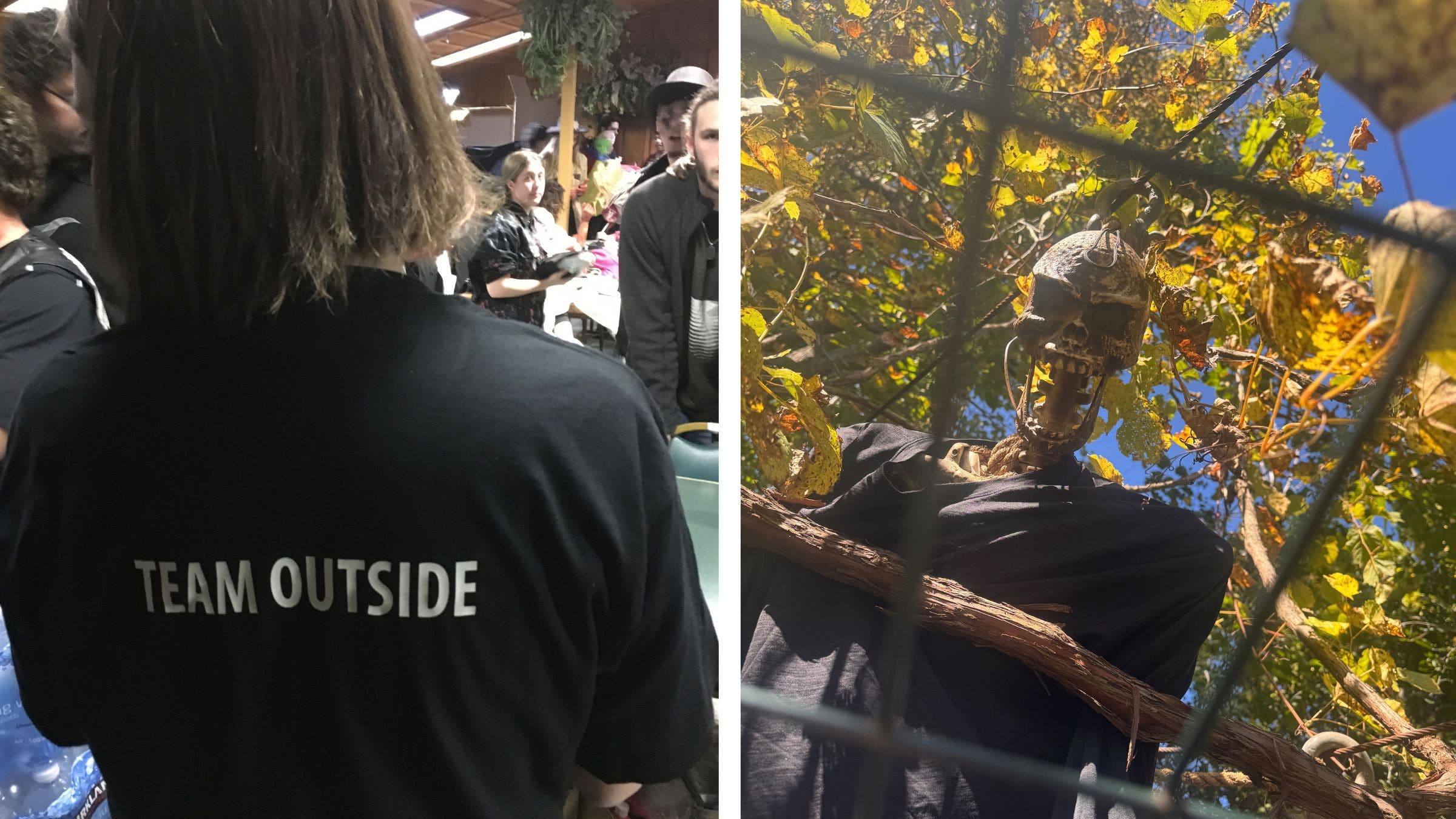
Safety regulations dictate strict boundaries between performers and visitors. In jurisdictions such as Ontario, Canada, legal and operational guidelines prohibit physical contact between scare actors and patrons. Standard operating procedure requires performers to maintain a minimum safety buffer—colloquially described as "punching distance"—to mitigate the risk of violent reflexive reactions from startled guests. Similarly, potentially dangerous props, such as chainsaws, are strictly modified with removed chains, relying entirely on auditory intimidation and skilled spatial handling by the performer to ensure absolute safety.
Crisis Management and Patron Welfare
Managing psychological distress among visitors is a core competency for haunt management teams. Professional attractions implement tiered protocols for handling guests who experience acute panic attacks or extreme disorientation. Frontline performers are trained to drop their character persona instantly upon recognizing signs of severe trauma, transitioning into supportive, reassuring figures to de-escalate the situation.
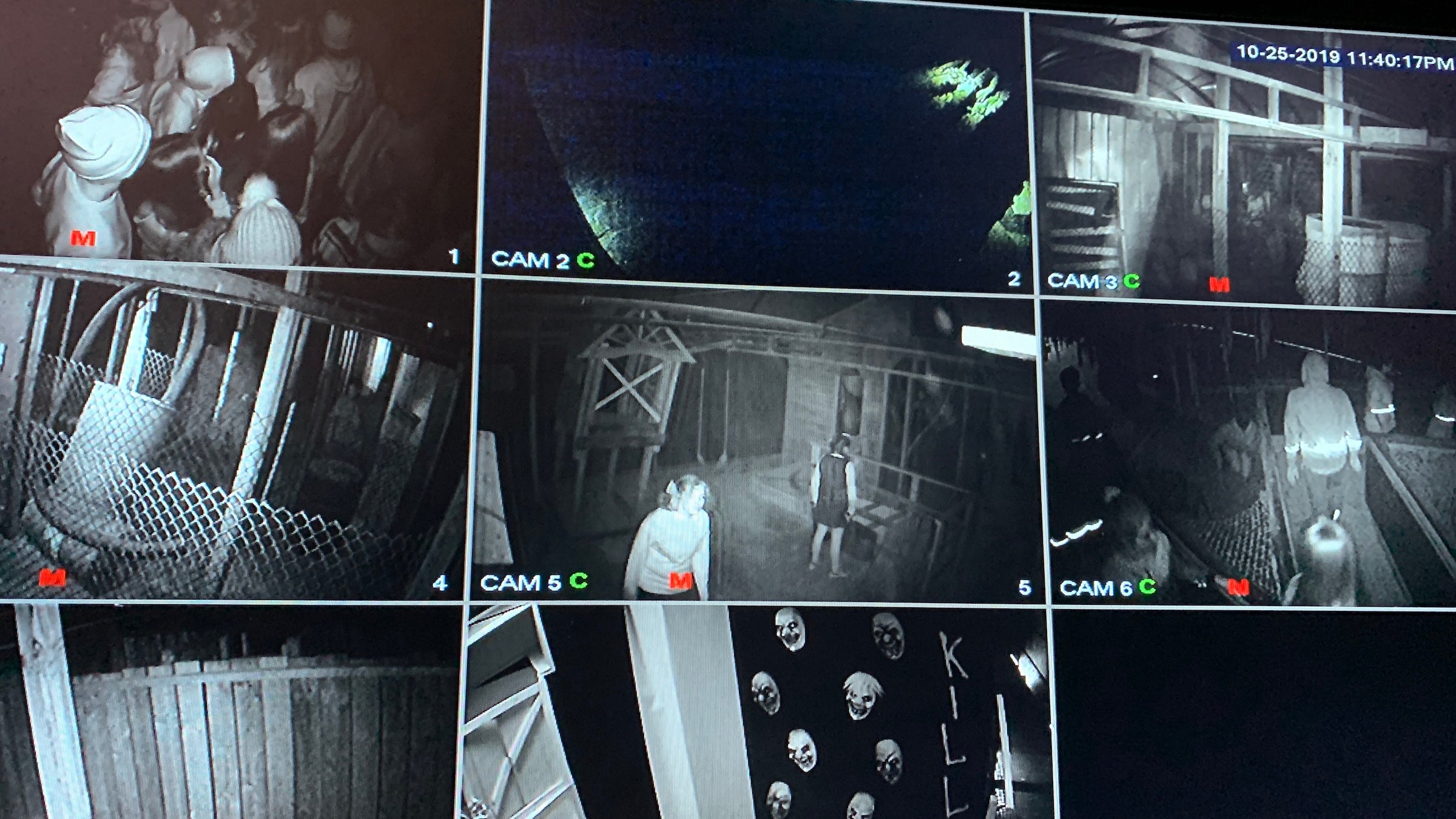
Control room operations serve as the central nervous system of modern haunts. Utilizing closed-circuit night-vision cameras and master lighting override systems, managers monitor crowd flow and behavioral anomalies in real-time. When a patron becomes incapacitated by fear or disruptive behavior, embedded support staff intervene, escorting the individual through secure service pathways back to the public zones. This systematic approach ensures that theatrical thrills do not compromise public safety or patron well-being.



 Gabriela Annisa

 Lukman Taruna Persada Ramadan

 Tatiana Tantri Indah Sari


 Dwi Wanna
