
 Anjar Salim
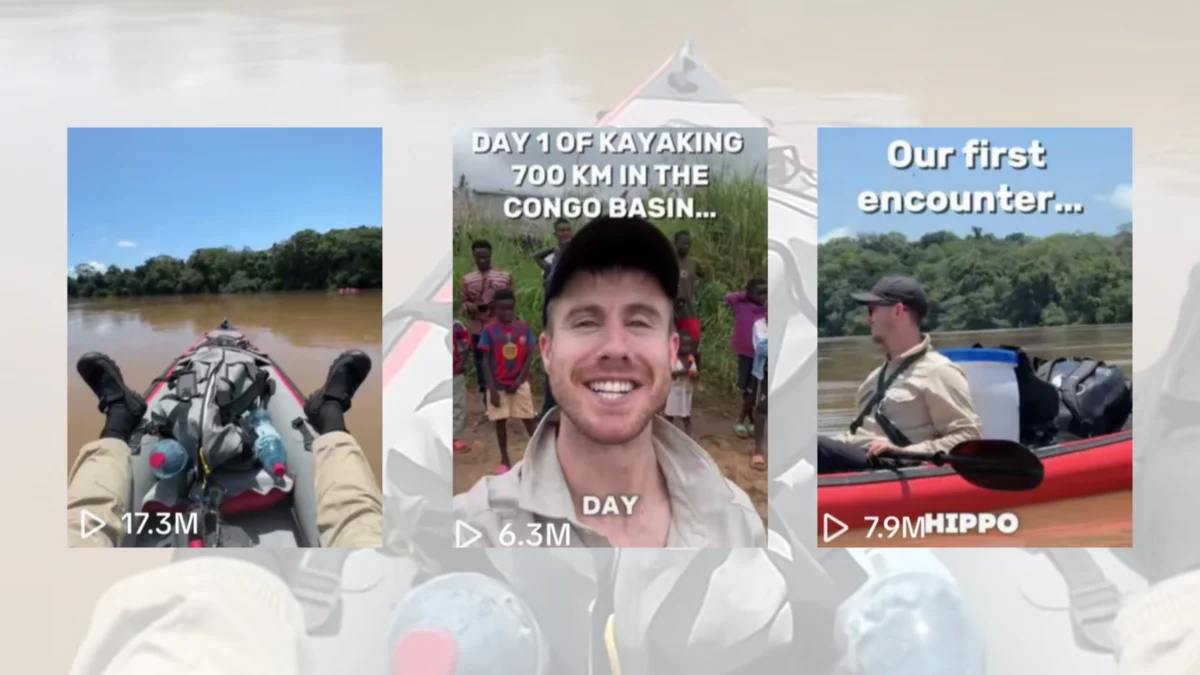
The global exploration community has turned its attention to Central Africa, where extreme athlete and five-time world record holder Ash Dykes has embarked on a treacherous 434-mile (700-kilometer) journey along the Sangha River. Commencing on October 8, 2026, the expedition cuts through one of the most remote and challenging river basins on the African continent. Documented extensively across digital platforms, the undertaking has generated widespread public interest and professional debate, primarily due to Dykes’s unconventional choice of watercraft: a standard inflatable kayak typically reserved for recreational lake use.
The voyage represents the inaugural chapter of Dykes’s ambitious "Project 6" film series, which comprises six distinct global expeditions. While Dykes is no stranger to monumental geographic feats—having previously crossed Mongolia on foot, traversed the entirety of China’s Yangtze River, and bicycled across Great Britain—his latest endeavor introduces a complex matrix of environmental, biological, and logistical hazards. Navigating the Sangha River corridor from Nola in the Central African Republic to Mossaka in the Republic of the Congo requires a delicate balance of physical endurance, meticulous planning, and crisis management, forcing survival experts to evaluate the true viability of inflatable watercraft in extreme wilderness environments.
Chronology and Expedition Parameters
Planning for the Sangha River expedition required months of precursor logistics, including securing specialized permits, coordinating vaccinations, securing comprehensive medical evacuation insurance, and assembling robust satellite communication arrays. Dykes officially launched his expedition on October 8, 2026, accompanied by a small, highly specialized support team consisting of a local guide and a professional videographer.
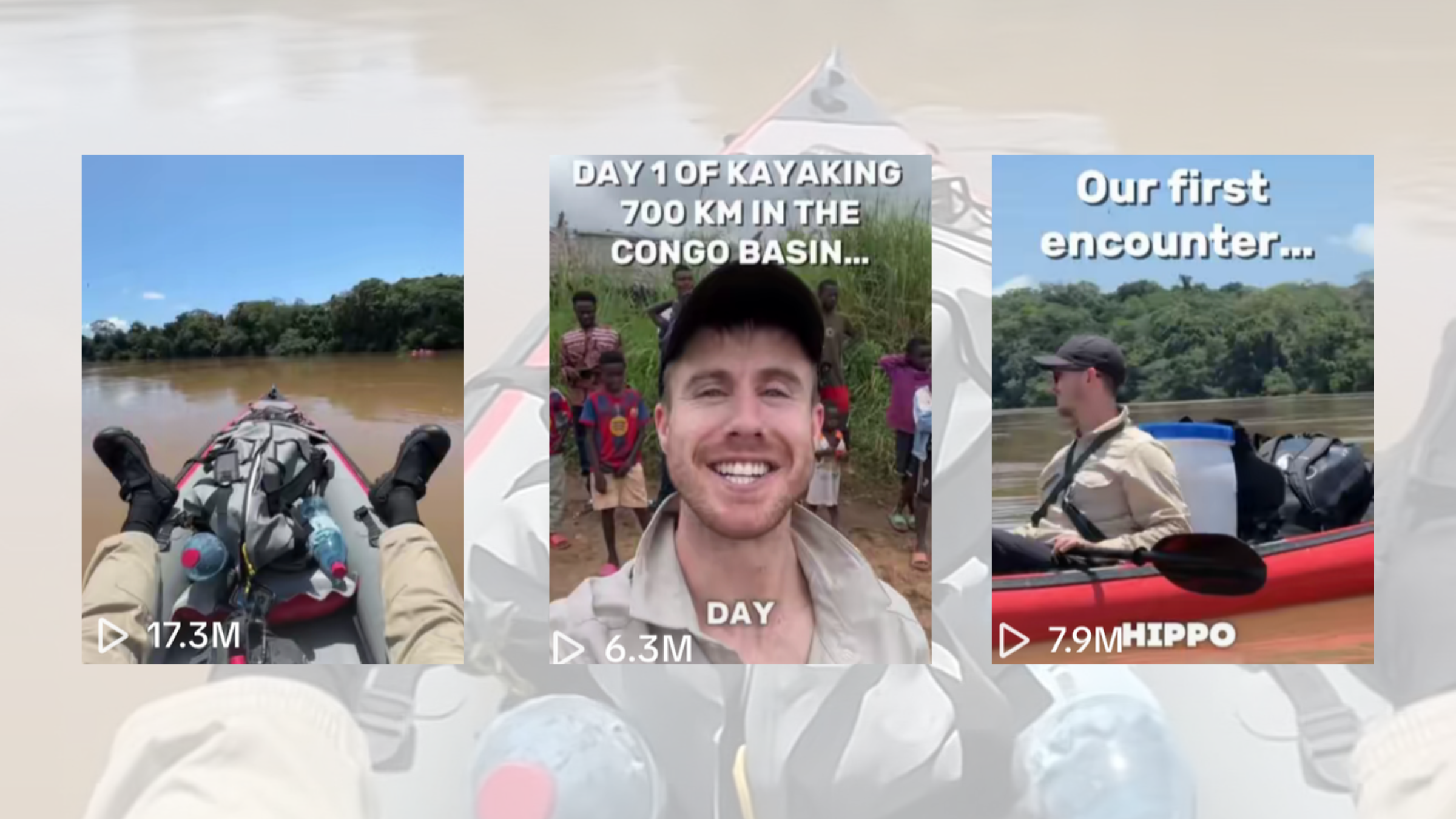
The chosen route spans approximately 434 miles of predominantly wide, flat-water currents interspersed with hidden obstacles, dense vegetation, and dynamic weather patterns. Unlike technical whitewater expeditions that demand high-speed maneuvering through narrow rapids, the Sangha River presents a test of sustained physical endurance. Paddling hundreds of miles in a slow-moving current imposes severe repetitive-use physical strain on the body, compounding the mental fatigue associated with prolonged isolation and constant environmental vigilance. The expedition schedule mandates daily river travel followed by primitive riverside camping, requiring the team to repeatedly deploy, pack, and transport all survival gear, provisions, and camera equipment without the aid of established infrastructure or motorized vehicle support.
Evaluating the Gear: The Role of Inflatable Watercraft in Remote Expeditions
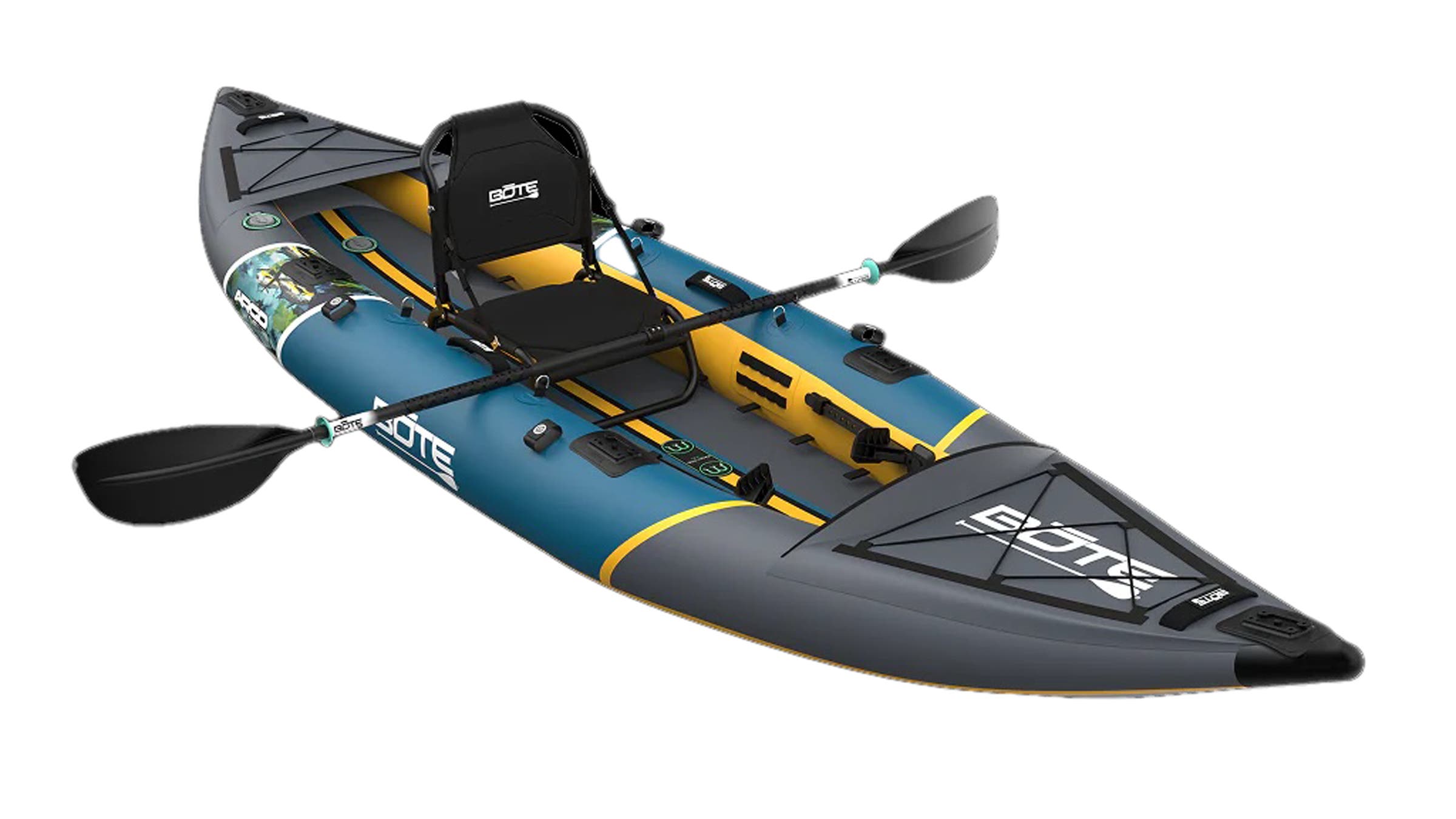
The selection of an inflatable kayak for a month-long African river expedition has drawn scrutiny from maritime and outdoor gear specialists. Traditionally, expeditions of this magnitude utilize rigid, high-density polyethylene or composite hardshell kayaks designed for maximum tracking efficiency and impact resistance against submerged rocks and snags. However, industry experts emphasize that portability often supersedes traditional hull rigidity in remote overland-river hybrid routes.
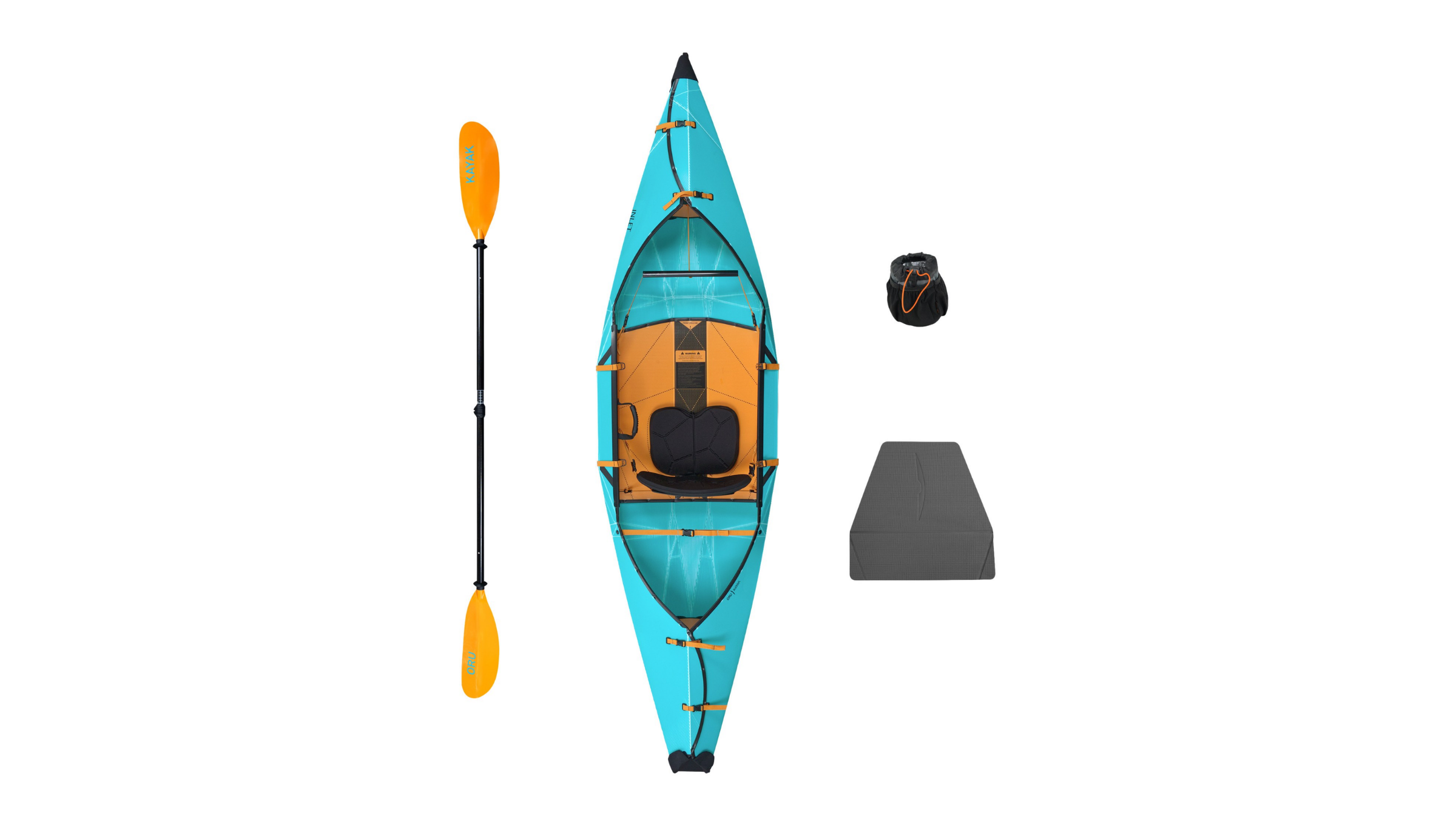
Evan Stafford, communications director at the conservation and whitewater advocacy organization American Whitewater, notes that inflatable watercraft offer distinct advantages when traversing dynamic or obstructed river systems. In regions characterized by unpredictable obstacles such as massive logjams, seasonal waterfalls, or aggressive territorial wildlife, the ability to rapidly deflate, portage, and repack a watercraft is vital. According to Stafford, an inflatable vessel allows explorers to easily bypass impassable hazards by foot, carrying the packed boat within a standard backpack when river conditions deteriorate or safe navigation becomes impossible.
Furthermore, the logistical footprint of supporting a remote river camp heavily favors modular inflatable designs. Because Dykes and his crew must establish nightly riverbank bivouacs, unloading and hauling a lightweight inflatable vessel away from fluctuating waterlines significantly reduces physical strain compared to managing heavy, rigid hardshell alternatives. This logistical flexibility is crucial in remote territories lacking established launch ramps, roads, or vehicular access points.
Environmental Hazards: Wildlife and Tropical Disease Pressures
Beyond the mechanical considerations of the watercraft, the Sangha River ecosystem introduces profound biological and zoological threats capable of compromising an expedition within hours. The river basin serves as natural habitat for dense populations of Nile crocodiles and hippopotamuses—widely recognized as among the most aggressive and dangerous aquatic animals on the African continent. Encounters with territorial hippos pose a catastrophic risk to small, low-profile watercraft like inflatable kayaks, which lack the structural mass to withstand a direct charge or territorial defense display.
The surrounding tropical forest further compounds these dangers, harboring large mammals such as forest elephants and western lowland gorillas, alongside venomous snakes and predatory carnivores. However, outdoor professionals emphasize that macroscopic wildlife represents only a fraction of the total risk profile.
Sarah Kilbourne, a seasoned swiftwater and packrafting instructor and former executive director of the American Packrafting Association, highlights the pervasive threat of tropical illnesses and waterborne pathogens. Navigating remote river systems exposes travelers to malaria, dengue fever, severe insect-borne afflictions, and microscopic parasites capable of inducing rapid dehydration and systemic debilitation. Kilbourne, who contracted a severe case of E. coli during an eight-day packrafting expedition in Mexico, underscores the mental and physical toll of medical emergencies in environments lacking immediate rescue infrastructure.
"When you are multiple days away from an evacuation, you really have to be on top of your game," Kilbourne explains. "The physical exertion required for hundreds of miles of flat water takes a massive toll, and the margin for error vanishes the moment illness or injury sets in."
Professional Assessment and Industry Implications
The convergence of viral media coverage and high-risk exploration has sparked broader discussions within the outdoor industry regarding self-sufficiency and the glamorization of extreme sports. While seasoned professionals like Dykes possess the psychological fortitude, physical conditioning, and extensive institutional backing required to mitigate high-level risks, experts strongly caution amateur paddlers against attempting comparable feats without commensurate preparation.
Data compiled from prior remote expeditions indicates that successful outcomes rely less on the brand or style of watercraft used and more on comprehensive emergency preparedness. Experts agree that while inflatable kayaks are entirely capable of handling extreme wilderness environments, the vessel itself constitutes only a minor fraction of the operational equation. Comprehensive safety protocols—including redundant satellite communication networks, advanced trauma kits, prophylactic pharmaceutical regimens, and pre-established evacuation contracts with regional air-ambulance providers—are absolute prerequisites for survival.
Ultimately, the expedition serves as a high-profile case study in modern adventure logistics. As Dykes continues his progression down the Sangha River, the international outdoor community continues to monitor the delicate intersection of digital media documentation and raw wilderness survival. The overarching consensus among industry leaders remains clear: while lightweight inflatable technology has democratized access to remote waterways, the fundamental laws of wilderness isolation, tropical disease management, and wildlife coexistence remain unforgiving to the unprepared.



 Gabriela Annisa

 Lukman Taruna Persada Ramadan

 Tatiana Tantri Indah Sari


 Dwi Wanna
