
 Anjar Salim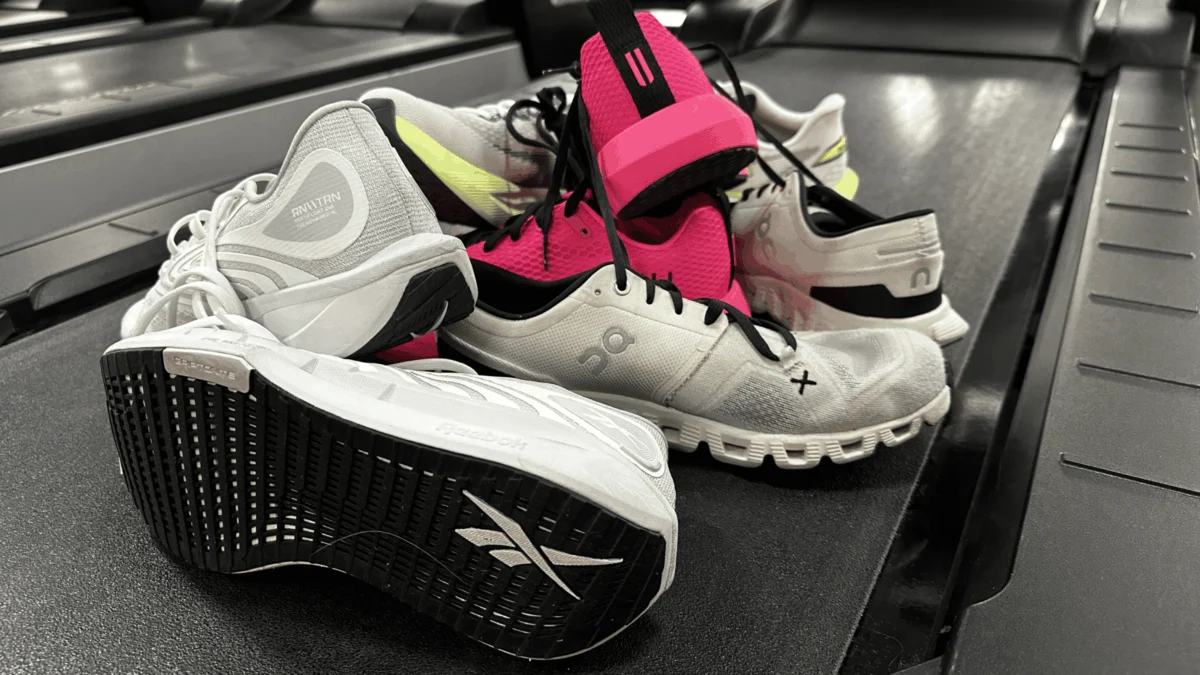
The landscape of the athletic footwear industry has undergone a radical transformation over the last decade, transitioning from a binary choice between road and trail models to a hyper-segmented market catering to specific terrains and training modalities. In April 2026, this specialization reached a new milestone with the release of the Reebok FloatZig Tread, the first major footwear entry designed exclusively for the mechanics of treadmill running. As indoor training becomes a year-round staple for competitive and recreational runners alike, the industry is now forced to address a fundamental question: does a moving platform require a different engineering philosophy than static pavement?
The Rise of Hyper-Specialized Running Footwear
For decades, the running shoe market remained relatively stable, categorized primarily by gait (neutral versus stability) and terrain. However, the post-2020 era saw a surge in "super shoes" featuring carbon plates and ultra-high stack heights designed for road racing. While these innovations improved efficiency on flat, static surfaces, they often introduced stability challenges when translated to the gym environment.
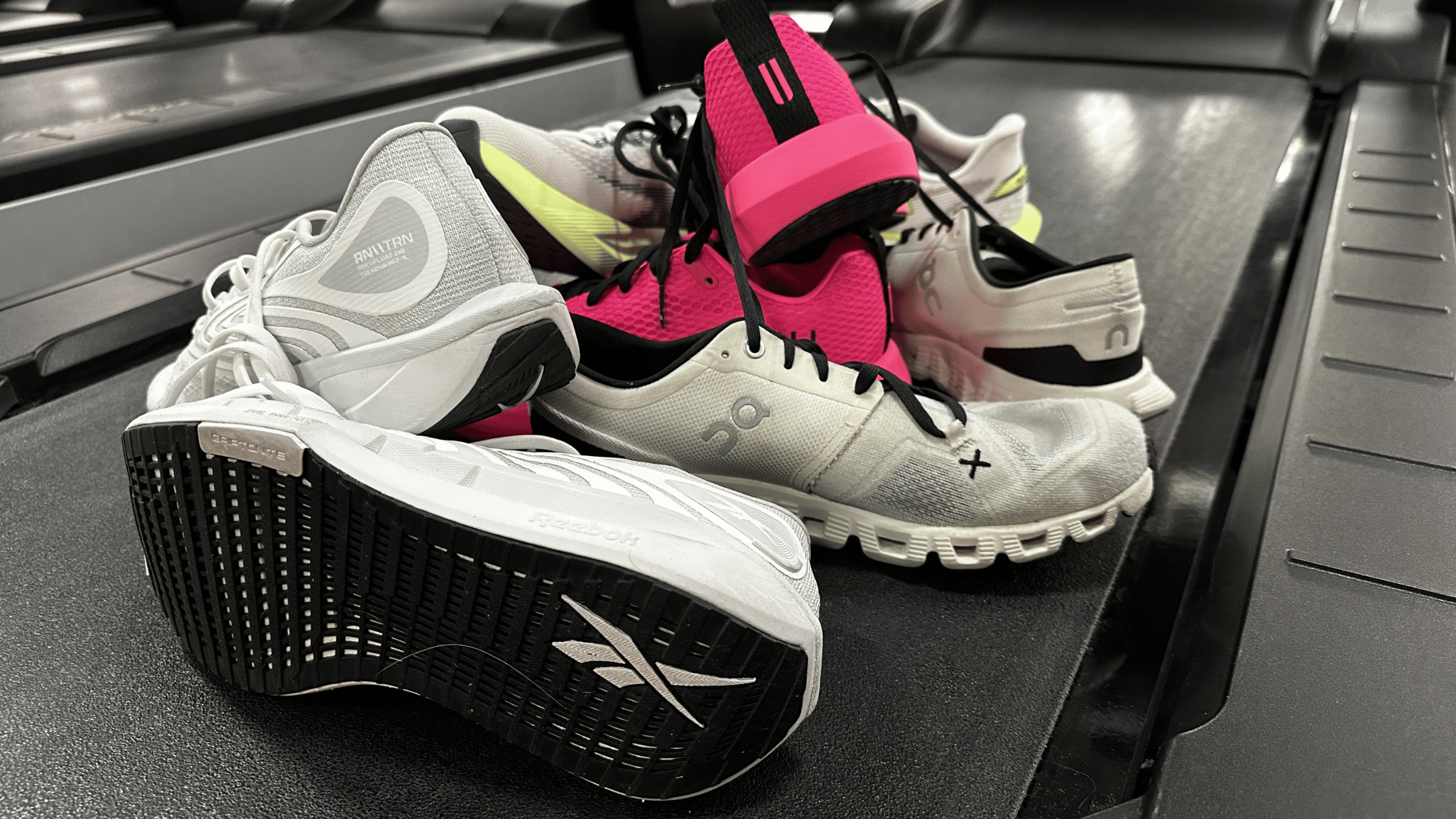
The introduction of treadmill-specific shoes represents the latest stage in a chronology of specialization. Following the 2017 launch of carbon-plated marathon shoes and the 2023 rise of "gravel" running shoes, the industry is now targeting the indoor athlete. Market data from 2025 indicates that nearly 45% of active runners utilize treadmills for at least two workouts per week during winter months, creating a significant demographic for brands like Reebok, Adidas, and Altra to target with indoor-optimized gear.
Biomechanical Considerations of the Treadmill Environment
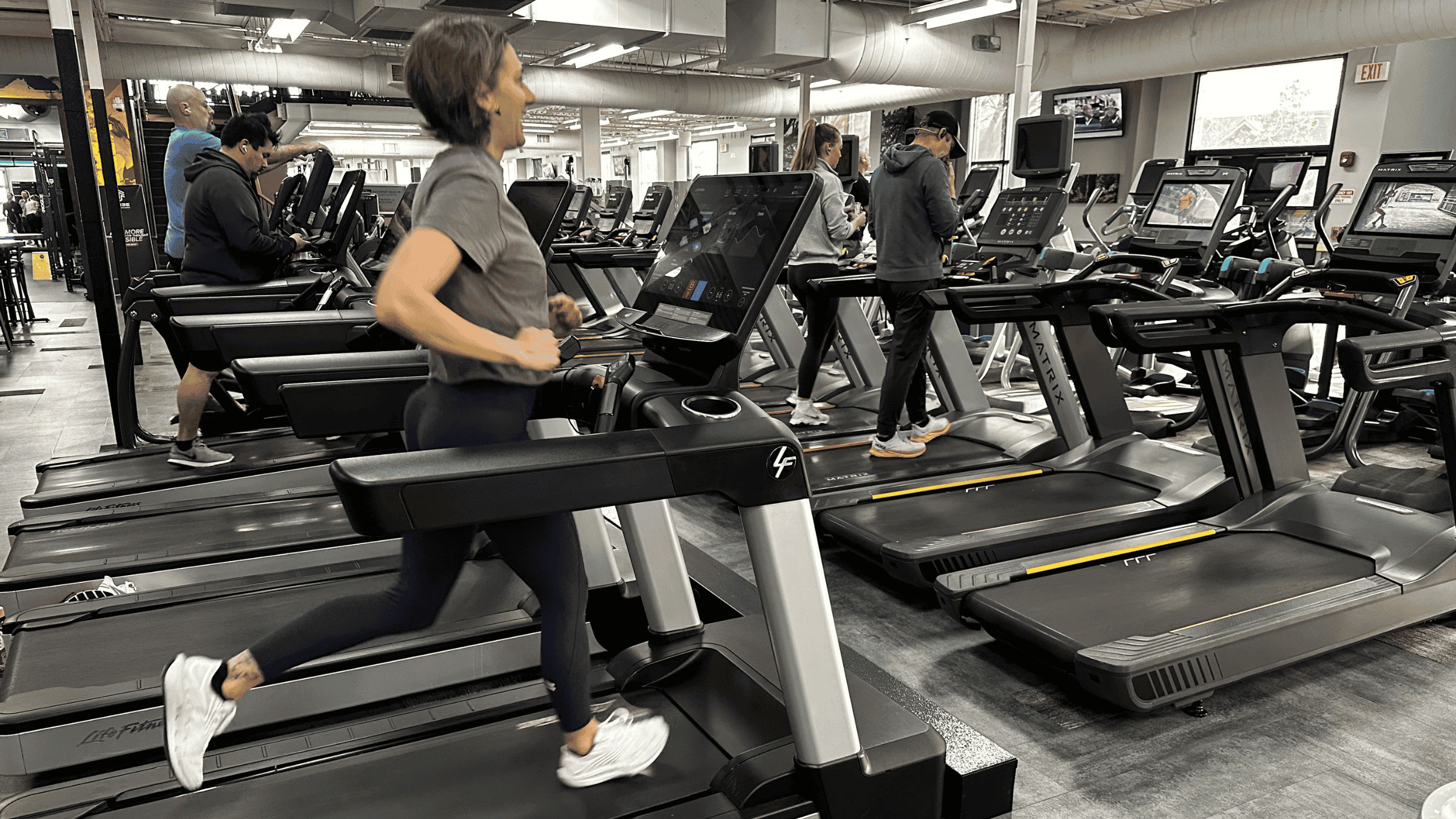
Running on a treadmill is not a direct carbon copy of running on the road. Research from Oregon State University’s physical therapy program suggests that the moving belt alters a runner’s gait in subtle but impactful ways. Jay Dicharry, author of "Running Rewired" and a leading researcher in the field, notes that treadmills tend to increase the load on the ankle and lower leg.
Because the belt moves beneath the runner, there is a psychological and physical tendency to shorten the stride. This "perceived lack of space" leads to a higher cadence but often a different footstrike pattern than what is observed outdoors. Furthermore, treadmill decks are engineered with built-in suspension and cushioning. When a runner pairs a max-cushioned "super shoe" with a high-rebound treadmill belt, the result can be an unstable, "mushy" platform that increases the risk of lateral ankle strain.
Essential Features of an Indoor Performance Shoe
To address these environmental variables, footwear experts have identified five critical pillars for treadmill shoe design:
- Moderate Heel-to-Toe Drop: Because treadmills increase ankle load, shoes with a zero-drop or very low-drop profile (0–4mm) can place excessive strain on the Achilles tendon and calf muscles. Experts generally recommend a drop in the 4–8mm range to mitigate this increased load.
- Firm Midsole Foam: Unlike road running, where the shoe provides the primary shock absorption, the treadmill deck provides significant rebound. A firmer, denser foam—such as Reebok’s SuperFloat or Altra’s EGO P35—provides a more stable landing platform that counteracts the belt’s softness.
- High-Performance Breathability: Indoor environments lack natural wind resistance and airflow, leading to rapid heat and moisture buildup. An ideal indoor shoe utilizes lightweight mesh uppers to prevent "hot spots" and moisture-related blistering.
- Outsole Durability: The abrasive nature of carbon-rubber treadmill belts can strip the tread from standard road shoes faster than pavement. Reinforced rubber in high-impact zones is necessary for longevity.
- Stability and Ground Contact: High-stack shoes (above 35mm) can feel "tippy" on a moving belt. Shoes with a wider base flare and more ground contact provide the lateral stability required for high-speed intervals or HIIT-style workouts.
Professional Industry Reactions
The shift toward treadmill-specific shoes has met with both curiosity and caution from industry veterans. Chris Stone, Reebok’s running product director, argues that the evolution of road shoes has actually made them less suitable for the gym. "Road shoes have become more rockered and higher in stack, which relies on a neutral forefoot strike," Stone explained during the FloatZig Tread launch. "On a moving platform, you need stability and ground contact, which many modern road shoes have sacrificed."
Conversely, some experts maintain that while specialized shoes offer benefits, they are not a strictly mandatory purchase for every runner. Caroline Bermel, a manager at Fleet Feet, suggests that runners should prioritize how a shoe complements their adjusted indoor stride rather than simply buying into a new category. The consensus among specialty run retailers is that the "best" shoe remains a personal choice, though the technical requirements of the treadmill are undeniable.
Evaluation of Top-Performing Indoor Models for 2026
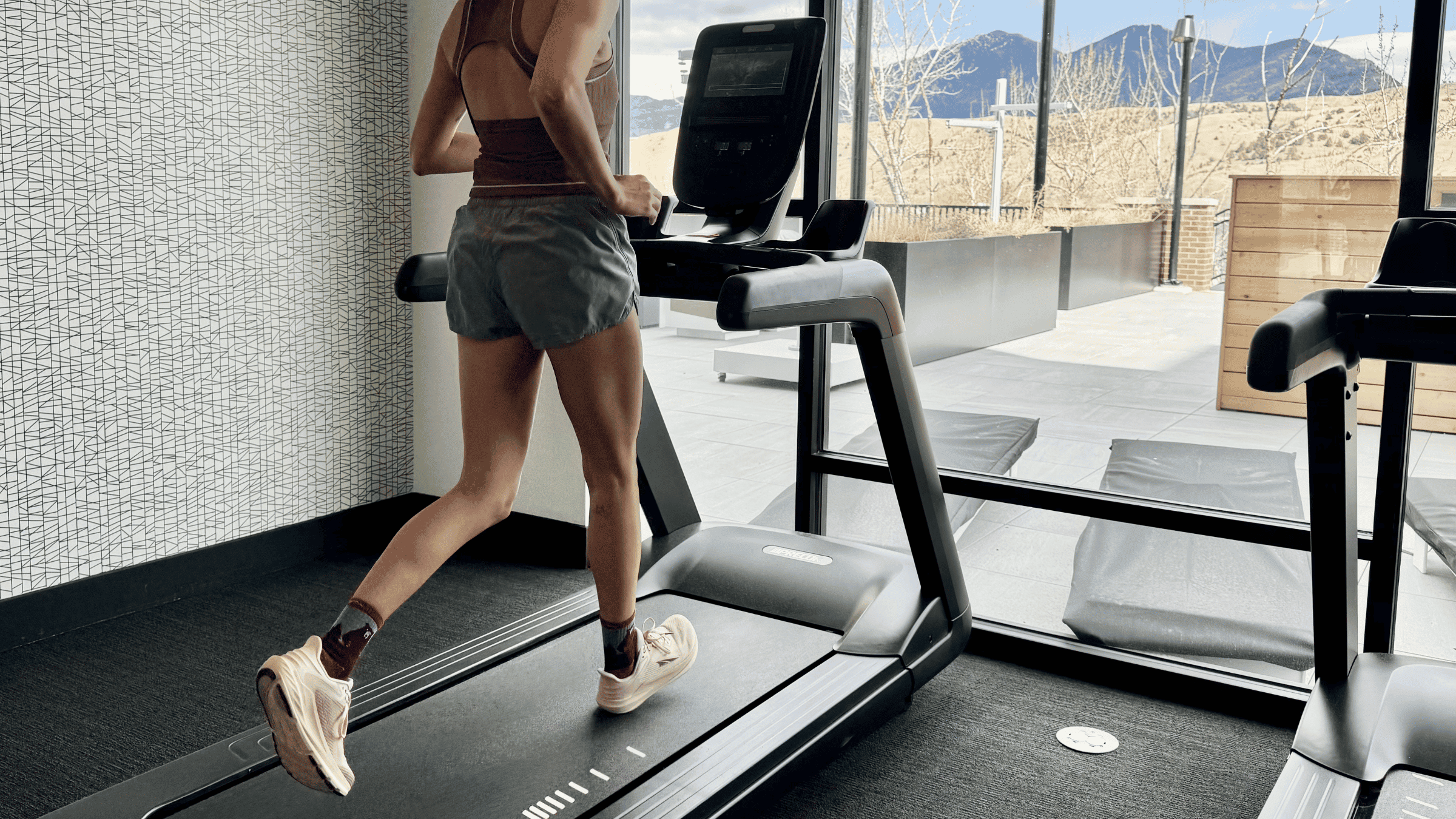
Following extensive testing in controlled gym environments, five models have emerged as the leaders in the 2026 indoor running category.
1. Reebok FloatZig Tread
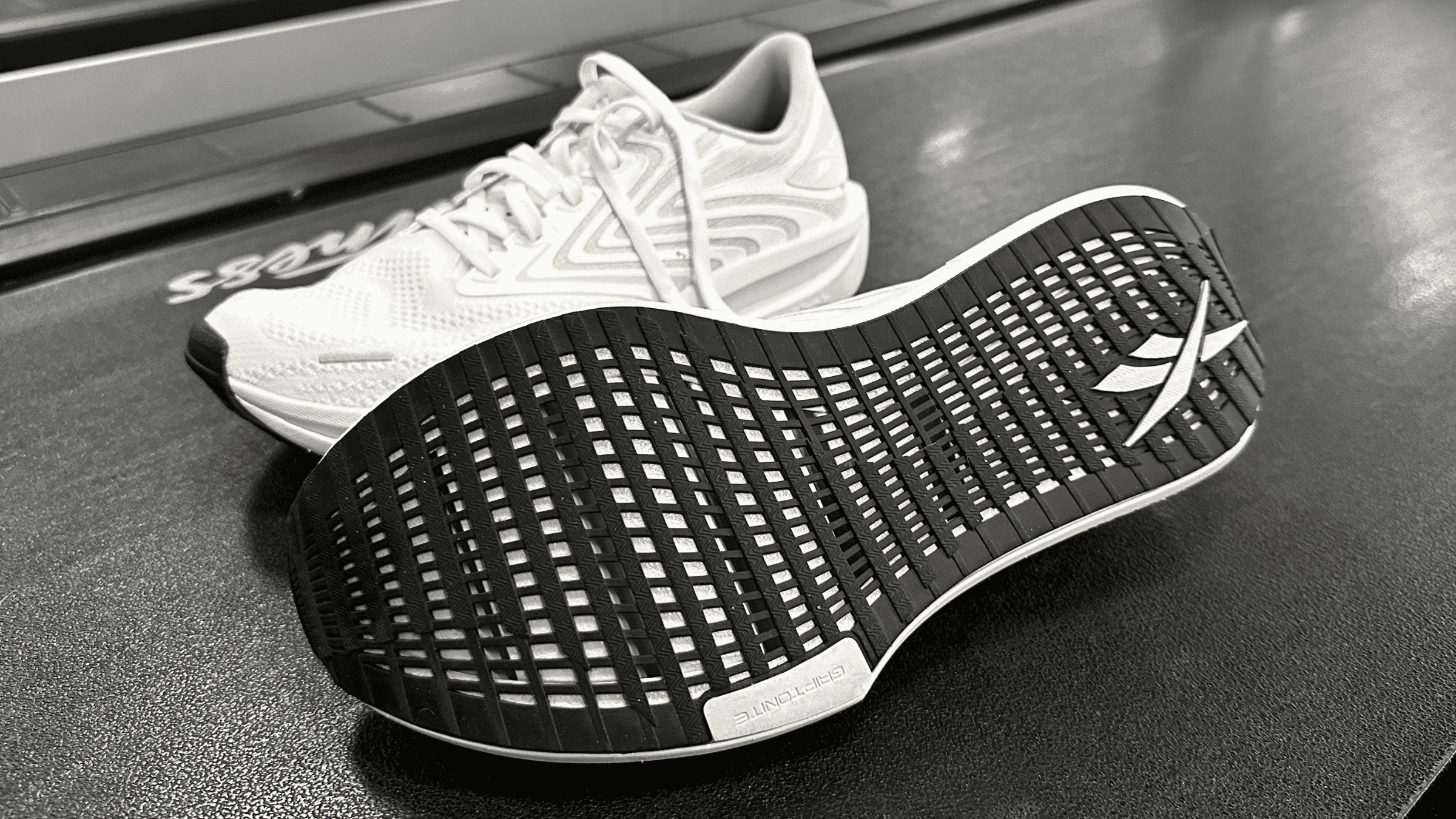
Marketed as the first true treadmill-specific shoe in the U.S. market, the FloatZig Tread features a 28-20mm stack height and an 8mm drop. Its defining feature is a "stabilizer ring" of springy EVA foam designed to keep the foot centered on the moving belt. The "Griptonite" outsole is specifically formulated to resist the heat and abrasion generated by motorized belts. It is currently the most versatile option for athletes who transition between the treadmill and the weight room.
2. Altra Torin 8
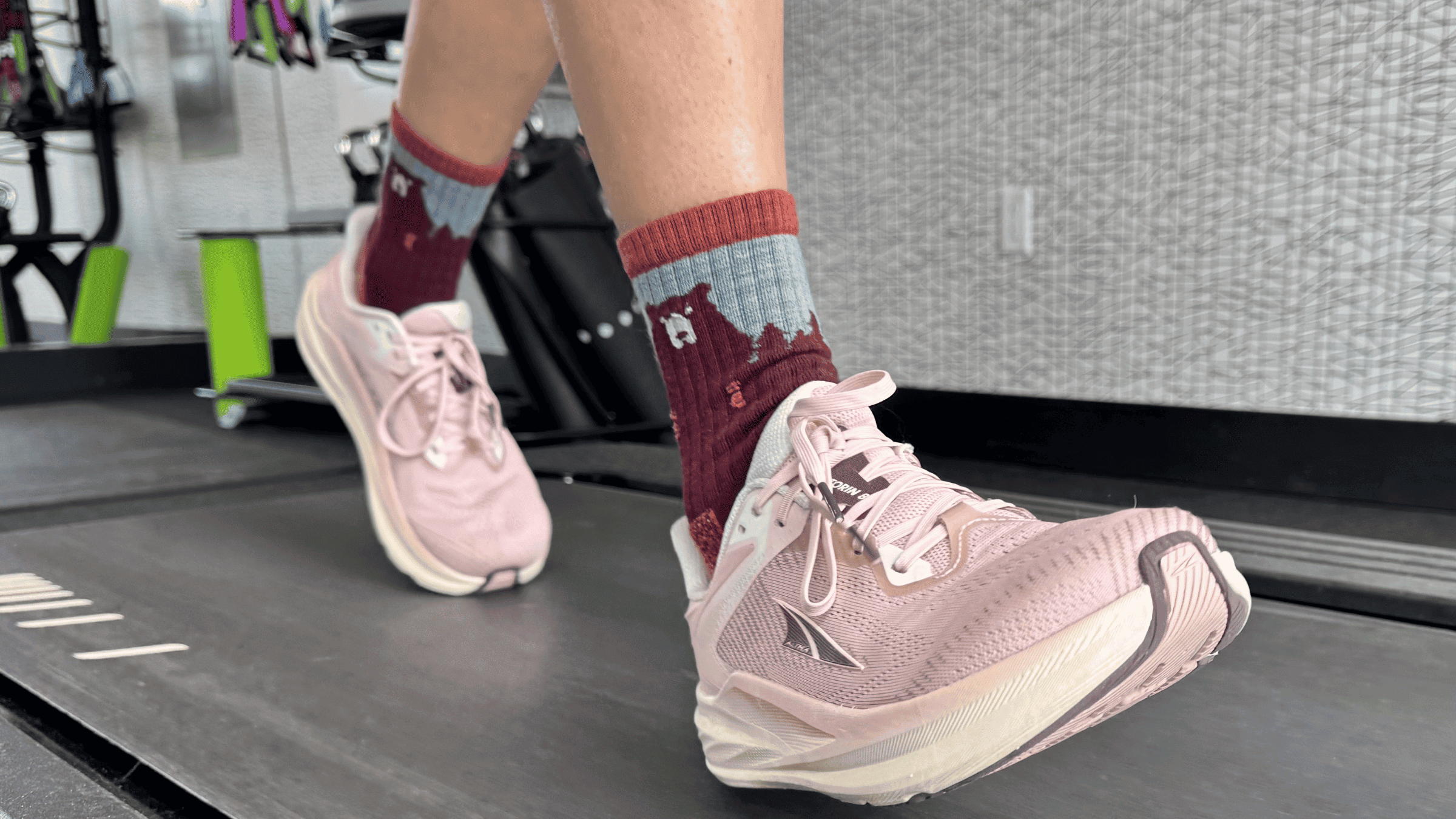
While its zero-drop design requires an adaptation period for those used to traditional shoes, the Torin 8 remains a favorite for indoor runners seeking a natural foot shape. Its 30mm stack is balanced by a wide, stable base that prevents lateral rolling. The firmer midsole foam is particularly effective at counteracting the "bounce" of high-end commercial treadmills, providing a more predictable underfoot feel.
3. On Cloudrunner 3
On’s CloudTec system has been updated for 2026 to offer more propulsion with less vertical oscillation. With an 11-ounce weight and an 8mm drop, the Cloudrunner 3 provides a middle ground for runners who want comfort without the instability of a max-cushion shoe. Its high-ventilation upper is specifically cited by testers as one of the best for high-temperature gym environments.
4. NoBull Drive 2
The NoBull Drive 2 is engineered for the "hybrid" athlete. With a low 4mm drop and a stack height of 22-18mm, it offers the most ground feel of the group. While it lacks the long-distance cushioning of a dedicated road shoe, its indoor-optimized rubber outsole provides superior grip during high-speed treadmill sprints and lateral gym movements.
5. Hoka Mach 7
For runners who refuse to sacrifice the "plush" feel associated with modern footwear, the Mach 7 offers a compromise. Although it has a high stack height (35.6mm), its supercritical EVA midsole is denser and more responsive than the foams found in Hoka’s racing models. The wider base flare provides a "footprint" that is more stable than its predecessors, making it the top choice for long-duration treadmill base miles.
Broader Market Implications and Future Outlook
The emergence of the treadmill-specific shoe category signals a broader shift in the fitness industry toward "indoor-outdoor" hybridity. As climate volatility and urban density make outdoor running more challenging in certain regions, the demand for sophisticated indoor gear is expected to grow.
Market analysts project that by 2030, the "specialty indoor" segment could account for up to 15% of total athletic footwear sales. This trend is likely to drive further innovation in midsole materials that are resistant to heat friction and uppers that utilize active cooling technologies.
Ultimately, the technical evolution of shoes like the Reebok FloatZig Tread reflects a deeper understanding of human biomechanics in artificial environments. While a standard road shoe will continue to suffice for the casual gym-goer, the competitive athlete now has access to tools that respect the unique physics of the moving belt, potentially reducing injury risk and improving the efficiency of indoor training blocks. The "overwhelming" nature of the modern shoe store is a byproduct of this precision engineering—a sign that the industry is no longer designing for "the runner," but for the specific conditions of every run.



 Chandra Hamzah
 Tatiana Tantri Indah Sari
 Budi Mulyono
 Lukman Taruna Persada Ramadan