
 Anjar Salim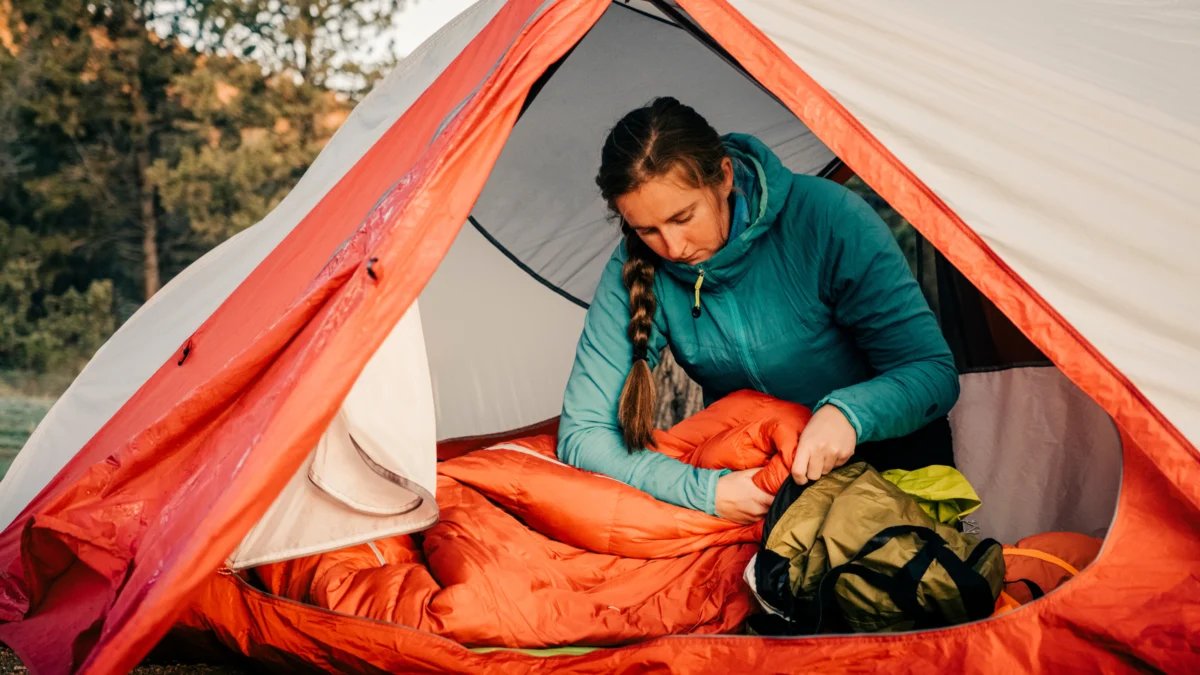
The sleeping bag remains one of the most significant investments for any outdoor enthusiast, serving as a critical piece of life-safety equipment that facilitates recovery and prevents hypothermia in backcountry environments. While modern sleeping bags are engineered to withstand the rigors of alpine environments, desert sands, and humid forests, their functional lifespan is inextricably linked to the quality of post-expedition maintenance. As the outdoor industry shifts toward a more sustainable, "repair-over-replace" ethos, understanding the technical requirements of insulation care has become essential for both economic and environmental reasons. Proper maintenance not only preserves the "loft"—the air-trapping capacity of the bag—but also ensures that the thermal ratings provided by manufacturers remain accurate over years of use.
The Technical Importance of Insulation Integrity
At the core of every sleeping bag is its insulation, typically consisting of either natural goose/duck down or synthetic polyester filaments. The primary function of this insulation is to trap a layer of non-circulating air, which is warmed by the user’s body heat. However, this delicate structure is vulnerable to several biological and environmental factors. During a standard night of sleep, the human body releases approximately half a liter of water vapor through perspiration and respiration. This moisture, along with body oils (sebum), salt, and skin cells, gradually permeates the bag’s lining and migrates into the insulation.
When oils and dirt accumulate on down plumules, they cause the delicate filaments to stick together, a phenomenon known as clumping. Clumping reduces the volume of trapped air, leading to "cold spots" and a significant degradation of the bag’s R-value (thermal resistance). In synthetic bags, dirt and compression cause the polyester fibers to lose their spring-like resilience, eventually leading to a permanent flattening of the batting. According to industry data from gear testing laboratories, a neglected sleeping bag can lose up to 20% of its thermal efficiency after just two seasons of heavy use without proper cleaning.
A Chronological Approach to Post-Trip Maintenance
The maintenance cycle begins the moment an expedition concludes. Professional gear consultants recommend a tiered approach to care, starting with immediate "field recovery" and moving into intensive cleaning only when necessary.
Immediate Post-Trip Phase: The 48-Hour Rule
Upon returning from the field, the bag should never remain in its compression stuff sack. The first step is to fully unzip the bag and hang it in a well-ventilated, shaded area. Direct UV radiation can degrade the lightweight nylon or polyester face fabrics, so indoor drying or shaded outdoor airing is preferred. This stage allows residual field moisture to evaporate, preventing the growth of mildew and bacteria which can cause permanent odors and fabric rot.
The Inspection and Spot-Cleaning Phase
Before committing to a full immersion wash, users should inspect "high-contact" zones—specifically the hood, draft collar, and footbox. These areas typically collect the highest concentration of oils and trail grime. A mixture of lukewarm water and a small amount of specialized tech-wash can be applied with a soft-bristled toothbrush. This targeted cleaning prevents the need for frequent full-cycle laundering, which, despite being necessary at times, does subject the internal baffles and stitching to mechanical stress.
The Mechanics of Laundering: Standards and Protocols
When a bag begins to look flat, smell musty, or show visible staining, a full wash is required. This process is governed by strict technical protocols to avoid catastrophic gear failure.
Machine Selection and Detergent Chemistry
The use of a top-loading washing machine with a central agitator is strictly forbidden by manufacturers. The mechanical action of an agitator can easily snag the delicate internal mesh baffles that keep insulation in place, leading to "fill migration" that is nearly impossible to fix. Instead, a front-loading high-efficiency (HE) machine or a professional-grade laundromat machine is required.
Furthermore, standard household detergents must be avoided. These detergents are designed to strip oils from clothing; however, they also strip the natural oils from down feathers and the Durable Water Repellent (DWR) coatings from synthetic fibers. Specialized solutions, such as Nikwax Down Wash or Grangers, are formulated to clean the fabric while maintaining the loft and water-resistance of the fill.
The Washing Process
- Preparation: Ensure all zippers are closed and any Velcro tabs are secured to prevent snagging. Turning the bag inside out can often result in a cleaner lining, where body oils are most concentrated.
- Cycle Settings: Use a cold or lukewarm gentle cycle. An extra rinse cycle is highly recommended to ensure that every trace of surfactant is removed from the dense insulation.
- Manual Handling: A saturated sleeping bag is incredibly heavy. When moving it from the washer to the dryer, it should be supported from underneath as a single bundle. Lifting a wet bag by one end can cause the heavy wet insulation to tear the internal baffles.
The Drying Phase: Restoring Loft through Controlled Heat
Drying is the most time-consuming and critical aspect of sleeping bag care. For down bags, the process can take anywhere from three to six hours of continuous tumbling.
The dryer must be set to the lowest possible heat setting. Modern ultralight fabrics are often made of thin denier nylon which has a relatively low melting point; high heat can cause "glazing" of the fabric or even melt the synthetic fibers in the insulation. To assist in breaking up clumps of wet down and "fluffing" the bag, three to four clean tennis balls or specialized dryer balls should be added to the drum. The mechanical impact of these balls against the bag during the cycle is what restores the three-dimensional structure of the insulation.
Strategic Storage: Avoiding the "Compression Trap"
Perhaps the most common cause of premature sleeping bag failure is improper long-term storage. While compression sacks are necessary for backcountry travel, they are "death sentences" for insulation if used for months at a time.
When insulation is compressed, the fibers or plumules are under constant mechanical stress. Over time, they lose their "memory"—the ability to spring back to their original shape. This results in a permanent loss of loft. For optimal longevity, sleeping bags should be stored in one of three ways:
- Large Mesh/Cotton Sacks: Most high-end bags come with a large, breathable storage bag. This keeps the insulation at roughly 50-70% of its full loft.
- Hanging: If closet space permits, hanging the bag over a wide, padded hanger is effective, though it should be rotated occasionally to prevent settling.
- Flat Storage: Sliding the bag under a bed in its uncompressed state is considered the gold standard by gear archivists.
Industry Perspectives and Sustainability Analysis
The push for better gear maintenance is not just about personal savings; it is an environmental imperative. The outdoor industry has faced scrutiny over the environmental footprint of down sourcing and the chemical treatments used in synthetic fabrics. By extending the life of a sleeping bag from five years to fifteen through proper care, a consumer significantly reduces the lifecycle carbon footprint of their gear.
"The most sustainable product is the one you already own," says a representative from a leading mountain equipment cooperative. "We see thousands of bags sent in for warranty claims that are simply dirty. A proper wash often restores the bag to 95% of its original factory loft, saving the customer hundreds of dollars and keeping technical textiles out of the landfill."
From a safety perspective, maintenance is equally vital. In high-altitude or winter camping, the difference between a clean 0°F bag and a dirty, clumped 0°F bag can be the difference between a safe night and a medical emergency. Analysis of gear failures in alpine environments often points to "loft collapse" due to moisture and oil accumulation as a contributing factor in cold-weather injuries.
Conclusion: The Long-Term Value of Gear Stewardship
Investing time in sleeping bag maintenance is a hallmark of an experienced woodsman or mountaineer. It reflects a transition from being a mere consumer of outdoor products to a steward of one’s own equipment. By adhering to the principles of gentle cleaning, thorough drying, and uncompressed storage, adventurers ensure that their "camping nest" remains a reliable sanctuary. As textile technology continues to evolve, the fundamental physics of insulation remain the same: air is the insulator, and loft is the key. Protecting that loft through diligent care is the most effective way to guarantee warmth, safety, and performance for a lifetime of adventure.



 Chandra Hamzah
 Gabriela Annisa
 Tatiana Tantri Indah Sari
 Walid Sujud Trenggono
 Budi Mulyono