
 Susilo Edi Turonggo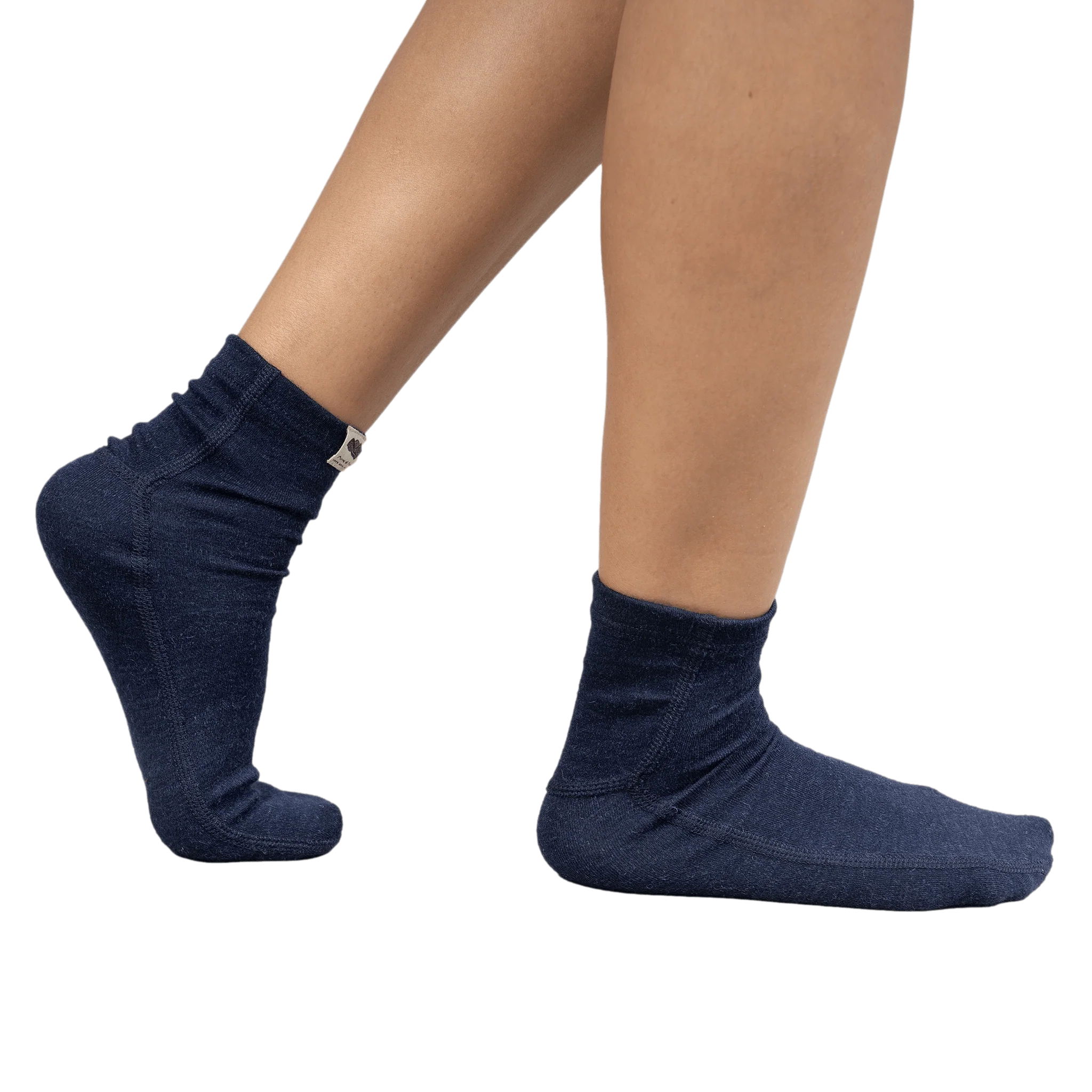
Socks, often relegated to the most overlooked corner of one’s wardrobe, wield a surprisingly profound influence on both personal comfort and broader environmental health. Far from being a mere accessory, the composition and manufacturing process of these ubiquitous garments can dictate daily dermal well-being and contribute significantly to ecological challenges. For individuals experiencing skin irritation, persistent odor, or allergic reactions from synthetic, brightly colored hosiery, a transition to socks crafted from natural fibers and authenticated skin-safe dyes is not merely a preference but an imperative. This shift represents a growing trend towards conscious consumerism, addressing the hidden hazards embedded in conventional textile production.
The Hidden Health Hazards of Conventional Hosiery
The implications of synthetic, plastic-based socks extend far beyond mere discomfort. While these materials are notorious for trapping moisture and fostering bacterial growth, leading to unpleasant foot odor, a more insidious threat lies within their chemical treatment. Azo-benzene disperse dyes, commonly employed in the coloration of polyester and other synthetic fabrics, are well-documented skin sensitizers. Research indicates that prolonged skin exposure to these chemicals, particularly in the warm, moist environment inside a shoe, can lead to contact dermatitis, allergic reactions, and even more severe health concerns. Scientific studies have highlighted the potential carcinogenicity of certain azo dyes when absorbed through the skin, a risk amplified in hosiery due to the close, continuous contact and the enhanced dermal absorption facilitated by sweat. The migratory nature of these chemicals into the skin, particularly under conditions of perspiration, underscores the critical need for safer alternatives. The human skin, our largest organ, readily absorbs substances it comes into contact with, making the chemical profile of everyday garments a direct pathway to systemic exposure.
Environmental Footprint: From Production to Disposal
Beyond personal health, the conventional hosiery industry contributes substantially to environmental degradation. The production of synthetic fibers like polyester and nylon relies heavily on petrochemicals, a finite resource, and is energy-intensive. The dyeing processes for these materials are often highly polluting, discharging vast quantities of chemically laden wastewater into ecosystems, impacting aquatic life and contaminating water sources. Furthermore, synthetic socks contribute to the escalating problem of microplastic pollution. Each wash cycle releases microscopic plastic fibers into waterways, eventually entering the food chain and accumulating in various environmental compartments. These microplastics are virtually indestructible, posing a long-term threat to biodiversity and ecosystem health. The end-of-life cycle for synthetic socks is equally problematic; being non-biodegradable, they persist in landfills for centuries, exacerbating the global waste crisis.
A Paradigm Shift: Embracing Natural Fibers
The most direct and impactful measure to mitigate the health and environmental risks associated with conventional socks is to opt for those made from 100% natural fibers. While a complete absence of synthetics, often used for elasticity (e.g., elastane, spandex), is rare in hosiery, a growing number of brands are achieving this feat or minimizing synthetic content significantly. For individuals with pronounced skin sensitivities or dermatological conditions, prioritizing pure natural fibers is paramount. Brands like Cottonique and Arms of Andes exemplify this commitment, offering truly synthetic-free options. In cases where a small percentage of synthetics is present for stretch and durability, reputable brands typically ensure these are embedded in a way that minimizes skin contact and adheres to non-toxic standards. The general recommendation leans towards socks with a majority natural fiber content, ideally exceeding 80%, to ensure maximum breathability and minimize chemical exposure.
The Performance Powerhouses: Merino and Alpaca Wool
Among natural fibers, Merino and alpaca wool stand out for their exceptional performance characteristics, making them ideal for socks. These fibers are naturally odor-resistant, moisture-wicking, and temperature-regulating, keeping feet dry, comfortable, and fresh in diverse conditions. The fine structure of Merino wool, often associated with high-end activewear, provides superior softness without the itchiness sometimes linked to coarser wools. Alpaca wool, renowned for its luxurious feel, is even softer, lighter, and warmer than Merino, while also being hypoallergenic.
Ethical sourcing is a critical consideration for wool products. Consumers should seek out labels from the Responsible Wool Standard (RWS), a global certification that ensures wool is harvested with respect for animal welfare and land management practices. RWS specifically prohibits mulesing, a painful surgical procedure sometimes performed on sheep to prevent flystrike, ensuring a more humane approach to wool production. The RWS certification also provides transparency regarding the supply chain, from farm to finished product, empowering consumers to make informed choices that align with their ethical values.
Breathability and Comfort: Organic Cotton, Tencel, Linen, and Bamboo Viscose
Beyond wool, a variety of other natural fibers offer excellent alternatives for non-toxic socks:
- Organic Cotton: A cornerstone of sustainable textiles, organic cotton is grown without synthetic pesticides, herbicides, or genetically modified organisms. This cultivation method protects soil health, conserves water, and safeguards the health of farmers and local ecosystems. Organic cotton socks are known for their softness, breathability, and absorbency, making them a comfortable choice for everyday wear. Certifications such as the Global Organic Textile Standard (GOTS) provide assurance that the entire supply chain, from harvesting to manufacturing, meets stringent organic and social criteria.
- Tencel (Lyocell): A brand name for lyocell, Tencel is a cellulosic fiber derived from sustainably sourced wood pulp, typically eucalyptus. Its production process is closed-loop, meaning over 99% of the solvents and water used are recovered and reused, minimizing environmental impact. Tencel fibers are exceptionally soft, smooth, and possess excellent moisture-wicking properties, offering a luxurious feel and superior breathability.
- Linen: Derived from the flax plant, linen is one of the oldest and most sustainable textile fibers. Flax cultivation requires minimal water and pesticides, and nearly every part of the plant can be utilized. Linen socks are highly durable, breathable, and have natural thermoregulating properties, keeping feet cool in warm weather and warm in cool weather. They also possess inherent antimicrobial qualities, contributing to foot hygiene.
- Bamboo Viscose: While bamboo is a rapidly renewable resource, the process of converting it into viscose fiber often involves chemical-intensive methods. However, when produced responsibly, bamboo viscose can result in incredibly soft, smooth, and breathable fabric with excellent moisture absorption. Consumers should look for certifications like Oeko-Tex to ensure that the final product is free from harmful substances, even if the initial processing had a higher chemical footprint.
For consumers who are not highly sensitive to synthetics but prioritize sustainability, blends containing recycled materials such as nylon and polyester can be considered. However, the emphasis should still be on a majority natural fiber content to maximize comfort, breathability, and minimize microplastic shedding.
The Dye Dilemma: Ensuring Skin-Safe and Eco-Friendly Coloration
Even when natural fibers are chosen, the dyeing and finishing processes can introduce harmful chemicals. Many conventional dyes contain heavy metals, formaldehyde, and other toxic substances that can irritate the skin, trigger allergic reactions, and pose environmental risks. For individuals with dye sensitivities, undyed socks, which embrace the natural hues of the fibers, offer the safest option.
For dyed socks, robust certifications are indispensable. The Oeko-Tex Standard 100 is a globally recognized certification system that tests textile products at all stages of production for harmful substances. Products certified Oeko-Tex Standard 100 are guaranteed to be free from concentrations of chemicals that are detrimental to human health. Similarly, bluesign is a holistic system that aims to eliminate harmful substances from the very beginning of the manufacturing process, setting strict standards for environmental, health, and safety aspects in textile production. Brands adhering to bluesign principles commit to sustainable chemical management, ensuring that only safe substances are used and that environmental impact is minimized.
Beyond third-party certifications, brands with a publicly accessible Restricted Substances List (RSL) demonstrate a proactive commitment to chemical management. An RSL outlines specific chemicals that are prohibited or restricted in their products and manufacturing processes, reflecting a brand’s dedication to product safety and environmental stewardship.
Ethical Sourcing and Supply Chain Transparency: Beyond the Fiber
The journey of a sock from raw material to finished product involves numerous steps and countless hands. Ethical sourcing and supply chain transparency are crucial to ensure that human rights are upheld and fair labor practices are observed throughout this process. Brands that openly share the locations of their supply chain partners, from fiber cultivation to spinning, knitting, and finishing, provide invaluable assurance to consumers. This transparency allows for accountability and helps prevent exploitative labor practices, such as child labor or unsafe working conditions, which regrettably persist in parts of the global textile industry.
Certifications from organizations like Fair Trade, WRAP (Worldwide Responsible Accredited Production), and B Corp serve as independent verifications of a brand’s commitment to social responsibility.
- Fair Trade certification ensures that farmers and workers receive fair wages and work in safe conditions, often supporting community development projects.
- WRAP focuses on ethical and lawful manufacturing, auditing facilities against 12 principles covering health and safety, compensation, and environmental compliance.
- B Corp certification signifies that a company meets rigorous standards of social and environmental performance, accountability, and transparency, balancing profit with purpose.
These certifications provide consumers with confidence that their purchases contribute to a more equitable and just global economy, supporting workers and communities rather than perpetuating exploitation.
Minimizing Waste: The Role of Sustainable Packaging
Even small items like socks, when produced and packaged conventionally, can contribute significantly to waste. The pervasive use of single-use plastics in packaging is a major environmental concern. Sustainable packaging initiatives are therefore an integral part of a truly eco-conscious brand. Consumers should look for brands that utilize:
- Compostable or Biodegradable Packaging: Materials that naturally break down into organic matter, returning nutrients to the earth without leaving harmful residues.
- Recycled and Recyclable Materials: Packaging made from post-consumer waste and designed to be easily recycled after use, closing the loop on material consumption.
- Minimalist Packaging: Reducing the overall amount of material used in packaging.
The Forest Stewardship Council (FSC) certification for paper and cardboard packaging ensures that the materials originate from responsibly managed forests, promoting sustainable forestry practices and protecting biodiversity. By paying attention to packaging, consumers can further reduce their environmental footprint and support brands committed to holistic sustainability.
Leading the Change: Brands Championing Non-Toxic Hosiery
The market for non-toxic and sustainable socks is expanding, driven by increasing consumer awareness and demand. Several pioneering brands are demonstrating leadership in this space, offering options that cater to diverse needs, from extreme sensitivities to stylish, eco-conscious choices.
Pioneers in 100% Natural Fibers:
-
Cottonique: As one of the rare brands specializing in entirely synthetic-free socks, Cottonique is a beacon for individuals with severe allergies or highly sensitive skin. Their commitment extends to 100% organic cotton, free from latex, bleach, and common allergens. The meticulous design includes covered seams to prevent rubbing and irritation, a testament to their collaboration with dermatologists. Sourcing organic cotton from India and manufacturing in the Philippines, Cottonique maintains a transparent and responsible supply chain, reinforcing its dedication to hypoallergenic apparel. Their use of compostable packaging further aligns with their holistic sustainability ethos.
-
Arms of Andes: This brand similarly stands out by offering 100% alpaca fiber slipper socks, completely devoid of synthetics. Sourcing from free-range alpacas, Arms of Andes ensures animal welfare while providing lightweight, well-insulated, soft, and moisture-wicking hosiery. Their direct collaboration with co-op farmers in the Andes, from sourcing to sewing, exemplifies a commitment to ethical production and community empowerment. Oeko-Tex certification guarantees chemical safety, and compostable packaging underscores their environmental responsibility.
Innovators in Organic & Certified Blends:
-
Harvest & Mill: Renowned for its dye-free organic cotton socks, Harvest & Mill champions a localized supply chain. Their non-toxic, unbleached cotton is grown, spun, and knit entirely in the U.S., significantly reducing transportation emissions and supporting domestic agriculture. The brand’s dedication to zero-waste principles is evident in its repurposing or recycling of all fabric scraps and its exclusive use of compostable packaging. User reviews consistently highlight the exceptional coziness, breathability, and comfort of their dye-free crew socks, particularly for sensitive skin.
-
Subset (formerly Knickey): This Brooklyn-based brand is distinguished by its Fair Trade and Oeko-Tex-certified organic cotton socks. Subset emphasizes a PFAS-free production, reflecting a commitment to eliminating harmful per- and polyfluoroalkyl substances. Their cotton is ethically sourced from an organic farm in India, where ginning, spinning, dyeing, and sewing are also completed, ensuring a traceable and responsible supply chain. While their socks incorporate 24% synthetics, the elastic is thoughtfully embedded to prevent skin contact, making them suitable for many with sensitivities. Their thin, dressier profile offers versatility for various footwear.
-
Paka: A certified B Corp, Paka crafts durable yet lightweight socks primarily from alpaca wool and Tencel. These moisture-wicking and odor-resistant socks are dyed with Oeko-Tex-certified dyes and spun by Peruvian artisans, preserving traditional craftsmanship. Paka’s use of biodegradable and compostable packaging aligns with its environmental values. Despite containing up to 50% recycled synthetics for enhanced durability, user feedback praises their warmth, comfort, and suitability for harsh winter conditions or demanding activities like hiking, attributing any slight itchiness to the natural texture of alpaca fiber rather than chemical irritation.
-
Boody: Hailing from Sydney, Boody offers a versatile range of socks, utilizing Oeko-Tex-certified organic bamboo viscose, organic cotton, and recycled nylon. Their commitment to ethical manufacturing is demonstrated through adherence to a code of conduct and partnerships with WRAP-certified facilities in China, Vietnam, and India. Boody provides options across various thicknesses, catering to different needs from relaxation to active wear, ensuring comfort and sustainability.
-
Kotn: As a certified B Corp, Kotn cultivates direct, lasting relationships with Egyptian cotton farmers, ensuring fair trade practices and prices. Their socks, made with organic cotton and Oeko-Tex-certified dyes, boast a completely traceable supply chain. The brand’s use of recycled and recyclable packaging further solidifies its commitment to environmental stewardship. While some pairs contain up to 20% synthetics, their professional aesthetic and comfortable feel make them a popular choice for those seeking both style and sustainability.
-
Quinn: Designed with eczema sufferers in mind, Quinn’s organic cotton non-toxic socks prioritize skin health and durability. They offer dye-free, lightweight, and mid-weight options. Designed in Canada and ethically produced in Oeko-Tex-certified factories in Portugal and Sri Lanka, Quinn ensures rigorous quality control. While cotton sourcing is GOTS-certified, further transparency on its origin could enhance their profile. User reviews commend the extreme comfort and breathability of both their undyed cotton ankle socks and merino wool options, noting the merino’s extra-thick heel for warmth and coziness.
-
Cariloha: This certified B Corp provides hypoallergenic socks crafted from bamboo viscose and organic cotton. Their Oeko-Tex and Fair Trade-certified bamboo, sourced from China, underscores their commitment to ethical and safe materials. Cariloha employs FSC-certified paper packaging, aligning with responsible forestry. While the specific manufacturing locations are not explicitly detailed, their robust certifications offer a strong assurance of product integrity.
-
Dedicated: Known for its bold patterns, Dedicated produces Fair Trade organic cotton socks. Their cotton suppliers are WRAP-certified, and the brand provides specific manufacturing locations on each product page, showcasing a high level of supply chain transparency. While their socks contain up to 25% elastane, this is openly disclosed, allowing consumers to make informed decisions. Dedicated proves that ethical and sustainable fashion can also be vibrant and expressive.
-
Darn Tough: Manufactured in Vermont in family-owned mills, Darn Tough socks are celebrated for their comfort and exceptional durability, backed by a lifetime guarantee. They utilize RWS-certified merino wool in a variety of colorful and fun styles. Oeko-Tex-certified materials and a stringent restricted substances list ensure chemical safety. Their packaging incorporates FSC-certified recycled paper, compostable bags, and vegetable-based inks, reflecting a comprehensive approach to sustainability. Despite containing up to 50% synthetics to enhance their famed durability, their rigorous material standards and ethical production make them a highly respected choice.
-
Nisolo: A certified B Corp primarily known for leather footwear, Nisolo also offers a popular line of socks. These are produced in a family-owned mill in North Carolina, utilizing upcycled cotton, linen, wool, and recycled polyester. Nisolo is dedicated to supply chain traceability and strives to pay a living wage to all workers. Their packaging is made with recycled materials. While their socks can contain up to 70% synthetics, the brand’s commitment to ethical labor and circular materials provides a balanced approach for consumers prioritizing social responsibility alongside environmental impact.
-
Swedish Stockings: This brand specializes in knee-highs and ankle socks, offering a range of styles from classic to supportive, colorful, and patterned. Produced in Italy with Oeko-Tex-certified materials, they incorporate bamboo viscose, organic cotton, organic wool, recycled polyester, and virgin and recycled elastane. While some of their socks are fully synthetic, they maintain transparency about material composition, allowing consumers to choose based on their preferences and sensitivities. Their commitment to Oeko-Tex certification ensures the chemical safety of all materials used.
Consumer Empowerment and the Future of Sustainable Hosiery
The growing availability of non-toxic and sustainable socks signifies a broader shift within the fashion industry towards greater accountability and environmental stewardship. Consumers are increasingly empowered to make choices that reflect their values, moving beyond purely aesthetic considerations to encompass health, ethical, and ecological impacts. The proliferation of certifications—from Oeko-Tex and bluesign for chemical safety to RWS for animal welfare, and Fair Trade, WRAP, and B Corp for social responsibility—provides crucial tools for navigating this complex landscape.
The future of hosiery is poised for further innovation, with ongoing research into new sustainable fibers, more efficient and less polluting dyeing technologies, and advancements in circular economy models, such as textile recycling and biodegradation. As demand for these products continues to rise, it will compel more brands to adopt responsible practices, ultimately leading to a healthier planet and healthier individuals, one pair of socks at a time. This detailed analysis underscores that choosing socks is not a trivial decision but an opportunity to support a more sustainable and ethical future.


 Anjar Salim
 Chandra Hamzah
 Tatiana Tantri Indah Sari
 Budi Mulyono
 Lukman Taruna Persada Ramadan
