
 Budi Mulyono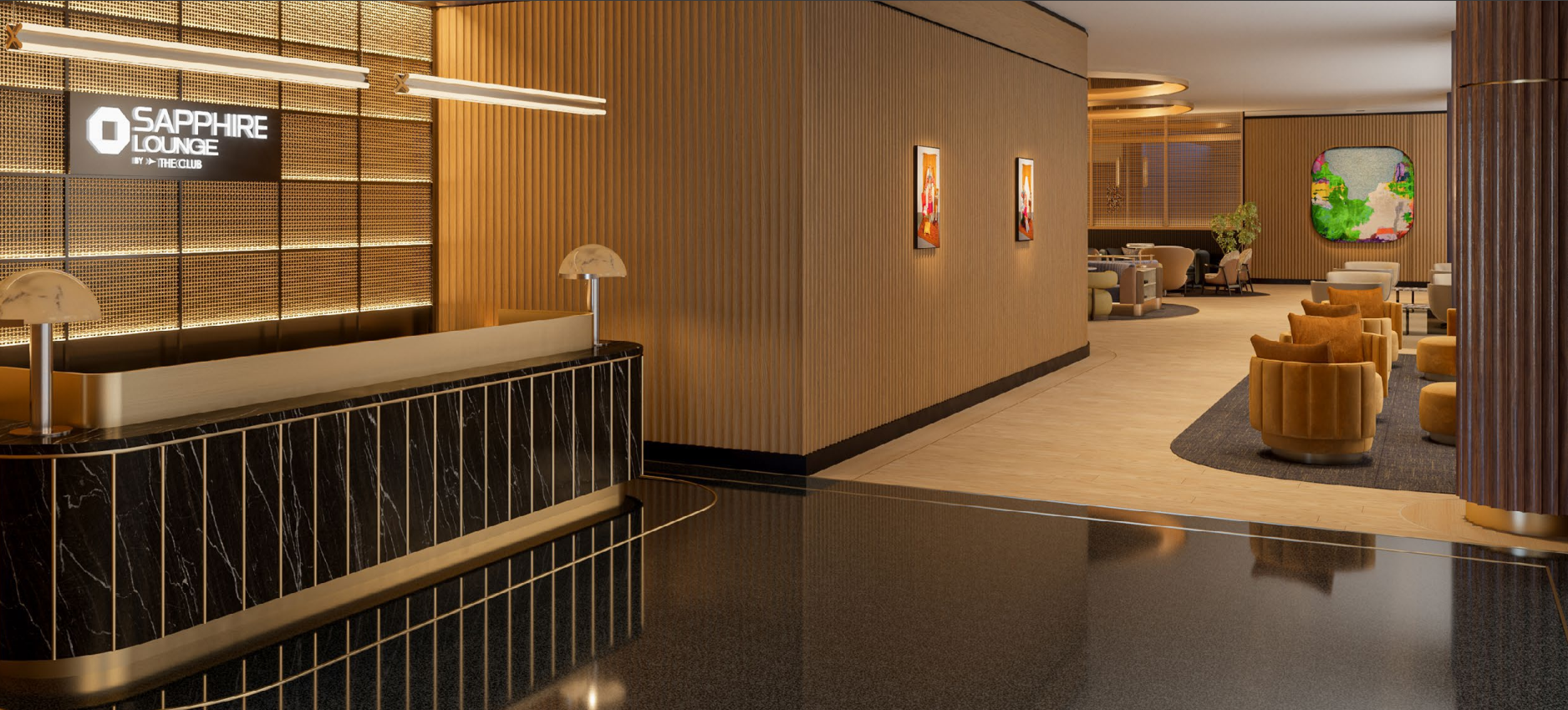
Chase is preparing to significantly expand its footprint in the competitive airport lounge sector with a massive new project at Seattle-Tacoma International Airport (SEA). According to official Port of Seattle documentation, the financial institution is proposing a roughly 16,000-square-foot Chase Sapphire Lounge by The Club situated in the airport’s Concourse A. The proposal highlights a substantial financial commitment, estimated at approximately $70 million, to construct and eventually renovate the facility over the course of a proposed 15-year lease. The Port of Seattle scheduled a formal review and consideration for project authorization, marking a critical milestone in the development of one of the largest Sapphire Lounges in the nationwide network.
The Strategic Airport Lounge Reshuffling at SEA
The planned location of the Chase Sapphire Lounge in Concourse A places it in a prime, highly visible zone of Seattle-Tacoma International Airport. Positioned directly adjacent to existing Delta Air Lines facilities—including the ultra-exclusive Delta One Lounge—the space offers immediate convenience for premium cabin and eligible cardholding passengers. However, bringing this facility to life requires a coordinated, multi-step domino effect involving several major carriers and airport real estate management.

The intricate logistics of the expansion begin with United Airlines. Under the broader airport terminal re-allocation plan, United Airlines is scheduled to relocate its existing United Club to Concourse B. This move will free up the space currently utilized by United, allowing "The Club SEA"—an independent shared-access lounge network operated by Airport Dimensions—to transition into that newly vacated area. Once The Club SEA vacates its current footprint, Chase will step in to take over the real estate. Rather than maintaining the previous layout, Chase intends to substantially demolish, expand, and transform the footprint into a bespoke Sapphire Lounge experience.
Because the project utilizes an existing lounge structure rather than requiring greenfield construction from the ground up, industry analysts suggest the physical buildout could encounter fewer structural hurdles. Nevertheless, a comprehensive overhaul of 16,000 square feet to meet Chase’s rigorous design standards—which typically feature local culinary partnerships, bespoke cocktail bars, wellness areas, and modern aesthetic touches—remains a complex engineering and architectural undertaking.
Financial Investment and Long-Term Lease Commitments
The reported $70 million price tag underscores the aggressive strategy financial institutions are employing to capture the lucrative travel rewards market. Premium credit card issuers view proprietary airport lounges not merely as amenities, but as primary customer acquisition and retention tools. By investing heavily in capital expenditures—covering initial design, construction, furnishings, specialized equipment, and a mandated future mid-lease renovation—Chase is demonstrating its long-term dedication to the Seattle aviation market.

The proposed 15-year lease agreement provides the bank with revenue stability and long-term operational security at SEA, which consistently ranks among the busiest hubs on the West Coast. Passenger traffic through Seattle has rebounded robustly following pandemic-era declines, driven heavily by Alaska Airlines’ domestic network and an increasing number of long-haul international routes to Asia and Europe. For premium travelers navigating these transpacific and transcontinental flights, the addition of a high-capacity, amenity-rich lounge addresses chronic overcrowding issues that have plagued legacy airline clubs and priority-pass facilities alike.
The Evolution of the Chase Sapphire Lounge Network
Chase’s lounge initiative started with a modest footprint but has quickly matured into a formidable rival to American Express’s ubiquitous Centurion Lounge network and Capital One’s growing lounge collection. The current operational portfolio includes locations at key domestic and international hubs, though the exact roster continues to shift as new developments come online.
In addition to the anchor project planned for Seattle-Tacoma International Airport, Chase has advanced plans to introduce Sapphire Lounges at other critical domestic gateways, most notably Los Angeles International Airport (LAX) and Miami International Airport (MIA). These expansions reflect a deliberate geographical diversification strategy, ensuring that cardholders holding premium products—such as the Chase Sapphire Reserve—enjoy proprietary lounge access across the United States’ major coastal and international transit corridors.

Market Implications and the Competitive Landscape
The rapid proliferation of credit card-affiliated airport lounges has transformed the airport real estate landscape over the past decade. Financial institutions are increasingly competing with traditional network airlines for prime terminal space, bidding up lease values and reshaping how airports manage non-aeronautical revenue.
For Seattle-Tacoma International Airport, the introduction of a premium Chase Sapphire Lounge enhances the airport’s competitive standing among West Coast hubs, providing travelers with expanded lounge capacity that relieves pressure on existing facilities like the Alaska Airlines Lounges and The Centurion Lounge. For passengers, the arrival of the lounge promises an elevated pre-flight experience characterized by localized dining options, artisanal beverages, and dedicated workspaces.
As the Port of Seattle evaluates the authorization terms, industry stakeholders will closely monitor the project timeline, including announcement milestones regarding opening dates and access policies. If approved, the Seattle facility will instantly solidify its status as a flagship location within the Chase Sapphire Lounge network, signaling that the race among credit card issuers to dominate airport real estate is accelerating rather than slowing down.

 Chandra Hamzah
 Gabriela Annisa
 Susilo Edi Turonggo
 Walid Sujud Trenggono