
 Chandra Hamzah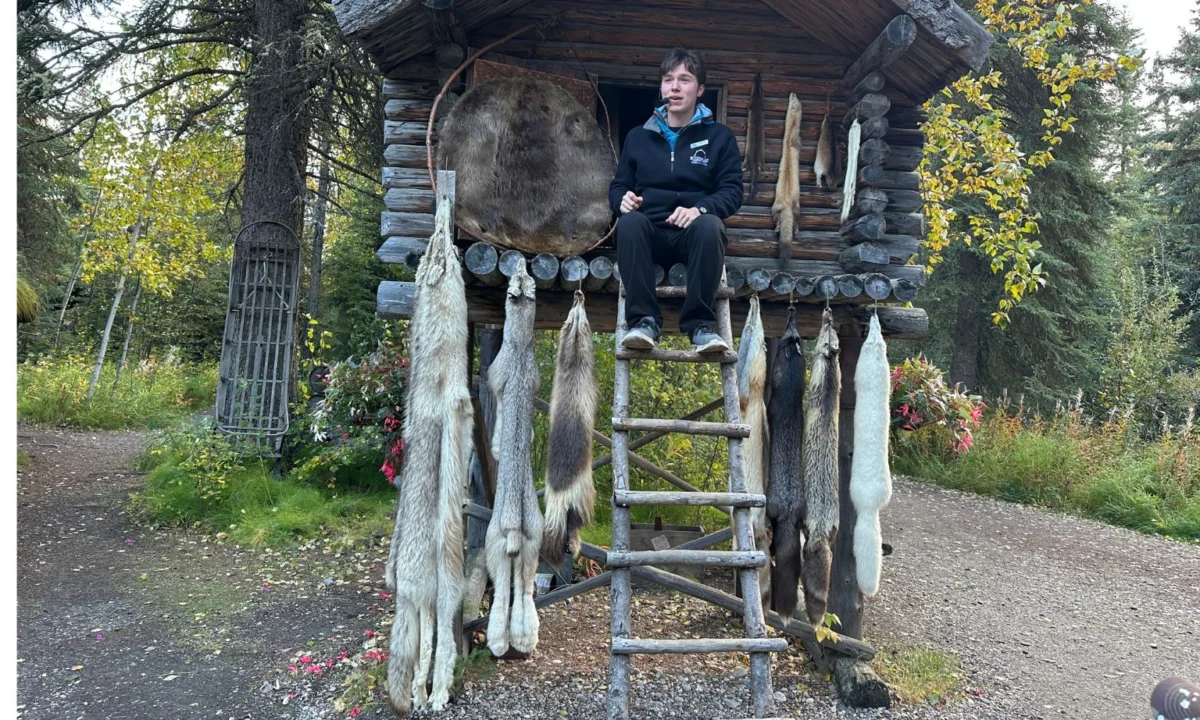
At 30,000 feet, the vast, icy expanse beneath the Delta flight from Vancouver to Fairbanks serves as a stark introduction to a destination that has evolved from a niche cruise stop into a premier adventure hub. While Alaska has long been a staple of the global maritime industry, recent tourism data indicates a significant shift in how international visitors, particularly those from Australia, are interacting with the 49th state. According to figures from the Cruise Lines International Association (CLIA), Alaska attracted approximately 36,000 Australian cruise passengers in 2025. This volume cements the "Last Frontier" as Australia’s third-largest long-haul cruise destination, trailing only the Mediterranean and Asia.
However, the traditional cruise-only model is undergoing a transformation. Industry trends suggest that the modern traveler is increasingly seeking immersion, leading to a surge in "cruise-tours"—itineraries that seamlessly blend coastal voyages with deep-interior land expeditions.
A Shifting Demographic and Travel Preference
The impetus for this shift lies in the unique geographical and cultural offerings of Alaska. With temperatures oscillating between a brutal minus 34 degrees and a mild 32 degrees, the state offers a range of extremes that define the Arctic experience. Statistics from the Alaska visitor survey highlight that while 92 percent of Australian and New Zealand travelers still utilize cruise vessels as their primary mode of transport, 30 percent now integrate a formal land tour, and 29 percent incorporate multi-night stays in specialized wilderness lodges.

Princess Cruises, a dominant force in the region with 57 years of operational experience, has positioned itself at the forefront of this trend. Their internal data reveals that for Australian and New Zealand passengers, roughly 20 percent opt for land-based extensions. On specific "Gulf of Alaska" itineraries, that figure climbs to nearly 50 percent, illustrating a clear demand for a more rugged, ground-level engagement with the North American wilderness.
The Evolution of the Land-Sea Integration
The current strategy employed by major operators involves leveraging regional infrastructure to bridge the gap between the Pacific coast and the Alaskan interior. A standard, comprehensive itinerary often begins in northern hubs such as Fairbanks, moving through the Denali National Park region, and concluding with a rail journey to ports like Whittier or Seward to board vessels such as the Grand Princess.
This integration is not merely logistical; it is designed to provide an educational narrative. The use of rail systems, specifically the "Direct-to-the-Wilderness" services, allows passengers to bypass the administrative hubs of Anchorage, maintaining a continuous connection to the wilderness. For the traveler, this means moving from the urbanized environment of Fairbanks—home to the Chena River and a robust academic and cultural sector—to the extreme isolation of the Denali massif.
Economic and Cultural Significance of Wilderness Lodges
The proliferation of lodge-based tourism has created a distinct micro-economy within Alaska. Princess Cruises currently operates five lodges, designed to function as self-contained hubs for excursions ranging from ATV trekking to flightseeing over glacial fields.

These facilities provide more than just lodging; they serve as cultural conduits. For instance, the Fairbanks Princess Riverside Lodge, with its 326 rooms, acts as an entry point for guests to engage with local history, indigenous traditions, and the realities of subsistence living. Local management emphasizes that wildlife interaction is not a curated experience but a daily reality. The prevalence of moose, bears, and other fauna near these lodges provides a tangible connection to the environment, while the emphasis on local culinary staples—such as King salmon, halibut, and locally sourced berries—underscores a commitment to regional authenticity.
Indigenous Perspectives and Sustainability
The cultural experience for travelers is heavily anchored in the heritage of Alaska’s indigenous populations. Tours frequently feature presentations from native Alaskans, such as the Athabascan people, who provide context on traditional survival skills, including salmon preparation and the historical importance of fur in Arctic climates.
The inclusion of these perspectives serves a dual purpose: it educates the visitor and provides a platform for indigenous communities to manage the narrative surrounding their history. As one tour guide noted, the concept of communal harvest—whereby indigenous communities share resources like whale meat according to strict quotas—is a foundational lesson for visitors accustomed to individualistic consumption patterns. This exchange fosters a more respectful and nuanced understanding of Alaska’s social fabric.
Risk Management and the "Into the Wild" Phenomenon
The popularity of Alaska as an adventure destination brings with it a responsibility for safety and realistic expectation setting. The state’s history of adventurers seeking total isolation—most famously chronicled in the narrative of Christopher McCandless and the "Magic Bus"—serves as a cautionary tale for the industry. The 2020 removal of the "Magic Bus" from the Stampede Trail by the U.S. Army, and its subsequent relocation to the University of Alaska Museum of the North, was a calculated move to prevent further injuries or fatalities among tourists attempting to reach the site.

By promoting guided, lodge-based tourism, companies like Princess are effectively mitigating the risks associated with amateur off-grid exploration. Operators emphasize that the "wild" is best experienced through organized channels that prioritize both the safety of the guest and the preservation of the environment.
Economic Outlook and Competitive Positioning
From a fiscal perspective, the "land-sea" package offers a high degree of value. A 10-day Denali Explorer tour, which typically includes seven days of cruising and three days of land-based lodge accommodation, is priced competitively when compared to independent luxury expedition travel. With current market incentives—such as airfare credits and shore excursion stipends—the barrier to entry for the Australian market remains relatively low despite the geographic distance.
The implications for the Alaskan tourism sector are significant. By encouraging longer stays through land tours, the state captures a greater share of the visitor’s wallet while spreading the economic benefits beyond the port towns and into interior communities. As the industry looks toward the 2026 season, the focus remains on enhancing these land-based offerings, with a particular emphasis on autumn travel. During this season, the convergence of fall foliage, active northern lights, and wildlife preparing for hibernation offers a unique selling proposition that the traditional summer peak season cannot replicate.
Conclusion
The trajectory of Alaskan tourism suggests that the era of the passive cruise observer is waning. Today’s traveler is motivated by a desire for "authentic" engagement with the environment. Whether through the professional, multi-generational operation of riverboats on the Chena or the carefully curated, eco-conscious land tours in Denali, the industry is successfully catering to a demographic that views Alaska not just as a destination, but as an experience. As long as operators can continue to balance the demand for accessibility with the necessity of environmental and cultural stewardship, Alaska is poised to remain a primary pillar of the global adventure tourism market.



 Anjar Salim
 Tatiana Tantri Indah Sari
 Budi Mulyono
 Lukman Taruna Persada Ramadan
