
 Anjar Salim
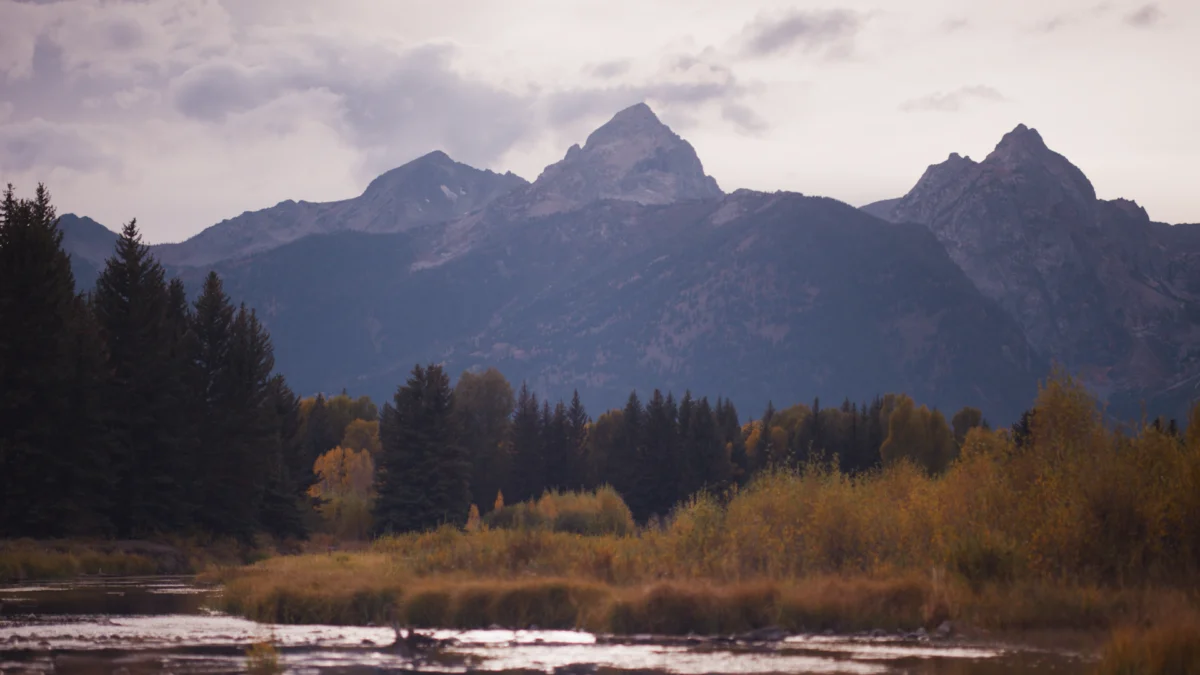
The rugged peaks of the Teton Range have long served as a dramatic backdrop for America’s mountaineering history, but the human landscape of Jackson Hole, Wyoming, remains a vibrant, evolving ecosystem of its own. In a special episode of the Outside Podcast published on October 15, 2026, big-mountain skiing luminary Jim Ryan pulls back the curtain on what it truly means to live, work, and thrive in this iconic mountain valley. Moving far beyond the predictable narrative of extreme winter sports and luxury real estate, Ryan offers listeners a granular look at a community driven just as much by local artists, musicians, and eclectic subcultures as it is by elite athletes charging down vertical drops. For travelers looking to experience this dynamic blend of wilderness and culture firsthand, the region offers an expanding array of accommodations, anchored by properties like Trailborn Jackson Hole, a modern chalet resort situated directly at the base of Snow King Mountain. As tourism patterns shift toward immersive outdoor travel, Jackson Hole represents a compelling case study in how destination mountain towns balance heritage, recreation, and community identity.
The Journey West: Jim Ryan and the Roots of a Teton Icon
To understand the contemporary cultural fabric of Jackson Hole, one must look to individuals who have shaped its community over decades. Jim Ryan’s path to the Tetons is emblematic of a classic ski-town migration. A competitive ski racer hailing from the East Coast state of Vermont, Ryan transitioned his athletic discipline westward once his competitive racing career concluded. Finding himself drawn to the sheer scale and technical demands of the Teton Range, Ryan embedded himself within the local community, eventually achieving the status of a big-mountain ski superhero.
However, Ryan’s perspective on Jackson Hole defies the standard monolithic stereotype of the ski bum or the adrenaline-fueled extreme athlete. While he commands deep respect among the world-class mountaineers and skiers who call the valley home, Ryan’s enthusiasm is equally palpable when discussing the region’s lesser-known cultural undercurrents. In his interview, he highlights the town’s thriving community of painters, sculptors, independent musicians, and even unexpected local groups like Live Action Role Players (LARPers). This multifaceted view underscores a vital truth about Jackson Hole: beneath the commercial gloss of high-end ski resorts lies a deeply creative, fiercely independent enclave of residents who sustain a unique year-round local culture.
A Four-Season Destination: The Evolution of Snow King Mountain and Beyond
The geographic anchor for many visitors seeking a balanced itinerary of backcountry adventure and town accessibility is Snow King Mountain, historically known as Jackson’s town hill. Situated mere blocks from the historic Town Square, Snow King has undergone significant infrastructural development over recent years to transition from a localized ski hill into a robust, four-season adventure hub.
At the base of this historic peak sits Trailborn Jackson Hole, a modern chalet resort designed to cater to outdoor enthusiasts. The property exemplifies the contemporary hospitality trend of blending rugged wilderness access with refined, comfortable amenities. During the winter months, guests benefit from ski-in and ski-out slope access, eliminating the logistical friction often associated with mountain travel. In the warmer spring, summer, and autumn seasons, the resort serves as a gateway to alpine exploration, offering proximity to thrilling regional attractions such as the Cowboy Coaster and extensive treetop adventure courses.
This seasonal diversification reflects broader changes in Teton County’s tourism economy. Historically dependent on a compressed winter ski season and a concentrated summer peak centered around Grand Teton and Yellowstone National Parks, Jackson Hole has systematically cultivated shoulder-season and year-round tourism. The result is a more resilient local economy, though one that continually grapples with the infrastructural and housing pressures of sustained popularity.
The Broader Context of Teton Tourism and Real Estate
The allure of Jackson Hole is underscored by macroeconomic trends and shifting travel demographics. Over the past decade, the Greater Yellowstone Ecosystem has experienced unprecedented interest from remote workers, affluent relocators, and adventure travelers alike. According to regional tourism data from the Wyoming Office of Tourism and local chambers of commerce, visitor spending in Teton County consistently ranks among the highest in the state, generating substantial tax revenues and supporting thousands of hospitality and outdoor recreation jobs.
However, this economic success brings distinct challenges. The median home price in Jackson and Teton County has historically outpaced regional and national averages, creating a well-documented housing crisis for the very workforce—artists, service workers, ski patrollers, and tradespeople—that sustains the community’s daily operations. When figures like Jim Ryan speak to the town’s diverse population of artists and musicians, they are often describing a demographic fighting to maintain a foothold in a rapidly gentrifying landscape.
Urban planners and local government bodies have spent recent years attempting to address these disparities through affordable housing initiatives, workforce development programs, and sustainable tourism management plans. Initiatives aimed at dispersing visitor impact across broader geographical areas and encouraging public transit utilization have become standard policy discussions in Teton County commission meetings.
Hospitality in the Wild: The Rise of Nature-Immersed Lodging
The evolution of Jackson Hole’s accommodation sector mirrors a broader transformation within the global travel industry. Modern travelers increasingly seek authentic, nature-immersed experiences without sacrificing modern comforts. This shift has given rise to specialized portfolios such as the Outdoor Collection by Marriott Bonvoy, a curated group of properties designed to integrate guests directly into stunning natural landscapes while providing high-end amenities.
Properties within this classification aim to bridge the gap between traditional wilderness camping or rustic cabins and premium hospitality. By offering reliable creature comforts—such as plush bedding, high-speed connectivity, and curated local culinary programs—these resorts cater to a demographic that values both ecological engagement and restorative comfort. Industry analysts note that experiential travel and outdoor hospitality sectors have demonstrated robust post-pandemic growth, driven by consumers prioritizing wellness, nature-based activities, and localized cultural immersion.
As these properties expand globally—incorporating diverse formats ranging from alpine chalets and remote eco-lodges to geodesic domes optimized for stargazing—they redefine the traditional boundary between indoor hospitality and outdoor exploration. In Jackson Hole, this philosophy translates to accommodations that position the guest at the literal doorstep of alpine trails, wildlife migratory paths, and cultural centers.
Implications for Future Travelers to the Tetons
For prospective visitors evaluating a trip to Jackson Hole, the insights shared by community veterans like Jim Ryan offer a valuable framework. A successful journey to the Tetons requires looking past the surface-level postcard views and engaging with the deeper layers of the community. Whether it is exploring the local art galleries in downtown Jackson, attending a performance by regional musicians, or tackling the technical terrain of Snow King Mountain and the greater Teton backcountry, the valley rewards curiosity.
Furthermore, the integration of modern, nature-focused resorts into the local hospitality infrastructure ensures that visitors can experience the wilderness efficiently and comfortably. As travel patterns continue to evolve through 2026 and beyond, destinations like Jackson Hole will remain bellwethers for how mountain communities manage the delicate equilibrium between conservation, economic vitality, and cultural authenticity. For those inspired to witness this dynamic ecosystem firsthand, a stay at properties like Trailborn Jackson Hole offers an entry point into a world where wild alpine landscapes and rich human stories perpetually intersect.



 Gabriela Annisa

 Lukman Taruna Persada Ramadan

 Tatiana Tantri Indah Sari


 Dwi Wanna
