
 Anjar Salim
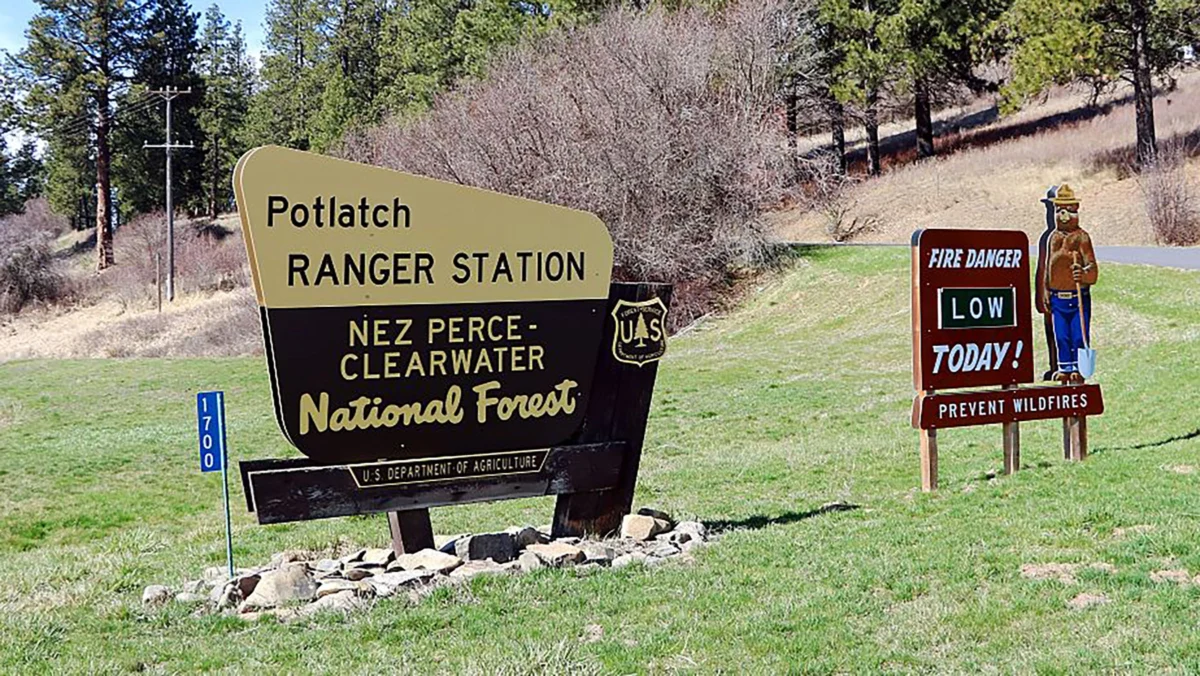
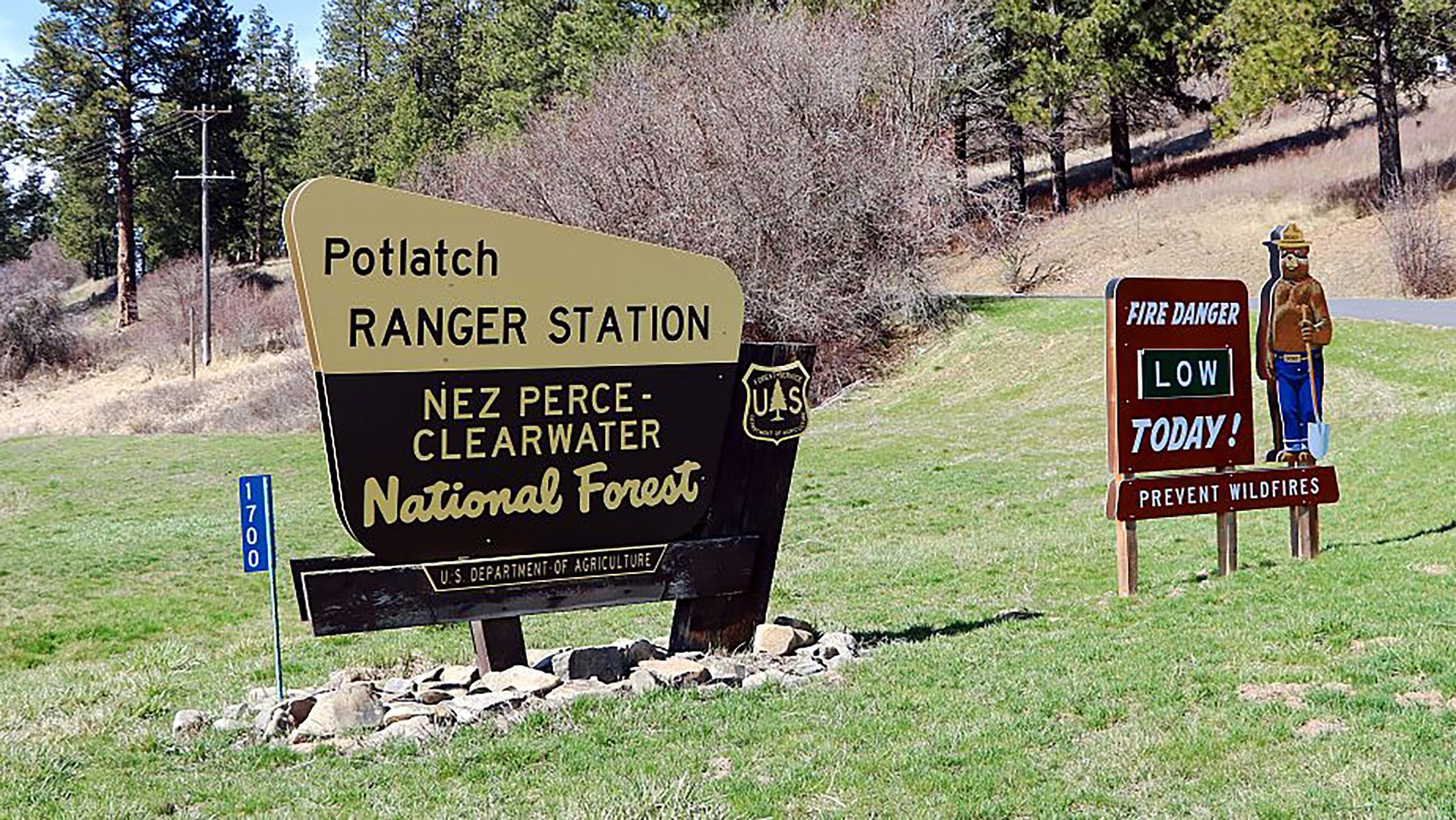
A federal judge has issued a preliminary injunction temporarily blocking the Department of Agriculture from executing a massive restructuring of the U.S. Forest Service. The sweeping overhaul, championed by the administration, would have relocated the agency’s historic headquarters from Washington, D.C., to Salt Lake City, shuttered nine regional offices, and consolidated dozens of research facilities nationwide. U.S. District Judge Vince Chhabria’s October 13 ruling halts these plans while a coalition of conservation groups, labor unions, and local governments pursues a lawsuit challenging the legality of the operation.
The injunction represents a significant, albeit temporary, victory for critics of the reorganization, who argue that uprooting the agency responsible for managing 193 million acres of public land will severely degrade environmental oversight. However, the legal battle is far from over, and the future of America’s national forests and grasslands hangs in the balance as the intersection of federal funding restrictions, bureaucratic restructuring, and public land stewardship plays out in federal court.
Chronology of the Overhaul and Legal Challenge
The roots of the current controversy trace back to March 2026, when the U.S. Department of Agriculture (USDA) and Forest Service leadership officially announced the restructuring initiative. Agency officials framed the proposal as an exercise in decentralization, aiming to strip away layers of bureaucratic red tape in the nation’s capital and place decision-making personnel closer to the western landscapes they govern.
Under the unveiled blueprint, the Forest Service headquarters was slated for a permanent move to Salt Lake City, Utah. Furthermore, the agency planned to dismantle its entrenched network of nine multi-state regional offices, replacing them with 15 isolated state-level offices. Additionally, the plan targeted 23 research facilities for closure, concentrating federal forestry science operations into a single hub in Fort Collins, Colorado.
The announcement immediately drew fierce opposition from a diverse coalition of stakeholders, including federal employee labor unions, local municipal governments, and prominent conservation non-profits. Rather than focusing solely on environmental policy, the plaintiffs launched a strategic legal challenge centering on federal appropriations law. They argued that the USDA was bypassing congressional oversight by using appropriated funds to execute sweeping office closures and employee relocations without explicit legislative authorization or consent.
On October 13, U.S. District Judge Vince Chhabria agreed with the core argument of the plaintiffs. In his comprehensive 40-page ruling, Chhabria found that the department was likely violating specific congressional spending restrictions by utilizing allocated funds to shutter regional infrastructure and uproot workers. Consequently, the court issued an injunction pausing the Forest Service changes, alongside similar administrative shifts proposed across other USDA divisions, pending the full resolution of the lawsuit.
Scope and Scale of Public Land Management
To understand the gravity of Judge Chhabria’s ruling, one must examine the immense footprint of the agency in question. The U.S. Forest Service, a division of the USDA established in 1905, manages 193 million acres of public land across the United States. This vast domain encompasses 154 national forests and 20 national grasslands, stretching from the temperate rainforests of the Pacific Northwest to the hardwood canopies of the Appalachian Mountains.
Millions of Americans rely on these federal lands annually for recreational activities such as hiking, camping, hunting, fishing, mountain biking, and skiing. Beyond recreation, these lands serve as critical watersheds supplying drinking water to millions of citizens, act as vital carbon sinks in the fight against climate change, and provide essential habitats for hundreds of native wildlife species. Furthermore, national forests are working landscapes, utilized for sustainable timber harvesting, livestock grazing, and energy development.
Critics of the administration’s restructuring plan argue that managing this immense and ecologically diverse estate requires a robust, independent, and scientifically grounded federal workforce. They contend that dispersing personnel into state-controlled structures or removing them from regional oversight hubs will create administrative silos and compromise environmental protections.
Perspectives and Divided Reactions
The judicial pause has exposed deep ideological and geographical divisions regarding how federal public lands should be managed.
Proponents of the relocation, led by state officials in Utah and federal agency leadership, expressed profound disappointment over the court’s decision. In a joint statement released following the ruling, Utah Governor Spencer Cox, House Speaker Mike Schultz, and Senate President Stuart Adams denounced the injunction as a setback for common sense. They maintained that decisions impacting Western ecosystems and local economies should be made by individuals living and working in the affected regions, rather than bureaucrats stationed thousands of miles away on the East Coast.
Forest Service Chief Tom Schultz echoed these sentiments when the plan was initially announced, asserting that the reorganization would modernize the agency and foster closer cooperation with state and local partners.
Conversely, environmental advocates and labor organizations praised Judge Chhabria’s intervention. Erik Molvar, executive director of the Western Watersheds Project—one of the plaintiff organizations in the lawsuit—emphasized that effective public lands management is fundamentally tethered to institutional presence and regulatory enforcement.
"You can’t have responsible public lands management and enforcement of environmental regulations without staff inside the federal agencies," Molvar noted in an interview with outdoor journalism outlet Outside. He warned that breaking apart multi-state regional offices could tilt the balance of power toward individual state governments, paving the way for increased commercial extraction, such as intensive logging, clear-cutting, and expanded livestock grazing, at the expense of ecological health and recreational quality.
Labor representatives also celebrated the ruling as a validation of worker rights and statutory compliance. Everett Kelley, president of the American Federation of Government Employees (AFGE), stated that the injunction keeps dedicated public servants on the job and blocks the administration from uprooting federal employees without explicit congressional approval.
Implications and the Road Ahead
While the preliminary injunction successfully halts the immediate disruption of Forest Service operations and personnel relocations, legal experts note that the reprieve may be temporary. The core vulnerability identified by the court—violations of congressional spending restrictions—hinges on statutory limitations that are scheduled to expire on December 11.
As the December deadline approaches, the legislative branch holds significant leverage. Congress could choose to extend these spending restrictions, modify them to accommodate the administration’s goals, or allow them to lapse entirely. If the restrictions expire without renewal, the administration could find a legal pathway to revive its restructuring blueprint, setting the stage for a new phase of administrative maneuvering.
Meanwhile, the overarching lawsuit will continue to move through the federal court system, where the plaintiffs intend to argue the broader merits of the case. Legal representatives for the Coalition to Protect America’s National Parks have affirmed their commitment to sustaining the legal pressure until the restructuring plan is permanently blocked.
For its part, the USDA released a brief statement indicating that the department is actively reviewing Judge Chhabria’s decision and preparing its subsequent legal filings. As the case progresses, the future of the U.S. Forest Service’s organizational structure remains uncertain, leaving conservationists, industry representatives, and millions of public land users waiting to see how the courts and Congress will ultimately shape the stewardship of America’s natural heritage.




 Gabriela Annisa

 Lukman Taruna Persada Ramadan

 Tatiana Tantri Indah Sari


 Dwi Wanna
