
 Walid Sujud Trenggono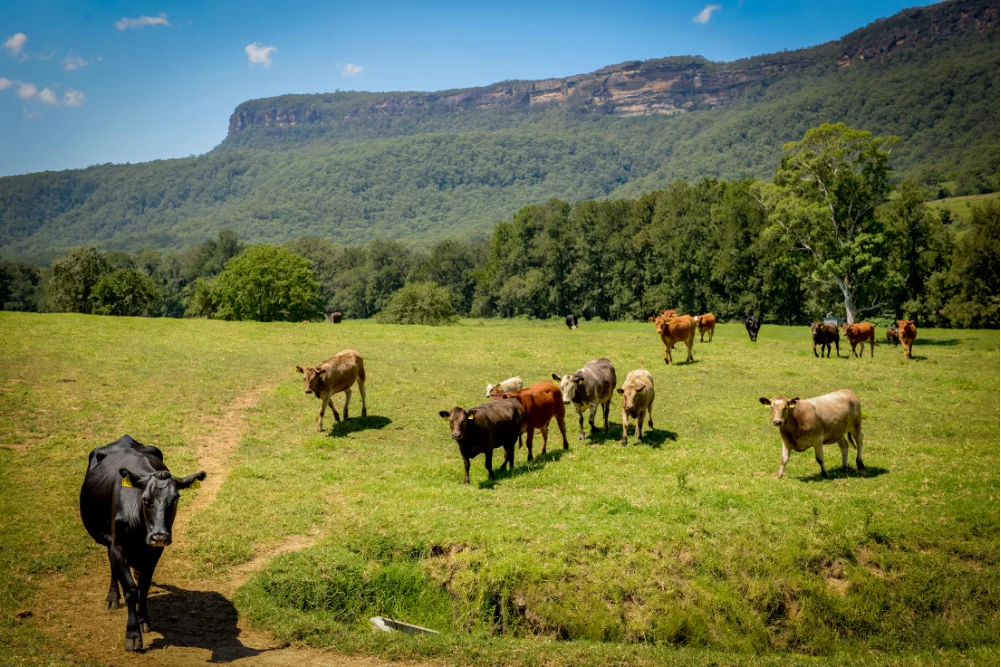
The Shoalhaven region, a coastal and hinterland expanse located approximately two hours south of Sydney and two-and-a-half hours east of Canberra, has increasingly positioned itself as a premier destination for wellness tourism and sustainable travel. Boasting a unique geographical profile where 70 percent of the land is comprised of national parks and forests, the region includes over 100 beaches and a diverse array of ecosystems. This natural abundance serves as the foundation for a growing sector of the local economy dedicated to restorative practices, "slow travel," and farm-to-table gastronomy. As urban populations seek reprieve from the acceleration of modern life, the Shoalhaven offers a structured environment for reconnection through movement, mindfulness, and creative engagement.
The Evolution of Regional Wellness Tourism
Wellness tourism is no longer a niche market but a significant driver of regional development in Australia. According to data from the Global Wellness Institute, the wellness tourism sector has seen a consistent upward trajectory, with travelers increasingly prioritizing mental health and physical rejuvenation. In the Shoalhaven, this trend is manifested in the emergence of specialized facilities that blend traditional hospitality with therapeutic modalities.
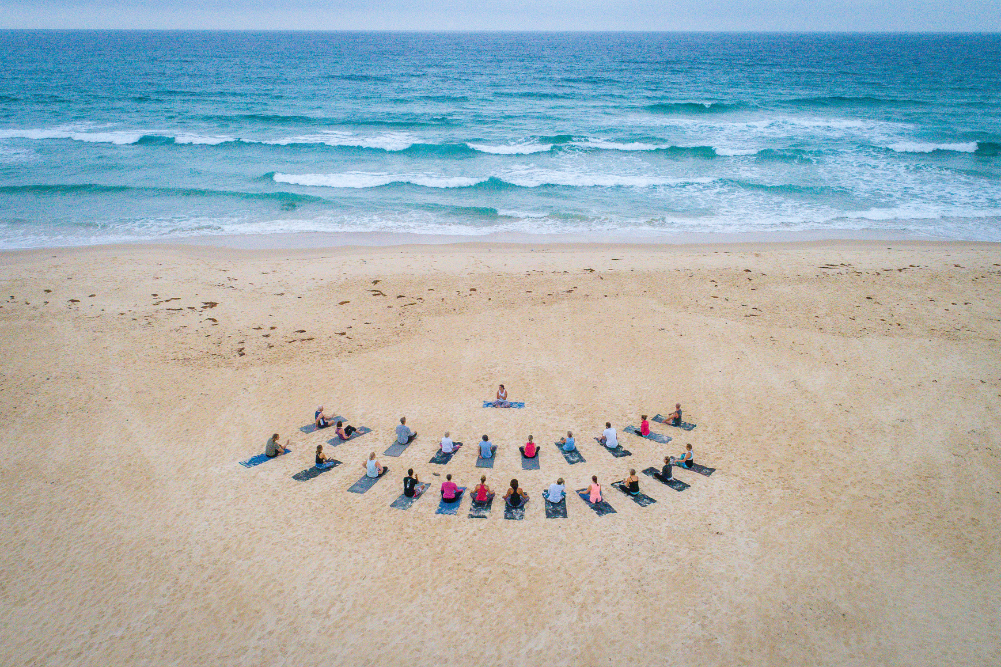
A primary example is The Heal Zone, located on the periphery of Milton. Opened in December 2024 by founders Madi and Nic, the facility overlooks the Conjola National Park. The establishment represents a modern shift toward integrated health, offering a 90-minute curriculum that combines mobility exercises, breathwork, and thermal therapy (sauna and ice baths). The facility’s methodology is rooted in the regulation of the nervous system, utilizing grounding exercises to mitigate the physiological effects of chronic stress. This development highlights a broader regional shift toward high-value, low-impact tourism that leverages the natural tranquility of the South Coast to attract visitors seeking more than traditional sightseeing.
Agricultural Sustainability and the Farm-to-Table Movement
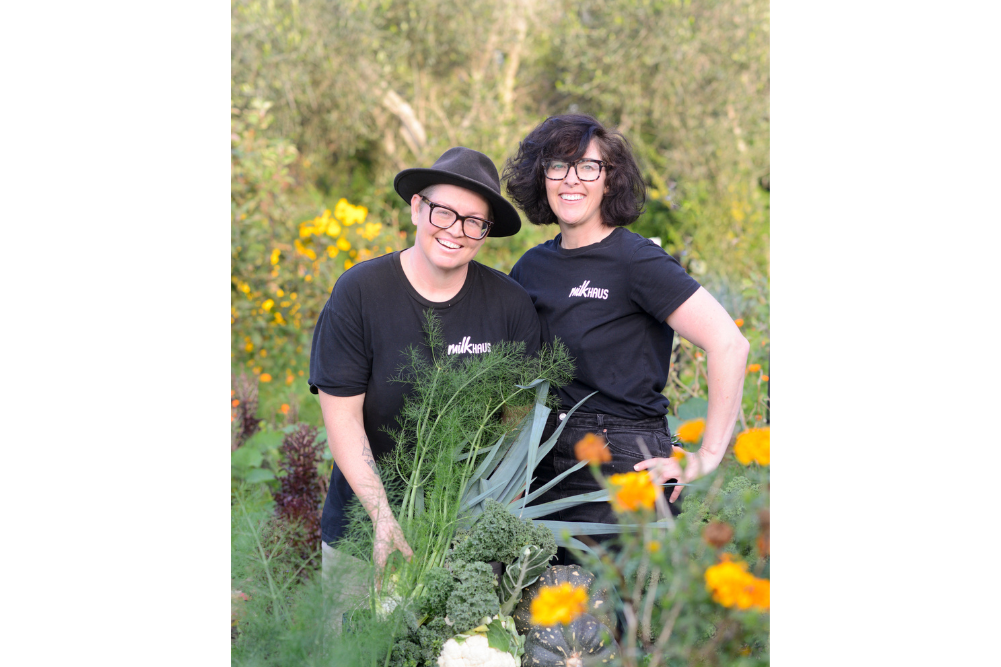
The town of Milton serves as a central hub for the region’s culinary innovation, particularly in the realm of regenerative agriculture and sustainable dining. Milkhaus, a prominent farm-to-table establishment, exemplifies the "slow food" movement. The restaurant operates on a rigorous nine-month planning cycle to align its menu with the seasonal output of its on-site gardens.
Currently, approximately 80 percent of the produce served at Milkhaus is grown on the premises, with the remainder sourced from local producers. This hyper-local supply chain reduces the carbon footprint associated with food transport and ensures a high degree of nutrient density in the offerings. Notable seasonal dishes, such as 16-hour slow-cooked lamb shoulder and fruit-based desserts utilizing local peaches, demonstrate the culinary potential of the Shoalhaven’s fertile soils. This commitment to sustainability not only supports the local agricultural economy but also educates consumers on the importance of seasonal eating and land stewardship.
Ecological Conservation and Low-Impact Recreation in Kangaroo Valley
Moving inland, Kangaroo Valley presents a different ecological profile, characterized by dense rainforests and steep escarpments. The region is home to the Tallowa Dam and Morton National Park, areas that have become focal points for eco-conscious recreation. Tallowa Dam is specifically designated as a sanctuary free from motorboats, which preserves the acoustic environment and protects the aquatic ecosystem.
Valley Outdoors, a local operator, facilitates mindful canoeing experiences that emphasize environmental education over physical exertion. These excursions often include grounding sessions where participants engage in sensory observation of the local flora and fauna, including the azure kingfisher and various bird species endemic to the Shoalhaven. By integrating Indigenous heritage and local history into the experience, operators provide a deeper context for the land, fostering a sense of responsibility among visitors. This model of "quiet tourism" is essential for the long-term preservation of the Morton National Park’s biodiversity while allowing for sustainable human interaction with the wilderness.
The Intersection of Art, History, and Restoration
The Shoalhaven’s identity is also deeply intertwined with the arts, a legacy significantly bolstered by the Bundanon Trust. Originally the home of the late Australian artist Arthur Boyd and his wife Yvonne, the 1,000-hectare property was gifted to the Australian people in 1993. In recent years, Bundanon has undergone a $33 million transformation, including the opening of the Art Museum and the "Bridge" for creative learning and residential programs.
Bundanon serves as a cultural retreat where art and nature converge. The "Culture and Creation" programs, featuring prominent Indigenous artists such as Walbunja/Ngarigo storyteller Aunty Cheryl Davison, provide critical insights into the continuous connection between the First Nations people and the Shoalhaven landscape. Through mediums such as printmaking, weaving, and song, these programs ensure that the region’s cultural history remains a central pillar of its modern identity.
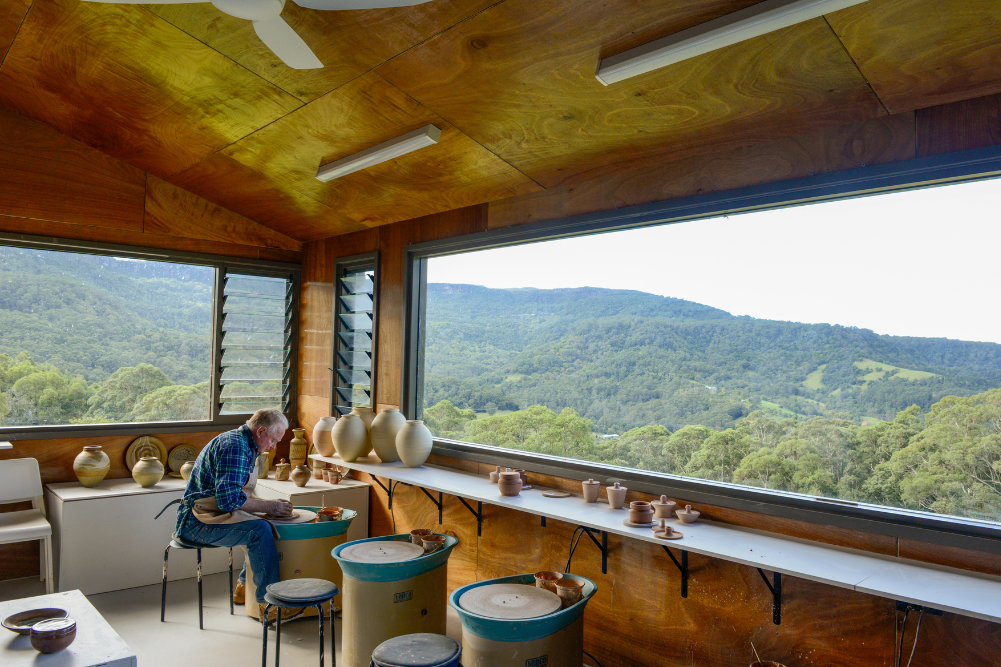
Furthermore, the region supports a vibrant community of independent artisans. In Berry, David Collins Pottery offers immersive workshops that focus on the tactile and meditative qualities of wheel-throwing. Such creative pursuits are increasingly recognized for their therapeutic benefits, providing a "flow state" that complements the physical wellness activities found elsewhere in the region.
Regional Economic Context and Future Outlook
The Shoalhaven’s shift toward wellness and sustainable tourism is a strategic response to both environmental challenges and changing consumer preferences. The region was significantly impacted by the 2019-2020 Black Summer bushfires, which affected large swathes of the national parks and local infrastructure. The subsequent recovery has been characterized by a "build back better" philosophy, focusing on resilience and high-quality tourism offerings that can withstand seasonal fluctuations.
Tourism Research Australia data indicates that regional New South Wales has seen a robust recovery in domestic overnight travel. For the Shoalhaven, the focus on wellness and "slow travel" allows the region to capture a segment of the market that tends to stay longer and spend more per visit compared to traditional day-trippers. This economic model is more sustainable for local businesses, such as Wildes Boutique Hotel in Kangaroo Valley or The General Cafe, which rely on a steady stream of visitors interested in authentic, high-quality experiences.
The integration of high-end accommodation, such as the studio suites at Wildes Boutique Hotel—which feature amenities designed for relaxation like deep-soak bathtubs—with local gastronomic experiences like Wildes Dining, creates a cohesive tourism product. The hotel’s focus on providing a "sanctuary" environment aligns with the broader regional objective of fostering rest and reconnection.
Implications for the Future of Regional Travel
The Shoalhaven’s successful integration of natural beauty, wellness modalities, and cultural depth provides a blueprint for other regional areas in Australia. The implications of this trend are twofold:
First, it demonstrates the viability of conservation-led tourism. By protecting its 70 percent forest cover and 100 beaches, the Shoalhaven has created a "natural capital" that attracts investment and visitors. The strict adherence to environmental standards in places like Tallowa Dam ensures that the very assets drawing tourists are not degraded by over-use.
Second, it highlights the importance of cultural authenticity. The inclusion of Indigenous voices and the preservation of the Boyd legacy at Bundanon ensure that the Shoalhaven is not just a scenic backdrop, but a place with a profound and respected history. This depth of experience is what modern travelers increasingly seek—a sense of place that goes beyond the aesthetic.
In conclusion, the Shoalhaven region has successfully transitioned into a multifaceted destination that addresses the physical, mental, and creative needs of its visitors. Through the efforts of local entrepreneurs in Milton, the conservation-minded guides in Kangaroo Valley, and the cultural custodians at Bundanon, the region offers a comprehensive ecosystem of restoration. As the wellness economy continues to expand, the Shoalhaven is well-positioned to remain a leading example of how regional Australia can thrive by prioritizing sustainability, heritage, and the well-being of both its residents and its guests. For those seeking to navigate the complexities of modern life, the rolling hills and quiet waters of the South Coast offer more than just a weekend away; they provide a necessary space for the essential work of slowing down.




 Budi Mulyono
 Anjar Salim
 Chandra Hamzah
 Tatiana Tantri Indah Sari

 Lukman Taruna Persada Ramadan