
 Anjar Salim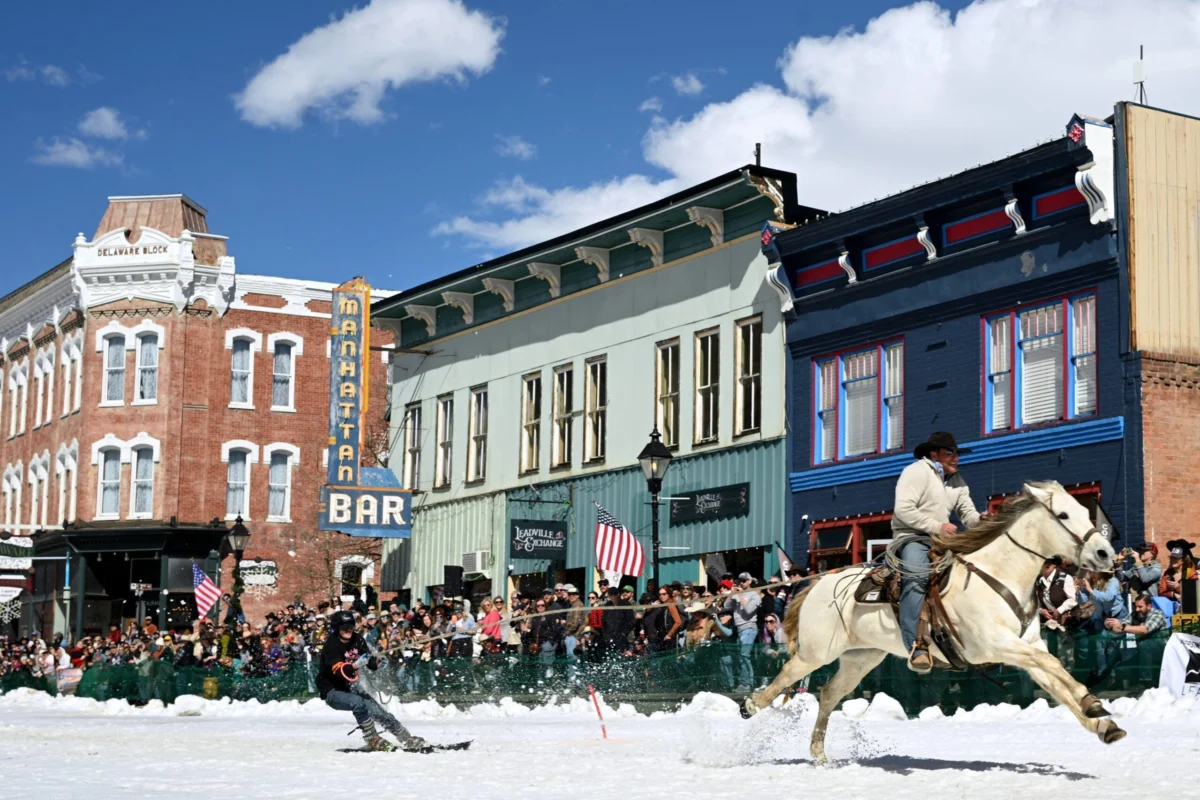
The economic and cultural landscape of winter tourism in North America has long been dictated by a familiar roster of marquee destinations. Year after year, legacy resort towns such as Jackson Hole, Telluride, Park City, Aspen, and Stowe dominate industry rankings, luxury real estate portfolios, and consumer travel aspirations. While these world-class destinations have unquestionably earned their reputations through sprawling terrain networks, high-speed lift infrastructure, and Michelin-starred dining, they represent only a fraction of the continent’s alpine footprint.
Today, a shifting demographic of winter travelers—motivated by ballooning lift ticket prices, overcrowded base villages, and a growing desire for authentic cultural immersion—is looking elsewhere. For those seeking shorter lift lines, lower costs, and a more genuine connection to local communities, a secondary tier of mountain towns offers an increasingly compelling alternative. These destinations, stretching from the rugged peaks of the Rocky Mountains to the shores of Lake Michigan and the high desert of Oregon, are defined by working-class histories, independent economies, and a distinct lack of cookie-cutter resort development.
The Economic and Cultural Shift in Modern Ski Tourism
The pivot toward underrated ski towns is not merely a lifestyle preference; it is a measurable economic trend within the outdoor recreation industry. Over the past decade, corporate consolidation of major ski resorts through multi-mountain pass products like the Epic and Ikon passes has dramatically increased skier visits at flagship destinations. While these passes have democratized access for frequent skiers across multiple resorts, they have simultaneously concentrated visitor volume into a handful of famous geographic hubs.
According to data compiled by the National Ski Areas Association (NSAA), total skier visits in the United States reached historic highs in recent seasons, eclipsing 60 million visits nationwide. However, this growth has placed unprecedented strain on infrastructure in traditional destination towns, leading to severe traffic congestion, inflated lodging rates, and capacity constraints on weekends and holidays.
In response, regional travelers and destination skiers alike are redirecting their tourism dollars toward independent ski areas and historic mountain communities. These locales offer a throwback to an earlier era of skiing—one where local thrift stores replace luxury boutiques, mom-and-pop diners outnumber corporate coffee chains, and residents outnumber tourists on the slopes. Examining these seven distinct towns reveals how secondary alpine destinations are managing this renewed interest while preserving their unique cultural fabric.
1. Red Lodge, Montana: Scrappy Terrain Meets Beartooth Adventure
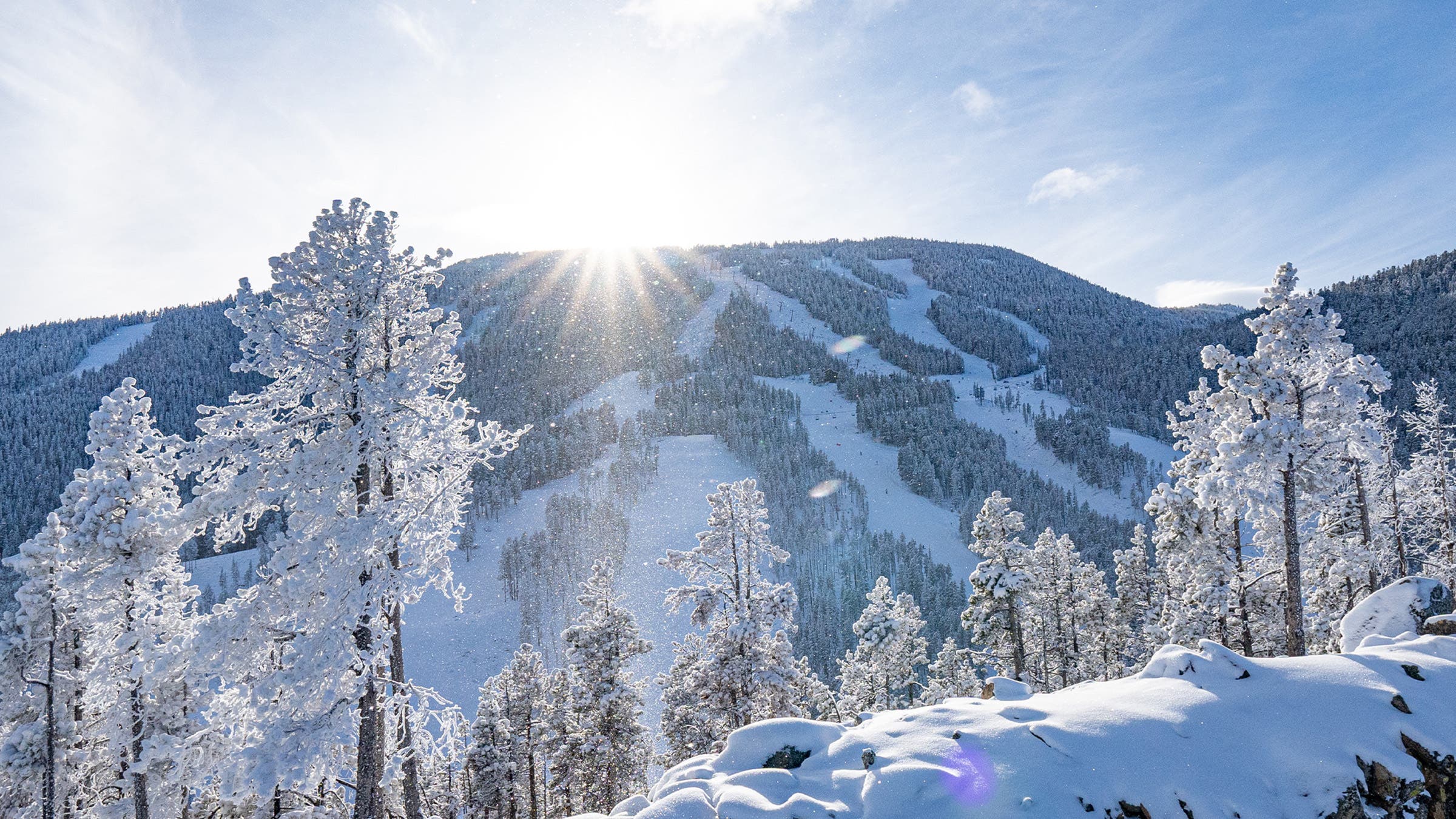
Nestled against the absinthe-green foothills of the Beartooth Mountains, Red Lodge, Montana, operates entirely outside the gravitational pull of the state’s massive commercial ski hubs like Big Sky and Whitefish. Located approximately 2.5 hours east of Bozeman, Red Lodge has deliberately resisted the hyper-development seen elsewhere in the Northern Rockies.
The town’s historic Main Street, established during late-19th-century coal mining booms, features preserved Western-style storefronts, unpretentious dive bars, independent art galleries, and community cafes. Just six miles up the road lies Red Lodge Mountain, a ski area celebrated by regional enthusiasts for its steep, challenging terrain glades and remarkably uncrowded chairlifts.
Local economic development officials note that Red Lodge’s proximity to the northeast entrance of Yellowstone National Park and the seasonally closed Beartooth Highway positions it as a year-round gateway for outdoor recreation. Yet, winter remains a distinct season of quiet endurance. Skiers can carve down the mountain’s varied fall lines all morning and return to a town that feels authentically rooted in Montana’s working-class heritage, completely insulated from the ultra-luxury resort culture dominating other parts of the state.
2. Ruidoso, New Mexico: Southwestern Charm and High-Desert Alpine Access
Challenging the conventional geography of American ski towns, Ruidoso, New Mexico, offers an unexpected synthesis of Southwestern high-desert culture and alpine recreation. Situated in the Sacramento Mountains roughly five hours south of Taos, Ruidoso functions primarily as a laid-back mountain community that happens to sit in proximity to a major winter sports asset: Ski Apache.
Operated in partnership with the Mescalero Apache Tribe, Ski Apache boasts the southernmost gondola in the United States and offers surprisingly technical terrain accompanied by sweeping views of the surrounding desert basins. Despite its unique geographic profile, Ruidoso remains relatively unknown to national ski travelers, keeping lift lines short and lodging rates accessible.
The village itself is characterized by an eclectic mix of Pueblo Revival and log-cabin architecture, local art galleries, tribal casinos, and craft breweries. Adding to its distinct charm, wild elk frequently wander through residential streets and commercial districts, reinforcing the town’s harmonious integration with its natural surroundings. For skiers seeking a cultural departure from the standard alpine aesthetic, Ruidoso provides a distinct New Mexican winter experience.
3. Waitsfield, Vermont: Independent Spirit in the Mad River Valley
While New England boasts several heavily commercialized ski hubs, Waitsfield, Vermont, stands as a testament to the fiercely independent spirit of the Mad River Valley. Anchored by two legendary ski areas—Mad River Glen and Sugarbush—Waitsfield offers some of the most challenging and celebrated terrain on the East Coast without sacrificing its rural Vermont character.
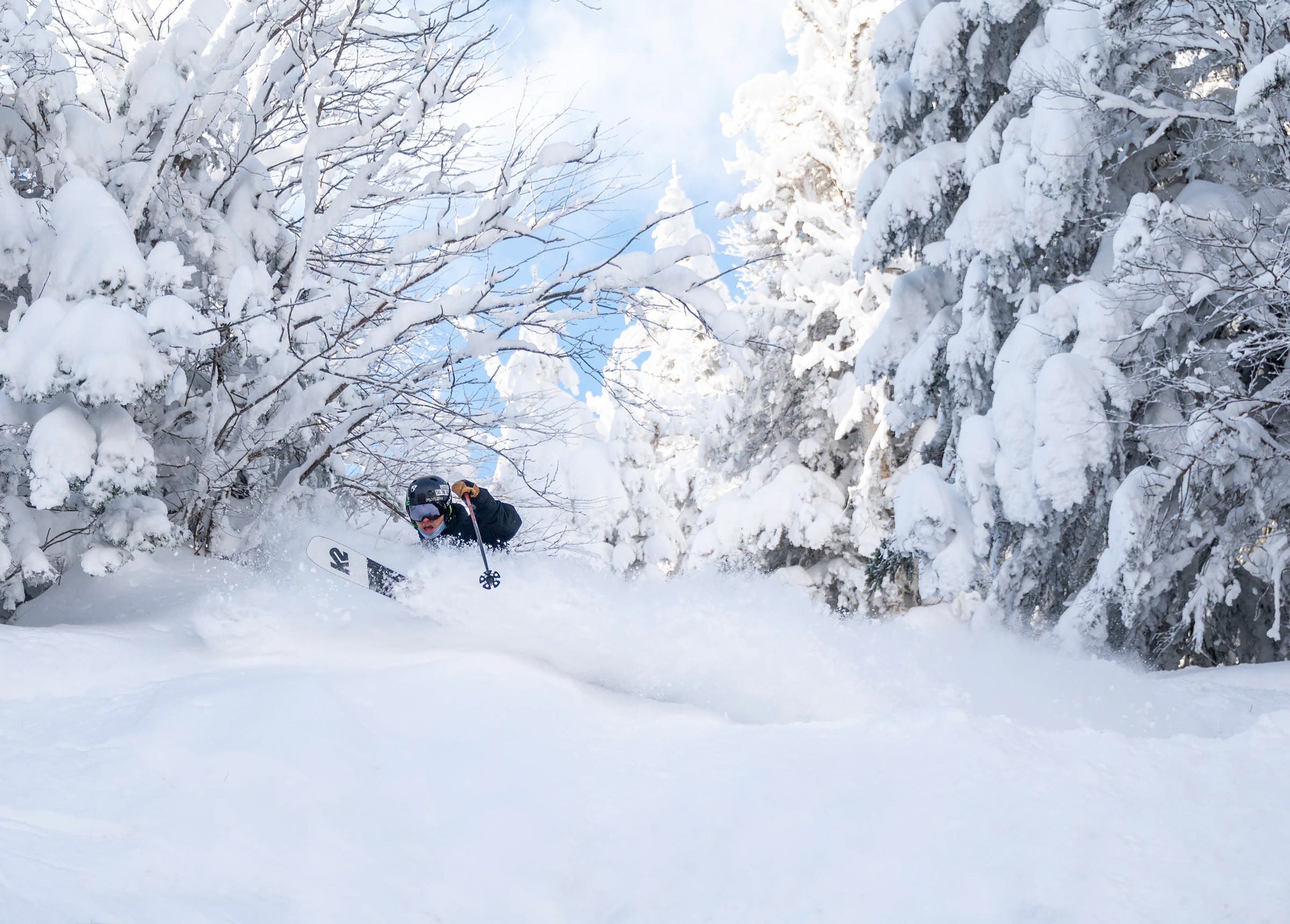
Mad River Glen, famously owned in part by a cooperative of skiers, maintains a strict skier-owned ethos that famously prohibits snowboarding, prioritizing preservation of the mountain’s natural contours and legendary tree stashes. Sugarbush, by contrast, offers a more comprehensive modern resort experience while remaining integrated into the broader agricultural and cultural life of the valley.
The townscape of Waitsfield is defined by covered bridges, 19th-century white-steepled churches, and working family farms rather than high-rise condominiums. Local business owners and municipal leaders have long prioritized strict zoning laws to prevent strip-mall sprawl, ensuring that the influx of winter tourists supports local artisans, farm-to-table restaurants, and independent gear shops.
4. McCall, Idaho: A Multi-Dimensional Winter Wonderland
Located on the shores of Payette Lake in Valley County, McCall, Idaho, operates as a comprehensive winter playground that defies simple categorization. Dominated by Brundage Mountain—renowned among powder enthusiasts for receiving over 300 inches of dry Idaho snow annually on uncrowded runs—McCall offers a compelling alternative to Sun Valley or neighboring resort developments.
Beyond alpine skiing at Brundage and nearby Tamarack Resort, McCall transforms the frozen expanse of Payette Lake into a hub for Nordic skiing, snowmobiling, ice fishing, and winter sports competitions. The region is also home to numerous natural hot springs tucked into the surrounding Payette National Forest, providing post-ski recovery options for outdoor adventurers.
Culturally, McCall anchors its winter identity in the annual McCall Winter Carnival, a decades-old tradition that draws regional visitors with elaborate snow sculptures, live music, and community celebrations. Despite offering world-class backcountry access and family-friendly amenities, McCall has successfully retained its identity as a working lumber and recreation town, avoiding the hyper-gentrification seen in other Pacific Northwest mountain enclaves.
5. Leadville, Colorado: High-Altitude History and Working-Class Grit
Perched at an elevation of 10,152 feet, Leadville, Colorado, holds the distinction of being the highest incorporated city in North America. This historic former silver-mining metropolis is defined by thin air, palpable Victorian-era architecture, and a rugged, unapologetically unpolished working-class character that sets it apart from neighboring Summit County resort towns.
While many skiers pass through Leadville on their way to Aspen via Independence Pass or to Vail and Copper Mountain, the city itself serves as an affordable, culturally rich base camp for winter travelers. Just a short drive away, Ski Cooper offers uncrowded, family-friendly terrain, augmented by adventurous snowcat skiing operations on nearby Chicago Ridge.
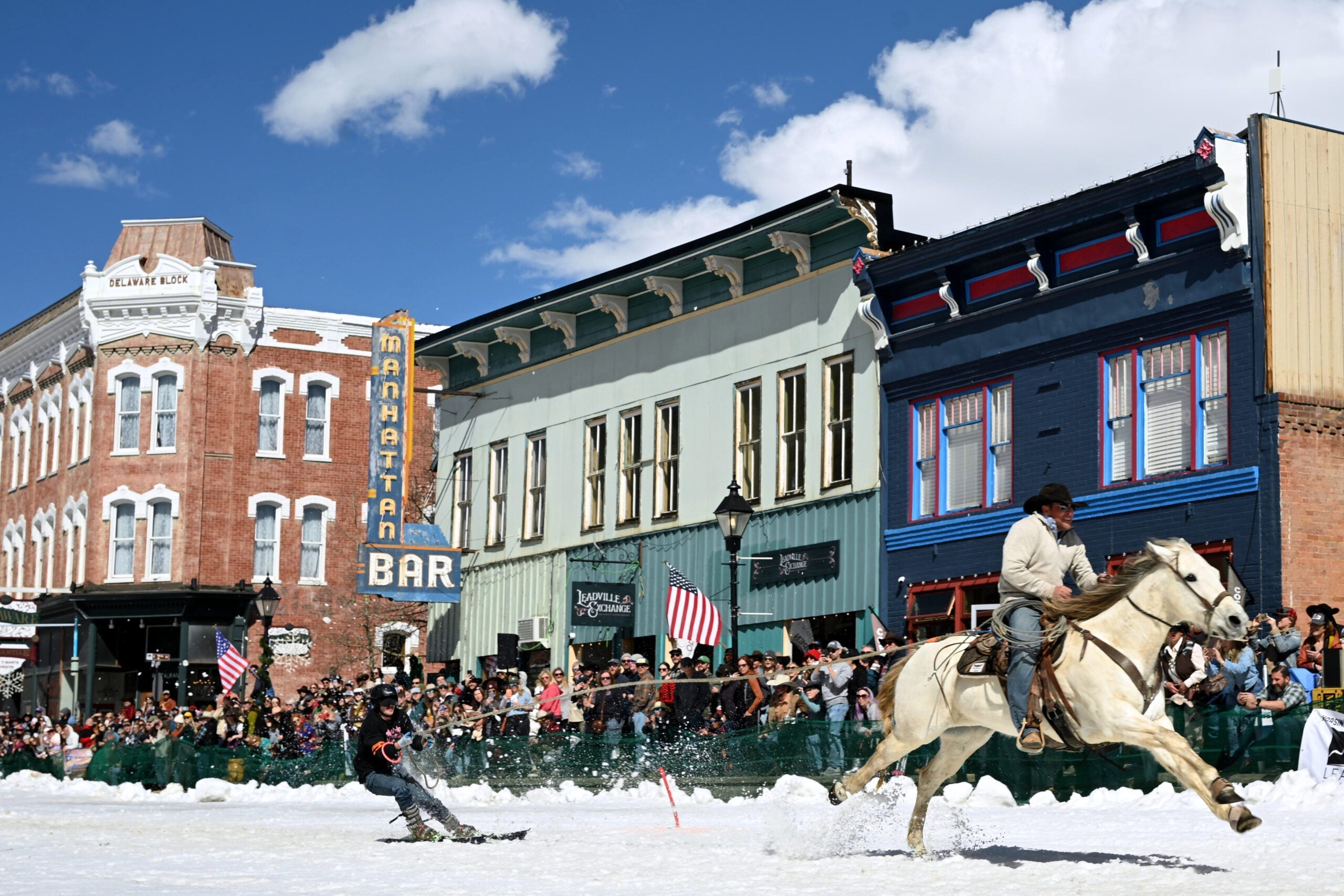
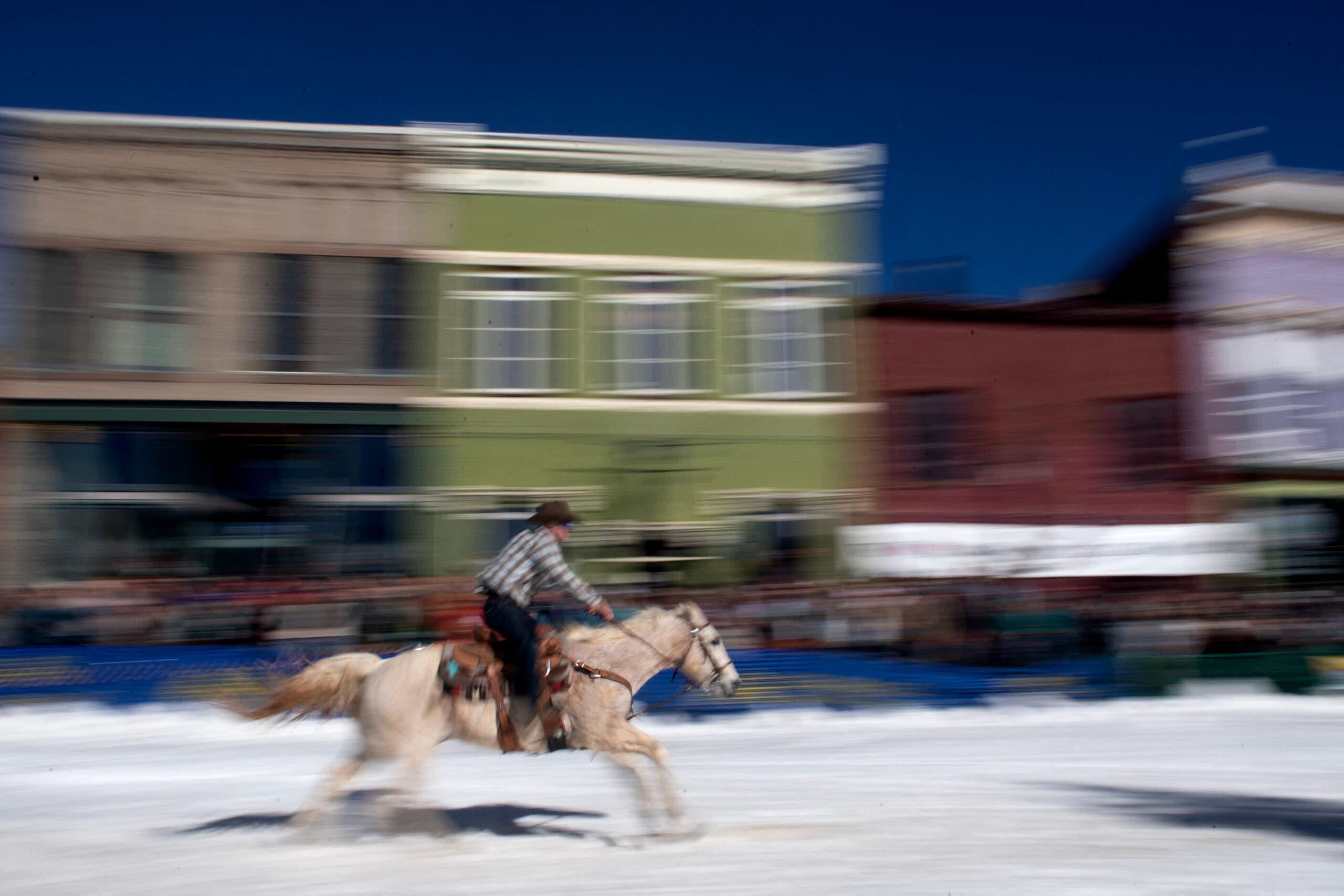
Leadville’s economy and civic identity are deeply tied to its industrial past. Historic landmarks, independent coffee shops, and local haunts line Harrison Avenue, alongside unique regional events such as the annual Leadville Ski Joring weekend, where horses pull skiers down the main thoroughfare at high speeds. For visitors prioritizing historical authenticity and affordability over slopeside convenience, Leadville presents a compelling counter-narrative to commercialized Colorado skiing.
6. Sisters, Oregon: Cascades Adventure with a Cinematic Old West Aesthetic
Situated on the eastern slope of the Cascade Range, Sisters, Oregon, projects a visual aesthetic reminiscent of a classic Western film set, complete with 1880s storefront-style facades, timber-built saloons, and independent craft shops. However, beneath its rustic exterior lies a sophisticated outdoor recreation culture and close proximity to some of the finest snow in the Pacific Northwest.
Located just a 30-minute drive from Hoodoo Ski Area—and within easy striking distance of Mount Bachelor—Sisters serves as a quiet alternative to the bustling resort villages of Bend. Hoodoo offers old-school, family-friendly skiing with minimal lift lines and abundant snowfall characteristic of the Cascade volcanic range.
Community leaders in Sisters have maintained strict architectural design guidelines for the downtown district, preserving its visual integrity while fostering a vibrant culinary and craft beverage scene. The town offers travelers the opportunity to experience serious winter sports access while staying in a community that functions as a real, year-round Oregon town rather than a dedicated resort enclave.
7. Harbor Springs, Michigan: A Midwest Haven on Little Traverse Bay
Proving that world-class winter getaways are not exclusive to the Rocky Mountains or New England, Harbor Springs, Michigan, offers a refined yet unpretentious alpine experience on the shores of Little Traverse Bay. While northern Michigan is widely celebrated as a summer tourism destination, the winter months reveal a quiet, snow-draped sanctuary centered around two premier ski areas: Nub’s Nob and The Highlands (formerly Boyne Highlands).
Both ski areas consistently rank among the best in the Midwest for snowmaking, grooming, and family programming, drawing regional skiers from across Michigan, Ohio, and Indiana. Harbor Springs itself provides a picturesque historic downtown featuring Victorian-era architecture, independent boutiques, art galleries, and waterfront dining options.
For families and regional travelers seeking a low-key winter trip, Harbor Springs provides all the essential amenities of a traditional ski vacation—lodging, dining, and après-ski infrastructure—paired with shorter travel times and a deep-rooted local community that thrives long after the summer crowds depart.
Broader Implications for the Future of Winter Travel
The enduring appeal of these seven underrated ski towns points to a broader evolution in consumer preferences within the travel and hospitality sectors. As major destination resorts face mounting scrutiny regarding environmental sustainability, housing affordability for local workforces, and visitor capacity, secondary markets are absorbing a vital segment of the tourism economy.
Industry analysts suggest that the growth of these lesser-known alpine communities helps distribute the economic benefits of winter tourism more equitably across rural regions, supporting small businesses, historic preservation initiatives, and independent recreation infrastructure. For travelers willing to trade high-speed base village gondolas for authentic community engagement and uncongested slopes, these seven destinations demonstrate that the heart of North American skiing remains vibrant, diverse, and surprisingly undiscovered.

 Chandra Hamzah
 Tatiana Tantri Indah Sari
 Budi Mulyono
 Lukman Taruna Persada Ramadan