
 Anjar Salim
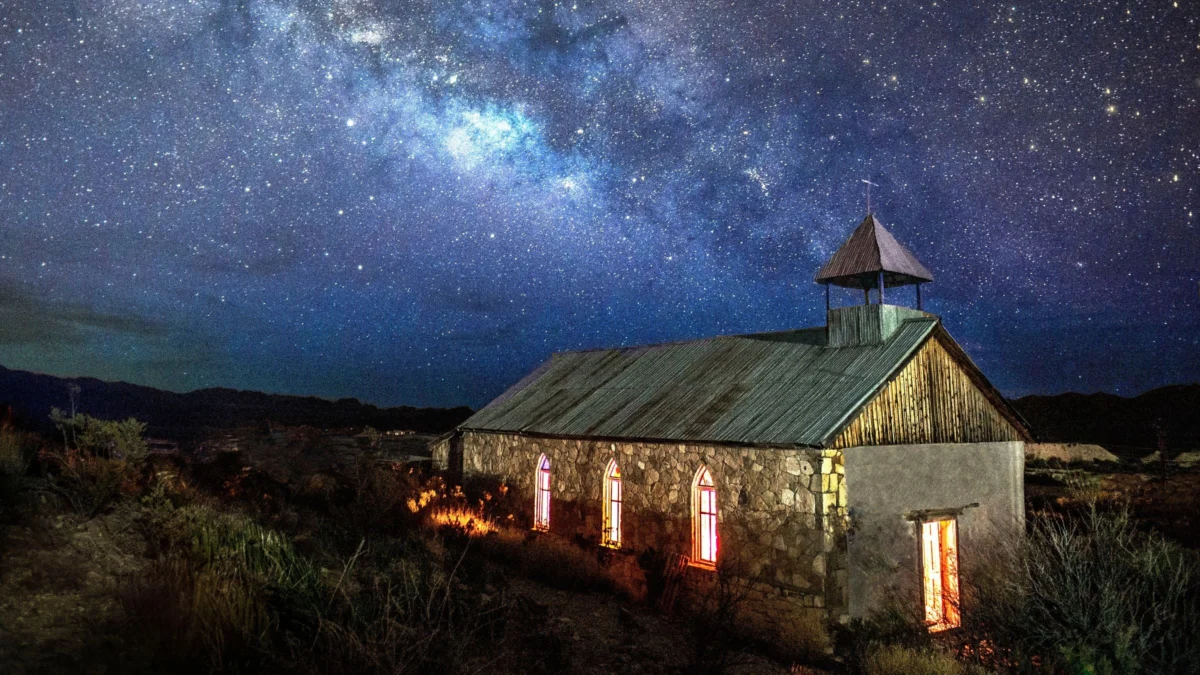
The allure of the American frontier has long drawn travelers to the skeletal remains of nineteenth-century mining camps and boomtowns. While millions of tourists visit sites like Garnet, Montana, or Calico, California, during daylight hours to photograph weathered clapboards, rusted mining machinery, and antique storefronts, a growing demographic of travelers is seeking a deeper, more immersive historical experience. Rather than retreating to luxury resorts or modern hotels at dusk, these adventurous visitors are opting to stay behind after the gates close, securing overnight accommodations within the boundaries of America’s most famous ghost towns.
This trend reflects a broader shift in cultural tourism toward experiential travel and historical preservation. Land management agencies, state parks, and private concessionaires increasingly offer overnight stays in restored miners’ cabins, historic hotels, and desert bunkhouses. From the high-altitude winters of the Montana Rockies to the scorching expanses of the Chihuahuan Desert in Texas, these overnight opportunities allow modern visitors to experience the profound isolation, stillness, and stark environmental conditions that once defined frontier life.
The Preservation and Evolution of America’s Boomtowns
The physical survival of America’s ghost towns is an anomaly driven by specific economic, geographic, and preservationist factors. Most boomtowns emerged rapidly following major mineral discoveries during the mid-to-late nineteenth century. Fueled by precious metal strikes—such as the gold discoveries in Bannack (1862) and Virginia City (1863), or silver finds in Calico (1881)—these settlements materialized overnight, only to experience catastrophic population collapse when mineral veins were exhausted or market conditions shifted.
Unlike urban centers that were continually modernized, many of these remote settlements were simply abandoned, leaving behind intact architectural snapshots of Victorian-era America. In some instances, private citizens took extraordinary measures to prevent total decay. During the 1940s, Montana ranchers Charles and Sue Bovey began acquiring historic properties in Virginia City and painstakingly reconstructing endangered structures from across the state in nearby Nevada City. Similarly, amusement park entrepreneur Walter Knott purchased the crumbling silver-mining town of Calico in 1951, stabilizing its structures before donating the site to San Bernardino County in 1966.
Today, these sites are managed through a patchwork of federal, state, and private entities, including the Bureau of Land Management (BLM), state park divisions, and historical societies. To maintain operational funding and foster public engagement, many of these jurisdictions have opened select historical structures to overnight guests.
Chronology of Selected Historic Ghost Towns Open for Overnight Stays
- 1862 (Bannack, Montana): The site of Montana’s first major gold strike on Grasshopper Creek. The settlement rapidly expanded to a population of approximately 3,000 by 1864, serving briefly as the territorial capital before a gradual population decline culminated in the departure of its final resident in 1984.
- 1863 (Virginia City & Nevada City, Montana): Established following gold discoveries in Alder Gulch. The twin settlements developed into major commercial hubs before transitioning into open-air museums and National Historic Landmarks.
- 1881 (Calico, California): Founded as a silver-mining town in the Mojave Desert, producing millions in silver ore before economic decline set in during the 1890s. The town was rescued and restored in the mid-twentieth century.
- Late 19th Century (Terlingua, Texas): Sprang up around quicksilver mining operations in the remote Chihuahuan Desert. The settlement experienced severe economic contraction by the mid-twentieth century before private preservation efforts began restoring the historic district in the 1980s.
- 1898 (Garnet, Montana): Reached its peak population of roughly 1,000 residents following a rich ore strike by miner Sam Ritchey. The town declined steadily through the early twentieth century, eventually coming under the stewardship of the BLM as a protected historic site.
Comprehensive Overview of Overnight Ghost Town Destinations
Bannack State Park, Montana
Located in Beaverhead County, Bannack offers visitors a remarkably intact look at Montana’s early territorial history. Because the town’s last resident did not depart until 1984, many structures retain mid-twentieth-century interior elements alongside nineteenth-century architecture. Park recreation manager Christen Grohusky notes the unique historical imbalance of the early settlement, which was populated primarily by male prospectors during the height of the gold rush.
Visitors can camp just outside the ghost town at two designated campgrounds featuring 24 sites. During the winter months, when temperatures drop significantly, visitors frequently utilize the frozen dredge pond on Grasshopper Creek for ice skating, blending recreational access with historical exploration.
Berlin-Ichthyosaur State Park, Nevada
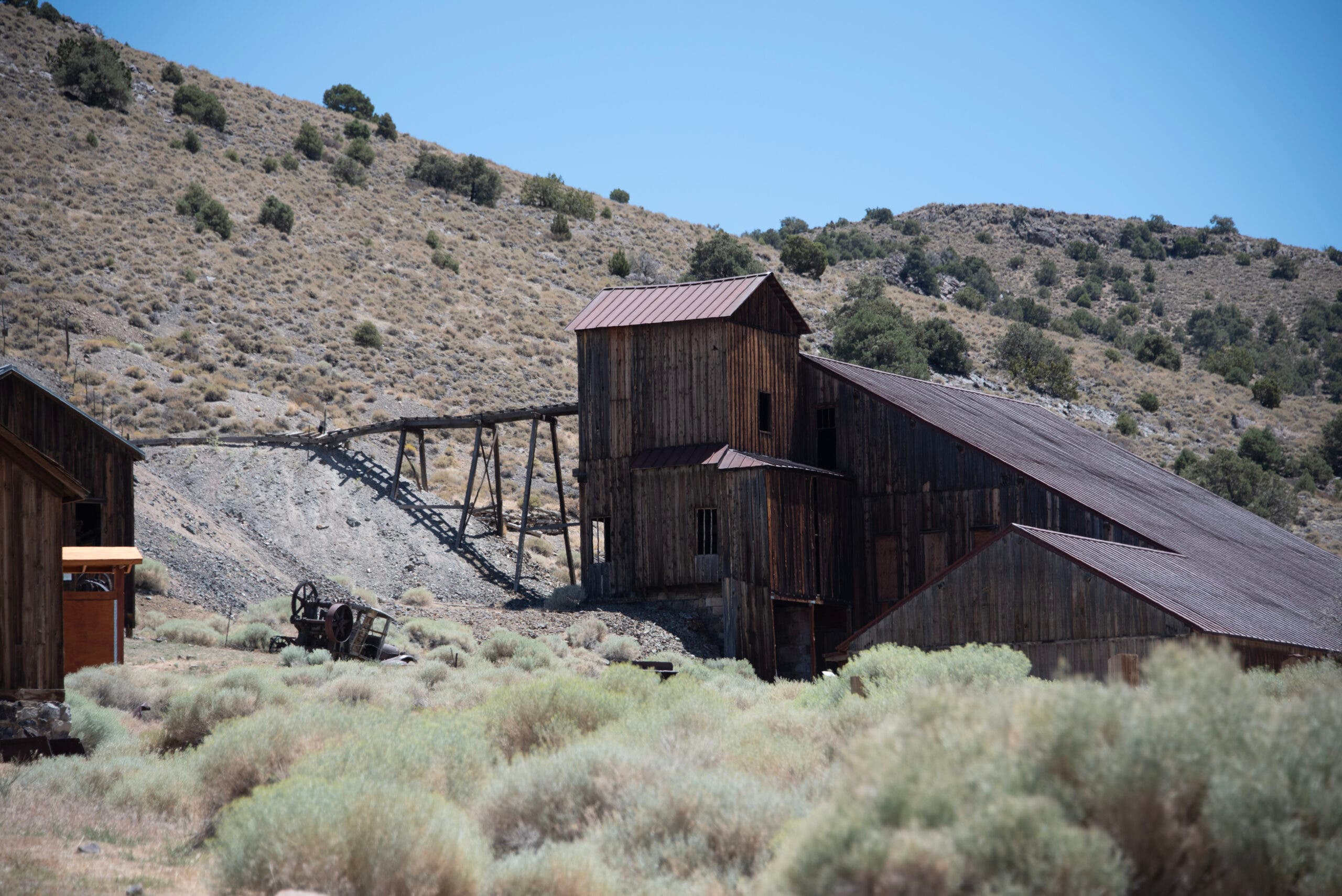
Situated in Nye County within the Shoshone Mountains, this dual-purpose park preserves both the industrial legacy of the Berlin Mine—which yielded substantial gold ore from extensive subterranean networks—and the nation’s largest concentration of Triassic-era ichthyosaur fossils. Tyler Kerver of the Nevada Division of State Parks highlights the sensory experience of the site, characterized by high-desert juniper landscapes and the lingering aroma of nineteenth-century timber used in historic mill structures. The park maintains 14 campsites capable of accommodating both tent campers and RVs, allowing visitors to remain on-site after park day-trippers depart.
Virginia City and Nevada City, Montana
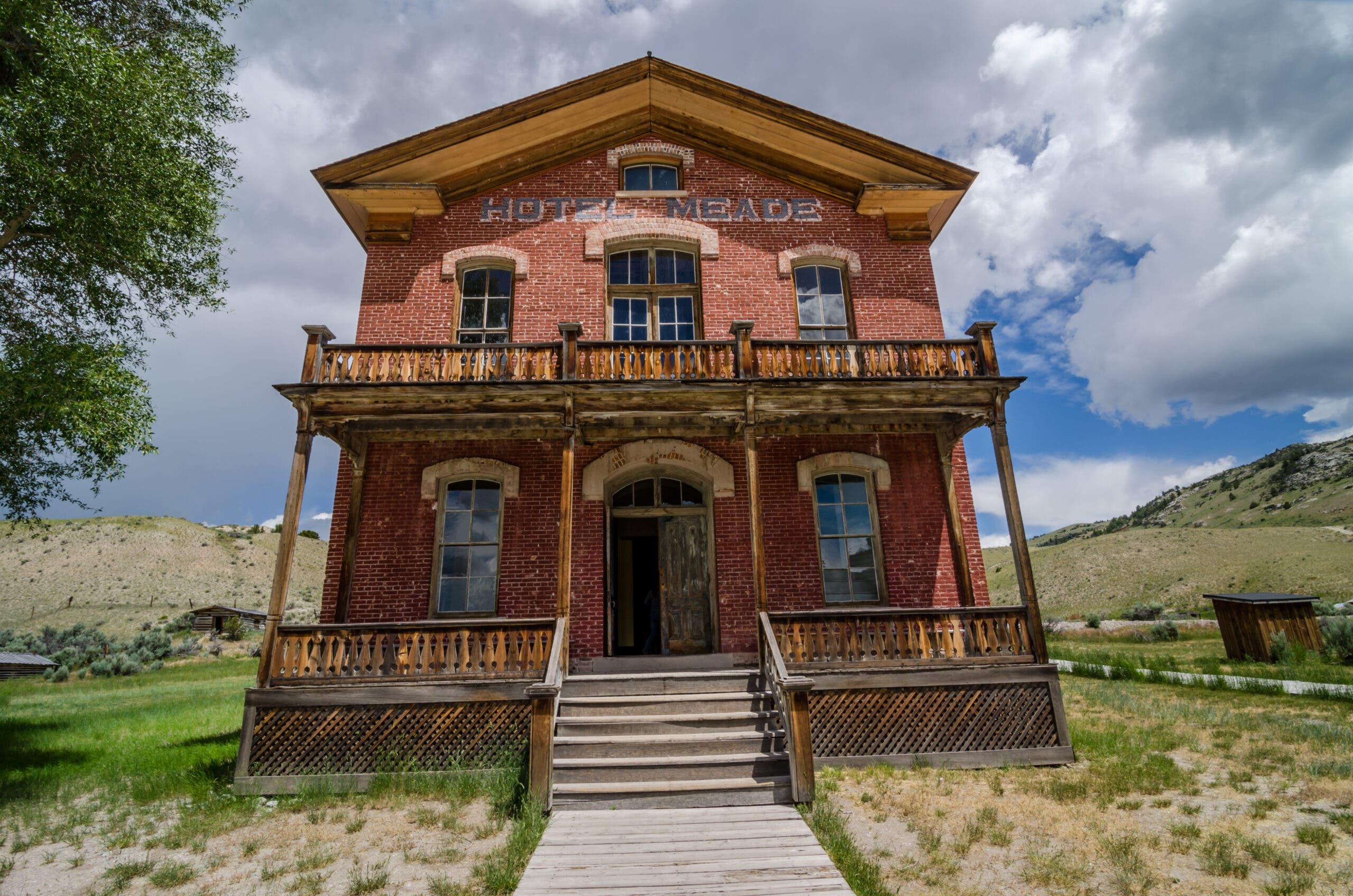
Positioned along Alder Gulch, these adjacent historic settlements preserve one of the most comprehensive collections of Gold Rush architecture in the American West. Becky DiGiovanna, concessionaire for local historic accommodations, notes that the outdoor museum in Nevada City houses one of the largest assemblages of Old West artifacts outside of the Smithsonian Institution.
Unlike completely abandoned settlements, Virginia City and Nevada City function as living history hubs. Nevada City features 18 historic cabins available for year-round rental. While structurally evocative of the nineteenth-century frontier, these lodgings are fully modernized with contemporary plumbing, heating, and Wi-Fi infrastructure, bridging the gap between historical immersion and modern hospitality.
Calico Ghost Town Regional Park, California
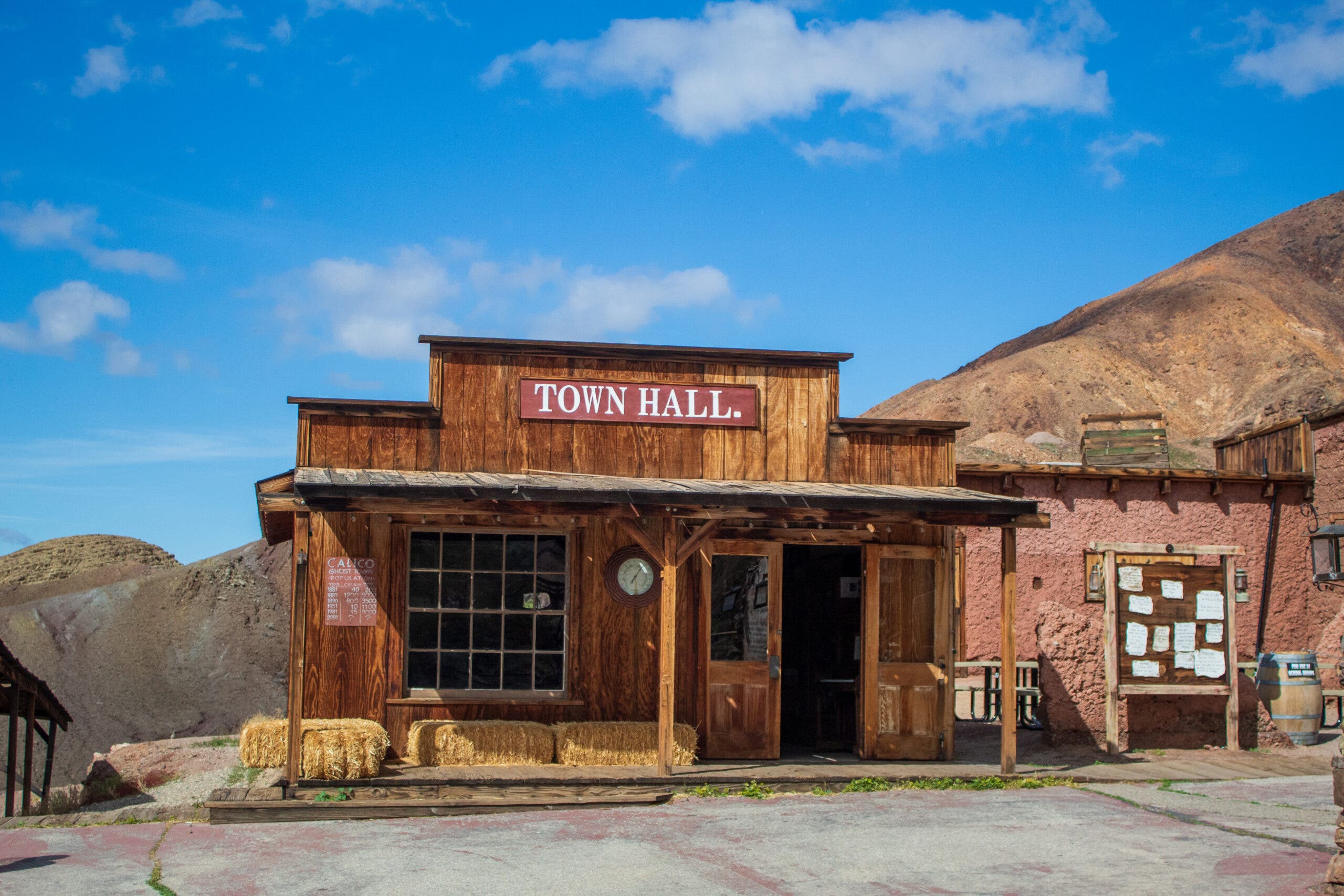
Managed by San Bernardino County, Calico represents a unique intersection of authentic mining history and mid-century entertainment culture. Following its rescue by Walter Knott in 1951, the former silver-mining town was intentionally styled to reflect both its frontier origins and a showman’s aesthetic. The park provides extensive camping and RV hookups, alongside a multi-bed bunkhouse capable of hosting up to 20 guests. This group accommodation model allows visitors to experience the park’s evening programming, which includes guided ghost tours and historical reenactments.
Terlingua Ghost Town, Texas
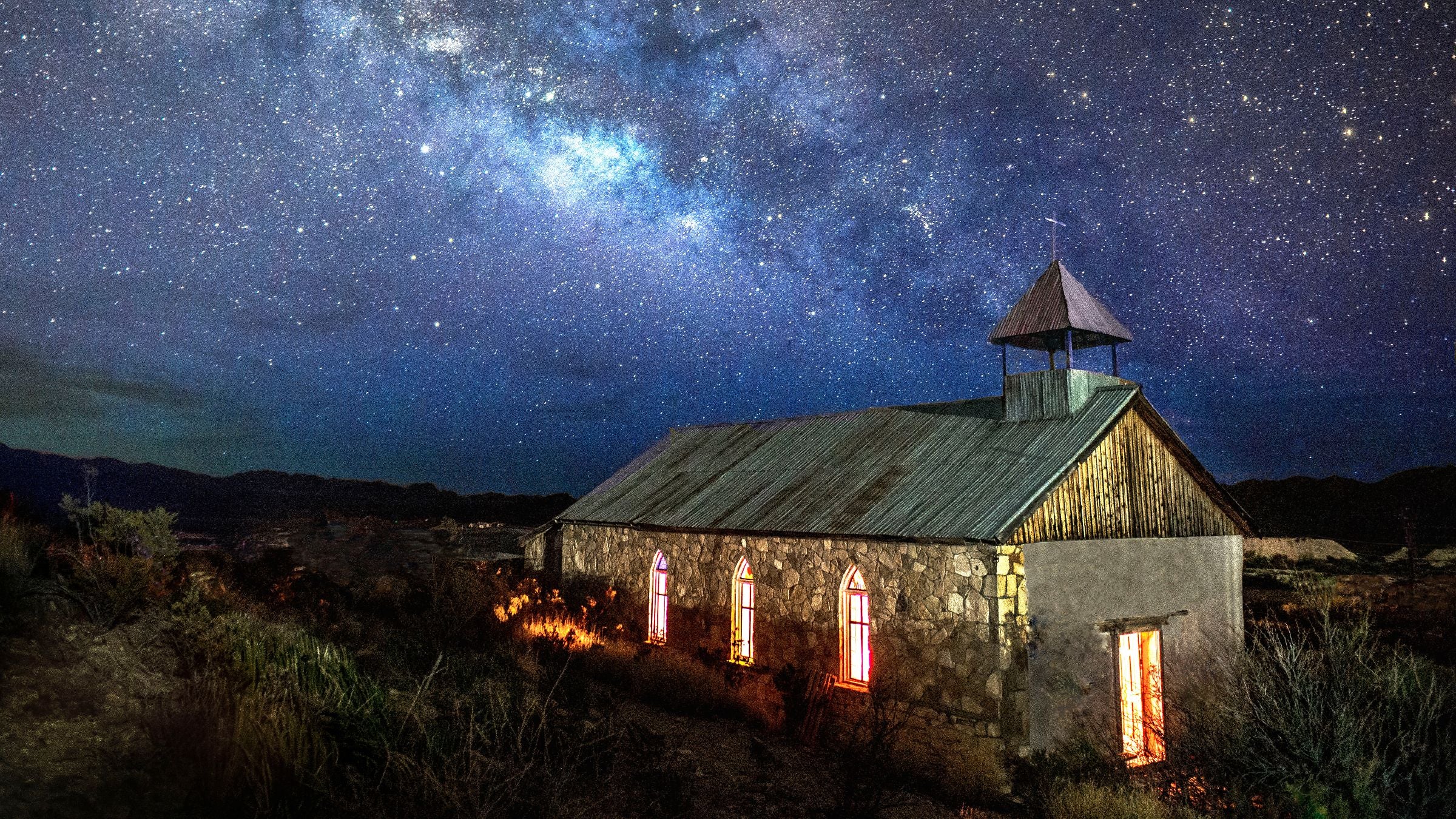
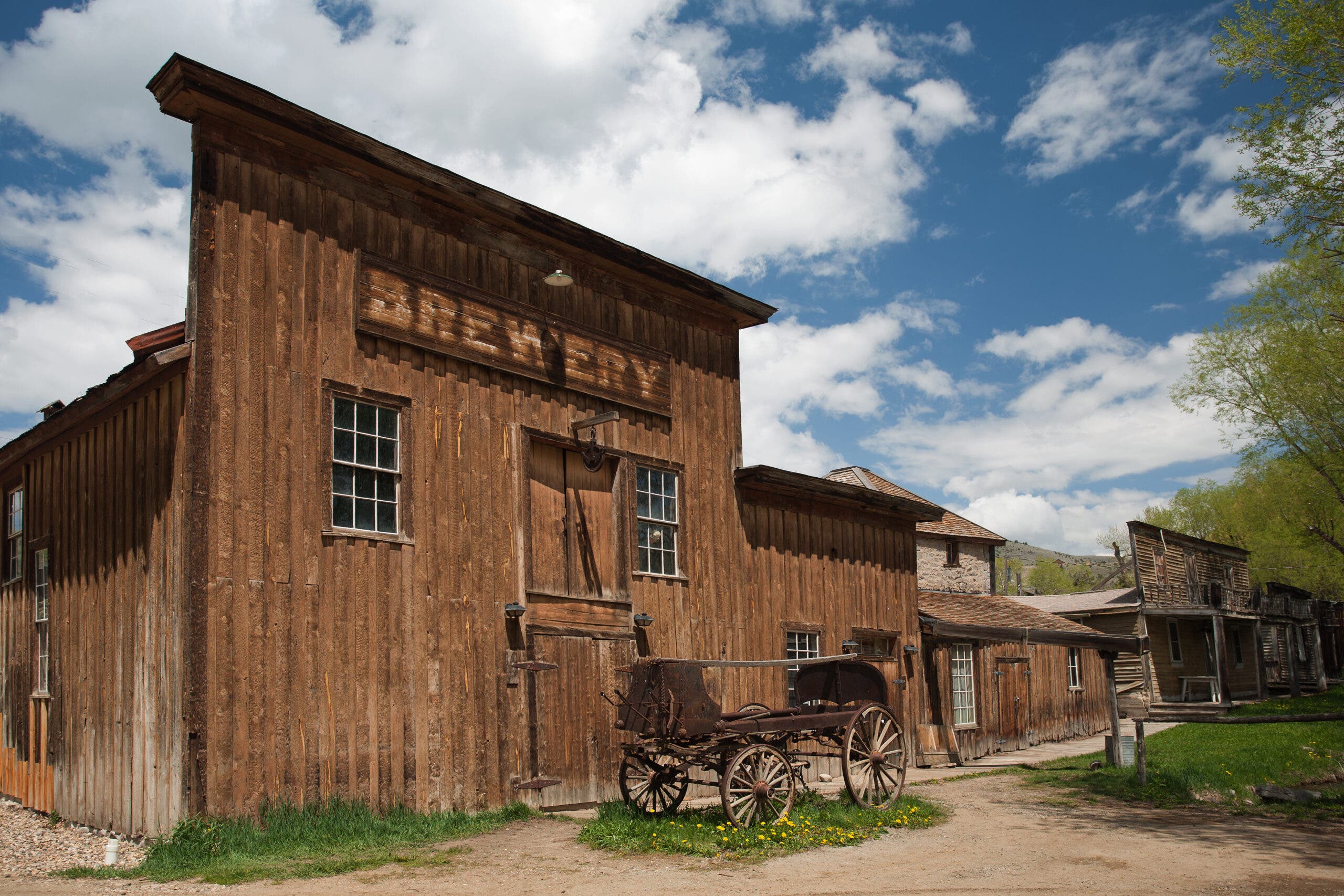
Positioned in the Trans-Pecos region of West Texas immediately adjacent to Big Bend National Park, Terlingua developed around the Chisos Mining Company’s quicksilver extraction operations. Jessica Massey, manager of the Big Bend Holiday Hotel, emphasizes that the primary draw of modern Terlingua is its extreme geographic isolation and natural scenery, centered around the Chisos Mountains. Preservationist Bill Ivey initiated restoration efforts in the 1980s, transforming abandoned ruins into boutique lodgings, including the historic Perry Mansion. Accommodations range from restored stone dwellings to modern desert yurts, catering to travelers seeking quietude and uninterrupted desert vistas.
Garnet Ghost Town, Montana
Tucked into the Garnet Range approximately 30 miles east of Missoula, Garnet represents a frozen moment in late-nineteenth-century mining history. Following its peak in 1898, the town gradually emptied as mining became unprofitable. Today, the Bureau of Land Management permits overnight stays during the winter months (December through January) via two primitive rental facilities: the Dahl Cabin and the McDonald Cabin. Priced accessibly at $50 per night, these cabins have no vehicular access during the winter season; guests must travel via snowmobile or cross-country skis. According to BLM officials, these winter rentals experience high demand, with weekend availability typically booking out months in advance through Recreation.gov.
Socioeconomic Implications and Future Outlook
The commercialization and public accessibility of historic ghost towns highlight a delicate balancing act for land managers and preservationists. On one hand, opening these remote settlements to overnight visitors generates essential revenue required for structural stabilization, artifact conservation, and site maintenance. On the other hand, increased human presence introduces risks of vandalism, structural wear, and environmental impact in fragile desert and alpine ecosystems.
Cultural resource managers utilize strict regulatory frameworks—such as permit caps, seasonal restrictions, and designated trail systems—to mitigate these risks while meeting public demand for immersive heritage tourism. As travelers increasingly seek out off-the-beaten-path destinations that combine historical education with recreational adventure, overnight stays in restored ghost towns are expected to remain a vital niche within the broader American tourism economy.




 Gabriela Annisa

 Lukman Taruna Persada Ramadan

 Tatiana Tantri Indah Sari


 Dwi Wanna
