
 Dwi Wanna
The traditional model of international travel, characterized by short-term visits to high-traffic landmarks and consumption-based tourism, is undergoing a significant transformation. As global mobility patterns shift, an increasing number of travelers are moving away from passive sightseeing in favor of extended, integrated experiences that prioritize economic participation and community contribution. This shift is being facilitated by specialized organizations that provide the logistical infrastructure—such as visa processing, job placement, and vetted volunteer coordination—necessary to navigate the complexities of long-term residence in foreign markets.
The Shift from Extractive Tourism to Sustainable Integration
For decades, international travel was largely defined by a "check-list" approach: arriving at a destination, utilizing guidebook-recommended services, and departing within a two-week window. Sociologists have long categorized this as "extractive tourism," where the visitor consumes local culture and infrastructure without establishing meaningful social or economic ties. While this model sustains the hospitality industry, it often leaves the traveler with a superficial understanding of the destination and provides limited long-term benefits to local populations.
In recent years, the rise of the "digital nomad" demographic attempted to bridge this gap by allowing remote workers to live abroad for months at a time. However, data suggests this lifestyle remains inaccessible to a large segment of the population, specifically those without remote-compatible careers or the necessary financial security to maintain a base while traveling. As a result, the market has seen a surge in demand for structured "working holiday" and volunteer programs. These initiatives provide the legal and logistical scaffolding for individuals to enter a local labor market, pay taxes, and engage with community-led initiatives, effectively moving the traveler from an observer to a participant.
Chronology and Development of Structured Mobility Programs
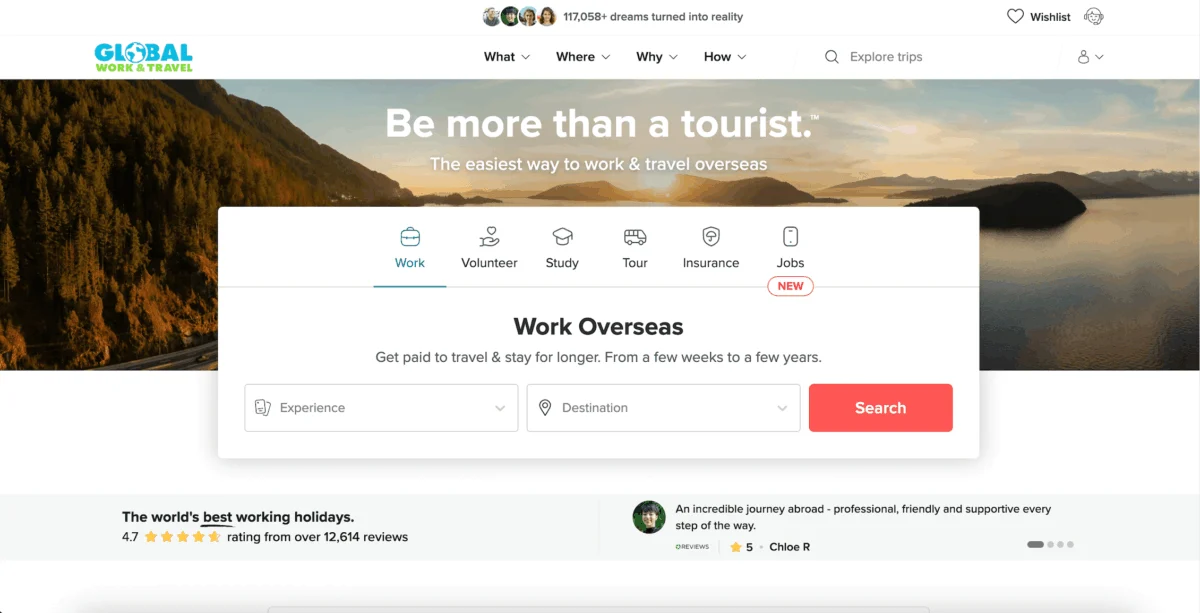
The history of organized gap years and international volunteerism can be traced back to the early 2000s, when the professionalization of these programs began to replace informal, often unvetted, backpacking culture. Global Work & Travel, which has emerged as a major player in this sector, exemplifies this transition. Operating for nearly two decades, the company has facilitated placements for over 116,000 individuals across the UK, Europe, the Americas, Asia, Africa, and the Pacific.
The growth of this sector is not merely a trend in personal travel; it represents a response to the increasing regulatory difficulty of moving abroad. Between 2010 and 2024, international visa policies have become significantly more stringent. The modern traveler faces complex hurdles, including mandatory proof of funds, background checks, and specific work permit quotas. By centralizing these services—such as job matching, pre-departure support, and personal trip management through integrated portals—companies like Global Work & Travel have democratized access to long-term international living, allowing individuals without specialized visas or corporate relocation packages to live abroad legally.
Supporting Data and Market Dynamics
Market analysts observing the travel industry have noted a clear pivot in consumer preference. According to recent reports on the "experiential travel" sector, the compound annual growth rate (CAGR) for long-term immersive travel programs is outpacing that of traditional vacation packages.
The appeal of these programs lies in the "safety net" they provide. Moving to a new country involves several points of friction:
- Employment: Securing a role that complies with local labor laws without an existing local network.
- Housing: Navigating the rental market without a credit history or local references.
- Legal/Regulatory: Managing the bureaucracy of residency permits and tax identification numbers.
The reliance on platforms that provide "scaffolding" reduces the failure rate of such transitions. For instance, programs that offer TEFL (Teaching English as a Foreign Language) certification or pre-arranged internships provide a clear, low-risk entry point for younger travelers. For those in the 18–35 age bracket, who are most likely to utilize working holiday visas, these organizations serve as a critical link between the desire to travel and the reality of foreign administrative systems.
Ethical Considerations in International Volunteering
The ethics of volunteer tourism, or "voluntourism," has been subject to intense scrutiny by humanitarian groups. Critics have historically argued that short-term, unskilled volunteers can inadvertently displace local workers or disrupt community stability. To address these concerns, the industry has shifted toward a model of "needs-based" volunteering.
Under this new framework, organizations are increasingly required to partner with local NGOs that define the specific priorities of a region. In sectors such as wildlife conservation in South Africa or elephant rehabilitation in Thailand, the emphasis has moved toward sustainability. Ethical programs now typically involve:
- Vetting Processes: Rigorous screening of partner sites to ensure they do not exploit local resources or individuals.
- Direct Impact Funding: Channels like the Global Animal Welfare Fund, which allocate a portion of program fees directly to the conservation projects where participants are stationed.
- Defined Objectives: Focusing on tasks that require long-term commitment, such as community development and healthcare support, rather than transient "feel-good" activities.
Implications for the Global Economy and Labor Markets
The rise of the working holiday maker as a modern alternative to the digital nomad has notable implications for host economies. Unlike the digital nomad, who often operates in a "bubble" of global remote employment, the working holiday maker integrates into the local labor force. They often fill gaps in the service, hospitality, and seasonal sectors, thereby contributing directly to the host country’s tax base and local economic cycle.
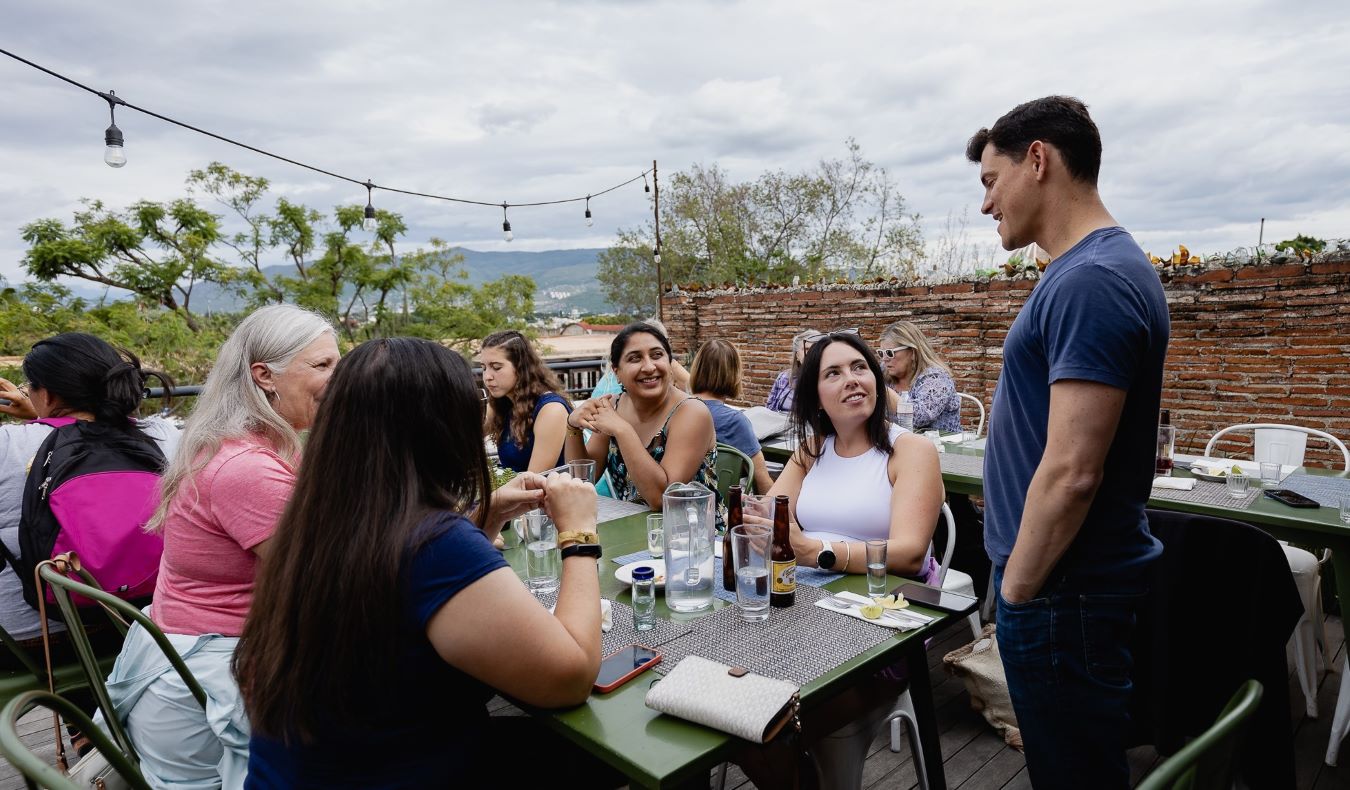
Furthermore, this demographic shift encourages a more diverse range of cultural exchange. When individuals live and work alongside local residents, the barriers to cross-cultural understanding are significantly lowered. This "grounded" version of travel provides a more accurate representation of local life, characterized by a daily schedule, professional collaboration, and long-term social networks.
Looking Forward: The Future of Immersive Travel
As the barriers to international mobility continue to evolve, the role of support organizations will likely expand. For the prospective traveler, the decision to work or volunteer abroad is increasingly seen as a career-enhancing move. International experience is highly valued by modern employers, and the ability to adapt to a foreign work environment—demonstrated through a year-long placement—often serves as a significant resume asset.
For those looking to transition from the "vacationer" mindset to an "immersive resident" model, the logistical path is clearer than ever. While the initial investment—often involving visa fees and program costs—can be higher than traditional travel, the return on investment is measured in professional development, cultural fluency, and the establishment of international relationships.
To facilitate this, organizations provide a centralized support structure, often including lifetime deposit policies and membership in consumer protection services. These measures provide a degree of financial and operational security that was largely absent for independent travelers in the past. As these platforms continue to grow, they offer a sustainable framework for individuals to pursue long-term international experiences, moving beyond the traditional limitations of tourism to foster a more nuanced, deeper engagement with the world.
For travelers ready to make the transition, the focus should remain on selecting programs that prioritize ethical engagement, legal compliance, and tangible community impact. By leveraging existing resources and support systems, the dream of living and working abroad is becoming a tangible reality for a broader segment of the global population, signaling a permanent change in how we define the act of travel itself.


 Diana Nuri Rohmawati

 Gabriela Annisa

 Lukman Taruna Persada Ramadan

 Tatiana Tantri Indah Sari

 Anjar Salim

