
 Dwi Wanna

Madrid, the capital of Spain and its most populous municipality with approximately 3.5 million residents, stands as a premier European destination, attracting over 10 million international and domestic visitors annually. Spanning a vast metropolitan area, the city serves as the country’s political, economic, and cultural nexus. Characterized by a distinctive Mediterranean climate and a nocturnal social rhythm that deviates from Northern European standards, Madrid offers a complex tapestry of 17th-century Habsburg architecture, world-class artistic institutions, and a culinary landscape that has increasingly integrated plant-based and contemporary global trends.
Historical and Geographic Significance
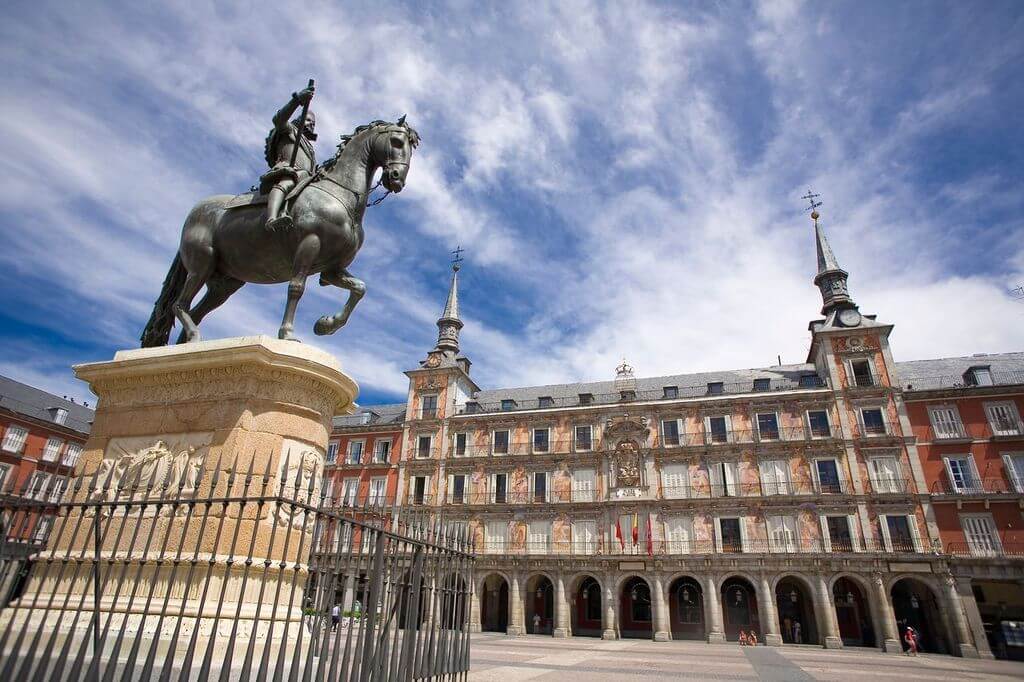
The city’s development, particularly the "Habsburg Madrid" district, reflects its evolution from a 9th-century Muslim fortress to the seat of the Spanish Empire. The geographic center of the nation is marked by "Kilometer Zero" at the Puerta del Sol, a symbolic and literal point of origin for Spain’s radial highway network. The city’s identity is further reinforced by symbols such as the Bear and the Strawberry Tree, which appear on the municipal coat of arms and represent the historic transition of the region from wild woodlands to a consolidated urban power.
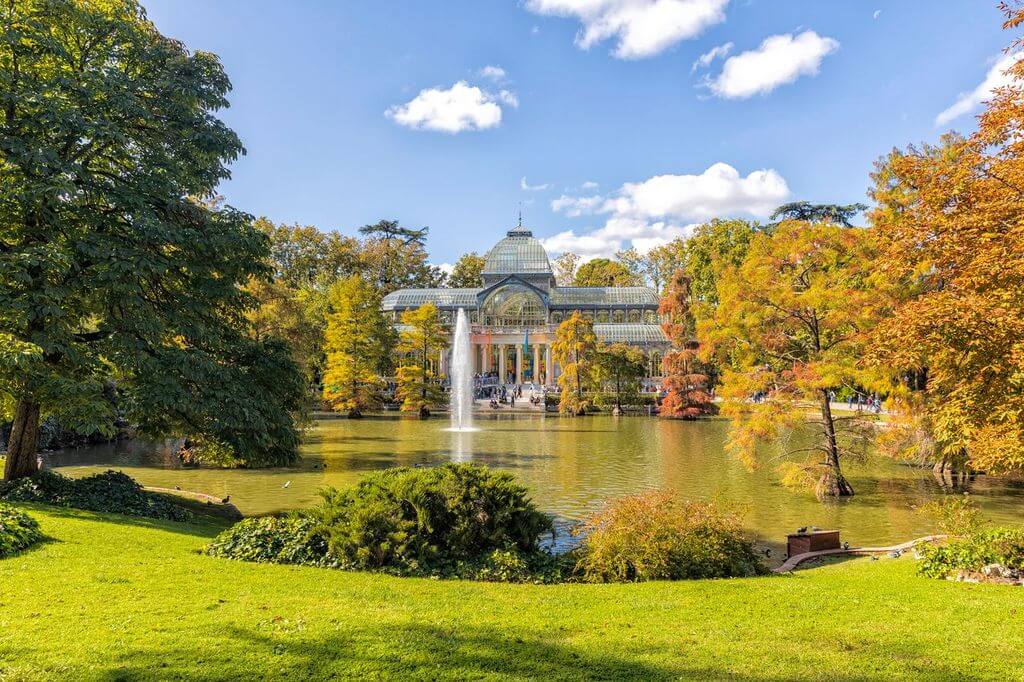
The UNESCO World Heritage status awarded in 2021 to the "Landscape of Light"—an area encompassing the Paseo del Prado and the adjacent El Retiro Park—underscores the city’s commitment to preserving its urban heritage. This designation acknowledges the unique integration of nature, science, and royal history within a high-density urban environment, providing a model for sustainable city planning and cultural preservation.
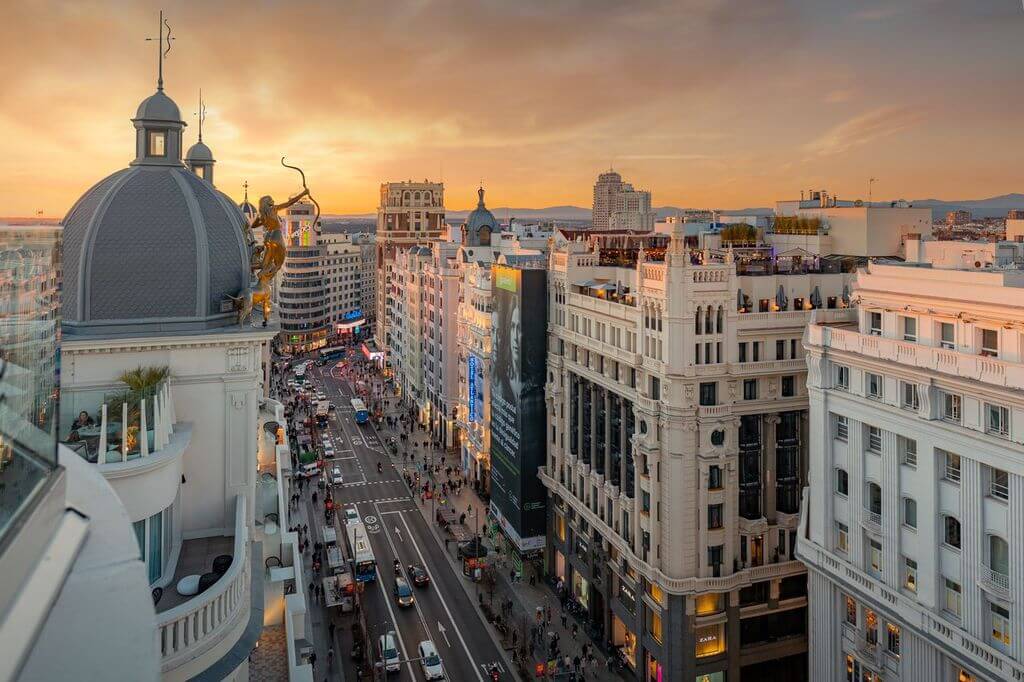
Chronological Five-Day Itinerary: A Structural Overview
Day 1: The Art Walk and Cultural Heritage
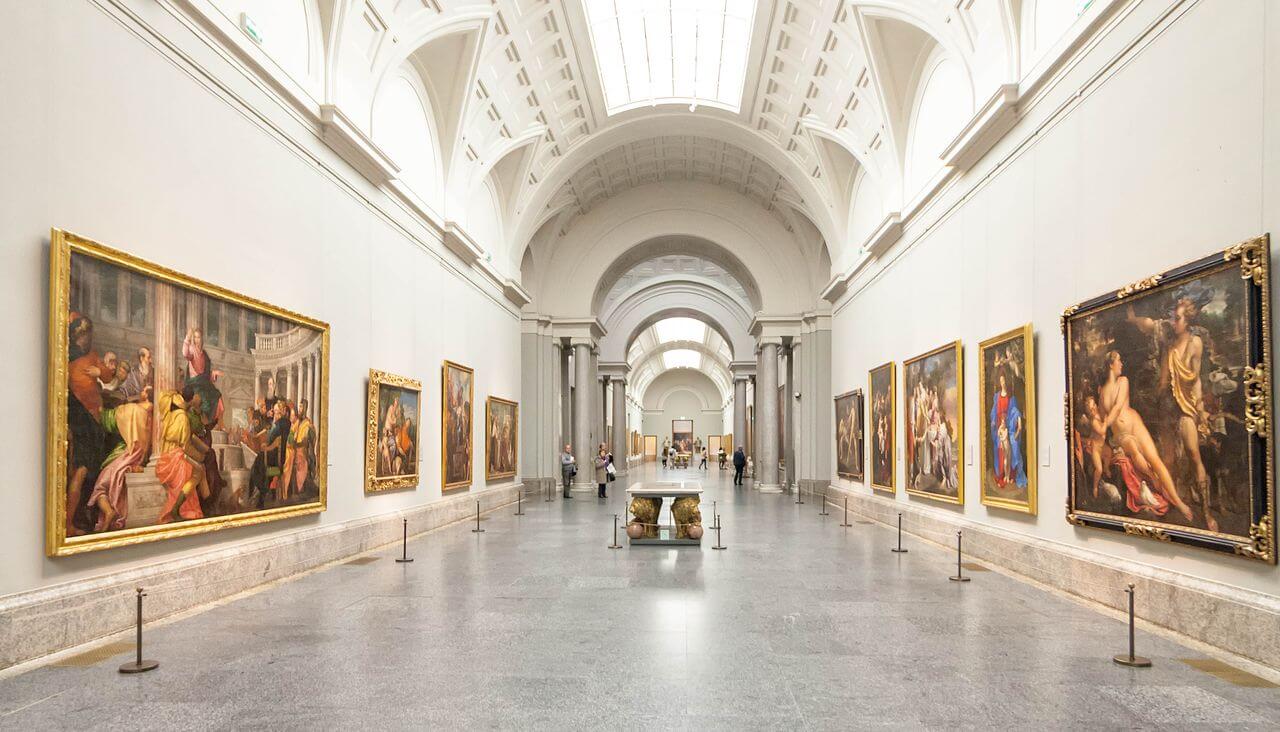
The primary cultural corridor consists of the "Golden Triangle of Art." The Museo Nacional del Prado remains the cornerstone, housing an extensive collection of European masters, including Velázquez, Goya, and El Greco. Complementing this, the Thyssen-Bornemisza Museum provides a comprehensive chronological narrative of Western art from the Renaissance to the 20th century. The Reina Sofía Museum, meanwhile, serves as the repository for modern works, anchored by Pablo Picasso’s 1937 masterpiece, Guernica. Beyond the major institutions, the city’s network of "House Museums," most notably the Sorolla Museum, offers a window into the private domestic lives of Spain’s elite, showcasing a fusion of art and architecture.
Day 2: Habsburg Madrid and Royal Governance
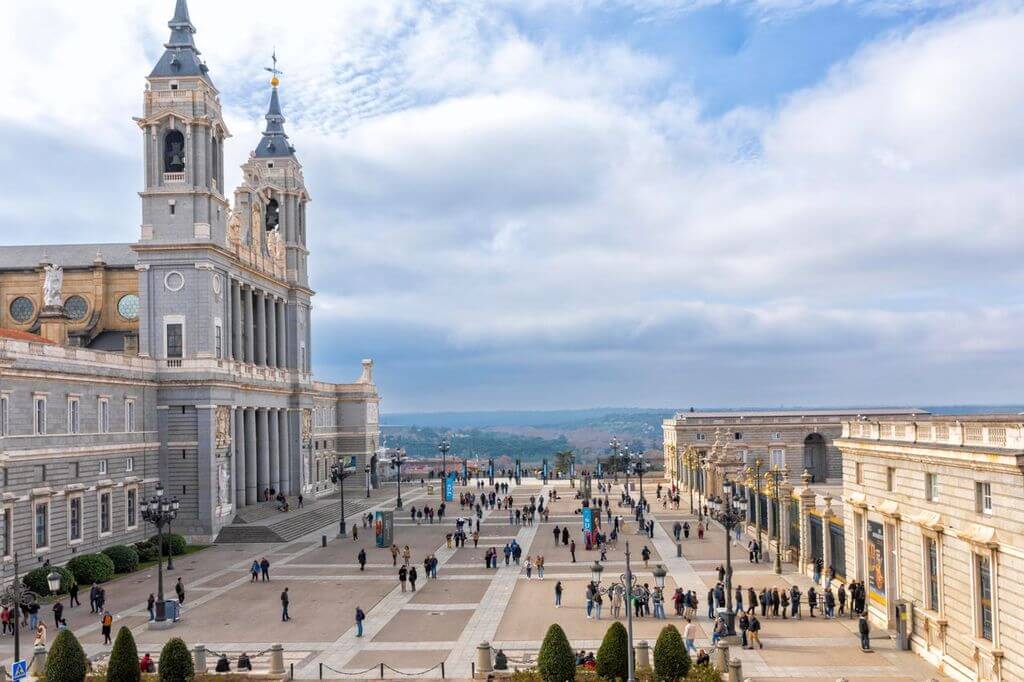
The historic core, or "Madrid de los Austrias," serves as a testament to the influence of the Habsburg dynasty. The Plaza Mayor, inaugurated in 1619, remains a focal point for civic observation. The Royal Palace, the largest in Western Europe by floor area, functions today primarily as a venue for state ceremonial activities rather than a residential space. The adjacent Almudena Cathedral, completed only in 1993, provides a contrasting architectural narrative, bridging the gap between historical ecclesiastical design and modern construction.
Day 3: Gastronomic Evolution
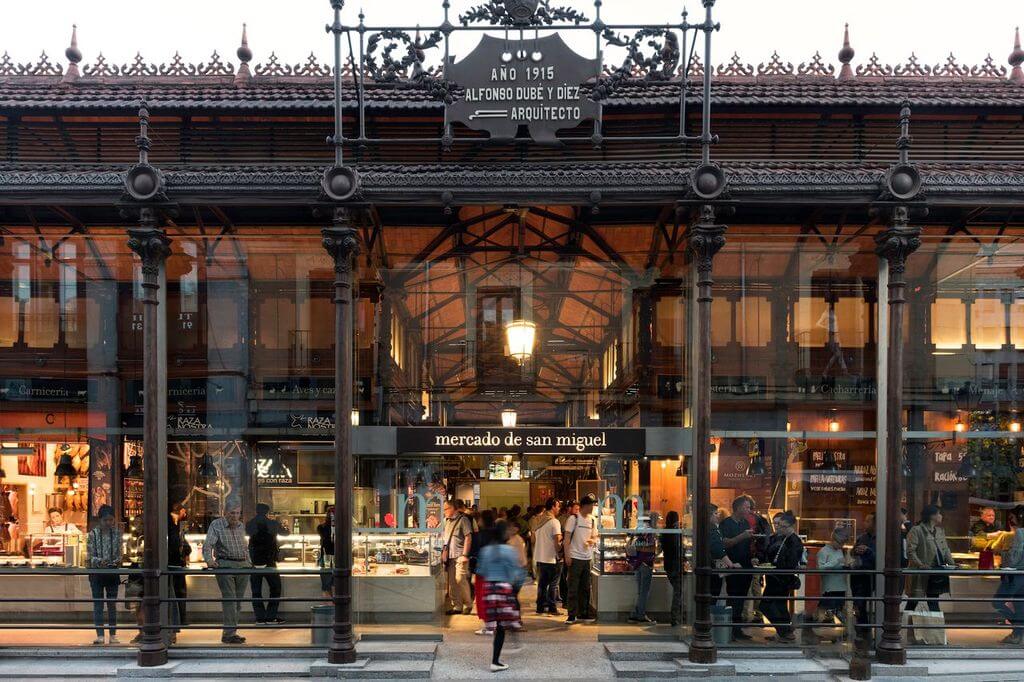
Madrid’s culinary sector has undergone a significant transformation, balancing traditional tapas culture with the demands of a globalized food economy. The Mercado de San Miguel exemplifies this shift, transitioning from a neighborhood supply hub to a high-end gastronomic marketplace. Data indicates a marked increase in vegetarian and vegan establishments within neighborhoods such as Malasaña, signaling a shift in local consumption patterns. Furthermore, the persistence of institutions like Sobrino de Botín, recognized by Guinness World Records as the world’s oldest continuously operating restaurant, highlights the intersection of tourism and historical preservation.
Day 4: Regional Context and UNESCO Sites
The city’s influence extends into the surrounding Community of Madrid, where historical sites under UNESCO protection offer context to the capital’s rise. The Monastery of San Lorenzo de El Escorial, a granite monument to the reign of Philip II, serves as a center for historical and architectural research. Similarly, the Royal Palace of Aranjuez and the university city of Alcalá de Henares provide insight into the Spanish Golden Age, reflecting the decentralization of royal power during the 16th and 17th centuries.
Day 5: Institutional Art and Urban Expansion
The final phase of a typical visit centers on the religious and administrative heritage of the city. Monasteries such as the Descalzas Reales and the Encarnación serve as repositories for art donated by the nobility, providing a private, intimate look at the religious patronage that defined the era. The expansion of public spaces like Casa de Campo—which covers 17 square kilometers—illustrates the city’s 20th-century transition toward public-oriented urban development, providing recreational access that balances the high density of the city center.
Economic and Logistical Considerations
For the modern traveler, navigating Madrid requires an understanding of its logistical infrastructure. The city is served by an extensive public transportation network, including one of the most efficient metro systems in Europe. The economic impact of tourism is significant, with the hospitality sector accounting for a substantial percentage of local GDP.
Economic analysts suggest that the "late-start" nature of Madrid’s social life—where dinner reservations are standard after 9:00 PM—contributes to a unique retail and restaurant labor model. This model has proven resilient, supporting a late-night service industry that keeps the city active well past traditional European closing times.
Broader Impact and Future Implications
The preservation of the "Landscape of Light" and the renovation of historical sites like the Sorolla Museum (slated for completion in 2026) indicate a long-term municipal strategy focused on cultural sustainability. By investing in the maintenance of historical assets, Madrid maintains its competitive edge against other European capitals.
Official statements from the Madrid Tourism Board emphasize a shift toward "quality tourism," focusing on sustainable practices and the dispersal of visitor traffic to neighborhoods outside the immediate city center. This approach aims to mitigate the effects of over-tourism while ensuring that the cultural and historical integrity of the city remains intact for future generations. As Madrid continues to evolve, the challenge for the municipal government remains the balancing of its role as a global tourist hub with the needs of its resident population, ensuring that the city’s cultural heart remains both accessible and authentic.
For travelers, the most effective engagement with the city involves an acknowledgment of its dual nature: a historic, tradition-bound capital and a forward-thinking, diverse modern metropolis. Whether through the study of its art, the consumption of its regional gastronomy, or the exploration of its UNESCO-recognized landscapes, Madrid offers a case study in the longevity of urban development. Visitors are encouraged to utilize official municipal resources, such as the Madrid Tourism Portal, to remain informed of current regulations, accessibility information, and the preservation status of historical monuments.




 Gabriela Annisa

 Lukman Taruna Persada Ramadan

 Tatiana Tantri Indah Sari

 Anjar Salim

