
 Tatiana Tantri Indah Sari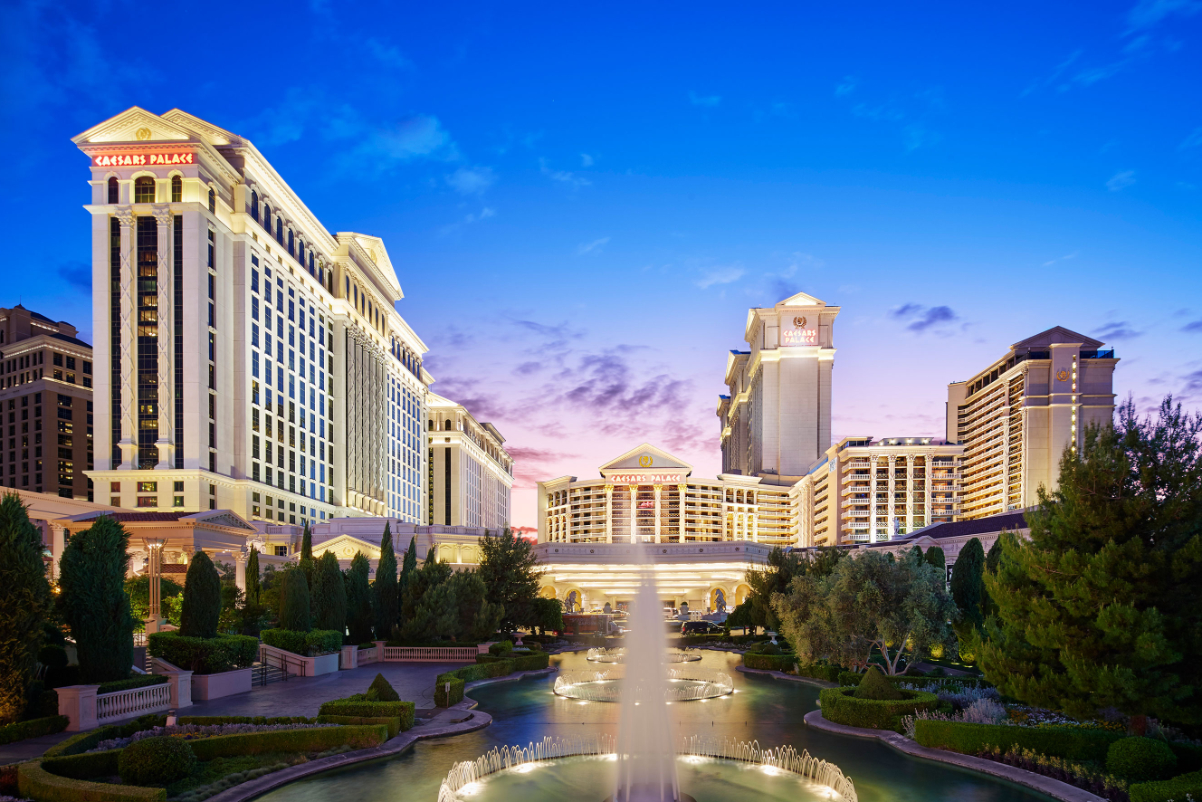
Billionaire entrepreneur Tilman Fertitta, owner of the Golden Nugget casino chain and Landry’s Inc. hospitality empire, has reached an agreement to acquire Caesars Entertainment in a transaction valued at approximately $17.6 billion, including the assumption of a substantial debt load. The deal, announced by both companies, positions Fertitta Entertainment to take control of one of the largest and most storied casino and resort operators globally, marking a significant consolidation in the highly competitive gaming industry.
The Proposed Acquisition: A Deep Dive into the Financials
Under the terms of the agreement, Fertitta Entertainment will pay $5.7 billion in an all-cash offer to acquire Caesars Entertainment. This equity component translates to $31 per share, representing a significant premium for Caesars’ shareholders. Specifically, the offer price is approximately 49% above the company’s share price when media reports first began circulating about a potential takeover. It also stands 7% above Caesars’ closing share price on the night prior to the official announcement, underscoring Fertitta’s commitment to securing the deal amidst market speculation.
Crucially, the acquisition also involves Fertitta’s firm assuming Caesars’ considerable debt pile, which currently stands at $11.9 billion. This brings the total enterprise value of the transaction to approximately $17.6 billion, making it one of the largest deals in the hospitality and gaming sector in recent years. The structure of the deal, with a substantial debt assumption, highlights Fertitta’s strategic approach to leveraging existing financial structures while injecting new capital.
As part of the definitive agreement, Caesars Entertainment has been granted a "go-shop" period, extending until July 11. This provision allows Caesars’ board of directors and its advisors to actively solicit and consider alternative acquisition proposals from other interested parties. Should Caesars receive a superior offer during this period and choose to terminate the agreement with Fertitta Entertainment, it would likely be subject to a predetermined break-up fee. This mechanism is standard in large corporate mergers and acquisitions, ensuring that the board fulfills its fiduciary duty to maximize shareholder value.
A Billionaire’s Ambition: The Fertitta Factor
Tilman Fertitta is renowned for his aggressive acquisition strategy and his ability to identify and revitalize undervalued assets across the restaurant, hospitality, and entertainment sectors. As the sole owner of Landry’s Inc., a diversified portfolio that includes over 600 restaurants, hotels, and entertainment complexes, Fertitta has built a vast empire. His ownership of the Golden Nugget casino chain, with properties in Las Vegas, Atlantic City, Laughlin, Lake Charles, and Biloxi, demonstrates his deep expertise and experience in the gaming industry. Furthermore, his ownership of the NBA’s Houston Rockets solidifies his status as a prominent figure in the business and sports world.
Fertitta’s interest in Caesars Entertainment is not new. For several years, he has publicly expressed his desire to merge his Golden Nugget assets with Caesars, believing that a combined entity would create significant synergies and unlock substantial value. His previous unsolicited bids and public overtures were met with varying degrees of enthusiasm from Caesars’ board, which, grappling with its own financial challenges, had been exploring various strategic alternatives. Fertitta’s persistence and his ability to structure an attractive financial package ultimately proved successful in securing this latest agreement. His vision for the combined entity is widely understood to focus on creating an unparalleled scale in the gaming and entertainment space, leveraging cross-promotional opportunities across a vastly expanded portfolio of casinos, hotels, and restaurants.
Caesars’ Tumultuous History and Shareholder Pressure
Caesars Entertainment has a long and complex history marked by ambitious expansion, significant debt, and, ultimately, a high-profile bankruptcy. Emerging from Chapter 11 bankruptcy protection in 2017, the company had restructured its finances but remained under pressure to deliver enhanced shareholder value. The legacy of its prior leveraged buyout by private equity firms Apollo Global Management and TPG Capital in 2008, just before the global financial crisis, left the company burdened with an unsustainable debt load.
In the period leading up to Fertitta’s successful bid, Caesars had been a prime target for activist investors. Notable among these was Carl Icahn, who acquired a significant stake in the company and secured representation on its board of directors. Icahn, known for his aggressive tactics to push for corporate change, had been a vocal proponent of exploring strategic alternatives, including a potential sale or merger, to maximize shareholder returns. Other hedge funds and institutional investors also exerted pressure on Caesars’ management and board to address its valuation and consider transformative transactions. This shareholder activism undoubtedly played a crucial role in compelling Caesars to seriously evaluate external offers and ultimately accept Fertitta’s proposal. The acceptance of a premium offer, even with the accompanying debt, likely aligns with the objectives of these activist shareholders seeking a clear exit strategy and enhanced value.
The Financial Mechanics of the Deal and Future Outlook
The assumption of $11.9 billion in debt by Fertitta Entertainment is a critical aspect of this transaction. While the equity payment of $5.7 billion provides immediate cash to shareholders, the long-term success of the combined entity will heavily depend on Fertitta’s strategy for managing and potentially reducing this substantial debt. Industry analysts and the "Skift Take" comment accompanying the original announcement suggest that asset sales are a likely "endgame" strategy.
Fertitta’s track record indicates a shrewd operator capable of optimizing asset portfolios. It is highly probable that a combined Fertitta-Caesars entity would undertake a strategic review of its vast property holdings. This could lead to the divestiture of non-core assets, regional casinos that do not fit the long-term strategic vision, or even properties that overlap geographically and operationally. Such sales would serve multiple purposes: generating cash to pay down debt, streamlining operations, and focusing resources on the most profitable and strategically important properties. Potential targets for divestment could include certain regional properties or older assets that require significant capital expenditure but offer lower returns.
The integration of Golden Nugget properties with Caesars’ extensive portfolio — which includes flagship resorts like Caesars Palace, Harrah’s, Horseshoe, and Bally’s — is expected to unlock significant operational synergies. These could range from procurement efficiencies and shared marketing initiatives to optimized loyalty programs and cross-property promotions. The combined scale would offer a formidable presence in key gaming markets like Las Vegas, Atlantic City, and numerous regional markets across the United States.
Industry Consolidation and Market Dynamics
This proposed acquisition is indicative of a broader trend of consolidation within the global gaming and hospitality industry. Facing increasing competition from new markets, the expansion of sports betting, and evolving consumer preferences, larger entities are seeking scale to enhance efficiency, market power, and resilience. The creation of a combined Fertitta-Caesars powerhouse would reshape the competitive landscape, challenging other major players like MGM Resorts International, Las Vegas Sands, and regional operators.
The expansion of sports betting across various U.S. states following the repeal of PASPA in 2018 presents another significant growth avenue. Both Golden Nugget and Caesars have been actively developing their sports betting platforms and partnerships. A merged entity would possess a stronger national footprint and a larger customer base to capitalize on this rapidly growing market segment, allowing for more robust investment and market penetration.
Regulatory Pathways and Potential Hurdles
Any acquisition of this magnitude in the gaming industry is subject to extensive regulatory scrutiny. The transaction will require approval from numerous state gaming commissions, including those in Nevada, New Jersey, and other states where both Caesars and Golden Nugget operate. These regulatory bodies will conduct thorough investigations into Fertitta’s financial stability, his suitability as an operator, and the competitive implications of the merger.
Furthermore, federal antitrust regulators, such as the Department of Justice, will review the deal to ensure it does not unduly concentrate market power or harm competition. While there is some overlap in certain markets, the sheer size and diversity of both companies’ portfolios might necessitate careful navigation through these reviews. The regulatory approval process can be lengthy and complex, often taking many months, and may involve conditions or divestitures to address competition concerns. The July 11 "go-shop" period is merely the initial phase; the subsequent regulatory journey will be a critical determinant of the deal’s ultimate success.
The Road Ahead: Integration and Asset Rationalization
Assuming the deal successfully navigates the "go-shop" period and secures all necessary regulatory approvals, the real work of integration will begin. Combining two large and distinct corporate cultures, operational systems, and property portfolios is a monumental task. Fertitta’s leadership will be crucial in steering this integration, ensuring that the expected synergies are realized and that the transition minimizes disruption to employees and customers.
The "asset sales as an endgame" perspective articulated by Skift Take will likely materialize as a deliberate strategy post-acquisition. Fertitta’s team will meticulously evaluate each property within the combined portfolio, assessing its strategic fit, profitability, and potential for future growth. Properties that are deemed non-core or redundant could be put up for sale, generating capital to reduce the assumed debt load and allowing the new entity to focus on its highest-performing assets. This rationalization process is a hallmark of strategic mergers designed to create long-term value from existing assets.
The proposed acquisition of Caesars Entertainment by Tilman Fertitta’s firm represents a pivotal moment for both companies and the broader gaming industry. It reflects a determined effort by a seasoned entrepreneur to expand his empire, while also marking a potential new chapter for a company that has grappled with its financial legacy. The coming months will reveal whether this ambitious deal will withstand scrutiny, achieve its integration goals, and ultimately deliver on its promise of creating a more powerful and profitable gaming and hospitality giant.



 Chandra Hamzah
 Budi Mulyono
 Anjar Salim
