
 Tatiana Tantri Indah Sari
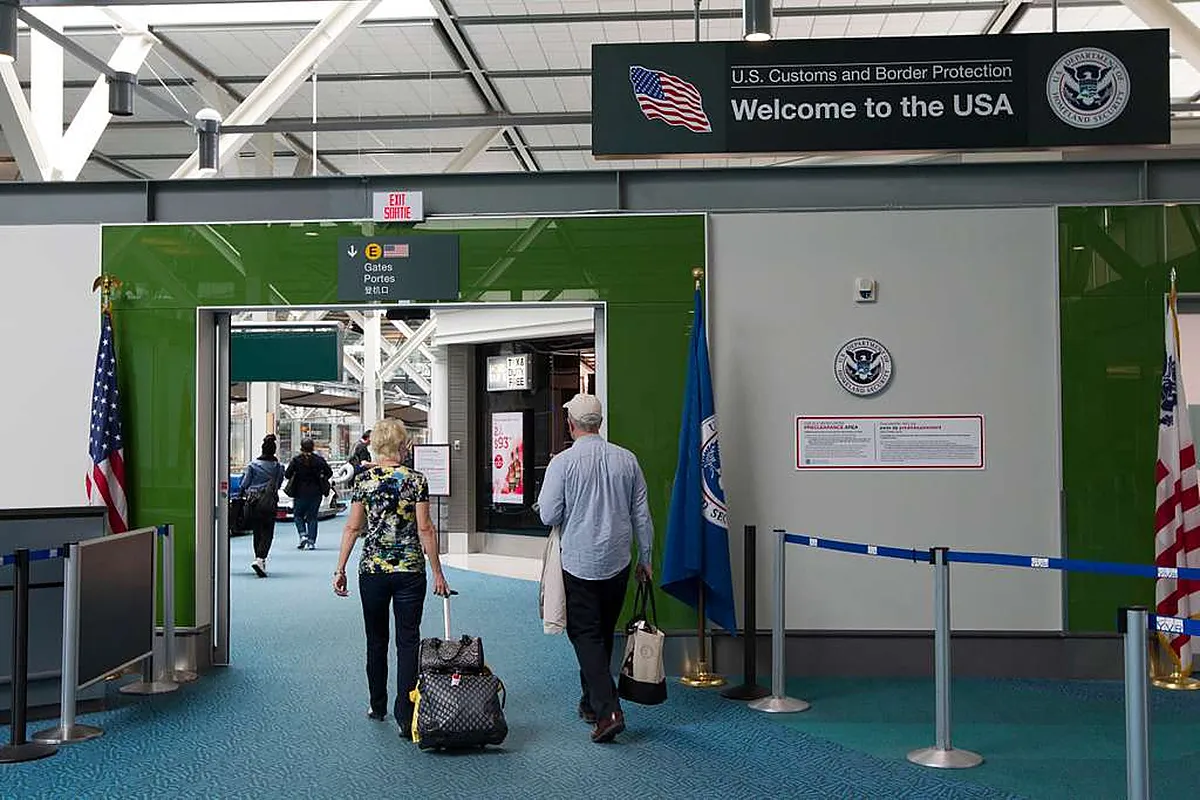
Canadian travel to the United States is experiencing a slow but steady upward trajectory, marking a period of fragile recovery for the cross-border tourism economy. According to official data released Tuesday by Statistics Canada, the number of Canadian-resident return trips from the United States increased by 6.8% in September compared to the same month in the previous year. This positive shift represents the sixth consecutive month of year-over-year growth, signaling renewed consumer confidence and an easing of certain travel hesitations.
A closer examination of the data reveals that both primary modes of transportation contributed to the September gains. Return trips conducted by automobile saw a 5.6% increase, while air travel rebounded more robustly, registering an 11.6% increase over September of the prior year. Despite these consecutive months of incremental growth, travel industry analysts emphasize that the cumulative recovery remains in its early stages. When measured against pre-downturn benchmarks, specifically the figures recorded in September 2024, cross-border traffic still has a considerable distance to cover. September automobile returns lagged 31.1% behind the 2024 baseline, while air travel returns remained 18.7% lower, illustrating that full normalization across the northern border is a prolonged endeavor rather than an immediate rebound.
Background Context and Historical Overview
The relationship between Canadian outbound travel and the United States economy has historically been one of the most robust tourism corridors in the world. Millions of Canadians cross the border annually for leisure, business, shopping, and visiting family. However, the ecosystem took a significant structural hit following years of macroeconomic shifts, currency fluctuations, and changing consumer behaviors.
Historically, the strength of the Canadian dollar relative to the U.S. dollar has served as a primary catalyst or deterrent for cross-border movement. In the wake of broad economic adjustments throughout 2023 and 2024, travelers faced elevated inflation rates, higher costs of living, and increased airfares. These economic pressures prompted many Canadian households to reevaluate discretionary spending, leading to a sharp contraction in international and cross-border vacations.
Furthermore, shifting preferences toward domestic tourism or alternative international destinations played a role in dampening travel to the U.S. As border agencies, including U.S. Customs and Border Protection operating preclearance facilities at major Canadian hubs like Vancouver International Airport, Toronto Pearson, and Montreal-Trudeau, managed fluctuating staffing levels and processing times, the friction of international travel occasionally added to consumer hesitation. The ongoing six-month growth streak indicates that these barriers are gradually eroding, though the scars of previous steep declines continue to weigh on the overall baseline comparisons.
Chronology of the 2025–2026 Recovery Trajectory
To understand the current state of cross-border mobility, it is essential to trace the sequential milestones that brought the market to its present condition. The turning point from deep contraction to tentative growth began in the spring.
- April: Statistics Canada records the first major month of positive year-over-year growth in cross-border return trips, snapping a prolonged chain of monthly declines. The uptick is largely attributed to early spring break travel and a stabilization in fuel prices.
- May and June: The recovery gains traction as warmer weather approaches. May and June register consistent, modest percentage increases in both car and air traffic. Tourism boards in border states like Washington, New York, and Florida begin noting slight increases in Canadian hotel bookings.
- July and August: The peak summer travel season provides a reliable volume of visitors, maintaining the year-over-year growth streak. Air travel outperforms land crossings during these summer months, driven by families utilizing preclearance facilities for quicker boarding upon arrival in the U.S.
- September: The release of September data marks the sixth consecutive month of positive growth, with a 6.8% overall increase. While the growth rate provides optimism for tourism stakeholders, the persistent double-digit gap compared to September 2024 highlights the reality of a protracted recovery curve.
Detailed Data and Statistical Breakdown
The nuances of the September Statistics Canada report offer a clear picture of how Canadians are currently navigating the international border. While headline figures showcase growth, the modal split between automobiles and aviation highlights distinct consumer priorities.
| Transportation Mode | September Year-Over-Year Growth | Comparison to September 2024 Baseline |
|---|---|---|
| Automobile Travel | +5.6% | -31.1% |
| Air Travel | +11.6% | -18.7% |
| Total Return Trips | +6.8% | Not Applicable (Combined Deficit) |
The divergence between land and air travel performance points to different traveler profiles. The 11.6% increase in air travel suggests that Canadians booking flights—often representing longer-haul vacations to warmer destinations such as California, Florida, or Arizona—are more willing to absorb current travel costs. Conversely, day trips and short weekend getaways by car, which typically form the bedrock of border-state retail and hospitality economies, are recovering at a slower pace. The 31.1% deficit in auto travel compared to 2024 reflects lingering caution regarding discretionary driving trips, retail price differences driven by exchange rates, and the cumulative cost of dining and lodging in the United States.
Industry Perspectives and Official Responses
While government statistical agencies provide the empirical foundation, travel associations, airport authorities, and hospitality groups offer critical qualitative context on what these numbers mean for the ground-level economy.
Representatives from major Canadian airports operating U.S. preclearance facilities have noted steady operational flows. Airport executives indicate that processing times have stabilized, allowing for smoother passenger processing even as volume increases. The 11.6% spike in air travel return trips correlates with enhanced airline capacity on transborder routes, as carriers gradually restore frequencies that were trimmed during previous restructuring phases.
Meanwhile, hospitality coalitions in U.S. border states have expressed cautious optimism. Tourism marketing organizations in states heavily reliant on Canadian visitors—such as Washington state, Maine, and Michigan—have maintained targeted promotional campaigns reminding Canadian neighbors of shopping, dining, and cultural offerings. However, local tourism boards acknowledge that the deep deficits in land-border traffic mean local retail centers dependent on Canadian shoppers have yet to return to pre-contraction revenue levels.
Economic analysts observing the trend point out that consumer behavior has fundamentally evolved. Modern travelers are placing a higher premium on value and overall trip curation, meaning that minor fluctuations in currency exchange rates can trigger immediate shifts in destination choices. Consequently, travel providers are adjusting pricing and marketing strategies to capture this cautious demographic.
Broader Economic Implications and Outlook
The steady climb in Canadian return trips carries significant implications for both domestic and international trade, tourism revenue, and transportation infrastructure.
For the United States economy, the return of Canadian travelers represents a vital injection of foreign tourism dollars. Canadians have historically been among the highest-spending international visitors to the U.S., contributing billions of dollars annually to local economies through retail purchases, accommodations, dining, and entertainment. Even though the recovery is gradual, six consecutive months of growth provide a reliable foundation for U.S. hospitality businesses to plan staffing and inventory moving forward.
Conversely, for Canada, outbound travel represents a flow of capital out of the domestic economy. When Canadian residents increase their spending across the border, domestic tourism operators experience competitive pressure. However, economists note that healthy cross-border mobility is also a strong indicator of consumer confidence and disposable income stability within Canada. When households feel secure enough to allocate funds toward international travel, it generally reflects broader economic resilience.
Looking ahead, industry stakeholders anticipate that the recovery path will continue at this measured pace rather than experiencing a sudden surge. Factors such as upcoming winter weather patterns, holiday travel demand, and macroeconomic indicators—including central bank interest rate decisions and currency valuations—will heavily influence whether the current six-month growth streak extends through the end of the year and into the next calendar cycle. For now, the data confirms that Canadian travelers are actively reclaiming their cross-border routines, even if the journey back to historical volume benchmarks requires patience and sustained industry effort.




 Gabriela Annisa

 Lukman Taruna Persada Ramadan

 Anjar Salim

 Dwi Wanna
