
 Tatiana Tantri Indah Sari
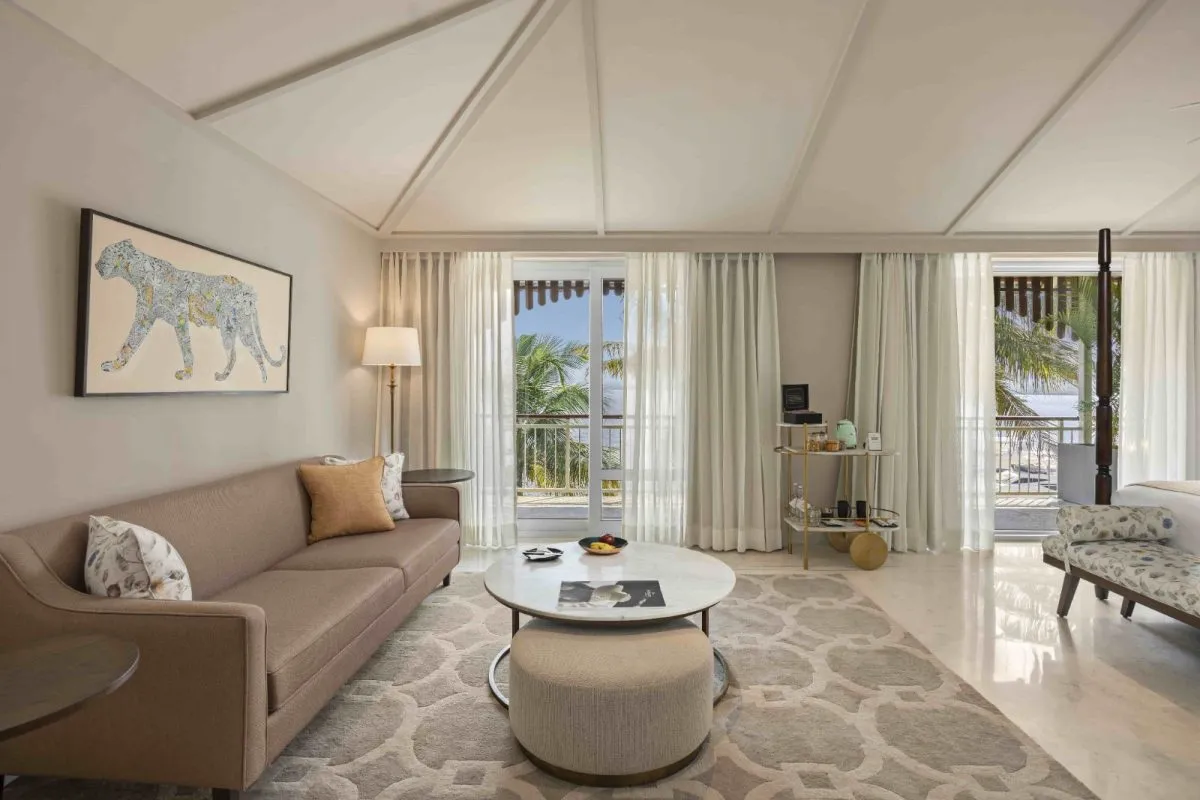
The luxury hospitality landscape in South Asia is undergoing a significant transformation as boutique operators seek innovative ways to capture high-net-worth travelers who balance remote leisure with urban commerce. The Postcard Hotel, a brand celebrated for its secluded, experiential properties located far from the bustle of India’s commercial centers, is officially preparing to make its long-awaited debut in the country’s major metropolitan hubs. Founded in 2018 by hospitality veteran Kapil Chopra, the boutique hotel group has built a loyal following through its collection of destination-led retreats, spanning from the sun-drenched beaches of Goa and the rolling green tea estates of Assam to the rugged wilderness bordering Gujarat’s Gir National Park.
However, in a strategic pivot revealed during an exclusive interview with industry publication Skift, Chopra announced that the company is actively developing an urban format tailored specifically to India’s primary business capitals. This new urban chapter will depart from the sprawling resort style of its predecessors, introducing a highly refined model centered around nearly all-suite hotels seamlessly integrated with exclusive private members’ clubs. As the brand sets its sights on economic powerhouses such as New Delhi, Mumbai, Bengaluru, and Hyderabad, the hospitality industry is closely watching how this niche luxury player will adapt its intimate, hyper-personalized service philosophy to the high-demand, fast-paced environment of India’s top metropolitan centers.
The Evolution of The Postcard Hotel: From Remote Retreats to Urban Sanctuaries
Since its inception nearly a decade ago, The Postcard Hotel has positioned itself as an antidote to mass-market luxury tourism. The brand’s foundational ethos relies on a smaller inventory of rooms, deeply localized architectural integration, authentic culinary experiences, and an absence of standard corporate hospitality tropes such as rigid check-in times and bustling, overcrowded lobbies. This formula allowed the company to rapidly scale a portfolio of 12 distinctive properties, each designed to immerse guests in the natural beauty and cultural heritage of its chosen destination.
Yet, the realities of the modern luxury consumer demand greater versatility. Today’s affluent travelers, corporate leaders, and entrepreneurs frequently blur the lines between business and leisure, spending weekdays in urban commercial centers and weekends in remote retreats. Recognizing this shift, Chopra and his executive team recognized a gap in the market for a product that combines the intimacy and design sophistication of a boutique resort with the functional accessibility required by urban professionals.
The upcoming urban iteration is engineered to solve the traditional economic hurdles of operating luxury real estate in high-density city centers. Real estate costs in gateway cities like Mumbai and New Delhi are notoriously high, often forcing hotel developers to build massive properties with hundreds of keys to ensure profitability. The Postcard Hotel intends to bypass this traditional volume-driven model through a financially sustainable structure anchored by prime locations, a nearly all-suite room configuration, and an integrated private members’ club.
Financial Viability and the Integrated Private Club Model
The financial mechanics of urban luxury hotels have long challenged developers, particularly when attempting to maintain low key-counts and high service-to-guest ratios. By incorporating a private members’ club directly into each urban property, The Postcard Hotel aims to diversify its revenue streams while cultivating a captive, recurring local audience. Private clubs have experienced a massive resurgence globally, serving as social and professional hubs for the financial elite, tech executives, and creative industry leaders.
In India, the demand for exclusive, networking-focused spaces has outstripped supply, particularly in technology hubs like Bengaluru and financial capitals like Mumbai. By anchoring each urban hotel with a private club, the brand creates a dual-purpose ecosystem. Hotel guests gain access to exclusive social dining and networking facilities, while local members provide a steady, predictable stream of food and beverage revenue and membership dues that insulate the property from seasonal tourism fluctuations.
According to company disclosures, exploratory discussions are already underway across three distinct urban locations. While final real estate acquisitions and lease agreements remain confidential, the initial rollout targets India’s top four economic engines: Delhi, Mumbai, Bengaluru, and Hyderabad. These cities represent the highest concentration of ultra-high-net-worth individuals (UHNWIs) in the country, a demographic that continues to expand rapidly despite broader macroeconomic uncertainties.
Chronology of Growth: Milestones That Shaped the Brand
To understand the weight of The Postcard Hotel’s upcoming urban expansion, it is essential to trace the chronology of the brand’s development since it entered the market in 2018.
- 2018: Kapil Chopra, former President of The Oberoi Group, officially launches The Postcard Hotel alongside a team of experienced hospitality professionals. The vision focuses on experiential, design-forward properties that reject traditional luxury uniformity in favor of hyper-local storytelling.
- 2019–2020: The brand launches its first wave of properties, capturing critical acclaim for its locations in Goa and opening international discussions regarding its minimalist yet opulent design standards. Despite the onset of the global COVID-19 pandemic shortly after launch, the brand’s low-density, open-air resort formats prove resilient against shifting travel preferences favoring isolated, safe environments.
- 2021–2023: The portfolio expands steadily into diverse geographic niches. Notable openings include properties set within the tea gardens of Assam and near the wildlife sanctuaries of Gujarat, cementing the brand’s reputation as a premier leisure-led operator.
- 2024–2025: The company consolidates its operational framework, focusing on service excellence, digital guest integration, and brand equity. Discussions begin regarding the feasibility of scaling the brand into urban markets without compromising the intimate service ratios that define its DNA.
- October 2026: In an exclusive interview with Skift, leadership officially announces the strategic shift toward urban markets, unveiling plans for all-suite city hotels paired with private members’ clubs in Delhi, Mumbai, Bengaluru, and Hyderabad.
Market Context and Competitive Landscape
The decision by The Postcard Hotel to enter urban markets arrives at a fascinating juncture for India’s hospitality sector. India has emerged as one of the fastest-growing domestic and international travel markets in the world, driven by rising disposable incomes, improving infrastructure, and an explosion in business travel. Major international luxury brands—including Marriott, Accor, IHG, and Hyatt—are aggressively expanding their footprints across the subcontinent, while domestic giants like Indian Hotels Company Limited (IHCL) continue to dominate through iconic brands such as Taj, SeleQtions, and Vivanta.
At the same time, lifestyle boutique hotels are capturing a growing share of discretionary spending from younger, affluent travelers who prefer distinct design narratives over standardized luxury. By introducing an all-suite urban concept coupled with a private club, The Postcard Hotel is carving out a unique position that sits comfortably between traditional five-star business hotels and exclusive lifestyle clubs.
Industry analysts point out that operating an all-suite format in prime urban real estate requires immense discipline. Suites occupy significantly more square footage per key than standard hotel rooms, meaning average daily rates (ADRs) must remain consistently high to justify the footprint. However, because the brand has already cultivated a high-spending, loyal clientele through its leisure properties, it enters the urban market with a built-in cross-selling advantage. Guests who experience the brand in Goa or Assam are prime candidates to utilize its urban properties and private clubs during business trips to Mumbai or Bengaluru.
Implications and Broader Economic Impact
The expansion of boutique luxury operators into urban centers carries notable implications for real estate developers, urban planners, and the broader hospitality ecosystem in South Asia.
First, the integration of private members’ clubs within urban hotels signals a broader maturation of India’s social infrastructure. As urban centers become denser and more congested, affluent professionals increasingly value curated, secure third spaces—environments that are neither the home nor the traditional corporate office—where they can conduct business, dine, and socialize in privacy.
Second, this move demonstrates the adaptability of homegrown Indian hospitality brands. Historically, the Indian luxury hotel market was heavily influenced by global standards or legacy domestic operators. The rise of entrepreneurial, design-centric brands like The Postcard Hotel proves that Indian consumers and international visitors alike are hungry for contemporary, agile concepts that prioritize spatial design, culinary authenticity, and personal freedom over corporate stiffness.
As negotiations finalize across Delhi, Mumbai, Bengaluru, and Hyderabad, the coming months will test the operational capabilities of Chopra’s team. Translating the serene, unhurried atmosphere of a beachside or wilderness retreat into the frenetic energy of a major metropolis is no small feat. Yet, if executed according to plan, The Postcard Hotel’s urban venture could redefine the intersection of luxury accommodation and private social networking in South Asia, setting a new benchmark for how boutique hospitality brands scale in the twenty-first century.




 Gabriela Annisa

 Lukman Taruna Persada Ramadan

 Anjar Salim

 Dwi Wanna
