
 Chandra Hamzah
Carnival Cruise Line has officially notified passengers that their highly anticipated September 1, 2027, voyage from Singapore to Sydney has been cancelled. The disruption stems from an unforeseen alteration in the dry dock schedule for the Carnival Splendor, the vessel originally slated to undertake this transcontinental journey. This cancellation, affecting a significant number of travelers who had planned their vacations well in advance, highlights the complexities of cruise line fleet management and the potential impact of operational adjustments on consumer travel plans.
Background of the Cancellation
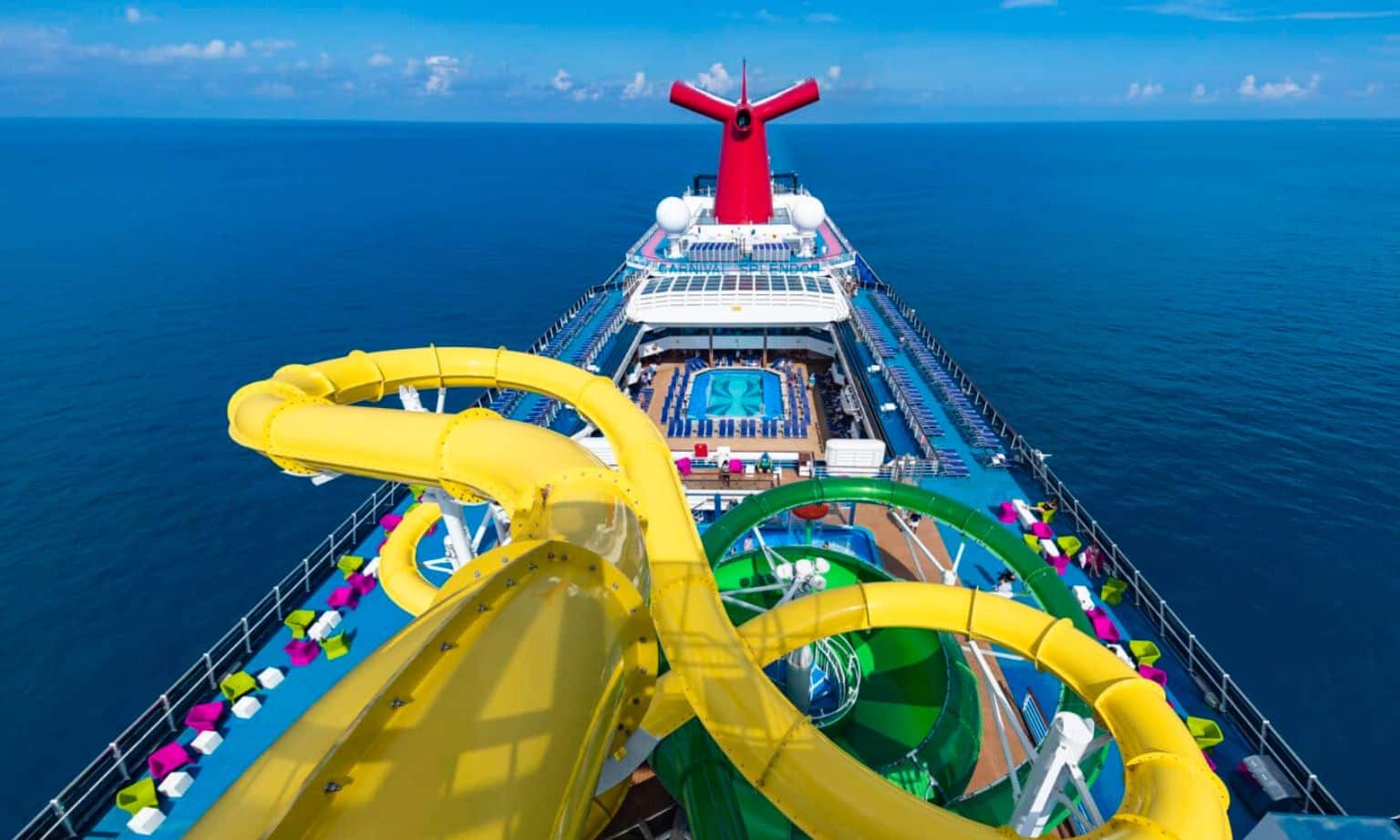
The affected voyage, a premium itinerary designed to offer a seamless transition from Southeast Asia to Australia, was scheduled to depart Singapore on September 1, 2027. Passengers booked on this specific sailing received a formal notice from Carnival detailing the cancellation. The communication, attributed to "a change in the dry dock schedule for Carnival Splendor in August 2027," expresses regret for the disappointment this news will undoubtedly cause. Carnival Splendor, a popular and substantial vessel in Carnival’s fleet, typically accommodates over 3,000 passengers at double occupancy and operates year-round from Sydney, making it a significant draw for the Australian market.
Dry docking is a crucial and routine process in the maritime industry, particularly for cruise ships. It involves removing a vessel from service to undergo extensive inspections, maintenance, repairs, and upgrades. These periods are essential for ensuring the safety, operational efficiency, and aesthetic appeal of the ships, as well as for complying with regulatory requirements. Dry dock schedules are meticulously planned, often years in advance, to minimize disruption to passenger itineraries and optimize shipyard utilization. However, as this incident demonstrates, these schedules can be subject to change due to a multitude of factors, including shipyard availability, unforeseen technical issues, or strategic fleet redeployments.
The original dry dock for Carnival Splendor was slated to occur from August 15 to August 31, 2027. The cancellation of the September 1st voyage suggests that the revised dry dock schedule either extends beyond its original end date, has been moved forward, or has been entirely rescheduled in a manner that conflicts with the planned departure from Singapore. While the precise details of the revised schedule have not been publicly disclosed by Carnival, industry speculation points towards potential overbooking at shipyards or the need to address unexpected maintenance requirements.
Chronology of Events and Passenger Notification
The timeline leading to this cancellation can be pieced together as follows:
- Initial Booking Period: Passengers likely booked their September 1, 2027, Singapore to Sydney cruise with Carnival Splendor well in advance, a common practice for longer itineraries and popular routes. Cruise bookings often open 18 to 24 months prior to departure.
- Dry Dock Planning: Carnival Cruise Line would have scheduled the dry dock for Carnival Splendor in August 2027, with the initial dates identified as August 15-31, 2027. This planning would have taken into account the vessel’s operational commitments and itinerary.
- Schedule Adjustment: At some point prior to passenger notification, Carnival made a decision to alter the dry dock schedule for Carnival Splendor. The exact trigger for this adjustment remains unspecified, but it was significant enough to necessitate the cancellation of a scheduled voyage.
- Passenger Notification: On or around June 2024 (indicated by the image metadata in the original article), Carnival issued a formal notice to affected passengers. This communication informed them of the cancellation and outlined available compensation and rebooking options.
- Current Status: As of the reporting of this article, Carnival has been contacted by Cruise Passenger for further clarification on the specific reasons behind the schedule change and its implications.
The prompt notification to passengers, despite the advance nature of the booking, is a critical aspect of crisis management in the travel industry. It allows travelers to make alternative arrangements and minimizes the impact on their holiday plans.
Carnival’s Response and Passenger Options
In its official communication, Carnival expressed its apologies for the "disappointing news" and emphasized its commitment to providing alternative cruise options. The cruise line stated, "We have a variety of alternatives and are confident you will find another Carnival cruise that is filled with an equal amount of fun. Our team is ready to discuss options and rebook you on another voyage right away." This proactive approach aims to retain customer loyalty and mitigate the negative fallout from the cancellation.
Carnival has presented two primary options for affected passengers:
- Protected Rate Rebooking: Passengers can opt to rebook on a comparable sailing in a similar cabin category. To incentivize this choice, Carnival is offering a "protected rate," which is understood to mean a rate equivalent to their original booking, safeguarding them against potential price increases. Additionally, this option includes $50 in onboard credit as a gesture of goodwill. This offer is particularly attractive given that cruise prices often increase significantly year-on-year, and rebooking at the original rate effectively provides a substantial saving.
- Full Refund: Alternatively, passengers have the right to a full refund of their cruise fare. This option provides complete financial restitution for the cancelled voyage.
The policy of offering either a protected rate rebooking with added incentives or a full refund is standard practice for cruise lines when a voyage is cancelled by the operator. While cruise credit offers can sometimes exceed the original fare (e.g., 110% or 120%), the "protected rate" option is often financially more advantageous for passengers, especially for future bookings where prices have likely appreciated.
Broader Implications and Industry Context
The cancellation of a long-haul cruise like the Singapore to Sydney route, especially when it involves a prominent ship like Carnival Splendor, can have several implications:
- Passenger Dissatisfaction: Despite Carnival’s efforts to offer alternatives, the cancellation is inherently disappointing for passengers who had meticulously planned their trip, potentially involving additional travel arrangements to Singapore and onward connections from Sydney. This disappointment can impact customer loyalty and brand perception.
- Economic Impact on Ancillary Services: Passengers often book flights, hotels, and pre/post-cruise tours in conjunction with their voyages. The cancellation necessitates changes to these bookings, potentially leading to additional costs, administrative burdens, and losses for travelers, depending on their booking terms and flexibility.
- Operational Challenges for Cruise Lines: Frequent or significant itinerary changes can strain operational resources and customer service departments. Managing rebookings, refunds, and customer inquiries requires a dedicated effort and can impact profitability if not handled efficiently.
- Shipyard Capacity and Scheduling: This incident underscores the tight scheduling and high demand in the global ship repair and dry-docking industry. Shipyards are critical infrastructure, and their capacity is a finite resource. Fluctuations in demand, unexpected repairs, or the introduction of new regulations can quickly lead to scheduling conflicts. The Australian market, in particular, relies heavily on ships like Carnival Splendor for its cruise season, making the timing of its dry dock crucial.
- Future of the Singapore-Sydney Route: While this specific sailing is cancelled, it is unlikely to signal a permanent withdrawal from the Singapore to Sydney route. Cruise lines typically adjust itineraries rather than abandon lucrative routes. However, it may prompt a review of how such long-distance repositioning cruises are scheduled in relation to essential maintenance periods.
The practice of repositioning cruises, like the Singapore to Sydney route, is common for cruise lines to move ships between seasonal deployment areas. These voyages often attract a specific demographic of travelers seeking longer, more immersive experiences. Disruptions to these itineraries can be particularly vexing for this segment of the market.
Carnival Splendor’s significant passenger capacity means that hundreds, if not thousands, of passengers are affected by this cancellation. The ability of Carnival to successfully rebook a substantial portion of these passengers will be a key indicator of their customer service effectiveness and the attractiveness of their alternative offerings. The provision of $50 onboard credit, while a modest sum in the grand scheme of a cruise vacation, is a common tactic to offset minor inconvenconveniences and encourage rebooking.
The cruise industry has faced numerous challenges in recent years, including the global pandemic, which led to widespread cancellations and significant operational adjustments. While the current situation is not directly related to health crises, it highlights the inherent fragility of complex, long-term travel planning and the need for robust contingency measures from both operators and consumers. For passengers, the key takeaway is the importance of understanding the cancellation policies of cruise lines and booking travel insurance that covers such eventualities, especially for significant voyages booked far in advance.
The absence of a specific reason from Carnival for the dry dock schedule change leaves room for speculation. However, the most plausible explanations revolve around the finite capacity of shipyards. Major shipyards capable of handling vessels of Carnival Splendor’s size are limited globally. These shipyards often have backlogs stretching for years, and any shift in a ship’s required maintenance schedule can have a cascading effect on other bookings. It is also possible that during the initial planning phase, unexpected technical issues were identified for another vessel in Carnival’s fleet, requiring its dry docking to be expedited, thus impacting the schedule of Carnival Splendor.
Ultimately, the cancellation serves as a reminder that while cruise vacations offer unparalleled travel experiences, they are subject to the operational realities of a complex global industry. Carnival’s commitment to offering fair compensation and alternative options will be crucial in navigating this situation and maintaining the trust of its passengers. Further details from Carnival are anticipated, which may shed more light on the precise circumstances that led to this significant itinerary alteration.




 Anjar Salim
 Tatiana Tantri Indah Sari
 Budi Mulyono
 Lukman Taruna Persada Ramadan
