
 Chandra Hamzah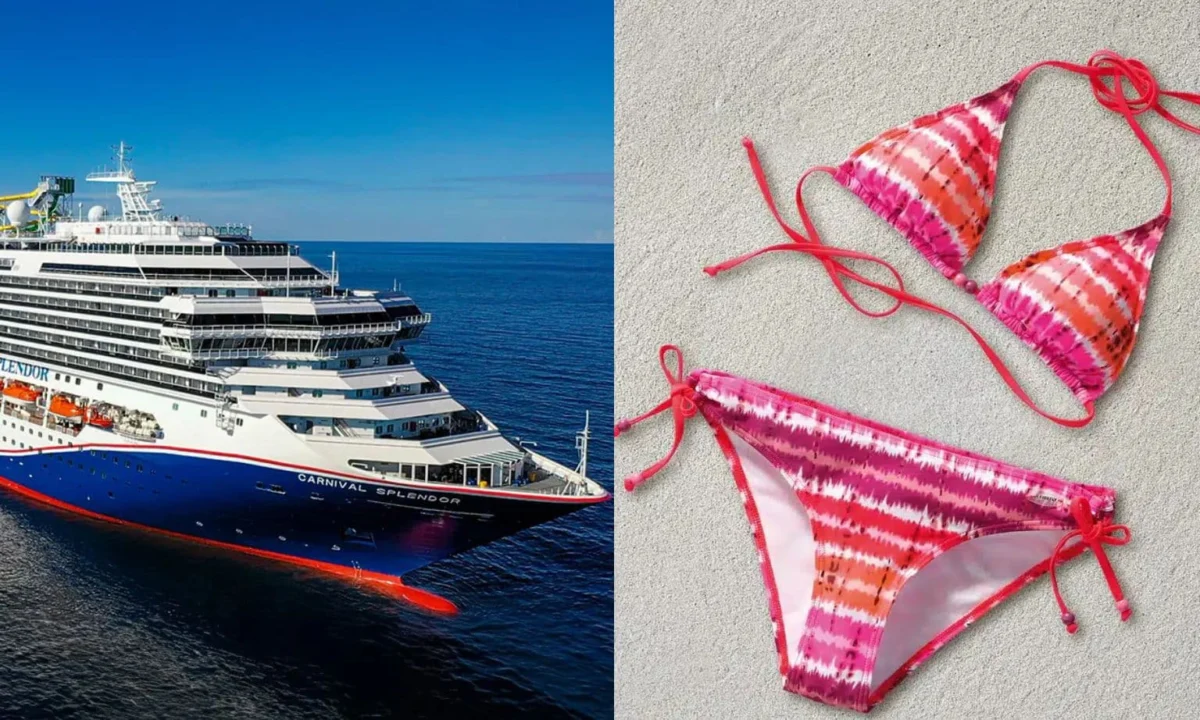
Carnival Cruise Line has issued a significant directive to passengers embarking on voyages to the South Pacific, particularly those including calls at Lifou in the Loyalty Islands, emphasizing the critical need for modest swimwear and appropriate attire when ashore. The cruise line’s communication underscores the importance of respecting local customs and cultural sensitivities, warning that non-compliance could jeopardize future cruise port access. This measure reflects a recurring concern within the cruise industry regarding passenger behaviour and its impact on host communities in popular island destinations.
Background: The Delicate Balance of Cruise Tourism and Local Culture
The South Pacific, renowned for its pristine beaches and vibrant cultures, is a cornerstone of the cruise tourism market for Australian travellers. However, the influx of large passenger numbers can create friction if visitors do not adhere to local norms and expectations. Lifou, a significant destination within the Loyalty Islands of New Caledonia, is home to approximately 9,000 residents. When a large cruise ship, such as the Carnival Splendor which can carry over 3,000 passengers, makes a port call, the ratio of visitors to locals can be substantial, amplifying the potential for cultural misunderstandings.
This warning from Carnival is not an isolated incident but rather a reiteration of long-standing protocols aimed at fostering harmonious relations between cruise passengers and island communities. Such directives are often prompted by feedback from local authorities or community leaders who express concerns about inappropriate dress and behaviour by some tourists. The cruise line’s objective is to act as a mediator, ensuring that the economic benefits of cruise tourism are maintained without compromising the cultural integrity and social fabric of the destinations.
Carnival’s Directive: Specific Guidelines for Passengers
The advisory, disseminated to passengers in advance of their voyages, outlines specific expectations for swimwear and onshore attire. The core message is that swimwear should be reserved for beach or pool areas and must be "very modest in nature." Explicitly prohibited items include "G-strings, thongs, monokinis or mankinis," even when worn at the beach. Furthermore, topless sunbathing is also strictly forbidden at any time.
Beyond beachwear, the directive mandates "casual clothing (such as shorts and a shirt or cover-up)" for all excursions and explorations of the island. This applies particularly when visiting sensitive locations like churches and market places, where a higher degree of modesty is expected. The communication emphasizes that visitors are guests and are expected to "respect the wishes of local residents."
The Stakes: Potential Impact on Future Itineraries
Carnival has made the consequences of non-compliance unequivocally clear. The letter states that "non-compliance could severely restrict or compromise our ability to keep the island as part of our future Carnival holiday itineraries." This statement highlights the leverage that local communities hold in dictating which cruise lines and ships are welcome. By imposing these dress code requirements, Carnival is not only seeking to prevent immediate cultural offense but also to safeguard the long-term viability of these popular destinations within its operational plans. The potential loss of a port of call represents a significant economic setback for the island and a disappointment for future travellers.
A Recurring Issue: Passenger Accounts and Concerns
Passenger feedback shared on various forums and social media platforms indicates that these dress code warnings are a recurring feature of South Pacific itineraries. Many cruisers express frustration with fellow passengers who disregard these guidelines, leading to embarrassment and potential damage to inter-community relations.
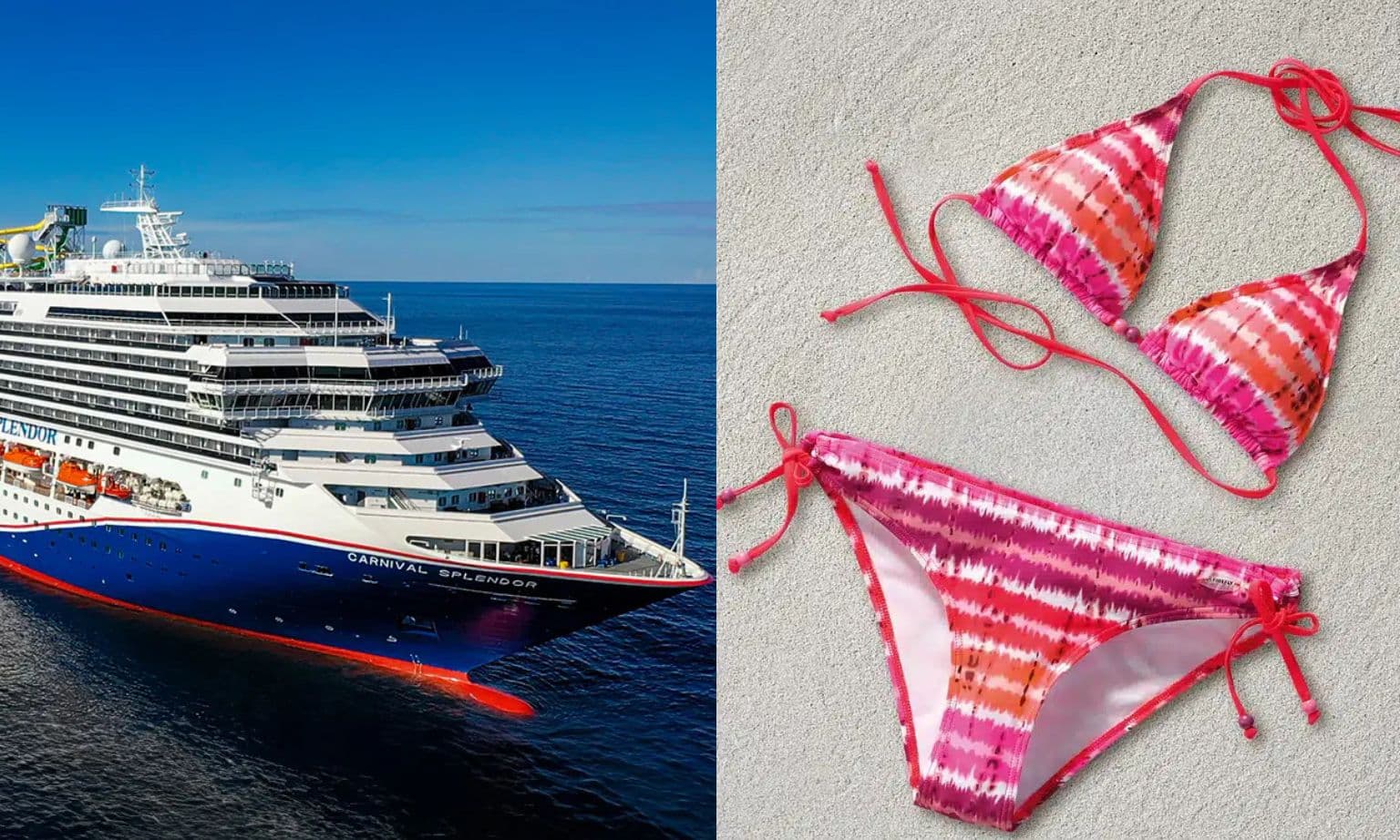
One passenger, Kerry Bull, recounted an experience from the previous year, stating, "I went there last year and we were all asked to dress appropriately. There were so many girls parading in g-strings, it was embarrassing. The locals were not impressed." This sentiment is echoed by another cruiser who expressed disgust, saying, "I was disgusted that so many people on our cruise wore g-string bikinis to Lifou and wandered about uncovered. It’s selfish twats like that who will ruin it for everyone."
Leisa Burnet shared a similar observation: "We got this letter on my last cruise to the islands and the amount of people that couldn’t be bothered to cover up when walking through the village was disgraceful. And they will be the first ones to whine when they stop ships from going there."
The fear among many seasoned cruisers is that such persistent disregard for local customs will lead to further restrictions, potentially resulting in the removal of more South Pacific islands from cruise itineraries. Noel Malafant commented, "Yep, had that letter many times, but, unfortunately, no one cares. If it keeps going like this, they will close the Island off to cruise ships, and it will be another one to mark off the list, like Mare and Isle of Pines, neither have opened since Covid and probably never will, but… lets hope…."
Another passenger suggested that similar issues have led to cancellations at other popular destinations. "Yes, it’s a pity that even with this letter, which has been around for years, people still don’t care. I was told for these reasons Mystery Island gets missed too often."
Positive Responses and Cultural Sensitivity
Amidst the concerns, there are also passengers who actively support and adhere to these cultural guidelines. Many travellers recognize the importance of reciprocity and express a willingness to adapt their behaviour to show respect for the host communities. One such cruiser stated, "I really like this, as an Aussie who works with a lot of islanders, I honestly believe we should respect them and their culture when visiting their country, as the majority of them respect our culture when they are here." This perspective highlights a segment of the travelling public that values cultural exchange and understands the reciprocal nature of respectful tourism.
Broader Implications for the Cruise Industry and Destinations
The directive from Carnival is indicative of a wider trend in the cruise industry. As cruise lines expand their global reach, they face increasing pressure to ensure their operations are sustainable and culturally sensitive. This involves not only adhering to environmental regulations but also actively managing passenger behaviour to foster positive relationships with port communities.
The economic impact of cruise tourism on island nations is substantial, providing employment and revenue through shore excursions, retail sales, and port fees. However, this economic benefit is contingent on the goodwill of the local populations. Instances of disrespect or cultural insensitivity can quickly erode this goodwill, leading to calls for reduced cruise ship calls or outright bans.
For destinations like Lifou, maintaining a balance between welcoming tourism and preserving their cultural identity is paramount. The proactive approach taken by Carnival, while potentially inconvenient for some passengers, is a necessary step to ensure that these cherished destinations remain accessible for future generations of travellers and continue to benefit from the cruise industry in a mutually respectful manner. The success of such initiatives hinges on passenger education and a collective understanding that responsible tourism is a shared responsibility. The cruise line’s communication serves as a stark reminder that the allure of paradise comes with the obligation of respect.



 Anjar Salim
 Tatiana Tantri Indah Sari
 Budi Mulyono
 Lukman Taruna Persada Ramadan
