
 Budi Mulyono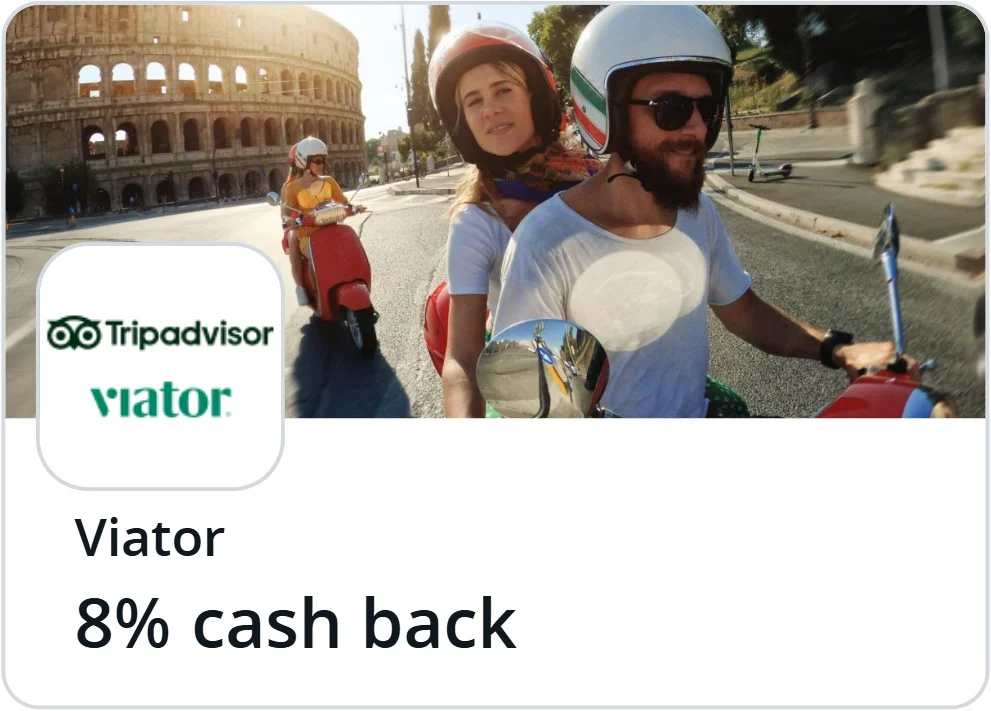
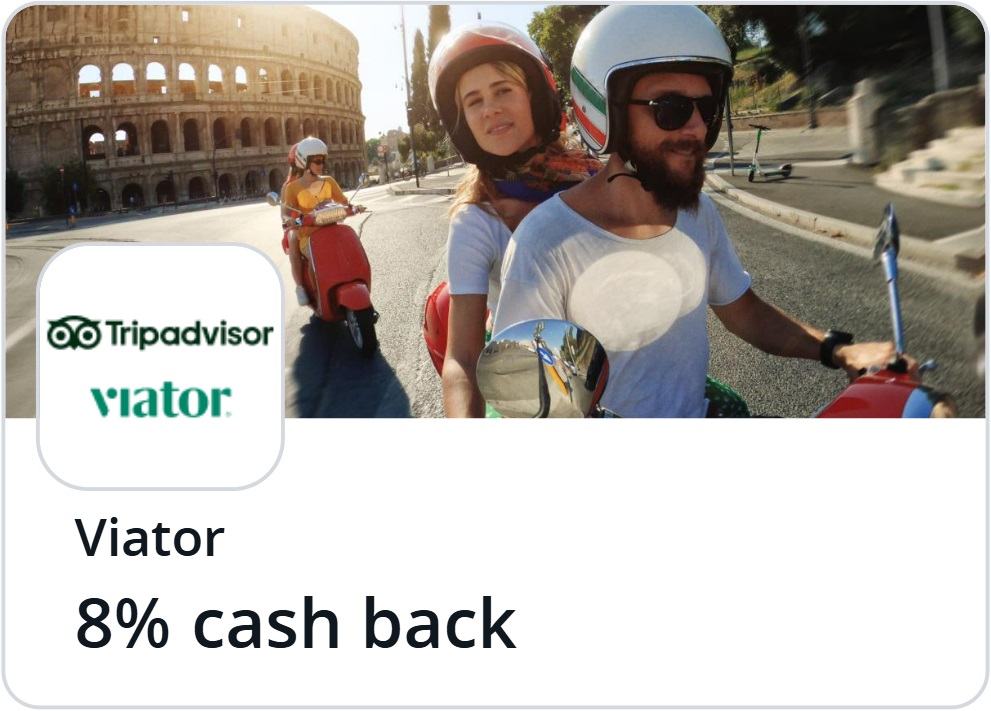
Chase Bank has introduced a new targeted merchant offer providing a statement credit for cardholders who utilize their cards for purchases through Viator and TripAdvisor Experiences. The promotion, which appeared on various Chase consumer and business credit card accounts this week, offers an 8% statement credit on purchases up to a total spending limit of $125. While the maximum cashback per card is capped at $10, the offer represents a strategic effort by JPMorgan Chase to capture a larger share of the burgeoning "experiences" sector within the global travel market. This incentive is available to a subset of cardholders and must be manually activated through the Chase mobile app or online banking portal before a qualifying purchase is made.
The offer is specifically designed to apply to both Viator, a leading global marketplace for travel activities, and TripAdvisor Experiences, which utilizes the Viator platform for its booking engine. Because Viator is a subsidiary of TripAdvisor, the merchant identification codes for these transactions are often interchangeable, allowing the 8% credit to trigger across both platforms. Unlike many travel-related promotions that require a high minimum spend to unlock benefits, this Chase Offer contains no minimum purchase requirement, making it applicable to lower-cost local tours, museum admissions, and day-to-day recreational activities.
Evolution and Mechanics of Card-Linked Offers
The introduction of the Viator Chase Offer is part of a broader trend in the financial services industry known as card-linked offers (CLOs). These programs serve as a sophisticated marketing tool that bridges the gap between digital advertising and physical transactions. For JPMorgan Chase, these offers are facilitated through partnerships with third-party loyalty platforms that track transaction data to verify eligibility. For the consumer, the process is seamless: once the offer is "added" to the card, the banking system monitors the account for a matching transaction at the specified merchant.
Historically, card-linked offers were dominated by American Express through its "Amex Offers" program. However, in recent years, Chase and Citi have aggressively expanded their own versions to remain competitive. These offers are typically funded by the merchants themselves or shared between the merchant and the bank as a form of customer acquisition cost (CAC). By offering an 8% discount in the form of a statement credit, Viator is able to incentivize Chase’s massive affluent cardholder base to choose their platform over competitors like GetYourGuide or Klook.
Chronology of the Chase and Viator Partnership
The relationship between major financial institutions and travel aggregators has deepened as the travel industry recovered from the disruptions of 2020 and 2021. Viator, which was acquired by TripAdvisor in 2014 for approximately $200 million, has seen a significant surge in volume as travelers shift their spending from physical goods to "memorable experiences."
In early 2023, similar offers appeared on Chase cards, though the percentages fluctuated between 5% and 12% depending on the card tier and the cardholder’s spending history. The current iteration, launched in the second quarter of 2024, arrives at a critical juncture as consumers plan for summer vacations and peak travel seasons. Industry analysts note that Chase often rolls out these travel-centric offers in waves, targeting users who have previously shown a propensity for travel spending, such as those holding the Sapphire Preferred, Sapphire Reserve, or Ink Business Preferred cards.
Market Analysis: The Rise of the Experience Economy
The decision to target Viator and TripAdvisor Experiences reflects a data-driven understanding of current consumer behavior. According to market research, the global tours and activities market is projected to reach approximately $300 billion by 2025. This sector is the third-largest segment in travel, following airfare and hotels, yet it remains one of the most fragmented.
By incentivizing spend on Viator, Chase is aligning itself with the "Experience Economy," a term coined by researchers to describe a shift where consumers derive more value from what they do than what they own. Data from the Mastercard Economics Institute suggests that global spending on experiences was up 65% in 2023 compared to 2019 levels. For a bank like Chase, which manages a significant portion of U.S. consumer credit spend, capturing the "in-destination" spend—money spent after the flight and hotel are booked—is a key priority for maximizing interchange fee revenue.
Strategic Stacking and Consumer Optimization
While the 8% offer is limited to a $10 maximum credit, professional travel strategists and frequent flyers often utilize a technique known as "stacking" to increase the effective discount. Because the Chase Offer is a card-linked benefit, it functions independently of online shopping portals. Travelers can theoretically combine the 8% Chase Offer with rewards from affiliate portals such as Rakuten, TopCashback, or Capital One Shopping.
In particular, Capital One Shopping has been known to offer targeted "portal" rates for Viator ranging from 10% to as high as 30% back in the form of gift cards. When a consumer initiates their purchase through such a portal and pays with a Chase card that has the 8% offer activated, the total effective savings can exceed 35% of the booking price. Furthermore, for high-value bookings that exceed the $125 cap, consumers with multiple Chase cards may choose to split their transactions—booking individual tickets for a group separately—to trigger the $10 credit on each individual card, provided the offer is available across multiple accounts.
Corporate Strategy: Why Banks Target Specific Merchants
For JPMorgan Chase, the motivation behind these targeted offers extends beyond simple consumer savings. The bank is currently engaged in a long-term strategy to become a full-service travel provider. Following its acquisition of the luxury travel agency Frosch and the loyalty platform cxLoyalty, Chase has integrated a proprietary travel booking engine into its Ultimate Rewards ecosystem.
However, many "long-tail" travel activities—such as a specific street food tour in Bangkok or a boutique winery visit in Tuscany—are not always available through the bank’s internal portal. By offering statement credits for Viator, Chase ensures that even when a customer books outside the Chase Travel portal, the bank remains the preferred payment method. This keeps the card "top of wallet" and provides the bank with valuable data regarding the specific interests and geographic locations of its cardholders.
Potential Implications for the Travel Industry
The proliferation of these offers has broader implications for the competitive landscape of travel booking. Direct booking advocates often argue that consumers should book directly with tour operators to ensure the maximum amount of money stays with local businesses. However, the financial incentives provided by card issuers and large aggregators like Viator make it difficult for small, independent operators to compete on price.
From a merchant perspective, participating in a Chase Offer allows Viator to reach millions of potential customers without the upfront cost of a traditional advertising campaign. They only pay for the "conversion" when a sale is actually made. This performance-based marketing model is increasingly preferred by digital platforms looking to maintain high margins in a competitive environment.
Official Responses and User Experience
While JPMorgan Chase does not typically issue individual press releases for specific merchant offers, the bank has consistently messaged that its "Chase Offers" program is a core component of its value proposition. Customer service representatives note that statement credits usually post to the account within 7 to 14 business days after the qualifying transaction clears, though the terms allow for a longer window.
On social media and travel forums, reactions to the 8% Viator offer have been generally positive, though some users expressed frustration regarding the "targeted" nature of the deal. Not every Chase cardholder will see the offer in their account, as the bank utilizes proprietary algorithms to determine which users are most likely to be influenced by the incentive. Factors such as geographical location, past travel purchases, and overall credit usage play a role in the selection process.
Conclusion and Future Outlook
The 8% Chase Offer for Viator and TripAdvisor Experiences highlights the increasing intersection of fintech and travel. As banks move toward more personalized, data-driven rewards, cardholders can expect to see more "micro-incentives" tailored to their specific lifestyle choices. While a $10 maximum credit may seem modest in the context of a multi-thousand-dollar vacation, it serves as a powerful nudge to keep consumers engaged with the bank’s digital ecosystem.
As the travel industry moves into the peak summer season, analysts expect to see a surge in similar card-linked offers from competitors like American Express and Wells Fargo. For the informed consumer, these offers represent an opportunity to reduce the rising costs of travel through strategic planning and the use of multiple reward layers. For the financial institutions, they represent a vital tool in the ongoing battle for consumer loyalty in an increasingly digital and experience-focused marketplace. The success of this Viator promotion will likely influence Chase’s strategy for future travel-related partnerships throughout the remainder of the fiscal year.




 Anjar Salim
 Chandra Hamzah
 Tatiana Tantri Indah Sari
 Lukman Taruna Persada Ramadan