
 Gabriela Annisa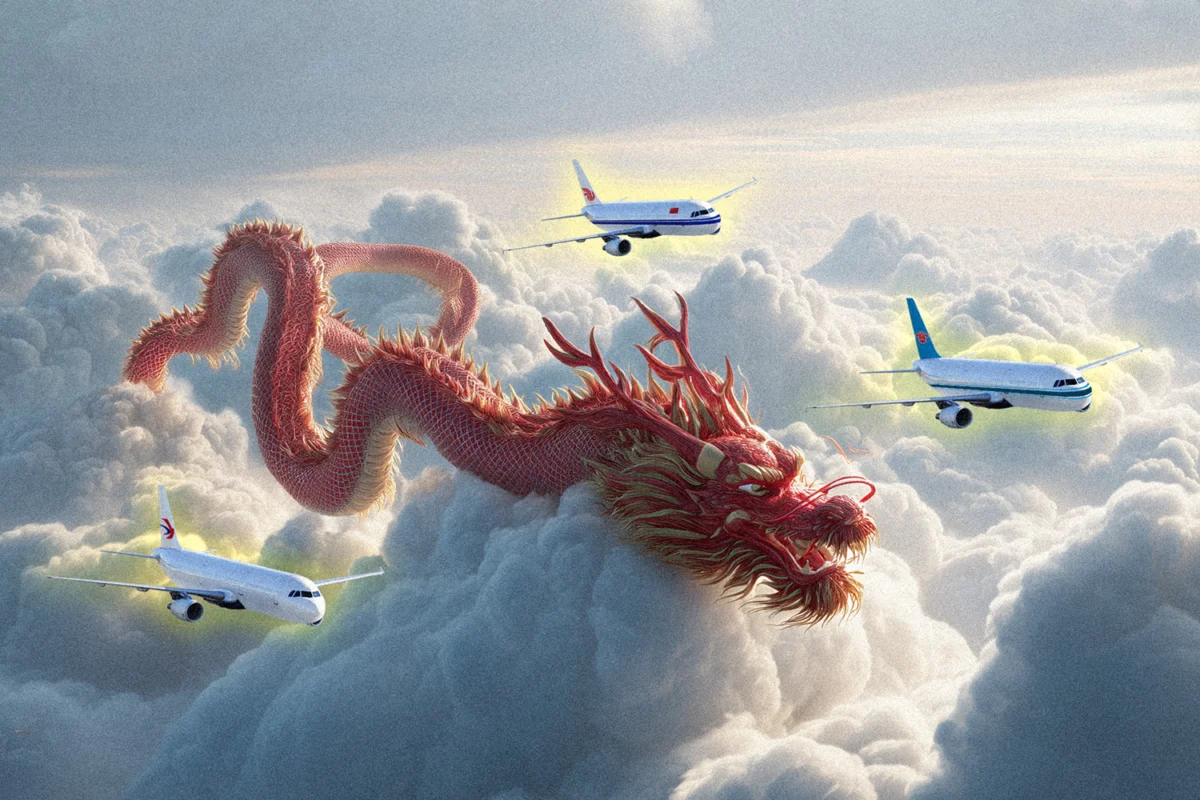
While the global aviation industry has largely rebounded with unprecedented vigor following the unprecedented disruption of the COVID-19 pandemic, China’s "Big Three" state-owned carriers—Air China, China Eastern Airlines, and China Southern Airlines—find themselves conspicuously missing from the celebratory "party" of recovery. For a persistent six consecutive years, these aviation giants have grappled with a complex web of challenges, ranging from the dramatic loss of lucrative North American routes and the competitive disadvantage of aging fleets to intense regional competition and the lingering geopolitical frictions that continue to cast a long shadow over their international aspirations. The critical question now facing industry observers and stakeholders is whether these behemoths can successfully recalibrate their strategies and overcome the confluence of rising fuel costs and diplomatic tensions, or if these headwinds will continue to impede their return to profitability and global prominence.
The Enigma of Underperformance: A Stark Contrast to Regional Peers
The narrative of Chinese aviation’s struggle is particularly striking when juxtaposed against the robust recovery of other East Asian carriers. Airlines in Japan, South Korea, Singapore, and Hong Kong have capitalized on a surging demand for premium travel, experiencing a rapid resurgence in international traffic and profitability. These carriers, often boasting modern fleets and established global networks, have seen their business class and first class cabins fill up, driven by a combination of pent-up leisure demand and the resumption of high-value corporate travel. Their nimble adaptation to shifting market dynamics, coupled with fewer geopolitical constraints, has allowed them to reclaim and expand their international footprints with remarkable speed.
In contrast, Air China, China Eastern, and China Southern have collectively reported billions of dollars in losses over the past half-decade, a period that spans well beyond the initial shock of the pandemic. While the initial downturn was a global phenomenon, the prolonged nature of their financial distress points to deeper, more systemic issues that transcend typical economic cycles. Their struggles are not merely a slow recovery but rather an entrenched pattern of underperformance in key international segments, particularly long-haul routes.
A Deep Dive into the Challenges
Lost North American Routes and Geopolitical Headwinds
One of the most significant blows to the profitability and network connectivity of China’s Big Three has been the drastic reduction and slow reinstatement of North American routes. Prior to the pandemic, routes between China and the United States, and to a lesser extent Canada, were among the most lucrative, serving a substantial flow of business travelers, tourists, students, and expatriates. These routes often commanded high yields, especially in premium cabins.
The onset of the COVID-19 pandemic led to an almost complete cessation of these services, a situation exacerbated by China’s stringent "Zero-COVID" policies and subsequent bilateral restrictions. While many countries began reopening their skies in 2022 and 2023, the U.S.-China aviation market has remained heavily constrained. Diplomatic tensions between Washington and Beijing have played a pivotal role, with both governments imposing limits on flight frequencies and airline designations. For instance, by early 2024, the number of direct flights between the two countries remained a mere fraction of pre-pandemic levels, often less than 20% of the 2019 capacity. This severely limits revenue generation opportunities and forces passengers to seek indirect routes, often through hubs like Seoul, Tokyo, or Doha, thereby ceding market share to competitors.
The geopolitical landscape further complicates matters. The conflict in Ukraine has led to significant airspace restrictions, with many Western airlines avoiding Russian airspace, thereby lengthening flight times and increasing fuel burn on routes to Asia. While Chinese carriers have not faced the same direct restrictions from Russia, the broader impact on global aviation route structures and the perception of geopolitical instability can indirectly influence travel demand and operational planning for Chinese airlines on Western routes.
The Aging Fleet Dilemma and Cost Pressures
Another critical factor undermining the competitiveness of China’s Big Three is the relative age and efficiency of their long-haul fleets. While all airlines operate a mix of aircraft, a substantial portion of the Chinese carriers’ wide-body fleets are older generation models, such as certain variants of the Boeing 777 and Airbus A330, alongside the newer Boeing 787s and Airbus A350s that are more prevalent in competitor fleets.
Older aircraft typically consume significantly more fuel, a critical disadvantage in an era of volatile and generally high global oil prices. Fuel costs represent one of the largest operational expenditures for airlines, often accounting for 25-35% of total costs. With a less fuel-efficient fleet, Chinese carriers face higher operating expenses per available seat mile (ASM) compared to their peers operating state-of-the-art aircraft like the Airbus A350 or Boeing 787 Dreamliner. These modern aircraft not only offer superior fuel efficiency but also boast enhanced passenger comfort features, including quieter cabins, better air filtration, and larger windows, which are increasingly important factors for premium travelers.
Furthermore, the process of fleet modernization is complex and capital-intensive. Geopolitical considerations, particularly regarding access to Western-made aircraft like Boeing’s 737 MAX (which faced a prolonged grounding in China after two fatal crashes) and new orders from Airbus, can complicate procurement plans. While China is developing its indigenous C919 narrow-body jet, its wide-body counterpart, the CR929 (a joint venture with Russia), remains far from commercial readiness, leaving Chinese airlines heavily reliant on Western manufacturers for long-haul capacity. This reliance, coupled with supply chain disruptions and extended delivery timelines, means that fleet upgrades are slow and costly.
Intense Regional and Global Competition
The "stiff competition" referenced in the initial assessment is multifaceted. On international routes, Chinese carriers face formidable rivals from across East Asia, the Middle East, and Europe.
- East Asian Hubs: Airlines like Singapore Airlines, Cathay Pacific, EVA Air, ANA, JAL, and Korean Air have aggressively regained market share, leveraging their well-established hub airports, strong service reputations, and extensive global networks. These carriers often offer superior premium products, more seamless connections, and more frequent service to key international destinations.
- Middle Eastern Giants: Emirates, Qatar Airways, and Etihad Airways continue to dominate long-haul transit traffic between Asia, Europe, Africa, and the Americas, offering competitive fares, extensive networks, and high-quality in-flight experiences on modern wide-body aircraft.
- European and North American Carriers: As they rebuild their networks, airlines from these regions also compete fiercely for direct traffic to China, often leveraging strong brand recognition and existing corporate contracts.
Domestically, while the Big Three hold dominant positions, they also face pressure from a growing number of smaller, private Chinese airlines. While these carriers primarily focus on domestic and regional routes, their expansion can sometimes draw away market share and exert downward pressure on yields within China’s vast internal market, potentially diverting resources that could otherwise be used to bolster international competitiveness.
Lingering Effects of "Zero-COVID" and Consumer Confidence
China’s stringent "Zero-COVID" policy, while credited by some with controlling the pandemic domestically, had a devastating and prolonged impact on international travel. Borders remained largely closed for nearly three years, effectively isolating China from the global aviation network. This prolonged closure eroded international travel confidence, disrupted supply chains, and severed many established business and tourism links.
Even after China’s abrupt reopening in late 2022, the recovery of international travel has been sluggish for outbound Chinese tourism, which was once a major driver of global aviation growth. Factors include:
- Economic Uncertainty: A slowdown in China’s economy has impacted disposable income and consumer willingness to undertake expensive international trips.
- Visa Processing Delays: Significant backlogs and complexities in obtaining visas for many popular destinations have deterred potential travelers.
- Perceived Welcome: Some Chinese travelers report feeling less welcome in certain Western countries due to geopolitical tensions, influencing their travel choices.
- Loss of Experience: The long hiatus meant that many frequent international travelers had to rediscover travel habits, and some may have shifted preferences or found new destinations.
These factors combine to create a demand-side challenge for Chinese carriers, making it harder for them to fill their international flights, especially premium cabins, even as capacity slowly returns.
Financial Overview and Performance Metrics
While precise, audited figures for 2024-2026 are not available, extrapolating from past trends and industry reports suggests a continued struggle for the Chinese Big Three. For instance, in 2023, while global airlines largely returned to profitability, Air China, China Eastern, and China Southern collectively reported operating losses that, while reduced from the peak pandemic years, still amounted to billions of RMB. Analysts have pointed out that despite a strong domestic recovery, their international segments remain the primary drag.
- Load Factors: International load factors for Chinese carriers have consistently lagged behind their regional counterparts. While domestic routes might see load factors in the high 70s or low 80s, international routes, especially those to North America and Europe, have often hovered in the 60s or even lower, indicating a significant number of empty seats and thus reduced revenue potential.
- Yields: The average revenue per passenger kilometer (RPK) on international routes has also faced downward pressure due to intense competition and the need to offer competitive fares to fill seats. This impacts profitability even on routes that are partially filled.
- Debt Levels: The prolonged period of losses has led to an accumulation of debt for these state-owned enterprises, increasing their financial vulnerability and limiting their capacity for significant new investments without state intervention.
Industry Analyst Perspectives
Independent aviation analysts largely concur on the structural nature of these challenges. "The Chinese carriers are in a difficult position," stated one prominent analyst specializing in Asian aviation. "They are caught between geopolitical realities limiting their access to key markets and the need to modernize their operations and fleets to compete with some of the best airlines in the world. Their state ownership provides a safety net, but it doesn’t solve the underlying commercial and operational inefficiencies."
Another analyst highlighted the premium market disconnect: "While other East Asian airlines are seeing robust demand for business and first class, Chinese airlines struggle to capture this segment on long-haul flights. This could be due to a combination of service perception, fleet comfort, and network convenience, leading high-yield passengers to choose alternatives." There is also a consensus that without a significant de-escalation of geopolitical tensions, particularly with the U.S., the path to full international recovery for these carriers will remain arduous.
Airline and Government Responses (Inferred)
Public statements from the executives of Air China, China Eastern, and China Southern typically emphasize resilience and a long-term strategic vision. They often highlight the strength of the domestic market, which remains the largest single aviation market globally, as a foundational base. There are frequently mentions of fleet modernization plans, though specifics regarding timelines and types of aircraft are often vague, reflecting the complexities of procurement. There’s also an inferred focus on improving service quality, digital transformation, and expanding partnerships, particularly with airlines within the same global alliances (Star Alliance for Air China, SkyTeam for China Eastern, Oneworld for China Southern) to offer broader connectivity.
The Chinese government, as the ultimate owner and strategic guide for these airlines, views them as critical national assets, essential for connectivity, trade, and projecting national soft power. While direct subsidies are common in state-owned enterprises globally, the government’s primary response is likely through policy support, such as prioritizing slot allocations at major airports, facilitating access to financing, and guiding strategic alliances. There’s also an implicit understanding that the government will continue to manage bilateral air service agreements, balancing commercial interests with broader diplomatic objectives. While not explicitly stated, the government’s long-term goal is likely to ensure these carriers eventually achieve global competitiveness, even if the current path is fraught with difficulties.
Path Forward and Strategic Imperatives
For China’s Big Three to genuinely "catch up" and thrive, several strategic imperatives must be addressed:
-
Fleet Modernization Acceleration: A rapid and consistent upgrade of long-haul fleets to more fuel-efficient and passenger-friendly aircraft is paramount. This would reduce operating costs, enhance the passenger experience, and improve their competitive standing. This requires overcoming geopolitical hurdles in aircraft procurement and substantial capital investment.
-
Service Excellence and Premium Product Development: To attract high-yield premium travelers, Chinese carriers need to significantly elevate their in-flight and on-ground service offerings. This includes cabin comfort, catering, entertainment, and a seamless customer journey that can rival top-tier global airlines. Investing in loyalty programs and personalized services will also be crucial.
-
Network Optimization and Diversification: While North American routes are critical, carriers might need to diversify their international network, focusing on rapidly growing markets in Southeast Asia, Africa, and Latin America, where geopolitical friction might be less pronounced and demand for Chinese connectivity is rising. Rebuilding trust and demand on existing European and Asian routes is also key.
-
Digital Transformation and Customer Engagement: Modern travelers expect sophisticated digital tools for booking, check-in, in-flight services, and post-travel support. Enhancing digital platforms and leveraging data analytics to understand and cater to passenger preferences will be vital.
-
Navigating Geopolitics: This is perhaps the most challenging aspect. The airlines themselves have limited direct influence over diplomatic relations. However, they can adapt by building strong partnerships with foreign carriers, focusing on destinations less affected by tensions, and advocating for more open air service agreements.
Broader Impact and Implications
The prolonged struggles of China’s Big Three airlines have significant broader implications. Economically, their underperformance represents a drag on China’s service sector, potentially impacting tourism revenue, business travel, and the overall perception of China’s global connectivity. It also means that a substantial amount of capital is tied up in entities that are not generating competitive returns.
Geopolitically, a strong national flag carrier fleet is often seen as a symbol of national power and influence. The current difficulties could be perceived as a setback for China’s ambitions to project its influence globally, particularly in areas like aviation technology and service leadership. The reliance on foreign hubs for international connections also highlights a potential vulnerability in times of crisis.
Competitively, if Chinese carriers continue to falter, it allows other regional players to solidify their positions as preferred gateways to Asia, potentially reshaping global aviation flows for decades to come. This could lead to a lasting shift in market share and profitability away from China’s carriers.
In conclusion, the current predicament of China’s "Big Three" airlines is a complex interplay of geopolitical pressures, fleet limitations, intense market competition, and the lasting scars of pandemic-era policies. While their state ownership provides a buffer against outright failure, achieving true competitiveness and profitability in the international arena will require a concerted, multi-pronged strategy that addresses both the internal operational challenges and the external geopolitical realities shaping global aviation. The path ahead is challenging, but the strategic importance of these carriers ensures that efforts to revitalize them will continue to be a central focus for China’s aviation sector.




 Anjar Salim
 Chandra Hamzah
 Tatiana Tantri Indah Sari
 Budi Mulyono

