
 Gabriela Annisa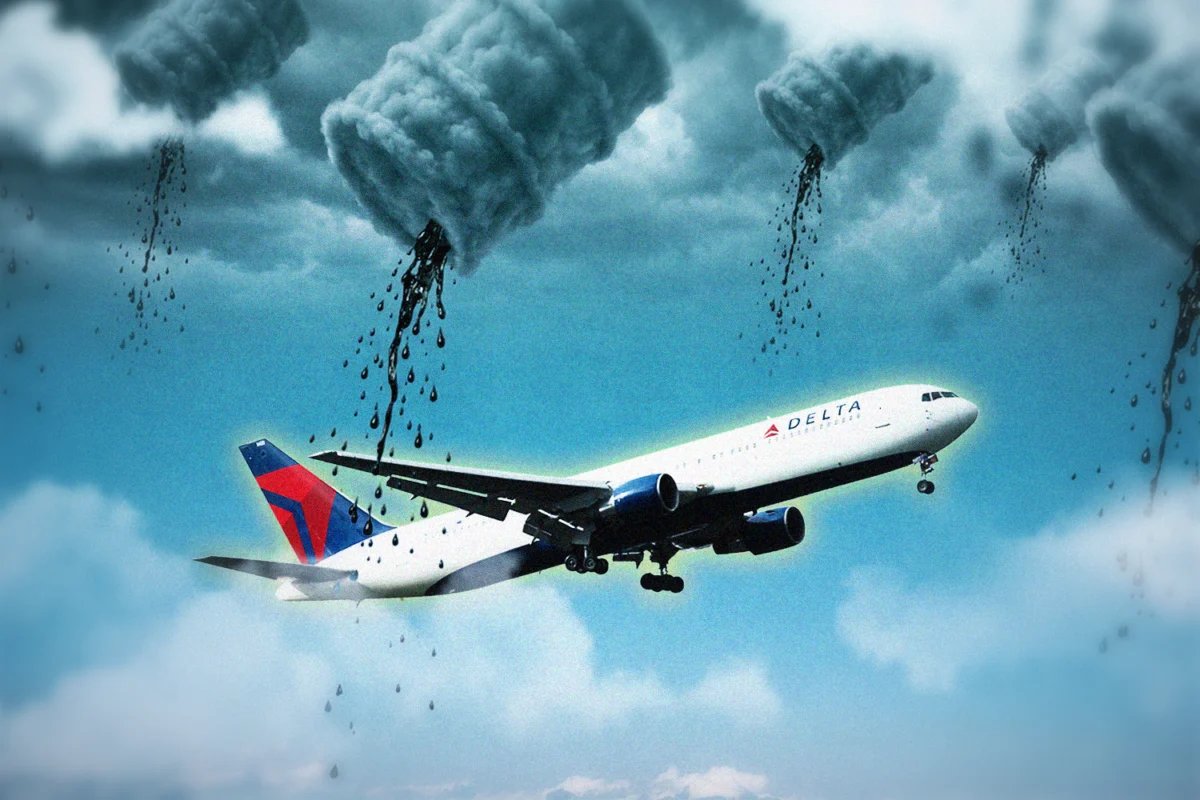
Delta Air Lines, a perennial leader in the North American aviation sector, finds itself once again at a critical juncture, navigating a fresh wave of financial headwinds characterized by acute fuel cost uncertainty. This new challenge marks a significant pivot from the revenue-centric anxieties that dominated the previous year, with the airline now bracing for a potential $2 billion increase in its annual fuel bill. While Delta has historically demonstrated remarkable resilience in overcoming diverse operational and economic shocks, the sheer scale and volatility of the current energy market raise fundamental questions about its ability to maintain its trajectory of recovery and profitability in a dramatically altered landscape. This feature story delves into the intricate dynamics of this evolving situation, examining the background, implications, and potential strategies Delta may employ to weather what could be its most significant test in recent memory.
The Shifting Sands of Challenge: From Revenue to Fuel
The airline industry’s journey through the early 2020s has been a turbulent saga of unprecedented disruptions, commencing with the catastrophic collapse in travel demand triggered by the global pandemic. In 2020 and much of 2021, carriers like Delta grappled primarily with "revenue uncertainty." International borders remained largely shut, business travel evaporated, and even domestic leisure travel was severely curtailed by health concerns and fluctuating restrictions. During this period, Delta, alongside its peers, focused intensely on preserving liquidity, optimizing capacity, and adapting to a drastically reduced operational footprint. Its strategies included aggressive cost-cutting, voluntary separation programs, and leveraging its cargo operations to partially offset passenger revenue losses. The company’s ability to secure significant government aid through the CARES Act and access to capital markets were crucial in ensuring its survival and eventual rebound.
As global economies began to reopen in late 2021 and early 2022, a surge in pent-up leisure travel demand signaled a robust recovery for the airline sector. Passenger traffic rebounded, and airlines, including Delta, started reporting positive financial results, hinting at a return to pre-pandemic normalcy. However, this period of cautious optimism quickly gave way to a new, equally formidable challenge: soaring fuel costs. The shift from revenue anxiety to cost pressure is stark, placing airlines in a precarious position where robust demand is being rapidly eroded by escalating operational expenses, primarily driven by the price of jet fuel. For Delta, a company known for its operational prowess and premium market positioning, this transition necessitates a rapid recalibration of its financial and strategic playbook.
Anatomy of the Fuel Price Spike
The dramatic surge in jet fuel prices is a complex phenomenon rooted in a confluence of geopolitical tensions, supply-demand imbalances, and broader macroeconomic factors. Following an initial collapse in crude oil prices during the height of the pandemic in early 2020 – with West Texas Intermediate (WTI) briefly trading in negative territory – the market embarked on a sustained recovery. This recovery accelerated sharply in late 2021 and intensified further in early 2022.
Several key factors underpin this volatility:
- Post-Pandemic Demand Rebound: As global economies reopened, industrial activity surged, and travel resumed, leading to a significant increase in demand for energy across all sectors, including aviation.
- Geopolitical Tensions: The conflict in Ukraine, commencing in February 2022, sent shockwaves through global energy markets. Russia, a major oil and natural gas producer, faced extensive sanctions, leading to fears of supply disruptions. While Russian oil continued to find buyers, the rerouting of supply chains and increased geopolitical risk premiums contributed to price hikes.
- OPEC+ Policies: The Organization of the Petroleum Exporting Countries and its allies (OPEC+) have maintained a cautious approach to increasing output, often falling short of their agreed-upon production quotas. Their strategy has been to stabilize markets and support higher prices, sometimes at odds with the demands of major consuming nations for increased supply.
- Underinvestment in Supply: Years of underinvestment in oil and gas exploration and production, partly driven by a global push towards renewable energy and stricter environmental regulations, have limited the industry’s ability to quickly ramp up supply to meet surging demand.
- Refining Capacity Constraints: The price of jet fuel is not solely determined by crude oil prices but also by refining capacity. Global refinery closures during the pandemic, coupled with maintenance issues and a general lack of new investment, have created bottlenecks in processing crude oil into finished products like jet fuel, gasoline, and diesel. This "crack spread" – the difference between crude oil and refined product prices – has widened considerably, adding an extra layer of cost for airlines.
Brent crude, the international benchmark, surged past $100 per barrel in early 2022, at times approaching $130 per barrel, a level not seen in over a decade. This directly translates to higher jet fuel costs, which typically track crude oil prices with a premium for refining and logistics. For airlines, which consume millions of gallons of fuel daily, even a slight increase per gallon can equate to hundreds of millions of dollars in additional annual expenses.
Delta’s Exposure and Financial Resilience
Delta Air Lines is particularly exposed to the volatility of jet fuel prices due to its scale of operations and, notably, its unique strategy regarding fuel hedging. Unlike many of its peers who employ extensive hedging programs to lock in future fuel prices, Delta has historically adopted a more direct exposure approach, largely mitigating this risk through its ownership of Monroe Energy, a Trainer, Pennsylvania-based refinery. Delta acquired the refinery in 2012, aiming to gain better control over its fuel supply chain and reduce its vulnerability to the crack spread. The premise was that owning the refinery would allow Delta to produce jet fuel more efficiently and sell off other refined products (gasoline, diesel) to offset costs.
While Monroe Energy has, at times, provided significant cost advantages, particularly when crack spreads were wide, it also exposes Delta directly to crude oil price fluctuations without the traditional hedging mechanisms. When crude prices surge, Delta feels the impact immediately, albeit potentially mitigated by its ability to capture a portion of the refining margin. The projected $2 billion fuel hit underscores the severity of the current market conditions, indicating that even with its refinery, the sheer increase in crude oil costs is overwhelming any potential refining advantages. To put this into perspective, a $2 billion increase could represent a significant portion of Delta’s annual operating profit, potentially cutting deep into its margins and threatening its ability to fund future investments or return capital to shareholders. Based on its pre-pandemic fuel consumption of approximately 4 billion gallons annually, a $2 billion increase implies an average jump of roughly $0.50 per gallon across its operations, a substantial rise from historical averages.
Delta’s financial resilience, however, is a cornerstone of its brand. During the "revenue uncertainty" period, the airline demonstrated its capacity to adapt by rapidly scaling down operations, optimizing its route network, and focusing on domestic and premium leisure travel, which recovered faster. The company maintained its commitment to its employees and customers, leveraging its strong brand loyalty. Its balance sheet, though stressed by the pandemic, remains robust compared to some competitors, and its access to capital markets is strong, providing some flexibility in managing this new cost pressure.
Navigating the Headwinds: Strategies and Responses
In the face of these escalating fuel costs, Delta is expected to deploy a multi-pronged strategy, drawing upon its established operational strengths and market position.
- Operational Efficiency and Cost Management: Delta is renowned for its operational excellence. Executives are likely to emphasize further enhancements in fuel efficiency across its fleet, including optimizing flight paths, reducing aircraft weight, and investing in newer, more fuel-efficient aircraft. While such initiatives are ongoing, the urgency to accelerate them will intensify. Rigorous cost control measures beyond fuel will also be crucial to offset some of the external pressures.
- Strategic Capacity Adjustments: Delta may implement strategic capacity adjustments, focusing on routes with strong demand and higher yield. This could involve reducing frequency on less profitable routes or reallocating aircraft to markets where it can command premium fares. The goal will be to maximize revenue per available seat mile (RASM) to absorb the higher costs without significantly impacting its competitive footprint.
- Pricing Adjustments: The most direct, albeit sensitive, strategy is to pass some of the increased fuel costs onto consumers through higher airfares. Delta, with its strong brand and premium product offerings, often has greater pricing power than some of its competitors. However, this must be balanced against the risk of dampening demand, particularly in price-sensitive segments. Historically, airlines have implemented fuel surcharges or simply raised base fares in response to rising oil prices. The challenge lies in determining the optimal price point that covers costs without alienating customers or encouraging them to seek alternative modes of transport.
- Leveraging Premiumization and Customer Loyalty: Delta’s focus on a premium customer experience, strong loyalty programs (like SkyMiles), and differentiated services (e.g., Delta One, Comfort+), positions it well to retain high-value customers even amidst fare increases. The airline will likely double down on these offerings, emphasizing the value proposition that justifies a higher ticket price.
- Refinery Optimization and Future Fuel Strategies: The performance of Monroe Energy will be under intense scrutiny. Delta may explore ways to further optimize its operations, potentially adjusting its product mix to capitalize on the most profitable refined products. Longer-term, Delta is a vocal proponent of sustainable aviation fuel (SAF). While SAF production is currently limited and expensive, the long-term strategic goal of reducing reliance on traditional jet fuel, which is tied to crude oil, remains a priority, even if it offers little immediate relief for the current crisis.
Industry-Wide Repercussions
Delta’s predicament is not an isolated event but rather a microcosm of a broader challenge facing the entire airline industry. Carriers globally are grappling with escalating fuel bills, which typically constitute 20-30% of an airline’s operating expenses, and sometimes even more during periods of extreme price spikes.
- Higher Airfares: Consumers across the board can expect to see sustained higher airfares as airlines collectively attempt to recover costs. This could impact discretionary leisure travel and potentially slow the pace of the post-pandemic recovery if economic conditions deteriorate.
- Competitive Landscape: Airlines with stronger balance sheets, more efficient fleets, or more robust hedging strategies may be better positioned to absorb the shock, potentially gaining a competitive edge. Conversely, weaker carriers could face significant financial distress.
- Operational Strain: The constant pressure to manage costs while maintaining operational integrity can lead to strain on airlines’ resources.
- Sustainability vs. Cost: The immediate need to control costs might temporarily overshadow long-term sustainability goals, as airlines prioritize short-term financial viability over significant investments in SAF or carbon capture technologies, though the strategic importance of these remains.
Analyst Perspectives and Investor Sentiment
Financial analysts are closely monitoring Delta’s ability to manage these fuel cost pressures. Many analysts acknowledge Delta’s strong management team and operational track record but caution that a $2 billion hit is a substantial figure that cannot be easily absorbed. Investors will be scrutinizing upcoming quarterly earnings calls for clarity on Delta’s fuel cost outlook, its hedging strategies (or lack thereof), and its ability to maintain its profit margins. The market will be looking for signs of pricing power and disciplined capacity management.
"Delta has historically been adept at navigating challenges, but the current fuel environment is exceptionally volatile and largely out of their control," noted one aviation analyst, speaking on background. "Their unique refinery strategy offers some benefits but also direct exposure. The key will be how effectively they can pass these costs through to consumers without impacting demand, and how their non-fuel costs are managed." Another analyst suggested, "While demand remains strong for now, if fares rise too much, we could see a softening, especially if the broader economy slows. Delta’s premium focus might offer some insulation, but it’s not immune." Investor sentiment, while generally positive about the travel recovery, will likely become more cautious until there is greater clarity on the long-term trajectory of fuel prices and Delta’s specific mitigation strategies.
The Path Forward: A Test of Adaptability
Delta’s New Uncertainty is more than just a financial challenge; it is a profound test of its adaptability, strategic foresight, and leadership in an industry defined by its susceptibility to external shocks. From the unprecedented revenue drought of the pandemic to the current storm of escalating fuel costs, Delta has demonstrated a remarkable ability to pivot and persevere. However, the current environment, characterized by persistent inflation, geopolitical instability, and supply chain bottlenecks, presents a unique confluence of pressures.
The question remains: can Delta stay ahead of this latest shock, or is this one truly different? Its track record suggests a strong capacity for resilience. Its robust domestic network, strong brand loyalty, and focus on premium offerings provide structural advantages. Yet, the sheer magnitude of the fuel price surge necessitates not just adaptation, but potentially a fundamental re-evaluation of its cost structure and pricing strategies. As the industry moves deeper into 2023, all eyes will be on Delta’s upcoming financial reports and executive commentary, searching for definitive answers on how one of America’s leading airlines plans to navigate the turbulent skies ahead and emerge stronger from its latest uncertainty. The journey promises to be challenging, but Delta’s history suggests it is a company that often finds a way through, even when the path is shrouded in doubt.




 Anjar Salim
 Chandra Hamzah
 Tatiana Tantri Indah Sari
 Budi Mulyono

